
- Amazon Dropshipping
- articles
List of Ungated Products on Amazon: 2026 Guide
Most Amazon categories are open by default. Books, Home & Kitchen, Office Products, Pet Supplies, Sports & Outdoors, tools, industrial supplies, electronics accessories, craft supplies and generic apparel can all be listed without asking Amazon for anything first. Approval is only needed for a smaller set of gated categories, for certain brands, and for individual ASINs, so the safe habit is to check each item in Seller Central before you spend money on inventory.
Amazon gives buyers endless freedom to buy whatever they need. For sellers, the listing process is nowhere near as simple. Some products need brand approvals, invoices and certifications before they go live. Others are wide open, and those are what sellers mean when they talk about ungated Amazon products.
Knowing which side of that line an item falls on matters most when you are starting out, because the answer decides whether you can sell today or in six weeks. The complication is that an open category can still contain restricted subcategories and restricted brands, usually for safety, legal or authenticity reasons. This guide covers the categories that stayed open in 2026, the ones that closed or tightened, and how to check any individual product in under a minute.
What Does Ungated Mean on Amazon?
Unlike dropshipping on eBay, setting up on Amazon involves more than finding a product and hitting list. An ungated category is one any seller can list in without special permission. No brand authorization, no invoices, no documentation. You add the product to your catalogue and start selling.
A gated category works the other way. Amazon reviews you before you are allowed in, because those categories attract counterfeits or carry safety obligations. Health products, luxury beauty, jewelry, watches and certain electronics all sit behind a gate. Getting through usually means supplying invoices from an authorized distributor, meeting performance thresholds, and sometimes paying category fees on top.
The difference shows up on the listing page itself, before you have committed to anything. Here is how the two compare.
| Ungated category | Gated category | |
|---|---|---|
| Permission needed | None | Amazon must approve you first |
| Documents | Nothing to submit | Invoices from an authorized distributor, often brand authorization |
| Time to first listing | Minutes | Days to weeks, and applications can be refused |
| What the listing page shows | Price and quantity fields | An application prompt or a limitations notice |
One caveat worth carrying through the rest of this guide. Being ungated at category level does not mean every product inside that category is open to you. Brand gates and ASIN gates sit underneath, and they are the reason a seller can list nine items from a category and get blocked on the tenth.
Why Start with Ungated Amazon Products?
Speed is the obvious reason. You find a product, create the listing, start selling. There is no paperwork to dig up and no brand owner to chase. For a first store that difference is measured in weeks.
The less obvious reason is risk. Sellers who buy inventory before checking eligibility regularly end up holding stock they are not allowed to list, and the money is tied up until they either get approved or liquidate. Sticking to open categories at the start removes that failure mode entirely, and lets you spend your attention on learning how the marketplace actually behaves: how pricing moves demand, which keywords pull traffic, what makes a listing convert.
The trade-off is worth naming. Open categories are crowded precisely because nothing stops anyone entering them, and gated ones hold their margins partly because fewer sellers get through the paperwork. That balance is what makes open categories the right place for a new account or a new niche, and gated ones something to revisit once you have the account history and the supplier relationships to survive an application.
It also makes testing cheap. Intermediate sellers use ungated categories to probe new niches quickly, because there is nothing between the idea and a live listing. You can run five small tests in the time one category application would take. That flexibility is worth more than it sounds when you are trying to scale faster in your dropshipping business.
The Updated List of Ungated Amazon Categories for 2026
Amazon revises its selling rules constantly, so the Amazon ungated category list is better treated as a snapshot than a fixed roster. Categories that were open last year can tighten, and occasionally a restriction is relaxed. Checking Amazon Seller Central before listing belongs in your workflow alongside checking margins and supplier stock.
With that said, the table below is the working list of ungated products on Amazon 2026 sellers can start from. It is split in two, because lumping everything under a single “open” heading is where most guides mislead people.
| Category | Status | What to know in 2026 |
|---|---|---|
| Books | Open to all sellers | New and used both fine. Collectible and rare titles are the exception and need approval |
| Home & Kitchen | Open to all sellers | Covers organization, decor and home improvement goods |
| Office Products | Open to all sellers | Supplies, furniture and equipment, with predictable Q1 and Q3 demand |
| Pet Supplies | Open to all sellers | Accessories and food are open. Supplements and medicated items are not |
| Sports & Outdoors | Open to all sellers | Fitness and outdoor gear. Firearms-adjacent items are prohibited outright |
| Tools & Home Improvement | Open to all sellers | Hand tools and hardware list freely. Power tool brands are frequently gated |
| Industrial & Scientific | Open to all sellers | B2B consumables with strong reorder behaviour |
| Electronics Accessories | Open to all sellers | Cables, cases and small devices. The accessory layer is open even where the parent brand is not |
| Arts, Crafts & Musical Instruments | Open to all sellers | Hobby supplies and entry-level instruments. Professional audio gear is often brand-gated |
| Clothing & Accessories | Open to all sellers | Generic apparel is normally fine. Designer and premium labels sit behind brand gates, and some accounts see a prompt at category level |
| Toys & Games | Open with conditions | Children’s toys now carry annual safety verification in the US and Canada, plus separate holiday rules for seller-fulfilled listings |
| Grocery & Gourmet Foods | Open with conditions | Shelf-stable private label is usually accessible. Supplements, infant formula and temperature-sensitive goods are not |
| Baby Products | Open with conditions | Soft goods and feeding accessories are open. Anything a child sleeps in or is restrained by needs compliance documents |
The ten categories in the first group stay open for the same underlying reason: they are everyday goods that are simple to sell on Amazon, they attract little counterfeiting, and they carry no product safety obligation that Amazon has to police at the seller level. That openness is also what makes them the most contested.
Rules also differ by marketplace. A dog leash that lists freely on amazon.com can still require approval in the EU or Australia, so a category being open in your home market tells you nothing about the others.
What changed since last year
If you are working from a list of ungated products on Amazon 2025 guides were publishing, three things are worth re-checking before you buy stock.
- Children’s toys are no longer a simple open category in the US and Canada. The compliance requirement is annual now, and it is handled through third-party labs instead of by you.
- Grocery is described as fully open in a lot of older articles. In practice the open part is narrower than that, and the exclusions matter more than the inclusions.
- Brand-level gating has kept expanding inside categories that remain open at category level, which is why a category list on its own is no longer enough to plan a catalogue around.
Best Ungated Products to Sell on Amazon in 2026
These are the ungated products Amazon sellers usually reach for first, and these top niches hold up because demand in them barely moves from year to year. The ten sections below follow the first group in the table above, in the same order. Amazon’s open categories are full of items shoppers rebuy without thinking about it, and repeat purchase is what carries a small catalogue through its first year. These are quick to list and simple to ship, which matters if you are dropshipping from AliExpress or holding stock yourself.
1. Books

The category Amazon was built on, and still the lowest-friction way to make a first sale. New, used and textbooks all list without permission, margins on used stock can be very good, and sourcing is unusually forgiving because library sales and clearance shelves are real supply. The two things that catch people out are condition grading, which buyers complain about faster here than anywhere else, and collectible or rare editions, which are gated and need approval.
2. Home and Kitchen
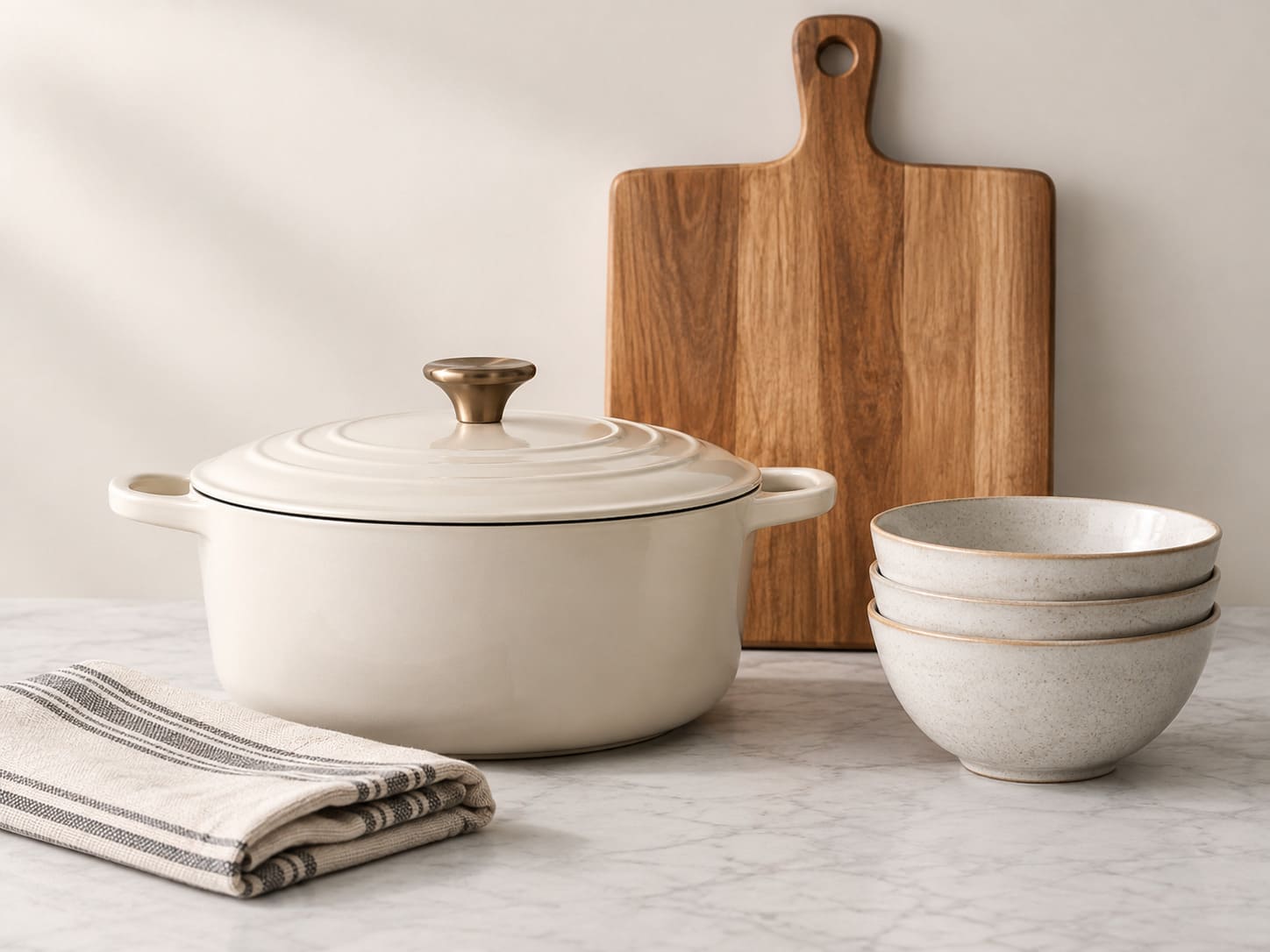
Evergreen in the literal sense. People reorganise kitchens and storage all year, and nothing in the category is seasonal enough to leave you holding dead stock in February. Reliable starting points:
- Silicone spatulas and utensils, cheap to source and easy to bundle into gift sets
- Storage bins and drawer organisers, which ride the home organisation trend without depending on it
- Cutting boards, light enough to ship profitably and bought constantly by new households
3. Office Products

Demand here is boring and steady, which is exactly what a new catalogue needs. Stationery sets sell well as colour-coordinated bundles; singles move slowly. Planners spike from October through January and then fall off a cliff, so buy for that curve or skip them. Desk organisers behave as impulse purchases and respond strongly to good photography, since the buyer is picking on looks more than spec.
4. Pet Supplies
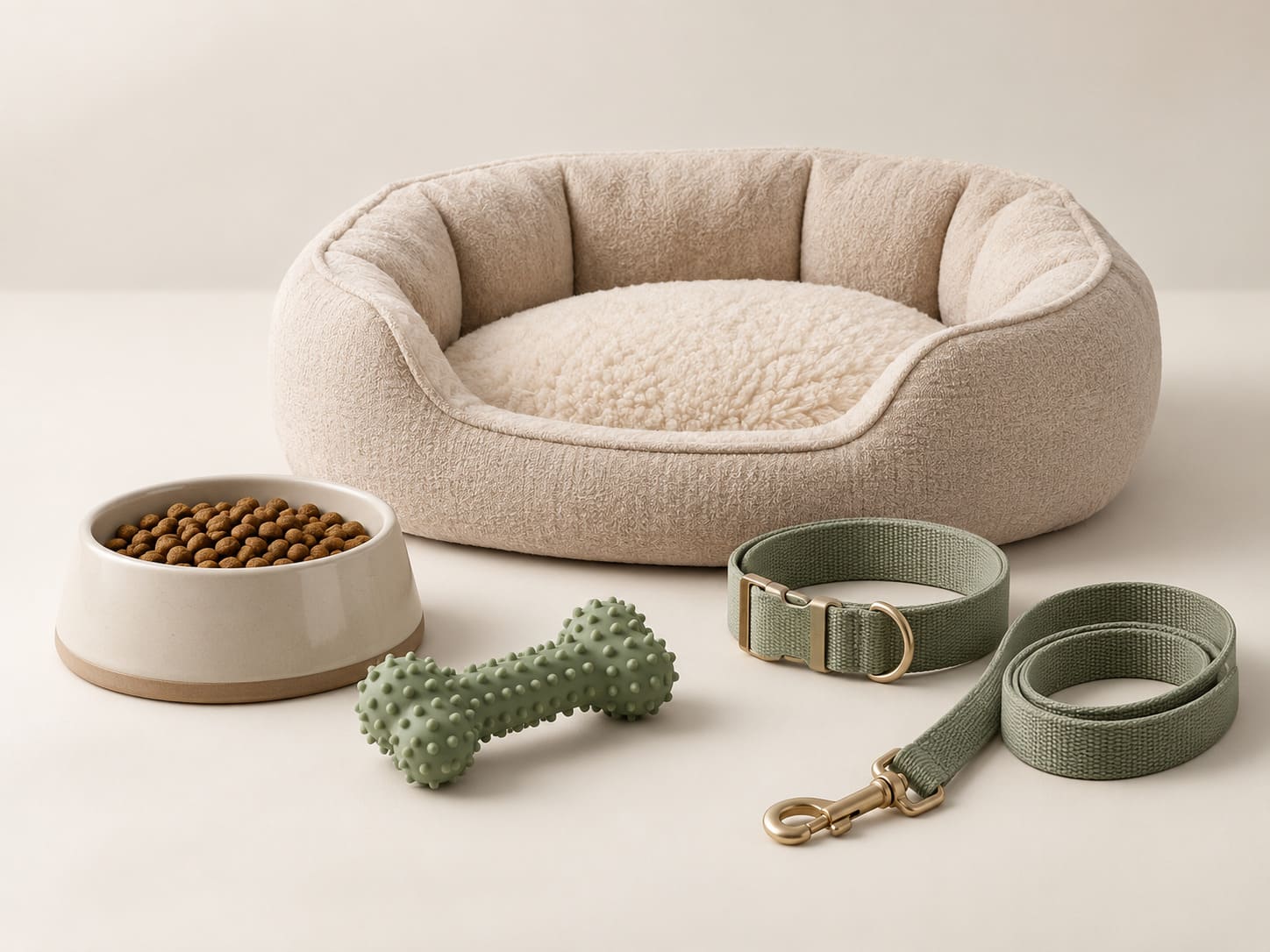
Owners rebuy relentlessly and stay loyal to anything that works, which makes this one of the better categories for building a repeat customer base. Grooming gloves, leashes, collars and feeding bowls all list freely, and design variation gives you room to differentiate without changing suppliers. If you want to get into the pet niche properly, the boundary to remember is that accessories are open while supplements, medicated shampoos and anything making a health claim are not.
5. Sports and Outdoors

Home fitness settled into a permanent baseline instead of fading, and the low-ticket end of the category moves quickly. Yoga mats stay fresh because buyers replace them on design and material long before they wear out. Skipping ropes and resistance bands are compact enough to keep shipping costs sane. Reusable water bottles benefit from sustainability habits that are now simply ordinary.
6. Tools and Home Improvement
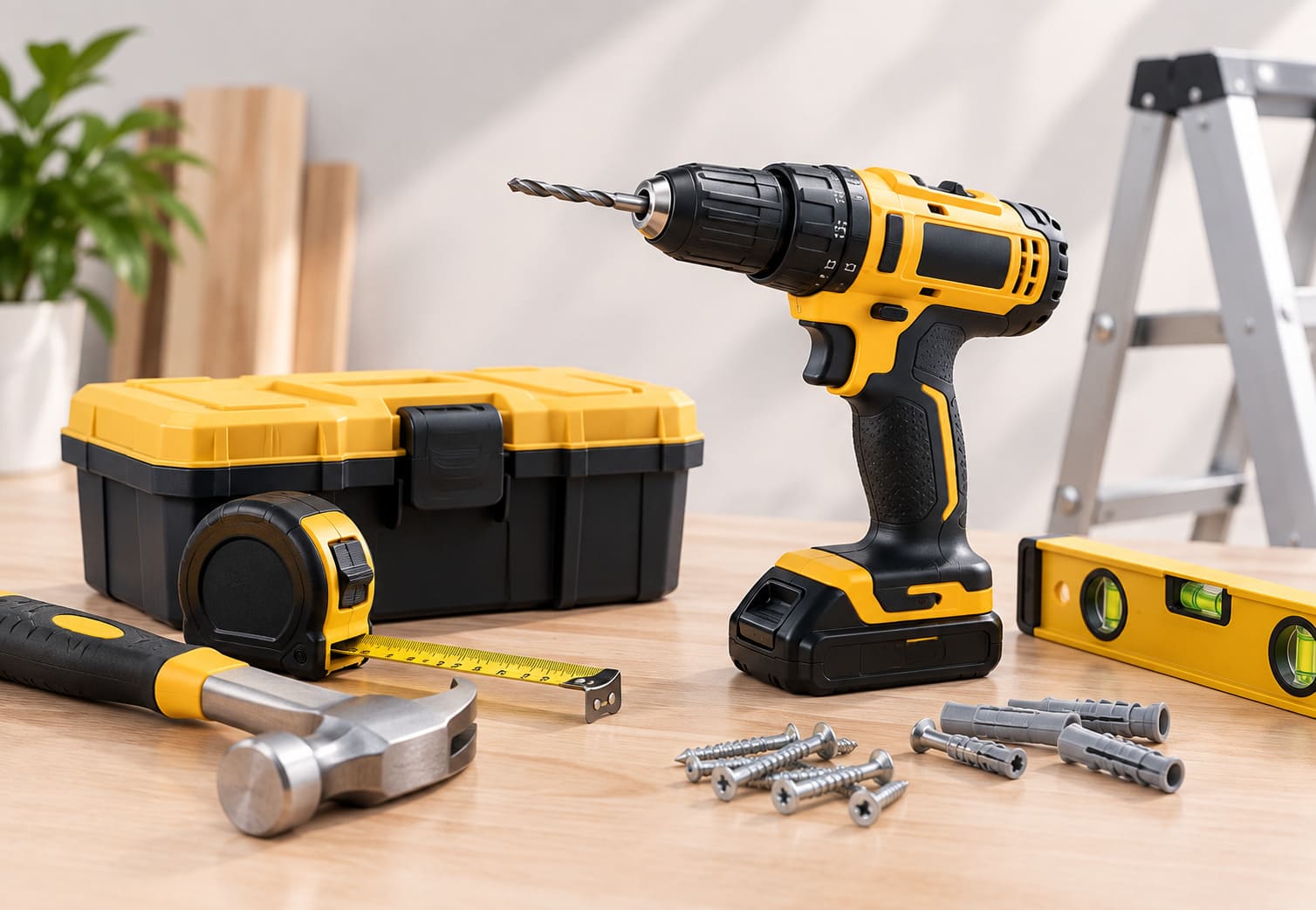
Hand tools and hardware list without approval, and the buyer here is a DIYer rather than a tradesperson, which changes what sells. Nobody on a job site is buying unbranded drivers, but apartment owners assembling furniture buy basic sets constantly. Power tools are the part to be careful with: the category is open, but the brands people actually search for are frequently gated, so build around generic and mid-market supply.
7. Industrial and Scientific

Overlooked by beginners and quietly one of the best fits for a small operation, because B2B buyers reorder on a schedule instead of on impulse. Work gloves, label rolls, safety consumables and basic lab supplies all move in bulk with little price theatre. Order values are lower per unit than consumer categories, but the repeat rate compensates and the review pressure is much lighter.
8. Electronics Accessories
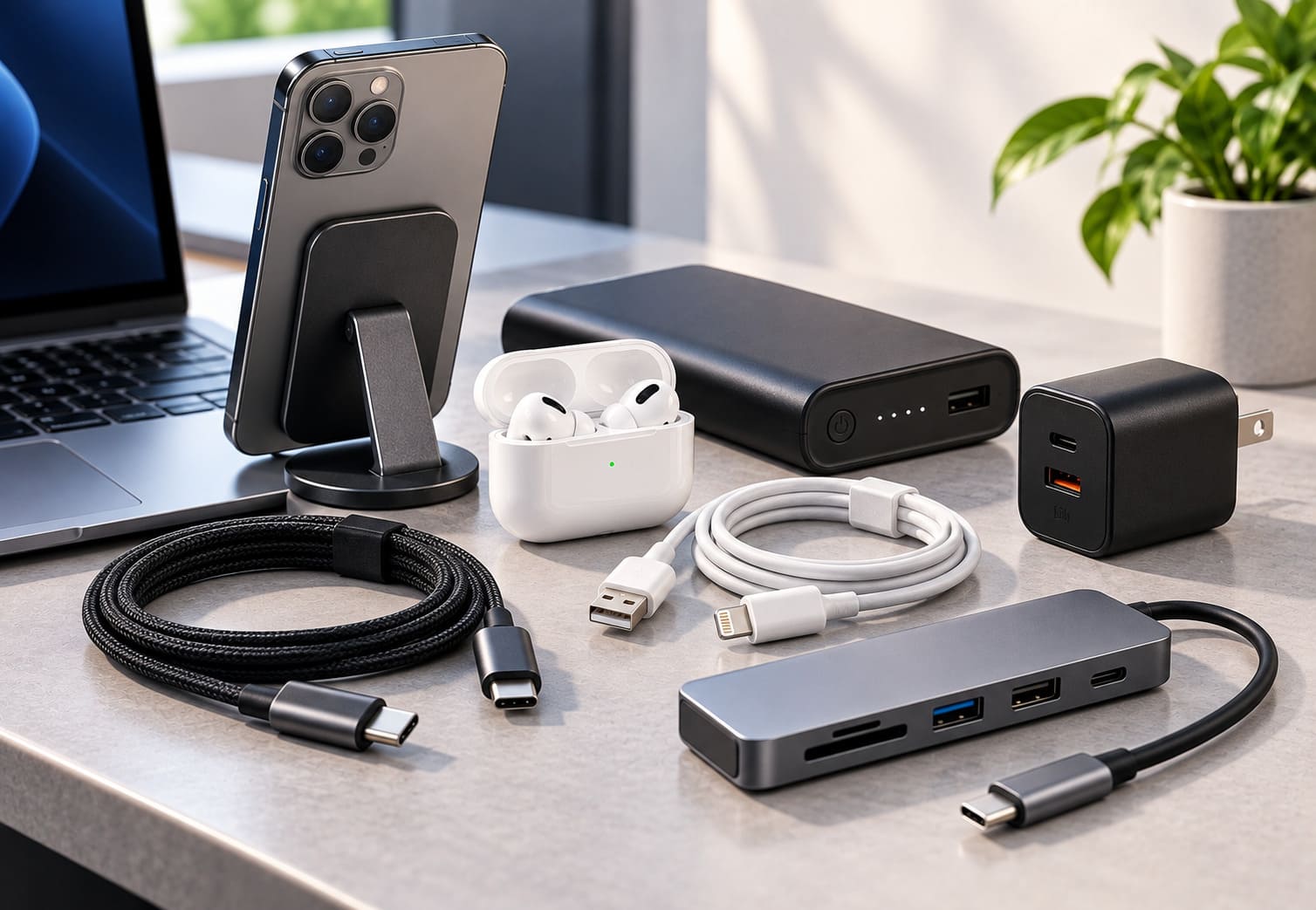
The accessory layer stays open even when the devices themselves are locked down, and that gap is the whole opportunity. Charging cables, adapters, cases and screen protectors turn over fast and cost little to test. Two constraints are worth respecting: anything containing a lithium battery brings shipping and compliance requirements, and copying a branded design is the quickest route to an intellectual property complaint.
9. Arts, Crafts and Musical Instruments

Hobby buyers research carefully and then buy in bundles, so listings that explain themselves outperform listings that just look nice. Paint brushes, craft kits and beginner supplies sell year-round with a strong gifting peak. Entry-level instruments such as ukuleles and starter keyboards sit in the same bracket: inexpensive, forgiving on quality expectations, and bought by people who do not yet know brands. Professional audio equipment is the exception and is usually brand-gated.
10. Clothing and Accessories
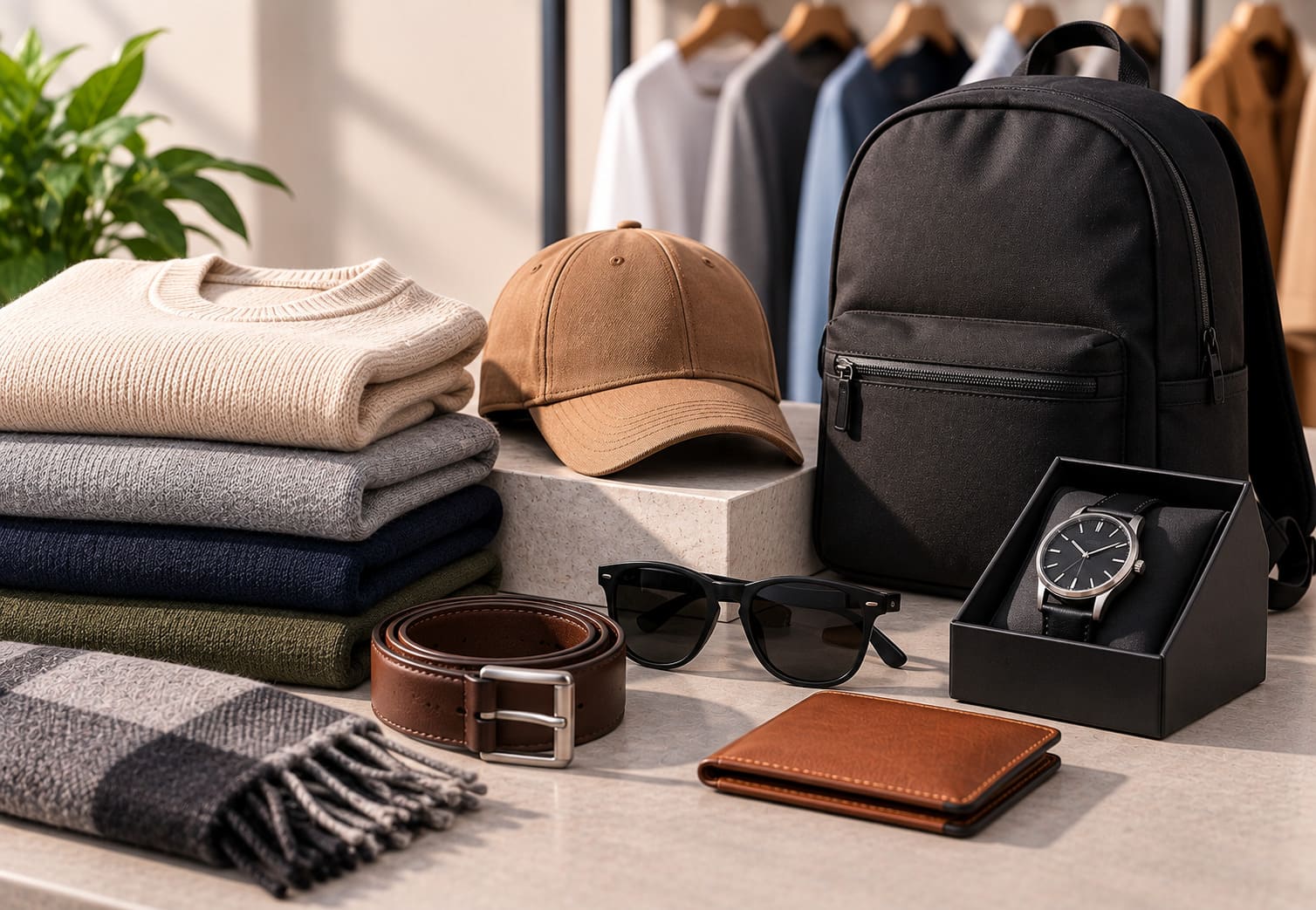
Generic apparel lists without approval, and private labelling is easier here than almost anywhere else. Plain cotton t-shirts, non-branded socks and underwear, caps, scarves and non-designer sunglasses are all open. The difficulty is not permission, it is returns: sizing drives a return rate well above most other categories, so accurate measurements in the listing do more for your margin than any pricing tactic. Narrow audiences work better than broad ones, since a cap aimed at a specific hobby competes with far fewer sellers than a plain cap does.
Categories That Are Open, but With Conditions
These three are where older guides go wrong. All of them are commonly listed as ungated, and all of them carry requirements that will stop a listing if you ignore them.
Toys and Games
This is the biggest change in the category landscape. Amazon announced that starting 3 September 2025, all children’s toys sold in its US and Canada stores require annual testing or document verification from an approved Testing, Inspection and Certification organization. Affected ASINs are surfaced through the Account Health dashboard along with the deadline.
Two practical consequences follow. Compliance is recurring rather than one-time, so a product cleared last autumn comes round again. And the documents go through an approved lab instead of being uploaded by you, which means a manufacturer’s certificate sitting in your files is no longer something you can simply submit yourself.
For arbitrage and reselling this changes the maths considerably. Puzzles, card games and other items outside the children’s toy definition remain straightforward. Unbranded children’s toys, long recommended as an easy entry point, have stopped being a beginner category, because obtaining valid testing documentation for generic imported stock is difficult and rarely worth it at small volumes.
Separately, Amazon has long applied extra holiday requirements to seller-fulfilled toy listings, based on when your first sale happened, how many orders you shipped during late summer, and your cancellation rate. The thresholds move from year to year, and they do not apply to FBA, so confirm the current version in Seller Central before planning Q4 stock.
Grocery and Gourmet Foods
Treat this one as account-dependent. Plenty of sellers list shelf-stable grocery items with no approval at all, while others are prompted to apply at category level, and the difference usually comes down to account history and the specific brand. Where it is open, it is open across a lot of ground: herbal teas, coffee, snack bars, spice blends, packaged nuts and dried fruit. Repeat purchase rates in this category are among the highest on the platform, and subscription behaviour is real.
What is not open: dietary supplements, infant formula, and anything requiring temperature control. Expiry dating is enforced strictly, particularly through FBA, where inventory arriving too close to its date gets refused at the fulfilment centre. Big-name grocery brands are also commonly gated, so the viable path here runs through private label and lesser-known suppliers.
Baby Products
Bibs, blankets, feeding accessories and soft goods list without approval and benefit from the fastest replacement cycle of any customer group, since babies outgrow things on a schedule. The line to watch is safety-critical equipment. Car seats, cribs, sleep products and anything that restrains or supports an infant carry compliance documentation requirements, and soft children’s toys sold under this category fall under the same testing regime as Toys and Games.
How to Choose the Best Ungated Products to Sell on Amazon
Eligibility and demand are unrelated questions, and the first is far easier to answer, so sellers keep mistaking it for progress. Plenty of people pick an open category, build the listing carefully, and only then discover nobody was looking for the product.
Start with the Amazon Seller App, which is built for this and lets you scan or search a product and see restrictions on your own account before you buy anything. That last part matters: eligibility is account-specific, so a friend listing an item successfully does not mean you can.
From there, demand comes before everything else. Use keyword data and product-finding tools to check that people are actually searching, then look for the combination of steady search volume and shallow competition. A product with high demand and hundreds of established reviewers is a worse bet than a quieter one where the incumbents look neglected.
Be honest about seasonality. Seasonal products are not a mistake, but they require planning the buy and the exit, and a first-time seller usually learns more from something that sells all year. Think too about which direction a product is drifting: items with safety implications or growing brand enforcement tend to move toward gating over time, and finding that out after you have committed capital is expensive.
How to Find Ungated Products on Amazon
A workflow beats a list, because the list expires and the workflow does not.
- Check eligibility first, on your own account, before you look at price. Reversing this order is the most common and most expensive mistake in the category.
- Validate demand with keyword and sales data before trusting a hunch about what feels popular.
- Test in small batches. Ten units across three products teaches you more than a hundred units of one, and the downside is capped.
- Re-check periodically. Eligibility is a snapshot, and a category you cleared in March can tighten by September.
Alongside that, a few habits prevent the failures that show up repeatedly in seller forums. Read the limitations notice before assuming it means no, because it often names a document you can actually produce. Keep listings optimised even in open categories, since low barriers mean you are competing with everyone else who also found the category easy. Keep the mechanics of your dropshipping operation tight enough that restocks are not guesswork. Track your own sales history closely enough to see which products actually make money after fees and which are merely busy, because that is the distinction separating online arbitrage that works from arbitrage that merely moves money around.
Seller Central for the region you sell in:
- USA: https://sellercentral.amazon.com/
- UK: https://sellercentral.amazon.co.uk/
- EU: https://sellercentral-europe.amazon.com/
- Australia: https://sellercentral.amazon.com.au/
Category requirements can change at any time and without notice. Treat everything above as a starting point for your own check rather than a substitute for it.
List of Gated Products on Amazon in 2026
Everything above describes where the door is open. It is worth knowing the other side too, because the closed list is shorter than the open one and it moves less, so it is the easier half to keep in your head. Amazon publishes it directly in its categories and products that require approval help page, and that page is the version to trust on the day you are checking, ahead of any blog roundup.
The categories that consistently require approval cluster around four concerns.
| Why it is gated | Categories |
|---|---|
| Counterfeit exposure | Jewelry, watches, fine art, sports collectibles, entertainment collectibles, collectible coins, postage stamps, Made in Italy |
| Safety and regulation | Alcohol, cosmetics and skin or hair care, personal safety and household products, automotive and powersports, animals and animal-related products |
| Licensing and rights | Music, DVD and Blu-ray, video, streaming media players |
| Customer experience | Services, subscription boxes, holiday selling in Toys & Games |
Amazon also maintains a separate set of products that cannot be listed at all, with no application available. Lock picking and theft devices are the usual illustration: a blank key is permitted, a bypass tool is not. The distinction is documented in Amazon’s category, product and listing restrictions guidance, and listing something from the prohibited side is one of the faster ways to lose an account.
Gated does not mean off limits forever. It means the category costs you an application, real invoices and a clean account before it pays anything, which is a poor trade in month one and a reasonable one in month twelve.
What Brands Can I Sell on Amazon Without Approval?
Amazon does not publish a list of approved brands, and any article offering one is guessing. Brand permissions are set per brand, per marketplace and sometimes per seller, so the same brand can be open to one account and closed to another with a shorter history. What you can rely on is the structure underneath, and a check you can run yourself in well under a minute.
Restrictions come in three layers. Category gating closes an entire department. Brand gating closes one label inside an otherwise open department, which is how a seller ends up free to list phone cases in general and blocked on one specific manufacturer. ASIN gating closes a single listing, and it turns up most often on high-value electronics and recent launches.
To check any brand, open Catalog, then Add a Product in Seller Central, and search the ASIN or UPC. If the result offers price and quantity, you are clear. If it shows a limitations notice, open it and read what is actually being asked for, because the requirement is sometimes a document you already have.
Two patterns hold well enough to plan around. Generic and private label goods are open by definition, since there is no rights holder to enforce a gate, and that is why unbranded inventory dominates most beginner catalogues. Widely distributed mainstream brands sit in the middle: often listable, but only with invoices from a genuine distributor. Retail receipts do not qualify, and that alone accounts for a large share of refused applications from arbitrage sellers.
What to Do If Your Category or Brand Is Gated
Sooner or later you will find a product worth selling that Amazon will not let you list. There are three sensible responses, and they suit different situations.
The first is to apply properly. Build a relationship with an authorized distributor, get invoices in your registered business name, keep account health clean, and submit. This is the right answer when the category is central to your plan and you intend to stay in it, and the wrong answer when you are still deciding what to sell.
The second is to stay in open categories and go deeper instead of wider. Most sellers never exhaust the ten categories above, and depth in one of them beats a thin presence across five.
The third is often missed. Amazon’s restrictions apply to you as a seller on Amazon, not as a buyer. An item you are blocked from listing can usually still be purchased there and sold somewhere else, which is the basis of Amazon to eBay arbitrage and the reason a gated ASIN is not always a dead end. The other marketplaces have their own restricted categories and their own dropshipping rules, so this is a different set of constraints rather than an absence of them, and it is worth reading the destination platform’s policy before committing.
The operational load is what usually stops people, since the model means watching source prices and stock, keeping listings in sync, and placing every order by hand. That work is what Easync automates. It handles sourcing from Amazon and other suppliers, creating the matching listings, repricing and stock syncing on eBay, and order fulfilment, whether you hold the stock yourself or have it shipped straight to the buyer. It also covers AliExpress to eBay and Amazon to Shopify for sellers building a second channel. If Amazon gating keeps closing off products you can source without difficulty, that is the gap it fills, and there is a free trial if you want to test the workflow before committing.
FAQ
What can I sell on Amazon without approval?
Anything in an open category that is not restricted at brand or ASIN level. In practice that covers most generic everyday goods across books, home, office, pet, sports, tools, industrial supplies, electronics accessories, craft supplies and basic apparel. Confirm the specific item in Seller Central, because eligibility is tied to your account as well as to the product.
How do I know if a product is gated on Amazon?
Go to Catalog, then Add a Product, and enter the ASIN or UPC. Price and quantity fields mean you are free to list. An application prompt or a limitations notice means the product is gated, and opening the notice shows you exactly what Amazon wants.
How do I get ungated on Amazon?
Apply through the listing page and supply what is requested. That normally means recent invoices from an authorized distributor showing your registered business details, brand authorization where the brand requires it, and an account in good standing. Professional selling plans and accurate product data help. Retail receipts and order confirmations from consumer sites are rejected.
What is auto-ungating on Amazon?
It is the informal name for an application that clears automatically without a document review, which happens for established accounts on lower-risk products. Amazon offers no such button, so treat any provider promising guaranteed instant approval as a warning sign.
Can a category become gated after I have started selling in it?
Yes, and it happens with no warning. Amazon can add requirements at category, brand or ASIN level at any point, including to products you are already selling. Re-checking eligibility before a restock takes moments and saves the occasional expensive surprise.
Do I need invoices to sell ungated products?
Not to list them. Keep them anyway. Amazon can request proof of sourcing at any point, usually after an authenticity or safety complaint, and sellers who cannot produce invoices at that moment tend to lose the listing regardless of whether the category was open.
Is it risky to sell only ungated products?
The risk is commercial, not compliance-related. Nothing about staying in open categories endangers your account. What it does limit is ceiling: with more sellers chasing the same listings, price becomes the main lever, and a catalogue built entirely on low-barrier items tends to plateau. Most sellers treat that plateau as the signal to start their first application.
Does Amazon publish a list of ungated products?
No. Amazon publishes the categories that require approval, and everything not on that list is open by default, subject to brand and ASIN restrictions. Any list of ungated products, including this one, is a reconstruction from the restricted side, which is why the check in Seller Central is the authoritative step.