
- articles
16 Best Dropshipping Platforms and Websites for Beginners in 2026
Quick answer: No platform wins outright for every beginner in 2026, but three cover most of the common scenarios. Easync works well for eBay and Amazon sellers who want order and tracking automation handled for them. Spocket fits stores that need faster US and EU shipping over rock-bottom prices. Shopify paired with DSers is still the simplest entry point for AliExpress-based stores. The right pick usually comes down to how much manual order work someone is willing to take on each week, not price alone.
Launching quickly and hoping for the best doesn’t work anymore. Advertising costs have climbed, marketplaces enforce their policies more strictly, and customers expect faster shipping than they did a few years ago, which has changed what “beginner-friendly” even means. A platform earns that label in 2026 by keeping the interface simple, minimizing upfront costs, and surfacing trending products without much manual digging. What separates the platforms that last from the ones sellers abandon after a month is usually how much operational risk gets taken off the seller’s plate from day one.
This guide walks through the 16 best dropshipping platforms and websites for beginners in 2026, covering pricing, features, and the pros and cons that tend to get glossed over in marketing copy. For sellers comparing the best dropshipping platforms and suppliers 2026 has to offer side by side, the comparison table further down is the fastest way to narrow sixteen options down to two or three worth a closer look. The guide also covers what actually makes a dropshipping business work once the platform decision is out of the way. Everything here is written from a practical, long-term angle rather than chasing whatever’s trending this week.
Key Takeaways for Dropshipping Platforms
- Process control matters more than product access for beginners in 2026. Automating fulfillment and inventory tracking is what prevents the early mistakes that get accounts flagged or suspended.
- A platform that pairs automation with supplier reliability usually beats a cheaper, manual alternative once you factor in the hours saved and the errors avoided.
- Compared with best dropshipping platforms 2025 rankings, fewer sellers are betting everything on one AliExpress-only tool this year. More are picking platforms that bundle supplier vetting with automation from the start, largely because marketplaces have tightened enforcement.
- Easync is worth a closer look for beginners specifically, since it offers structure and room to grow without demanding much technical background going in.
Introduction to Dropshipping
In dropshipping, a retailer sells products it never physically stocks. Store owners partner with suppliers who handle warehousing and ship orders directly to the customer, which removes one of the biggest costs of starting a traditional retail business. That frees up time and capital for the parts of the business that actually move the needle: picking the right products, building a brand, and reaching new customers. Choosing among the best dropshipping platforms today mostly comes down to weighing automation depth against budget, since the underlying business model barely changes from one platform to the next. What does change is how much of the operational grind gets automated, and for a beginner, that’s usually the deciding factor. Testing products quickly and dropping the ones that don’t sell is part of why the model keeps attracting new entrepreneurs every year, even as competition increases.
Benefits of Dropshipping
The appeal of dropshipping comes down to a handful of practical advantages rather than any single killer feature. Chief among them: dropshipping no upfront cost means a retailer never has to buy inventory before making a single sale, which removes the biggest financial barrier that stops most people from starting a retail business. That alone lets store owners test a wider range of products than they could afford to stock physically. Suppliers handle warehousing and fulfillment, so the time that would otherwise go into inventory management can go into marketing and customer service instead, where it usually has more impact on revenue. Products can also be added or dropped from a store within minutes, which matters more than it sounds; a slow-moving catalog is one of the quieter reasons dropshipping stores stall.
Starting a Dropshipping Business
Getting a dropshipping business off the ground starts with research, not a storefront. Finding suppliers who deliver quality products at prices that leave room for a margin comes first. Dropshipping platforms like AliExpress or directories such as SaleHoo make that search faster by connecting sellers to suppliers who’ve already been vetted to some degree. Once a supplier relationship is in place, the store itself needs a home, and Shopify or WooCommerce cover most beginners’ needs without requiring custom development. The part that trips people up isn’t usually the store setup; it’s making sure the store and the supplier talk to each other cleanly, so an order placed by a customer actually reaches the supplier without manual copy-pasting. Get that integration right, and the rest of the business is mostly about product selection and marketing.
Best Dropshipping Suppliers for Beginners
A full automation platform isn’t the right starting point for everyone. Some beginners are better off starting with a supplier directory and adding automation later, once a product has actually proven it sells. Among the best dropshipping suppliers for beginners, SaleHoo is the lower-pressure option: it’s built around vetting rather than order automation, so there’s less to learn upfront. NicheDropshipping and CJdropshipping suit a different kind of beginner, one who wants a sourcing partner that can also handle quality inspection or private labeling once a product starts moving. The distinction worth remembering is that a supplier directory helps you find who to buy from, while a platform like Easync or AutoDS automates what happens after a customer places the order.
Product Quality and Shipping
Product quality and shipping speed decide whether a customer comes back or leaves a bad review, so neither one is optional. Suppliers vary wildly in both, which is why vetting matters more than it might seem when a catalog is full of similar-looking items. Fast shipping options like ePacket or USPS make a visible difference to customer experience, especially compared to the multi-week delivery windows that gave early dropshipping a bad reputation. A supplier that’s consistent on both quality and delivery time also cuts down on returns and support tickets, which quietly eat into margins more than most sellers expect. None of this is glamorous work, but it’s the part of the business that determines whether customers trust a store enough to buy from it twice.
Marketing and Promotion

A well-run supply chain doesn’t sell itself; traffic and trust still have to be earned. Social media campaigns, email marketing, and paid ads remain the main levers for driving people to a new store, and most successful dropshippers lean on more than one of these at once rather than betting everything on a single channel. Brand identity matters here too. A store that looks generic competes on price alone, while one with a consistent voice and visual style can charge more and still convert. Promotions and competitive pricing help move first-time buyers to check out, but repeat customers usually come from the experience after the sale, not the discount that got them there in the first place.
Before ranking the top dropshipping platforms individually below, here’s how all sixteen compare side by side on pricing, best-fit use case, free-plan availability, and beginner friendliness.
| Platform | Best For | Key Features | Pricing (Starting, regular monthly rate) | Free Plan | Beginner Friendliness |
|---|---|---|---|---|---|
| Easync.io | eBay, Amazon dropshipping automation | Supplier discovery, auto-ordering, tracking sync, repricing | $49.99/month | No | ⭐⭐⭐⭐⭐ |
| Shopify + DSers | AliExpress-based stores | Store builder, bulk ordering, app ecosystem | $39/month (Shopify Basic) + apps | No | ⭐⭐⭐⭐ |
| AutoDS | Automation-focused beginners | Price & stock monitoring, auto-ordering | From $19.90/month (varies by selling channel) | No | ⭐⭐⭐⭐ |
| Spocket | US & EU suppliers | Fast shipping, curated suppliers | $39.99/month | Yes (browse only) | ⭐⭐⭐⭐ |
| Zendrop | Brand-focused beginners | Custom branding, faster shipping | $49/month (Free tier for research only) | Yes (browse only) | ⭐⭐⭐⭐ |
| NicheDropshipping | Flexible sourcing & fulfillment | Product sourcing, private labeling, global warehouses | Custom pricing | N/A | ⭐⭐⭐⭐ |
| CJdropshipping | Flexible sourcing & fulfillment | Global & local warehouses, sourcing service | Free + paid services | Yes | ⭐⭐⭐ |
| BigBuy | EU-based dropshipping | Wholesale catalog, EU logistics | From €69/month + one-time €90 registration fee | No | ⭐⭐⭐ |
| SaleHoo | Supplier research | Vetted supplier directory, training | $67/year | No | ⭐⭐⭐ |
| Printful | Print-on-demand | No inventory, automated fulfillment | Free + product cost | Yes | ⭐⭐⭐⭐ |
| Printify | POD with multiple suppliers | Multiple print partners, flexible pricing | Free / $39/month (Premium) | Yes | ⭐⭐⭐ |
| Inventory Source | Wholesale automation | Inventory sync, auto purchase orders | $99/month | No | ⭐⭐⭐ |
| Avasam | Marketplace sellers | Supplier aggregation, automation | £19.99/month + VAT | No | ⭐⭐⭐ |
| Syncee | Multi-supplier access | Product import, inventory sync | Free tier / paid from ~$39.99/month | Yes | ⭐⭐⭐ |
| Modalyst | Branded products | US brands, faster shipping | Free (Hobby) / $35/month entry paid tier (Start-Up) | Yes | ⭐⭐⭐ |
| WooDropship | WooCommerce users | AliExpress import, order management | One-time fee | Trial | ⭐⭐⭐ |
1. Easync — Best Overall for Beginners
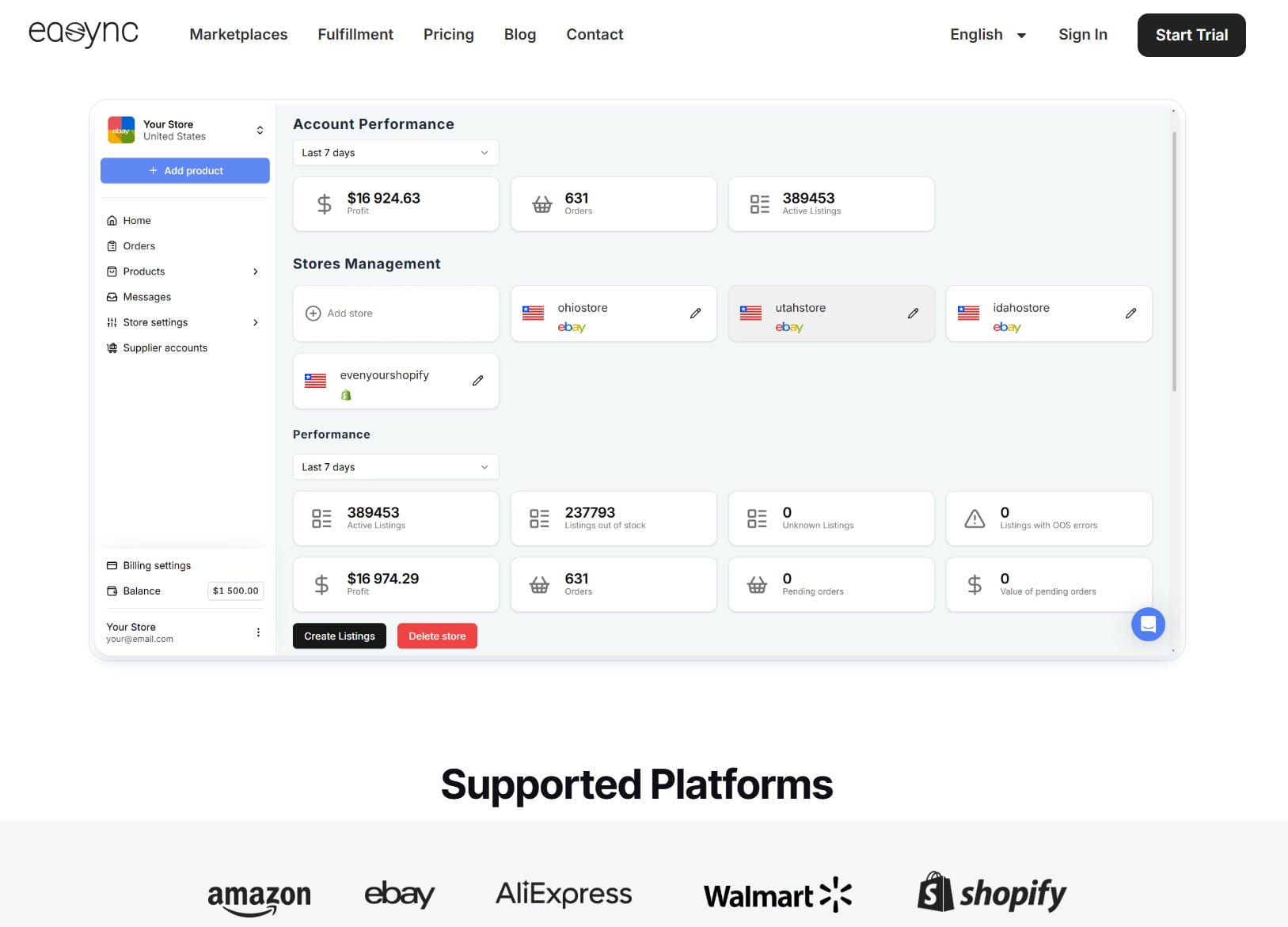
Easync.io treats dropshipping as a business system rather than just a place to browse products. Suppliers, orders, and tracking all live in one dashboard instead of across a dozen browser tabs, and Easync handles product importing, inventory monitoring, order processing, and tracking sync as one connected workflow. That matters practically because it lines up with what eBay and Amazon expect from sellers on compliance and shipping updates, which is where a lot of manual dropshippers get tripped up.
New sellers get guided through product research, supplier optimization, and order automation rather than being dropped into a blank dashboard. Pricing starts at $49.99/month and scales with listing volume instead of by marketplace, so a seller running both eBay and Amazon isn’t paying for two separate subscriptions.
Pros: strong automation, reduced human error, scalable from day one.
Cons: less suitable for sellers who want full manual control over every order.
2. Shopify + DSers — Best for AliExpress-Based Beginners
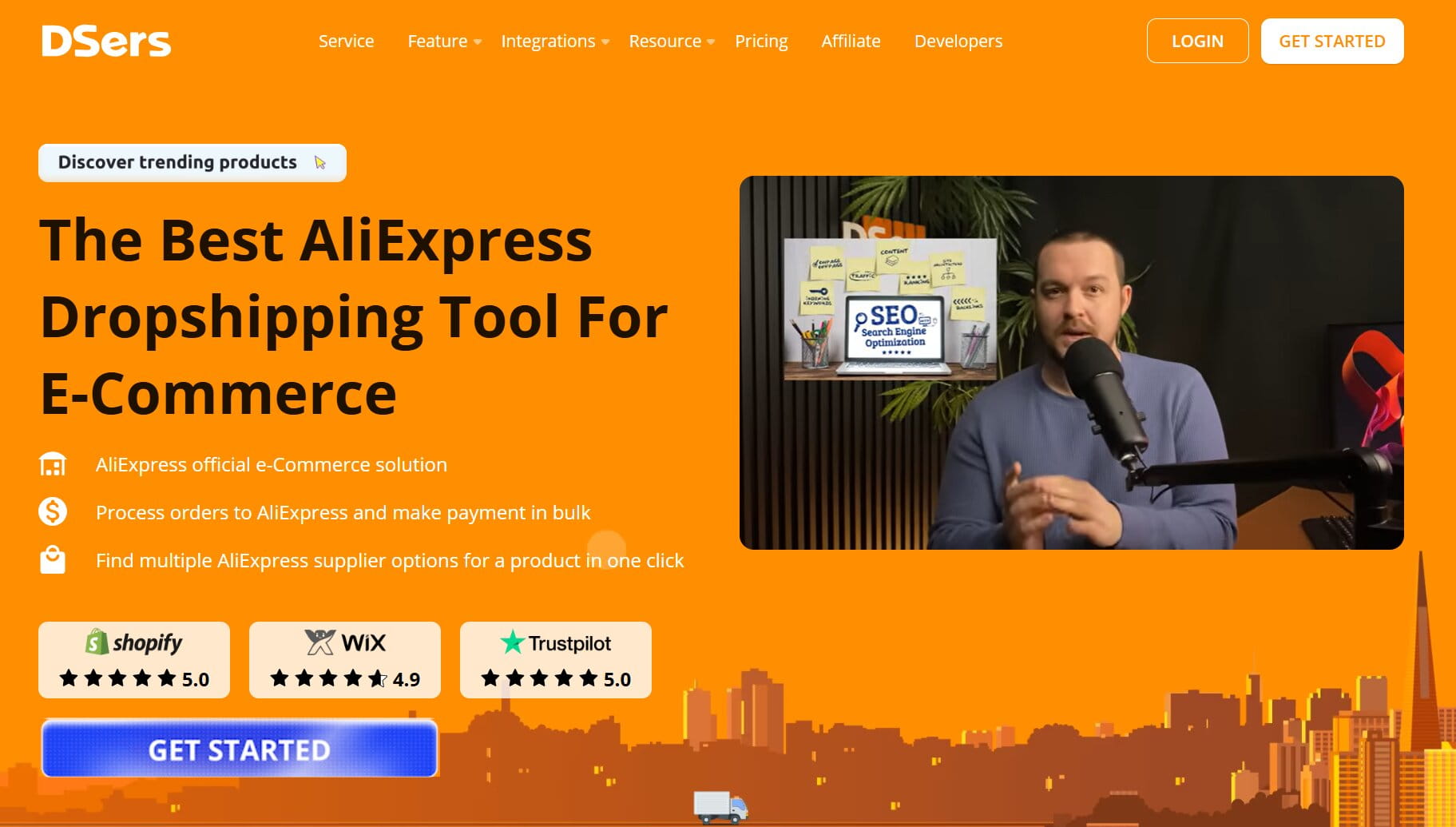
Shopify is still one of the easiest ways into dropshipping, particularly once DSers is added for AliExpress sourcing. DSers itself costs nothing to start on its Basic plan, and the core AliExpress import and bulk-ordering tools work without a subscription; sellers who need heavier automation can move up to DSers’ own Advanced ($19.90/month), Pro ($49.90/month), or Enterprise ($499.90/month) tiers, on top of whatever Shopify itself costs. Store setup on Shopify’s side is genuinely simple; the app ecosystem covers most of what a beginner needs without custom code.
The catch in 2026 is that AliExpress shipping times and consistency still swing widely between suppliers, so this combination carries more risk than a curated supplier network unless product research is done carefully. Shopify’s Basic tier runs $39/month on its own, before a single app gets added, and app costs pile up faster than most first-time sellers budget for.
Pros: simple to set up, backed by a large app ecosystem.
Cons: supplier reliability depends heavily on AliExpress choices.
3. AutoDS — Automation-Focused Entry Platform
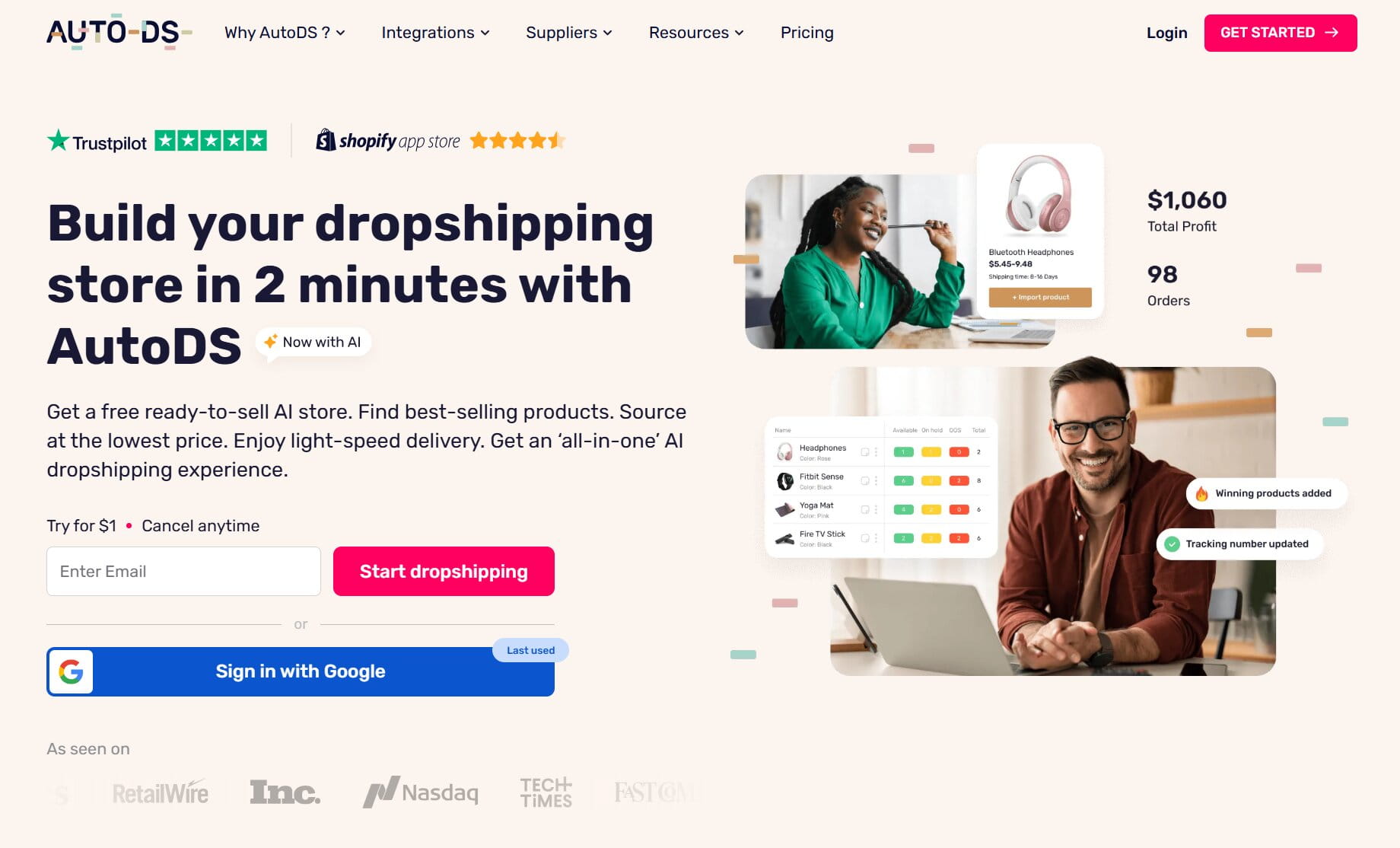
AutoDS bills itself as an all-in-one automation tool, and for the most part it delivers on that: product importing, price and stock monitoring, and optional auto-ordering all run without much day-to-day input. That’s a real time saver for a new seller who’d otherwise be checking supplier stock manually every morning.
Where it gets confusing is pricing. The entry-level Import tier runs $26.90/month on most channels, including Shopify, eBay, Facebook, Wix, WooCommerce, and Etsy, but Amazon is priced separately and starts at $64.90/month for that same tier. The Starter plan one step up ranges from roughly $39.90 to $89.90/month depending on channel, and Advanced runs $66.90 to $149.90/month; Enterprise is quoted custom. The automation itself is solid; supplier quality is still whatever the underlying source provides, so AutoDS doesn’t fix a bad supplier relationship on its own.
Pros: strong automation, broad supplier support.
Cons: learning curve and channel-dependent pricing complexity.
4. Spocket — EU and US Supplier Focus
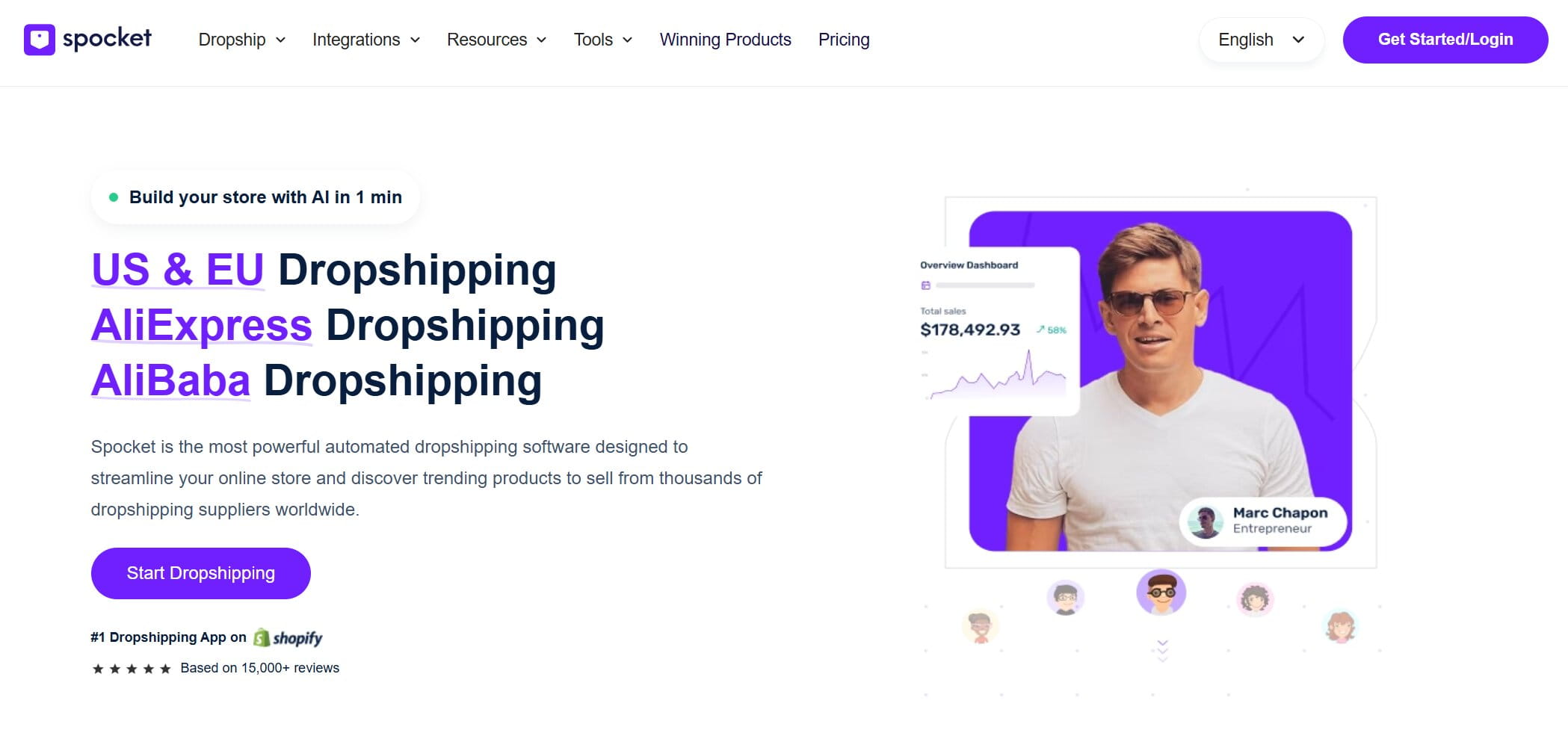
Spocket is built around a different trade-off than most of the platforms on this list: slower catalog growth in exchange for faster delivery. Its supplier network leans toward the US and EU, which lines up better with what customers expect in 2026 than a pure AliExpress catalog does. Spocket also tends to keep shipping timelines more predictable, which matters more for repeat purchases than a slightly lower price point.
That reliability isn’t free. Plans start at $39.99/month for the Starter tier, noticeably higher than AliExpress-based tools, but the margin trade-off is usually worth it once return rates and customer complaints are factored in.
Pros: faster shipping, higher-quality suppliers.
Cons: less room to compete on price against AliExpress-based stores.
5. Zendrop — Beginner-Friendly With Branding Options
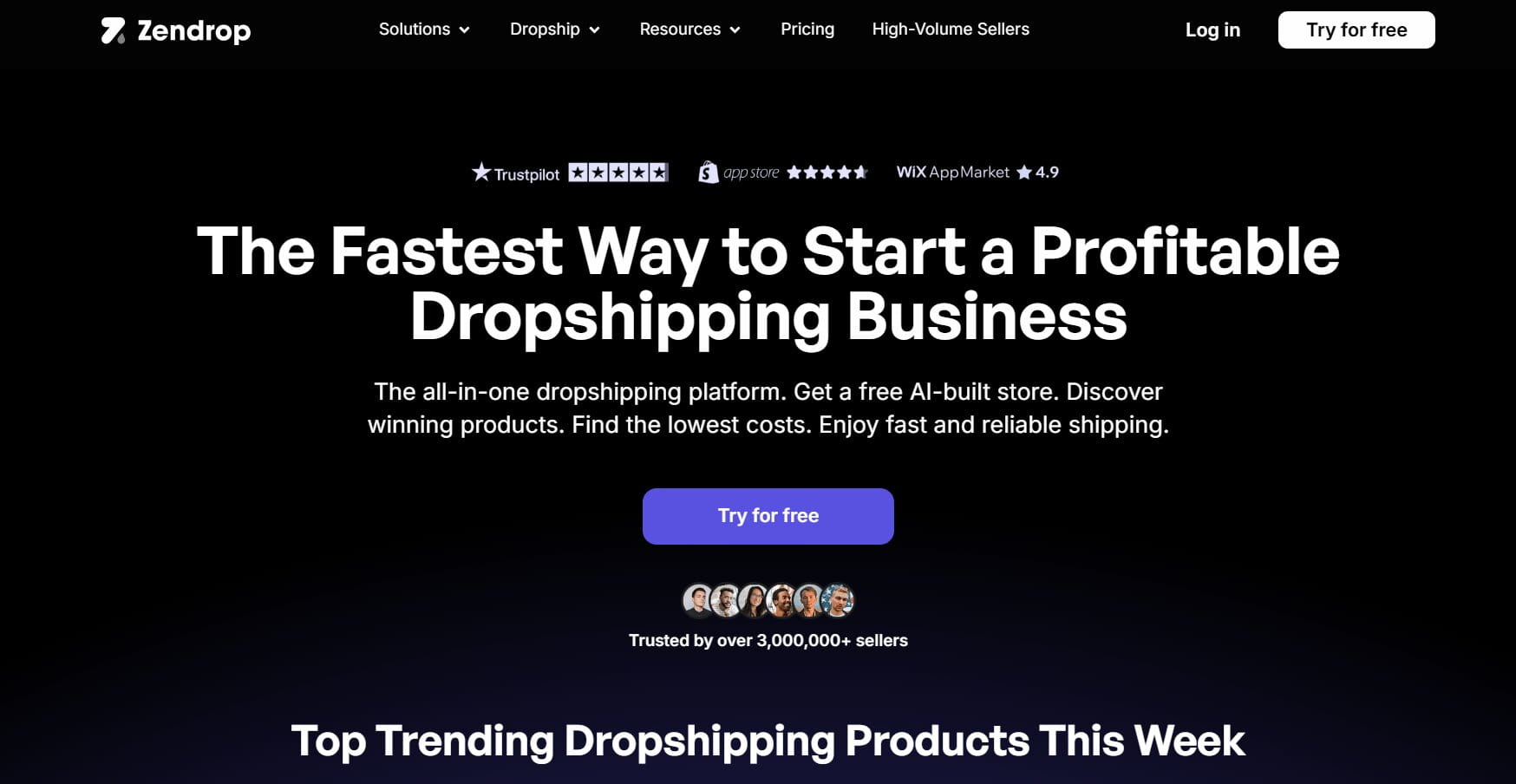
Zendrop’s pitch is simplicity plus branding, and it holds up reasonably well on both counts. Shipping tends to be faster than generic sourcing platforms, and the checkout and packaging experience feels less like a random overseas parcel. Store owners can put their own branding on packaging inserts, which is a small detail that makes a bigger difference to repeat-purchase rates than most beginners assume. A free tier exists for browsing the catalog and researching products, though actually importing and fulfilling orders requires stepping up to a paid plan.
That paid plan starts at $49/month for Pro, or $79/month for Plus, which adds order credits, coaching calls, and access to Zendrop’s own AI and academy tools on top of what Pro covers. Margins here run tighter than on a bare-bones AliExpress setup either way. Zendrop still makes sense for beginners who’d rather get the customer experience right than test dozens of products quickly.
Pros: good UX, improved shipping options, free research tier.
Cons: fewer suppliers to choose from than catalog-heavy competitors.
6. NicheDropshipping — Full-Service Sourcing and Fulfillment Partner
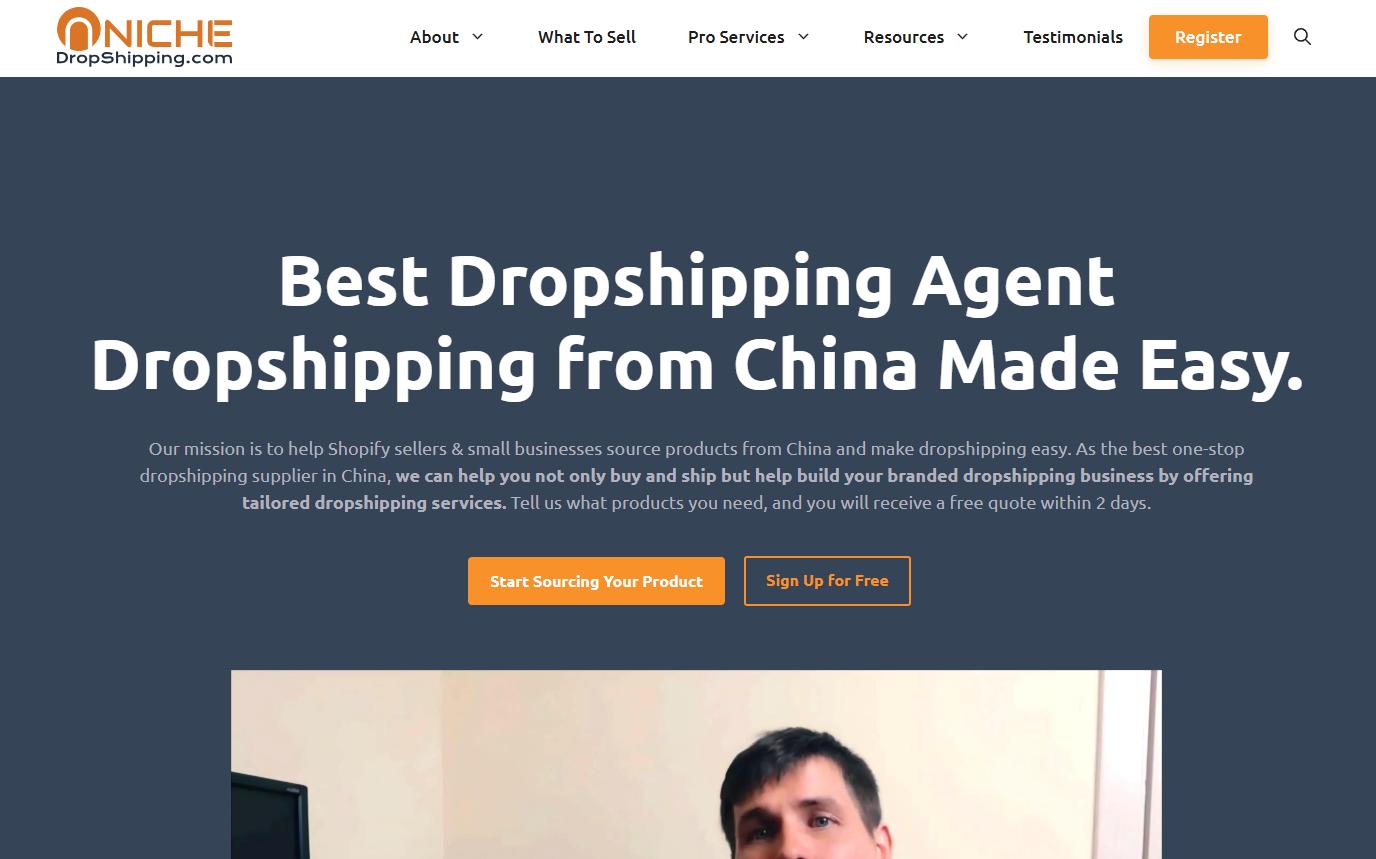
NicheDropshipping works more like a sourcing agent than a self-serve platform. Product sourcing, quality inspection, packaging, shipping, and order tracking are all handled on a seller’s behalf, which opens up product options that aren’t limited to whatever’s sitting in a fixed catalog somewhere. The sourcing service itself carries no fixed monthly fee, so it lands squarely in dropshipping no upfront cost territory: the only charges come from the products and shipping once an order actually goes out.
Warehouses in China, the United States, Germany, the United Kingdom, and Poland give it real flexibility for global fulfillment, and sellers keep meaningful control over sourcing and logistics decisions despite the hands-off day-to-day involvement.
Pros: full-service sourcing, global warehouse network, no fixed monthly fee
Cons: less automated than plug-and-play platforms
7. CJdropshipping — Flexible Sourcing and Fulfillment
CJdropshipping bundles sourcing, warehousing, and fulfillment under one roof, and there’s no subscription fee required to start testing products. That makes it another genuine dropshipping no upfront cost option: sourcing and account setup cost nothing until an actual order needs fulfilling, and inventory can move to local warehouses once a product proves itself.
Optional Prime membership tiers exist on top of the free account, running $15.99/month for Plus, $19.99/month for Prime, and $59.99/month for Advanced. These mostly buy more daily sourcing requests and access to better-vetted products rather than unlocking core fulfillment features, so skipping them entirely is a reasonable choice for a beginner still testing products.
Performance does vary by warehouse location, so keeping an eye on fulfillment times by region is worth the effort rather than assuming consistency across the board.
Pros: fulfillment flexibility, sourcing help, nothing mandatory to pay for.
Cons: fulfillment speed depends heavily on which warehouse ends up handling the order.
8. BigBuy — EU-Centric Beginner Option
European beginners tend to gravitate toward BigBuy for reasons that have nothing to do with marketing: EU-based logistics, structured data feeds, and shorter delivery windows than most overseas alternatives. Invoicing is cleaner too, which matters more once tax season rolls around than it does at launch.
The cost structure needs a closer look than the headline number suggests. BigBuy actually runs three packs: a free B2B Pack aimed at wholesale buyers and distributors rather than typical dropshippers, an Ecommerce Pack at €89/month built for online stores, and a Marketplace Pack at €119/month for sellers listing on Amazon, eBay, and similar channels. Every pack, including the free one, carries a one-time €89 setup fee that’s separate from the monthly cost rather than folded into it. For a beginner running a standard dropshipping store, the Ecommerce Pack is the realistic starting point, not the free tier.
Pros: EU compliance, reliable logistics.
Cons: setup fee applies even on the free B2B tier, and moderate margins compared to retail arbitrage.
9. SaleHoo — Research-First Platform
SaleHoo isn’t a fulfillment tool at all; it’s a supplier directory, and that’s precisely its value. Beginners can research and validate a wide range of vetted suppliers before committing to any one of them, which is a lower-stakes way to start than jumping straight into an automation subscription. That positioning makes it one of the more approachable best dropshipping suppliers for beginners who want to understand the supplier landscape before automating anything.
There’s essentially no order automation built in, which is fine given what SaleHoo is actually for. The Starter plan runs $9/month, billed annually, which is a lower entry point than it used to be; a Pro tier at $49/month, also billed annually, adds more Shopify store connections and unlimited supplier contacts, while Enterprise is quoted on request.
Pros: supplier vetting, educational resources.
Cons: lacks built-in fulfillment automation.
10. Printful — Best for Custom Products
Printful’s print-on-demand model sidesteps inventory risk entirely, since nothing gets produced until a customer actually orders it. Tracking and fulfillment are predictable enough that a beginner can offer a genuinely wide range of products without worrying about consistency between orders. The platform itself costs nothing to join, which makes it dropshipping no upfront cost in about as pure a form as this list gets: the only money that changes hands happens after a customer has already paid.
Per-item costs run higher than bulk-sourced alternatives, but the reliability tends to justify it.
Pros: no inventory risk, consistent quality, free to join.
Cons: lower margins for generic designs.
11. Printify — Flexible POD Network
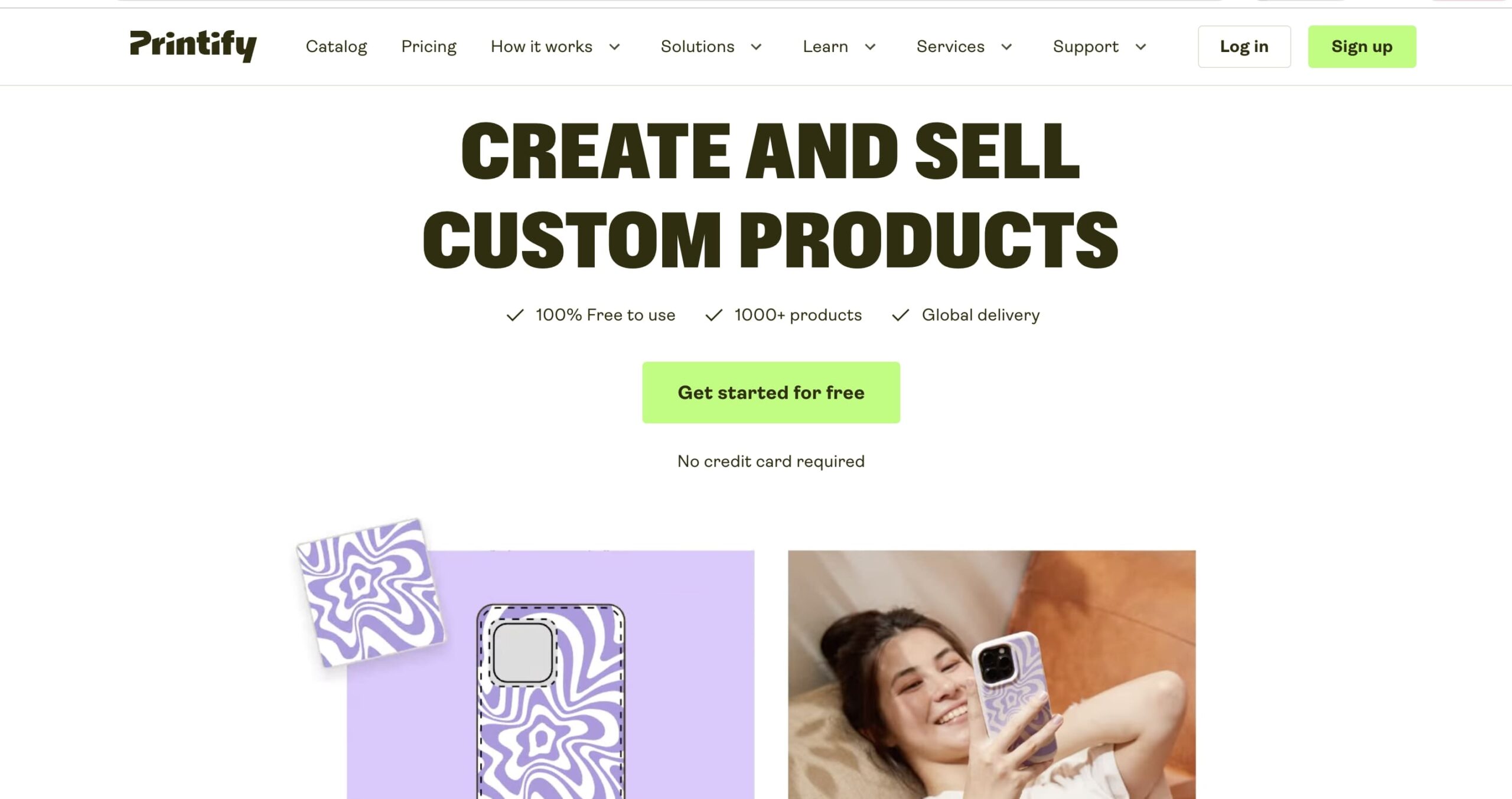
Printify connects sellers to multiple print partners rather than locking them into one, which opens up room to shop around on cost. It also plugs into a range of sales channels, so a single catalog can reach several marketplaces without duplicate setup work.
The Free plan is still available at $0/month with up to five connected stores, so trying the platform out is dropshipping no upfront cost right up until the Premium discounts become worth paying for. Speaking of which, the Premium tier, which knocks up to 20% off catalog pricing, went from $29 to $39 per month on monthly billing back in February 2026; the annual rate stayed put at $24.99/month through that change. Quality varies enough by print provider that testing before committing to a bestseller is worth the extra step.
Pros: flexible pricing, multiple production locations, generous free tier.
Cons: inconsistent quality if not managed carefully, and the recent Premium price increase narrows its cost advantage over Printful.
12. Inventory Source — Wholesale Automation
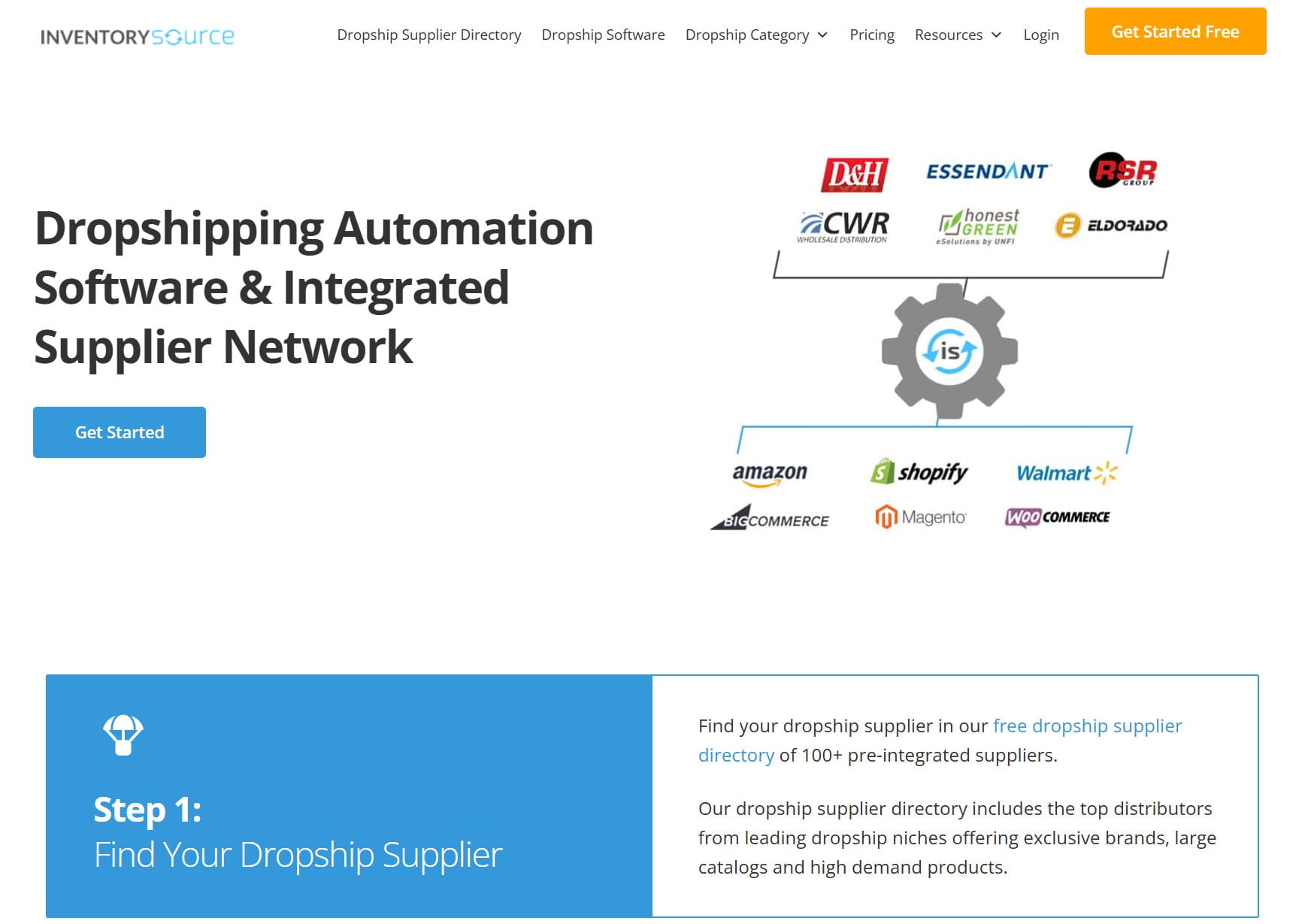
Inventory Source is built for wholesale dropshipping relationships that are meant to last, with automated purchase orders doing the heavy lifting once a supplier connection is set up. It’s a better fit for sellers planning to stick with a small number of suppliers long-term than for anyone still testing dozens of products, and it covers the deeper end of wholesale operations that trend-chasing tools tend to skip.
A Free Forever tier lets a seller browse the supplier directory, preview product feeds, and pull supplier contact details at no cost, so researching the supplier landscape here is dropshipping no upfront cost too. Actual automation is a separate purchase: the Starter software plan runs $199/month for two integrations, with Full Automation plans (handling inventory, orders, and shipping end to end) starting at $299/month. Getting set up takes more effort than a plug-and-play tool would, and the price gap between browsing suppliers for free and running full automation is steep.
Pros: stable supplier relationships, genuinely free supplier directory.
Cons: higher setup complexity, and automation itself is priced well above most tools on this list.
13. Avasam — Marketplace-Oriented Beginners
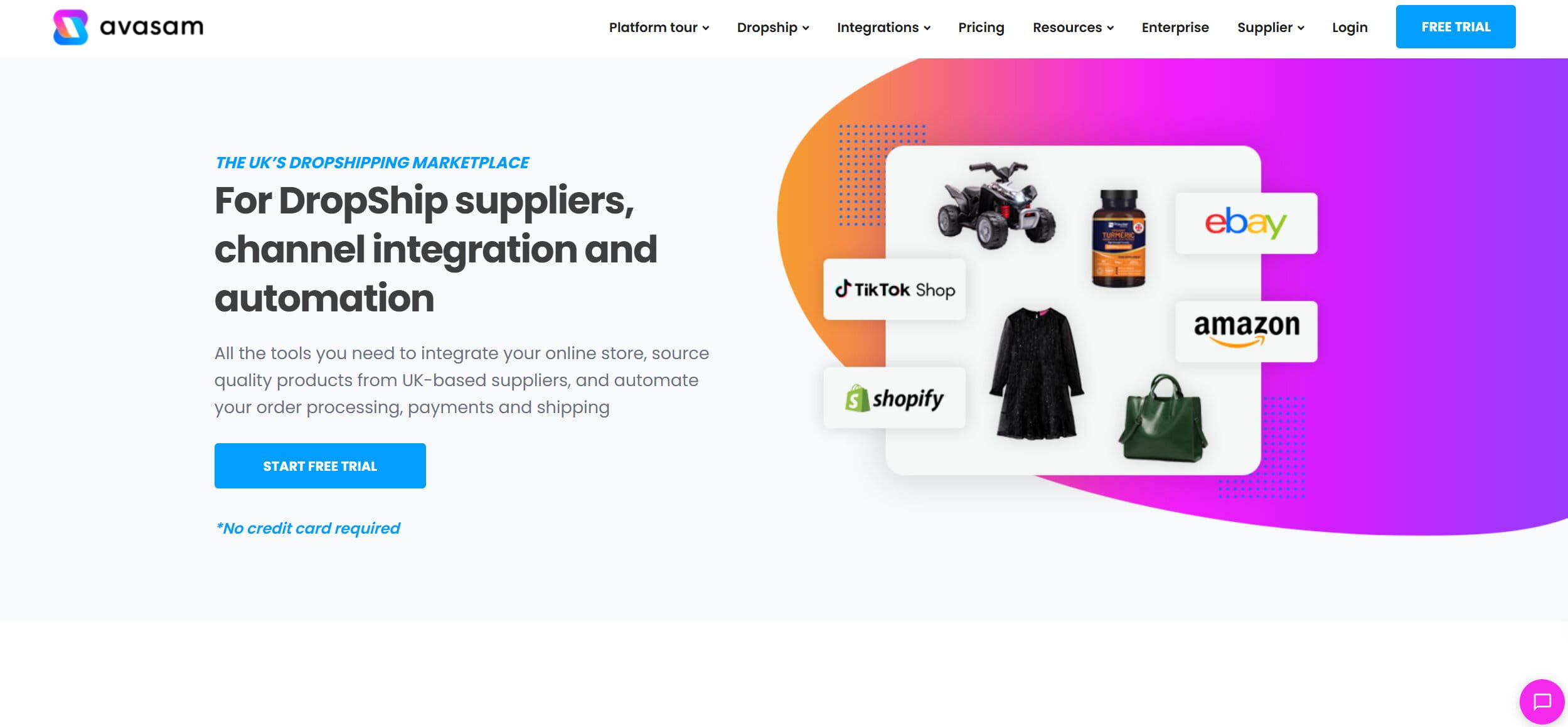
Avasam pulls suppliers together under one automated layer aimed squarely at marketplace sellers, and the structured workflows it provides give beginners a clearer path than piecing together suppliers on their own. A free tier exists for browsing the catalog before committing to anything.
Paid plans start at $35.99/month for Starter and climb through Advanced, Business, and Guru tiers up to $359.99/month, with each step up raising limits on marketplace integrations, listings, and AI credits rather than unlocking entirely different features. As with most supplier aggregators, quality isn’t uniform across the board, so ongoing monitoring is part of the deal rather than a one-time setup task.
Pros: marketplace-focused, automation support, usable free tier.
Cons: supplier quality swings from one listing to the next.
14. Syncee — Multi-Supplier Access
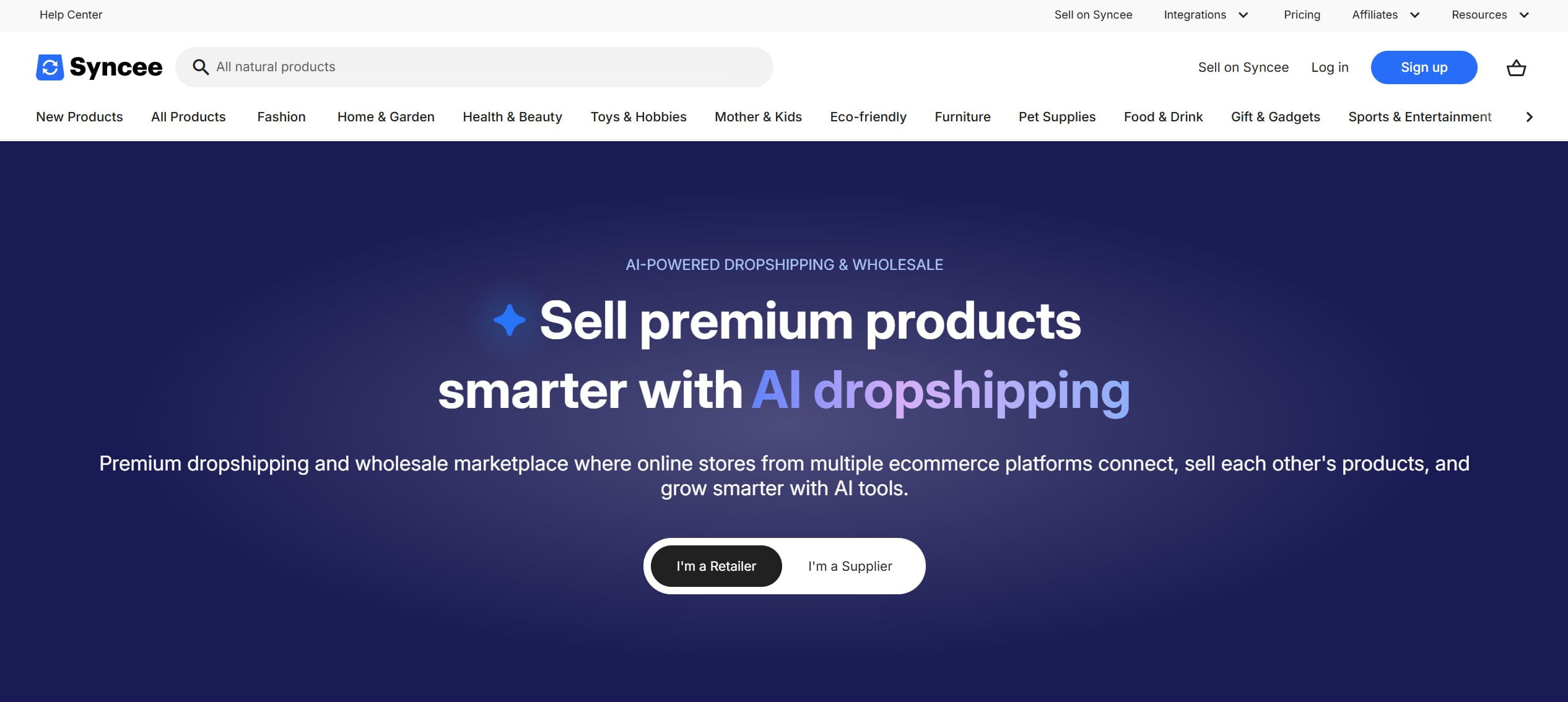
Syncee’s main draw is breadth: global suppliers accessible through one import and update system rather than juggling several separate tools. A free tier covers browsing and small catalogs, making the initial trial dropshipping no upfront cost until product volume justifies moving up to paid plans starting at around $39.99/month for higher limits and deeper automation. It also plays reasonably well with other tools in this space, including DSers, Spocket, and Importify, which helps beginners widen their sourcing options without abandoning whatever setup they already have.
Supplier vetting is still on the seller, regardless of which plan tier gets chosen.
Pros: wide supplier access, usable free tier.
Cons: inconsistent supplier reliability.
15. Modalyst — Branded Product Focus
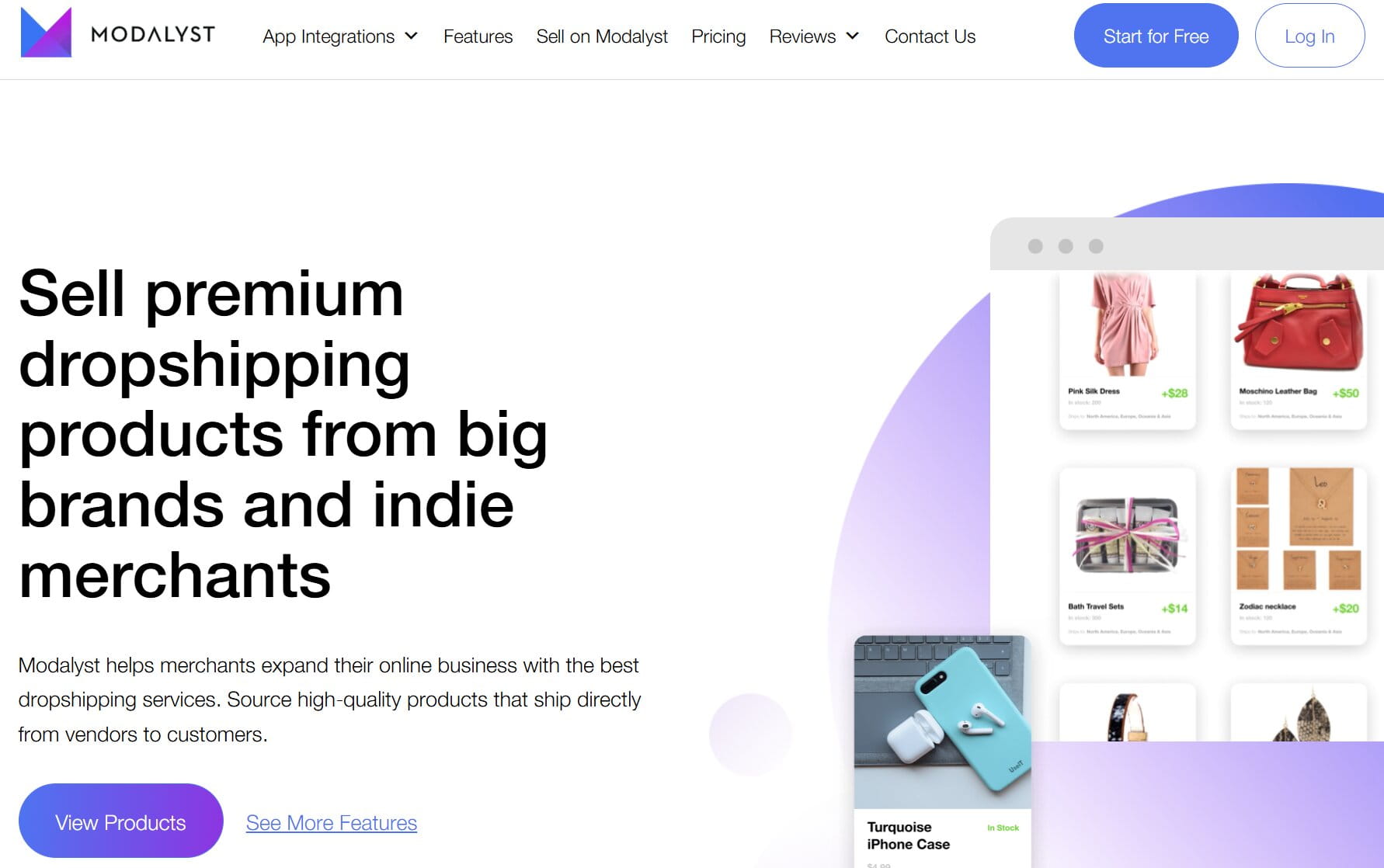
Modalyst leans into branded and higher-quality products rather than the generic catalog approach most AliExpress-based tools take, which tends to leave a better impression on customers who’ve grown wary of obviously dropshipped goods.
The free Hobby plan caps a store at 25 products but costs nothing to run, which makes it a genuine dropshipping no upfront cost way to test a first small batch. Most sellers who outgrow that limit move to the Start-Up plan at $35/month for up to 250 products, while the full name-brand supplier catalog sits behind the pricier $90/month Pro tier. The catalog stays narrower than AliExpress-style alternatives no matter which tier a seller lands on.
Pros: premium product focus.
Cons: the entry tier’s catalog is thin, and the leap to Pro pricing is a big one.
16. WooDropship — WooCommerce Beginners
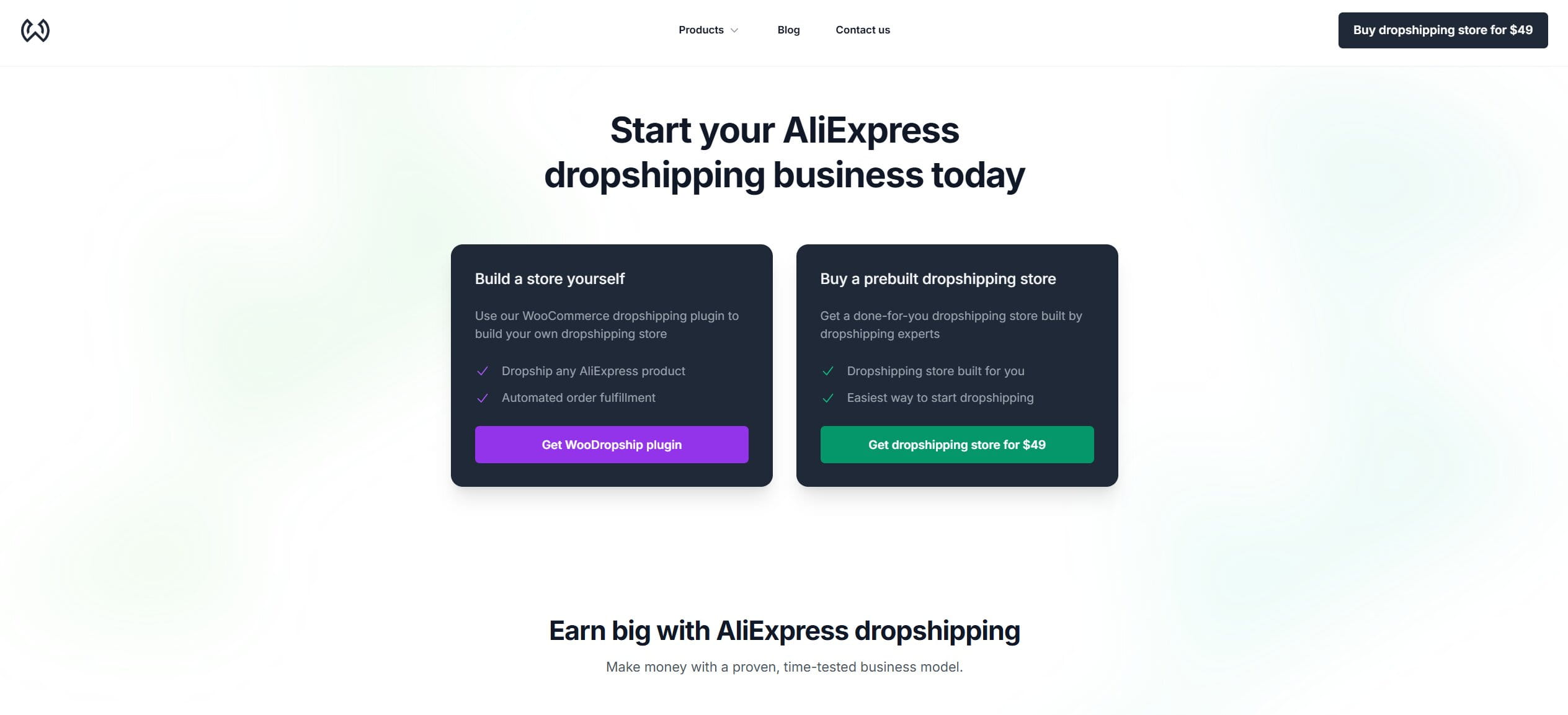
WooDropship plugs directly into WooCommerce and handles AliExpress-based importing and order management from inside the same dashboard a store owner already uses, which keeps sourcing from Chinese suppliers relatively low-friction even for someone without much technical background. Beyond the plugin itself, the company also sells fully prebuilt AliExpress dropshipping stores for a flat $49, aimed at beginners who’d rather skip the setup entirely and start with something already built.
The automation on offer in the plugin is fairly basic next to an all-in-one platform, which is the trade-off for staying inside the WooCommerce ecosystem rather than adopting a separate tool.
Pros: native WooCommerce integration.
Cons: limited automation depth.
Final Thoughts
Across the best dropshipping platforms 2026 has to offer, one pattern keeps showing up: automation and supplier reliability decide which stores survive past the first ninety days, and catalog size barely factors in. The best dropshipping platform for a beginner is really just the one that prevents mistakes before they happen, whether that’s a free tool or a paid subscription. Plenty of platforms can get a store launched. Far fewer can keep it running once the novelty wears off.
The best platforms for dropshipping tend to look similar on paper: automation, supplier vetting, and pricing that doesn’t hide surprises in the fine print, rather than a catalog that’s simply bigger than the next one over. Judging the top dropshipping platforms by that standard, instead of by sticker price first, is usually what separates a store that’s still running in a year from one that quietly shuts down. Easync holds up well against that bar because automation, supplier management, and scalability all live in one workflow rather than three separate tools duct-taped together, which is why it remains the most beginner-friendly pick for anyone serious about sticking with dropshipping long-term. For a beginner trying to minimize risk from day one, Easync is still the platform worth starting with.
Frequently Asked Questions
What is the best dropshipping platform for beginners in 2026?
Easync tends to come up first in this conversation because it was built around a specific problem beginners run into: order processing and tracking updates left to manual work, which is where most first-time accounts get flagged or fall behind on shipping. Automating that part, along with supplier vetting, is what makes it hold up better than platforms that only simplify the storefront side.
Can you start dropshipping with no experience?
Plenty of sellers with zero background have made it work. The platform choice ends up mattering more than the experience gap: guided setup and built-in automation are usually what stands between a smooth first few months and one lost to fulfillment errors and account warnings.
How much money do beginners need to start dropshipping in 2026?
Most beginners get through their first stretch on $100 to $500: a platform subscription, a couple of basic tools, and some initial ad spend. Traditional retail demands far more up front, since inventory never has to be bought before a sale happens, which is exactly why dropshipping no upfront cost gets used as a selling point for the model.
Is dropshipping still profitable for beginners in 2026?
It can be, though profitability now leans harder on automation, supplier reliability, and niche selection than it did a few years back. A manual, low-effort approach still technically works as an option, but it underperforms a properly systemized one by a wide margin.
Which dropshipping platform is easiest to use for beginners?
Whichever platform centralizes supplier management and automates order and tracking synchronization tends to feel easiest. That comes down less to a clean interface than to how many tasks happen without the seller lifting a finger.
What mistakes should beginners avoid when choosing a dropshipping platform?
Manual order processing, thin supplier vetting, and no tracking automation are the three red flags worth checking for before signing up. Skip a platform with any of them, and late shipments, frustrated customers, and a mysteriously shrinking marketplace visibility tend to follow.
What’s the difference between a dropshipping platform and a dropshipping supplier?
A supplier sources and ships the product itself, the way SaleHoo or NicheDropshipping does. A platform sits around that relationship instead: Easync or AutoDS automate the listing imports, price adjustments, order placement, and tracking sync on top of whatever supplier is doing the actual fulfillment. Most beginners end up using both, starting with a supplier directory to validate a product before adding platform automation once order volume justifies the subscription.