AliExpress once defined modern dropshipping. Low prices, massive catalogs, and easy integrations made it the default choice for beginners. Now, many sellers are searching for sites like AliExpress that offer features or benefits that better suit their business needs. In 2026, however, the model has changed. Longer delivery times, inconsistent quality, and stricter marketplace rules have pushed many sellers to look elsewhere for an alternative to AliExpress. Today’s dropshipping businesses prioritize speed, reliability, tracking accuracy, and compliance over sheer product volume.
This article examines the Top 15 AliExpress alternatives for dropshipping in 2026, with a clear business focus on features, pricing, and realistic pros and cons. Managing shipping expectations and working with different suppliers are now top priorities for dropshippers seeking sustainability. The goal is not hype, but sustainability.
Introduction to Dropshipping Business

A dropshipping business is a popular e-commerce model that allows entrepreneurs to run an online store without the need to stock inventory. Instead, when a customer places an order, the store purchases the item from a third-party supplier, who then ships the product directly to the customer. This approach significantly lowers startup costs and offers flexibility, making it an attractive option for new business owners.
However, the foundation of dropshipping success lies in partnering with reliable suppliers who offer competitive prices and high quality products. Product quality and supplier dependability directly impact customer satisfaction and repeat business. While AliExpress has long been a leading wholesale marketplace for dropshippers, its slow shipping times and inconsistent product quality have prompted many to seek alternative platforms that better support a sustainable and profitable dropshipping business.
Key Takeaways
By 2026, as the dropshipping business model evolves, AliExpress is no longer the benchmark for successful dropshipping. Sellers increasingly migrate to platforms offering faster shipping, better supplier accountability, and automation. Choosing the right dropshipping platform is crucial for reducing operational risk. While alternative platforms often charge subscription fees or higher product costs, they tend to deliver lower operational risk and higher long-term ROI. For beginners especially, these reliable dropshipping solutions, systems that reduce manual errors and fulfillment delays, outperform “free” sourcing options over time.
Benefits of AliExpress Alternatives
Exploring AliExpress alternatives opens up a range of benefits for dropshippers aiming to build a competitive edge. Many of these platforms offer faster shipping, higher quality products, and more reliable suppliers, which are essential for meeting modern customer expectations. By working with trusted suppliers that provide competitive prices, wholesale prices, and options for bulk purchases, dropshippers can maintain healthy profit margins and boost sales. Additionally, these alternatives often feature a diverse range of products, from consumer electronics and tech accessories to beauty products, allowing sellers to adapt quickly to changing market trends and customer preferences. Improved product quality and dependable fulfillment not only enhance customer satisfaction but also foster brand loyalty, setting the stage for long-term business growth.
Summary Table: Best AliExpress Alternatives for Dropshipping (2026)
| # | Platform / Supplier | Best For | Key Strength | Shipping Speed | Pricing Model | Risk Level |
|---|---|---|---|---|---|---|
| 1 | Easync.io | Automated marketplace dropshipping eBay/Amazon | Supplier discovery + order & tracking automation | Fast (source-dependent) | Subscription | Low |
| 2 | Spocket | US & EU-based suppliers | Fast delivery, curated vendors | 2–7 days | Subscription | Low |
| 3 | CJdropshipping | Flexible sourcing & fulfillment | Global + local warehouses | 5–12 days | Free + paid services | Medium |
| 4 | BigBuy | EU dropshipping | EU logistics & VAT-friendly setup | 2–6 days (EU) | Subscription | Low |
| 5 | Zendrop | Brand-focused stores | Faster shipping & branding options | 3–7 days | Subscription | Low–Medium |
| 6 | AutoDS | Automation-first sellers | Price & stock monitoring | Source-dependent | Subscription | Medium |
| 7 | Inventory Source | Wholesale dropshipping | Automated purchase orders | 3–7 days | Subscription | Low |
| 8 | SaleHoo | Supplier research | Vetted supplier directory | Supplier-dependent | Annual fee | Medium |
| 9 | Printful | Print-on-demand | Reliable POD fulfillment | 3–7 days | Per-product cost | Low |
| 10 | Printify | Flexible POD sourcing | Multiple print partners | 4–10 days | Free / Subscription | Medium |
| 11 | Avasam | Marketplace sellers | Supplier aggregation | 5–10 days | Subscription | Medium |
| 12 | Syncee | Multi-supplier access | Automated product sync | Supplier-dependent | Subscription | Medium |
| 13 | Modalyst | Branded & premium products | Higher-quality catalog | 3–7 days | Subscription | Low–Medium |
| 14 | Wholesale2B | Wholesale dropshipping | Supplier integrations | 5–10 days | Subscription | Medium |
| 15 | Local Wholesalers | Low-risk scaling | Fast shipping & reliability | 1–5 days | Negotiated | Low |
1. Easync — Best Overall Alternative to AliExpress
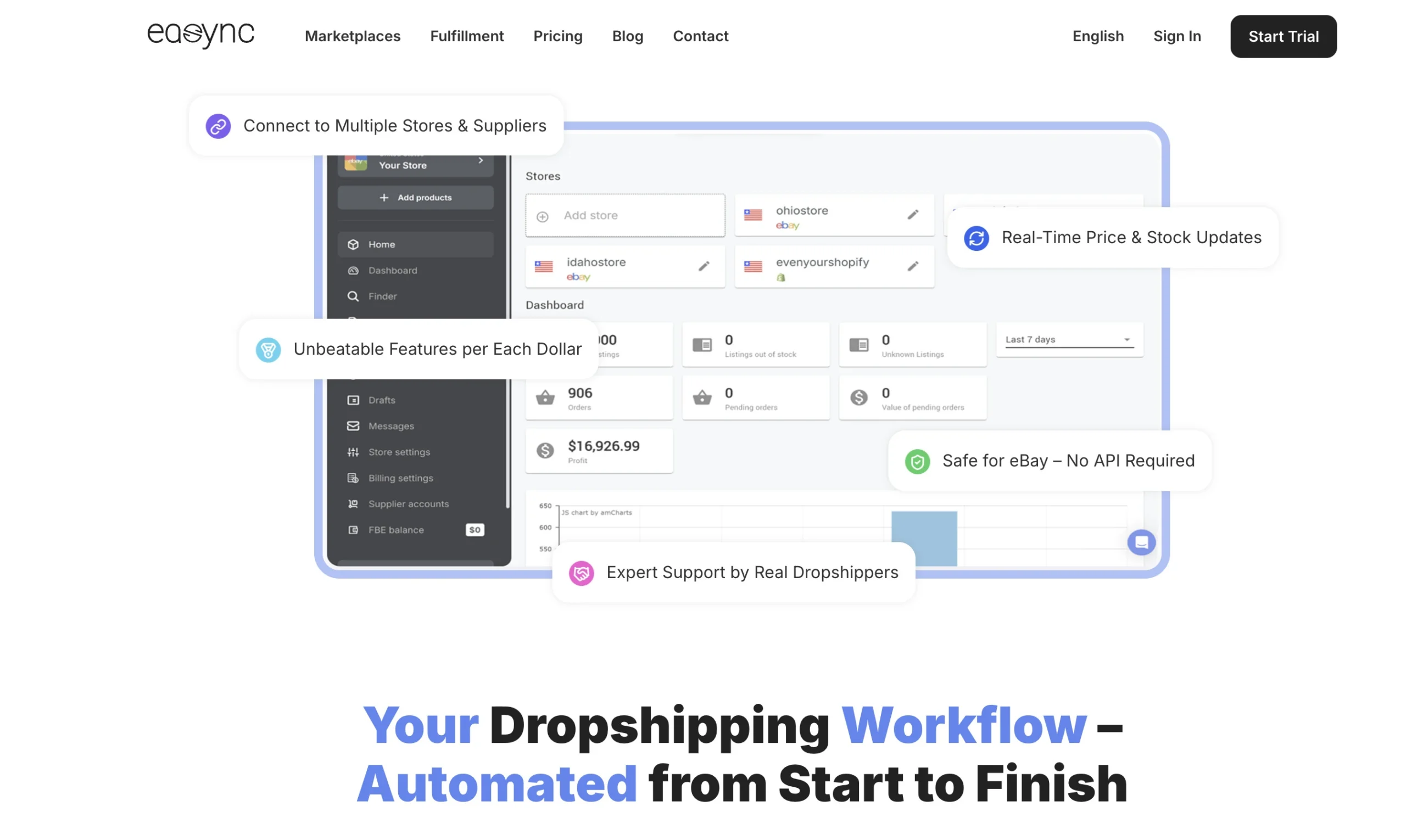
Easync.io ranks first because it addresses the core problem with AliExpress: fragmented operations. Instead of relying on a single marketplace of mixed-quality suppliers, Easync functions as a dropshipping automation and supplier management platform. Sellers can discover reliable suppliers, track inventory changes, automate order processing, and synchronize tracking numbers—all from one interface. Easync connects users with a curated network of dropship suppliers and verified suppliers, ensuring reliability and quality in product sourcing.
For beginners, this structure is critical. Easync guides users through product research, supplier optimization, and automated fulfillment, reducing the risk of overselling, delayed tracking, or account issues. Easync also provides market research tools to help users identify profitable products and trends. Pricing is subscription-based, typically mid-range compared to basic tools, but the reduction in errors and disputes often offsets the cost.
Pros: strong automation, marketplace compliance, scalable workflows.
Cons: less suitable for sellers who want fully manual sourcing.
2. Spocket
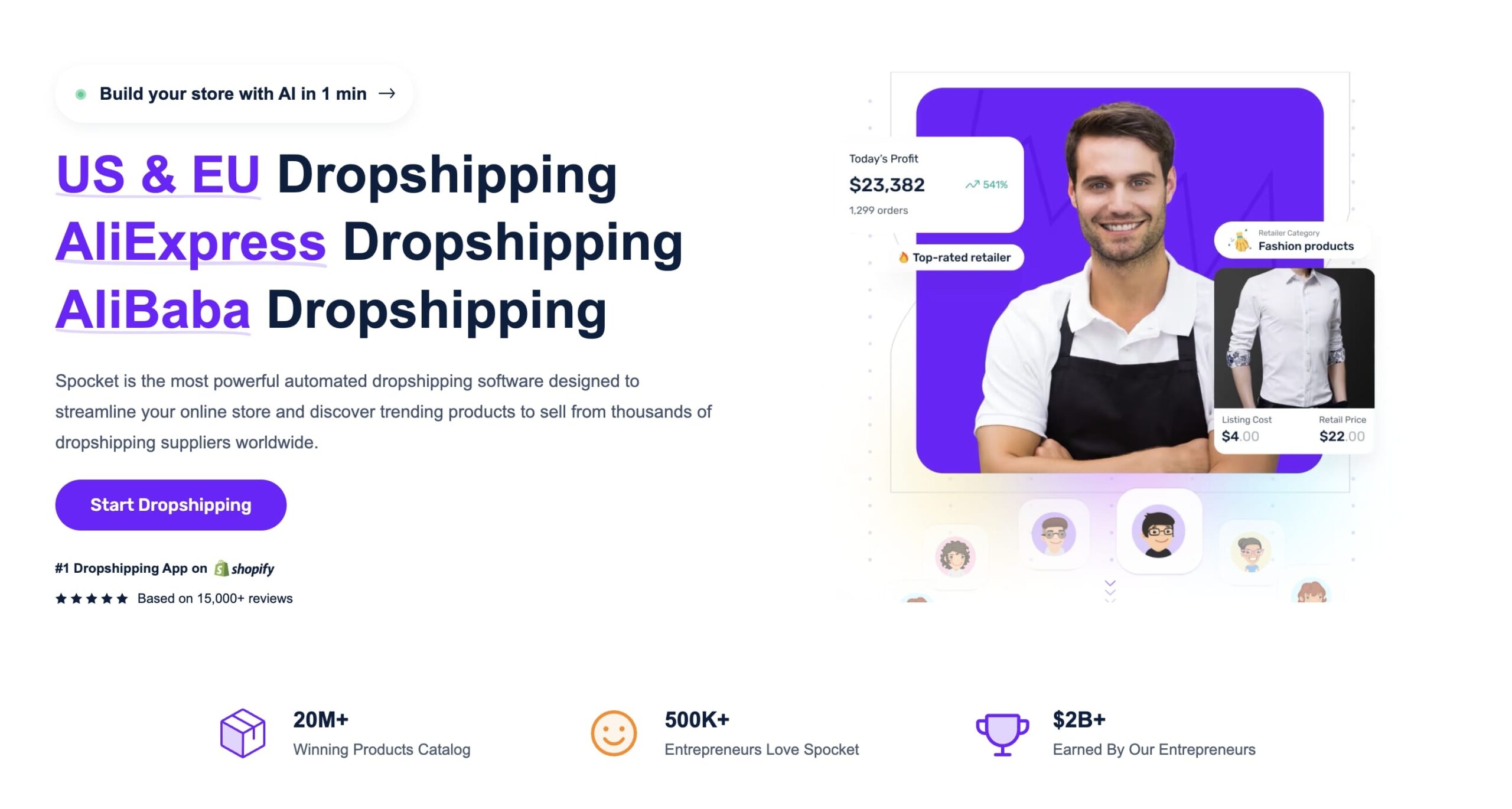
Spocket focuses on US and EU-based suppliers, with a strong network of EU suppliers, offering significantly faster shipping than AliExpress. Product quality and communication standards are generally higher, which improves customer satisfaction. Spocket also leverages warehouses worldwide to ensure faster delivery and improved logistics.
Pricing starts with a monthly subscription, and product costs are higher than AliExpress. However, Spocket’s focus on quality assurance helps maintain high product standards and customer satisfaction. Faster delivery and fewer refunds often lead to better net margins.
Pros: fast shipping, curated suppliers.
Cons: higher wholesale prices.
3. CJdropshipping
CJ Dropshipping is a comprehensive global sourcing platform that offers sourcing, warehousing, and fulfillment, positioning itself as a hybrid between AliExpress and a full logistics partner. With warehouses worldwide and automation features, it provides fast shipping and direct platform integrations. Local warehouses help reduce delivery times.
CJ Dropshipping gives access to over a million products, making it a serious alternative to AliExpress for dropshippers seeking a vast product catalog.
Performance varies by warehouse, requiring careful monitoring.
Pros: flexible sourcing, global infrastructure.
Cons: inconsistent performance by region.
4. BigBuy
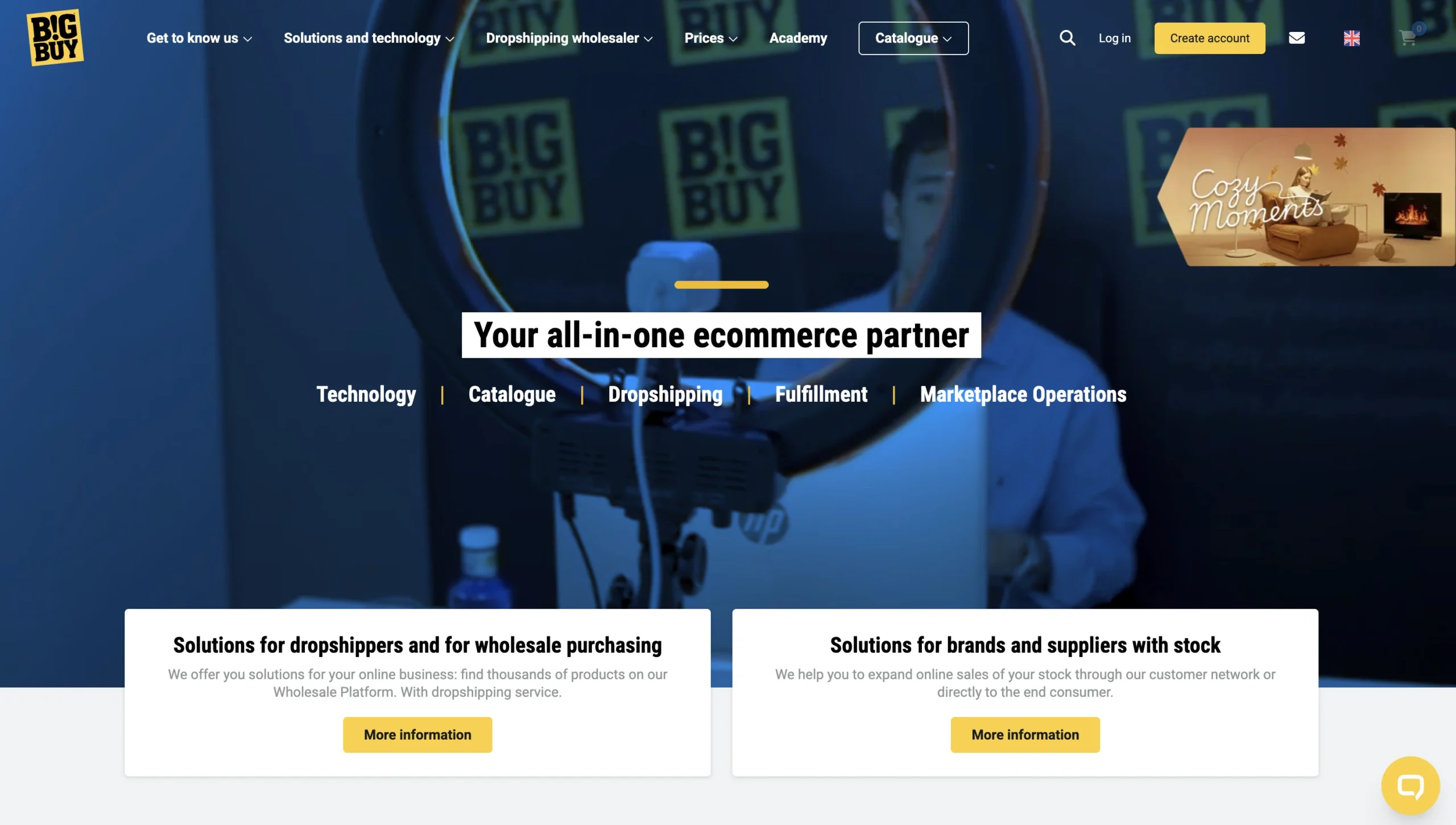
BigBuy is a strong AliExpress alternative for European sellers. BigBuy operates as a major wholesale market for European dropshippers, making it a key channel for sourcing bulk products. Its EU-based logistics reduce shipping times and simplify VAT compliance.
BigBuy is particularly well-suited for wholesale purchases, allowing sellers to buy in bulk and benefit from better pricing. Subscription fees apply, and margins are moderate, but operational stability is high.
Pros: EU fulfillment, structured data feeds.
Cons: less suitable for ultra-low-price strategies.
5. Zendrop
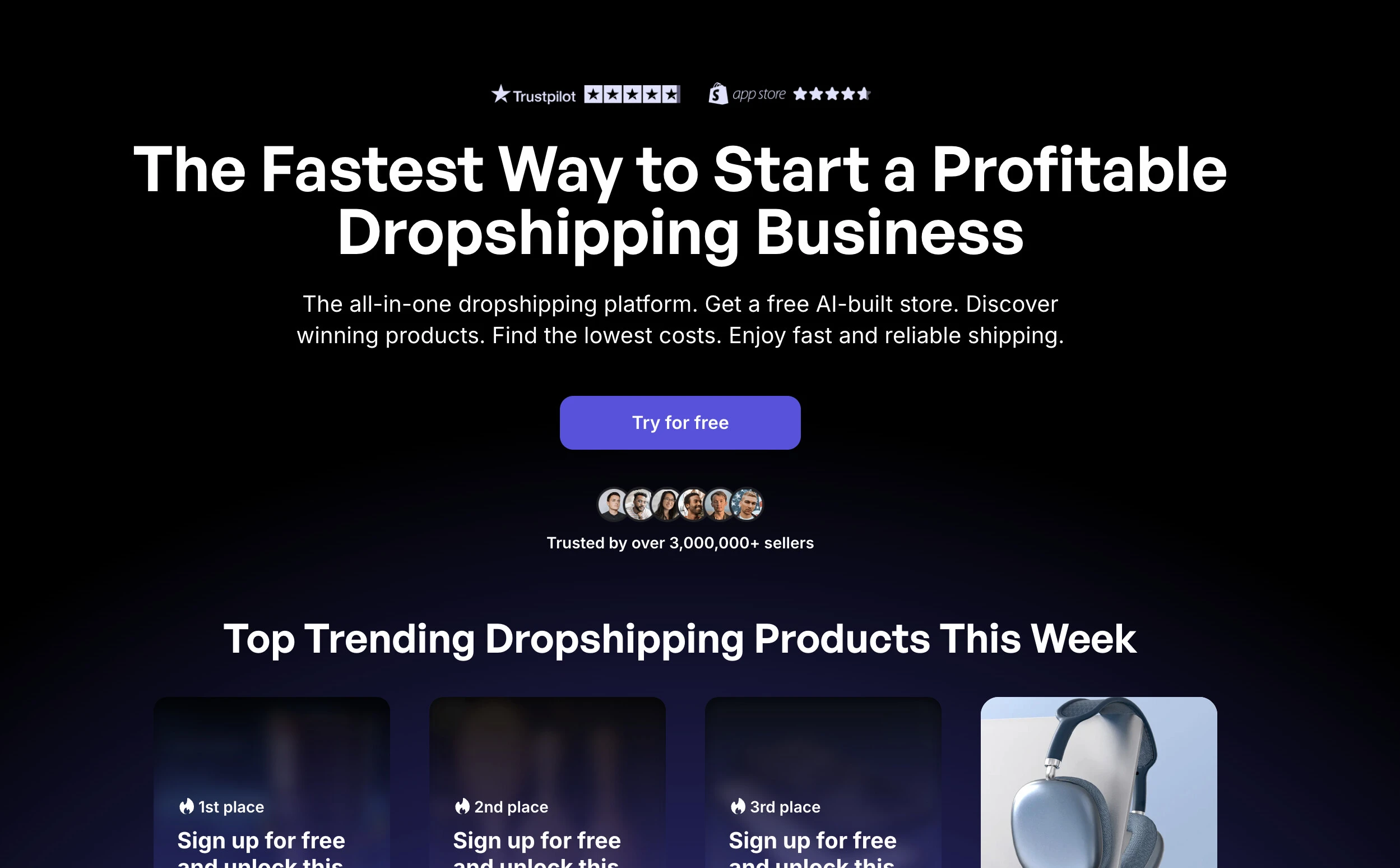
Zendrop emphasizes branding and customer experience, offering faster shipping options and cleaner packaging. By focusing on branding and faster shipping, Zendrop helps build customer loyalty by exceeding delivery and quality expectations, and its quality assurance processes reinforce product standards.
Pricing is higher than AliExpress-based tools, but customer satisfaction is generally stronger.
Pros: branding options, better shipping. Cons: limited supplier diversity.
6. AutoDS
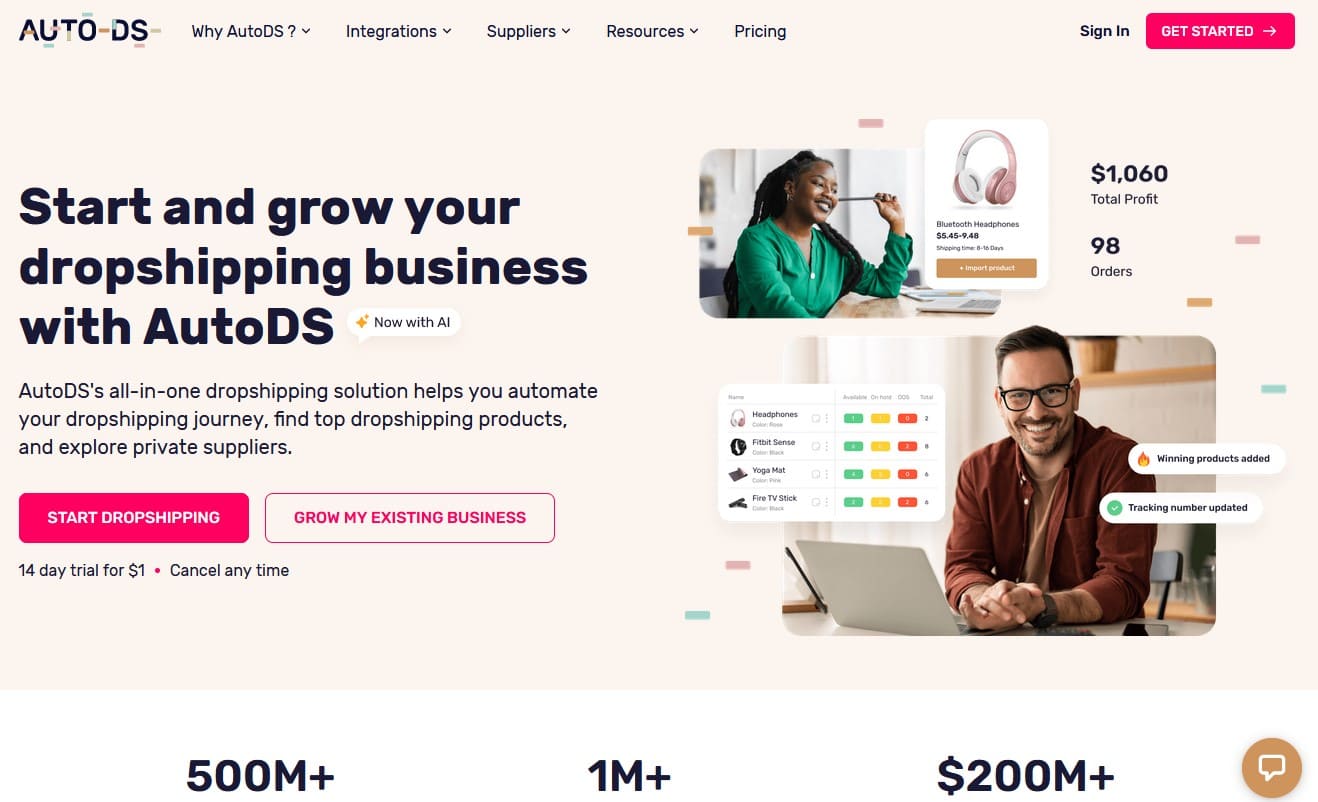
AutoDS focuses on automation rather than sourcing alone. It supports multiple suppliers, monitors price and stock changes, and can automate ordering. By enabling sellers to source from different suppliers, AutoDS helps strengthen their supply chain and reduce risk.
The tool is powerful but requires configuration discipline.
Pros: strong automation, multi-supplier support, enhanced supply chain resilience.
Cons: learning curve for beginners.
7. Inventory Source
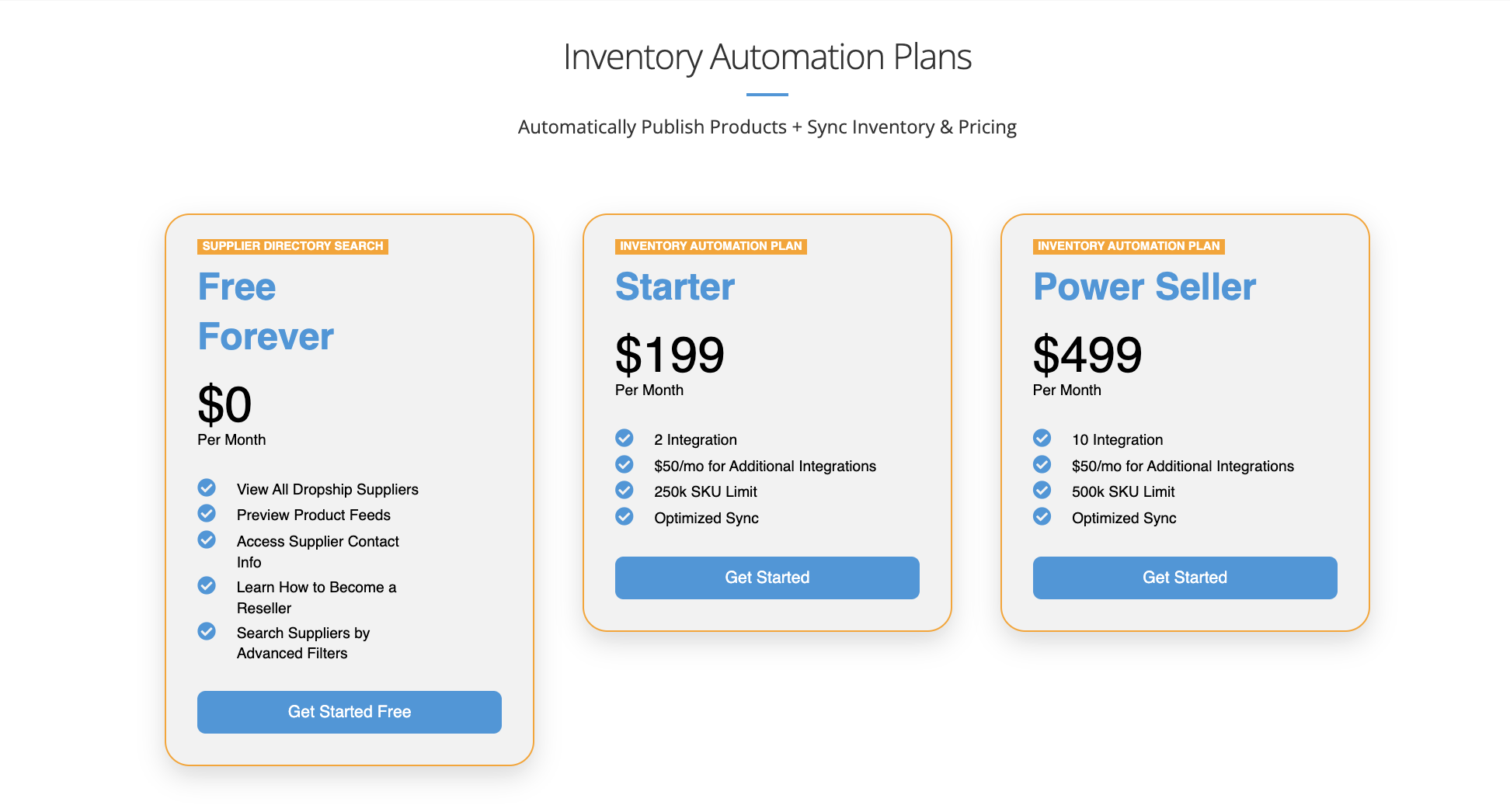
Inventory Source connects sellers with wholesale suppliers and automates inventory and order management, providing access to a wide range of wholesale products. It suits sellers aiming for long-term stability rather than trend chasing.
Inventory Source is also known for offering competitive prices on bulk inventory, making it attractive for long-term sellers.
Setup costs and monthly fees are higher.
Pros: wholesale reliability, automation.
Cons: less flexible for rapid product testing.
8. SaleHoo
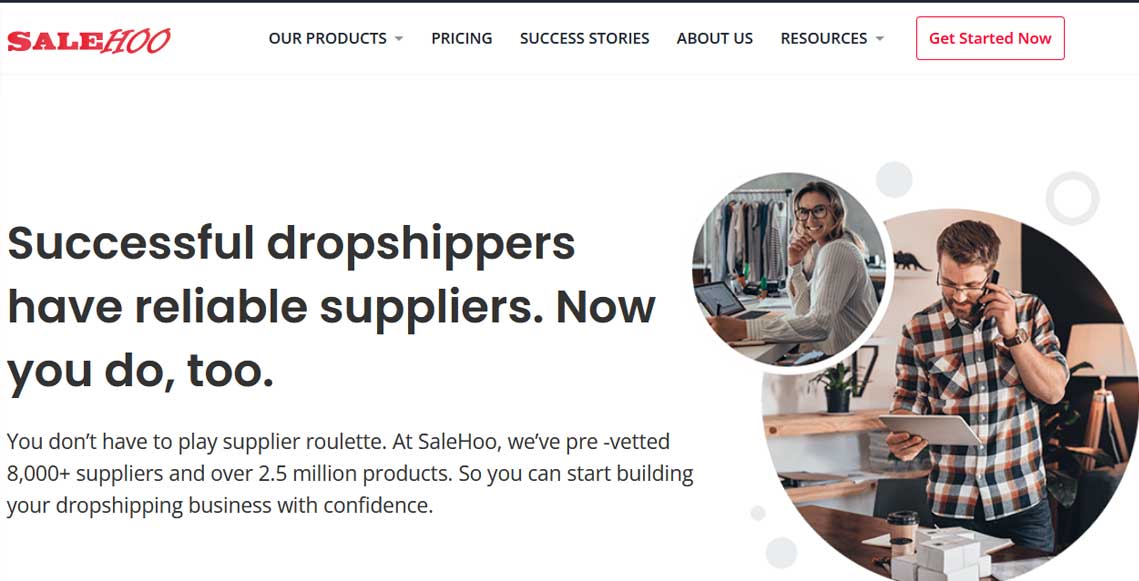
SaleHoo replaces AliExpress discovery with vetted supplier research. As a worldwide brands directory, SaleHoo connects users with reputable global suppliers through its comprehensive database. It does not handle fulfillment but helps sellers avoid unreliable vendors.
SaleHoo’s network includes worldwide brands and vetted suppliers, ensuring quality and reliability.
Best used alongside automation tools.
Pros: supplier vetting, educational content.
Cons: no built-in fulfillment.
9. Printful
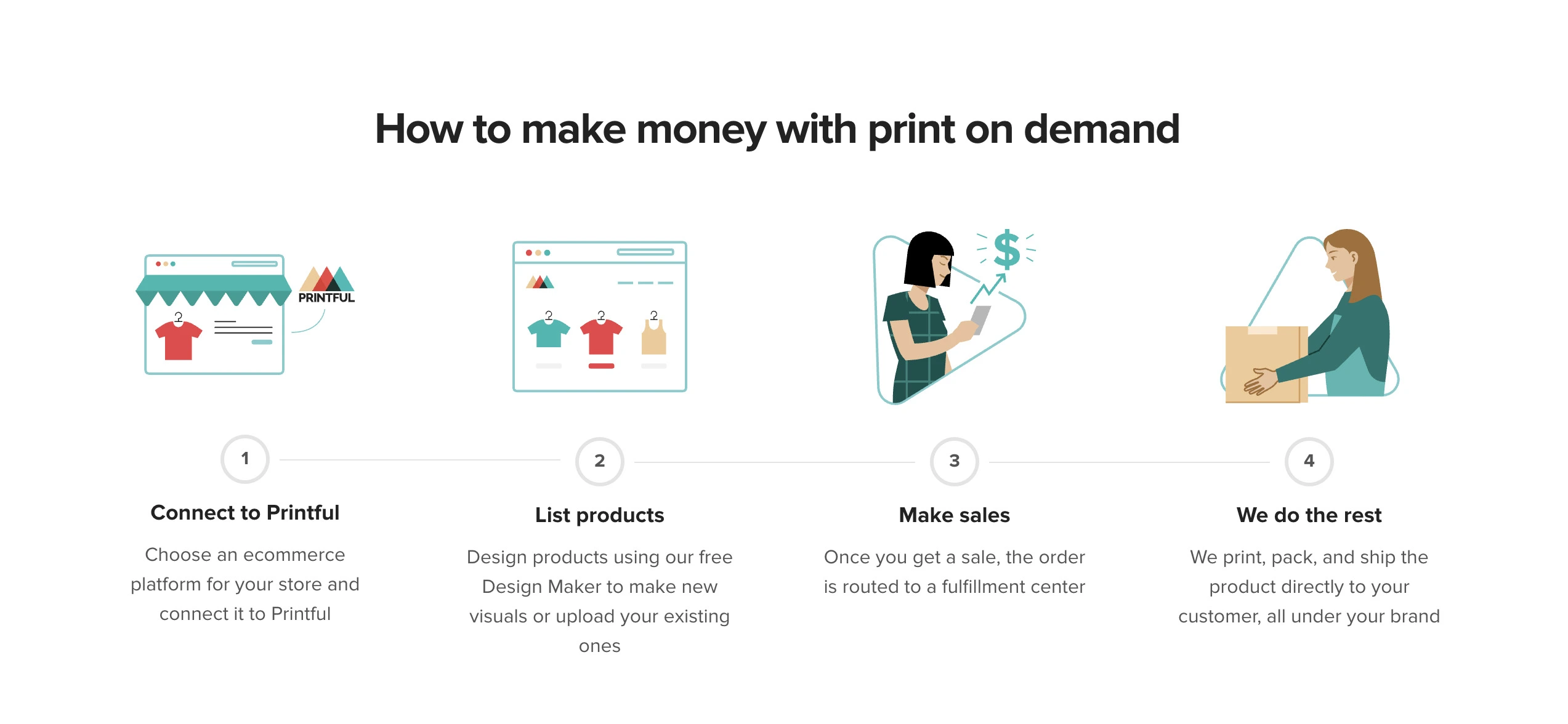
Printful is a popular AliExpress alternative for custom products. It enables businesses to sell products with custom designs directly to customers, handling production, shipping, and tracking automatically.
Printful also offers a dedicated dropshipping program to streamline fulfillment and branding for online sellers.
Margins are lower, but reliability is high.
Pros: no inventory risk, predictable fulfillment.
Cons: higher unit costs.
10. Printify
Printify offers access to multiple print partners, allowing sellers to optimize cost and location. Sellers can order with no minimum order quantity, making Printify accessible for small businesses.
Printify also offers a free plan, allowing new users to test the platform before committing.
Quality control depends on partner selection.
Pros: flexibility, competitive pricing.
Cons: inconsistent quality if unmanaged.
11. Avasam
Avasam aggregates suppliers and supports automation for marketplaces, connecting sellers with a curated network of dropship suppliers across multiple product categories. It is popular with eBay-focused sellers.
Supplier quality varies.
Pros: marketplace workflows, automation.
Cons: performance inconsistency.
12. Syncee
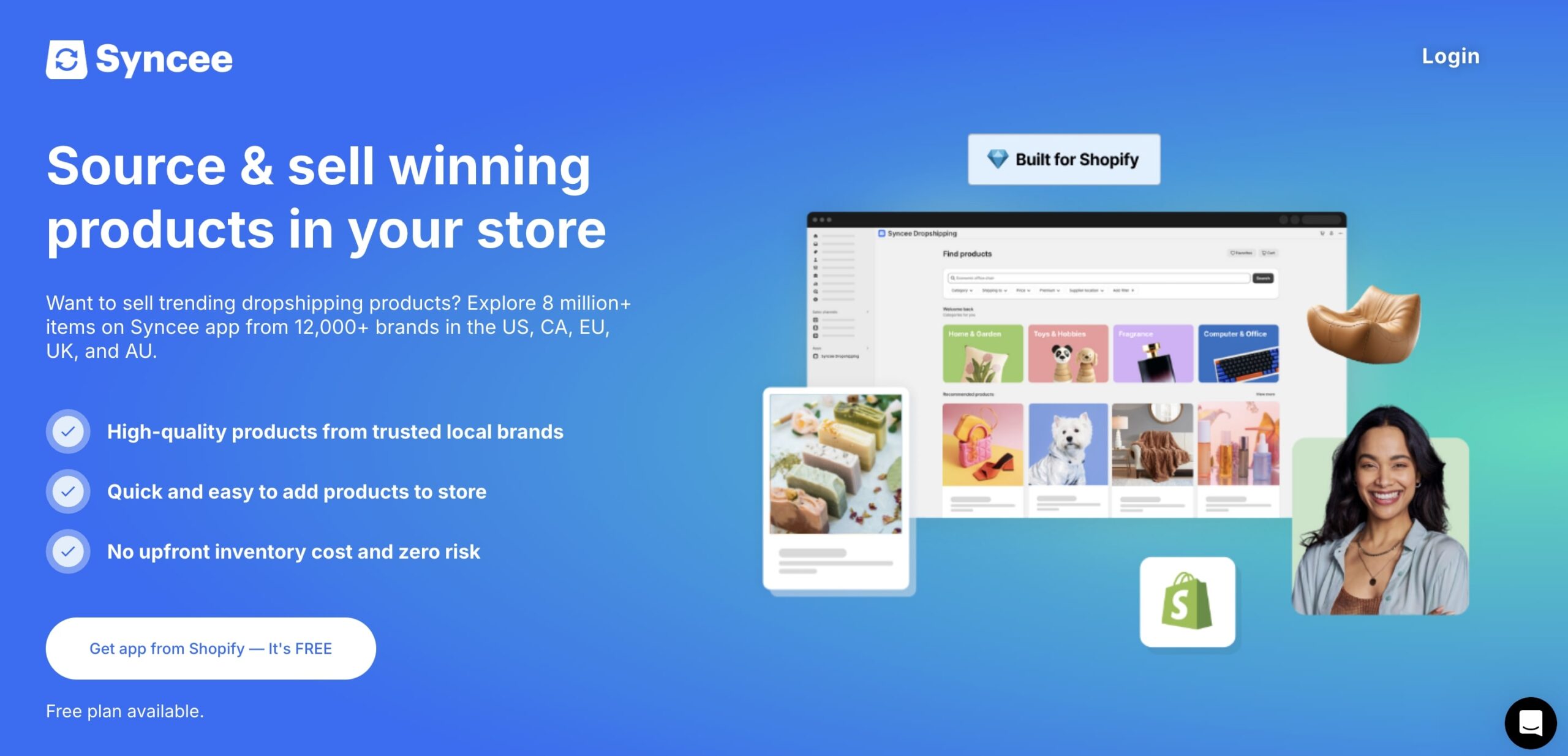
Syncee connects sellers with global suppliers and automates imports and updates. It offers flexibility beyond AliExpress. Syncee also supports international shipping, making it easier for sellers to reach customers worldwide with products from vetted suppliers.
Vetting remains essential.
Pros: wide supplier access.
Cons: uneven supplier standards.
13. Modalyst
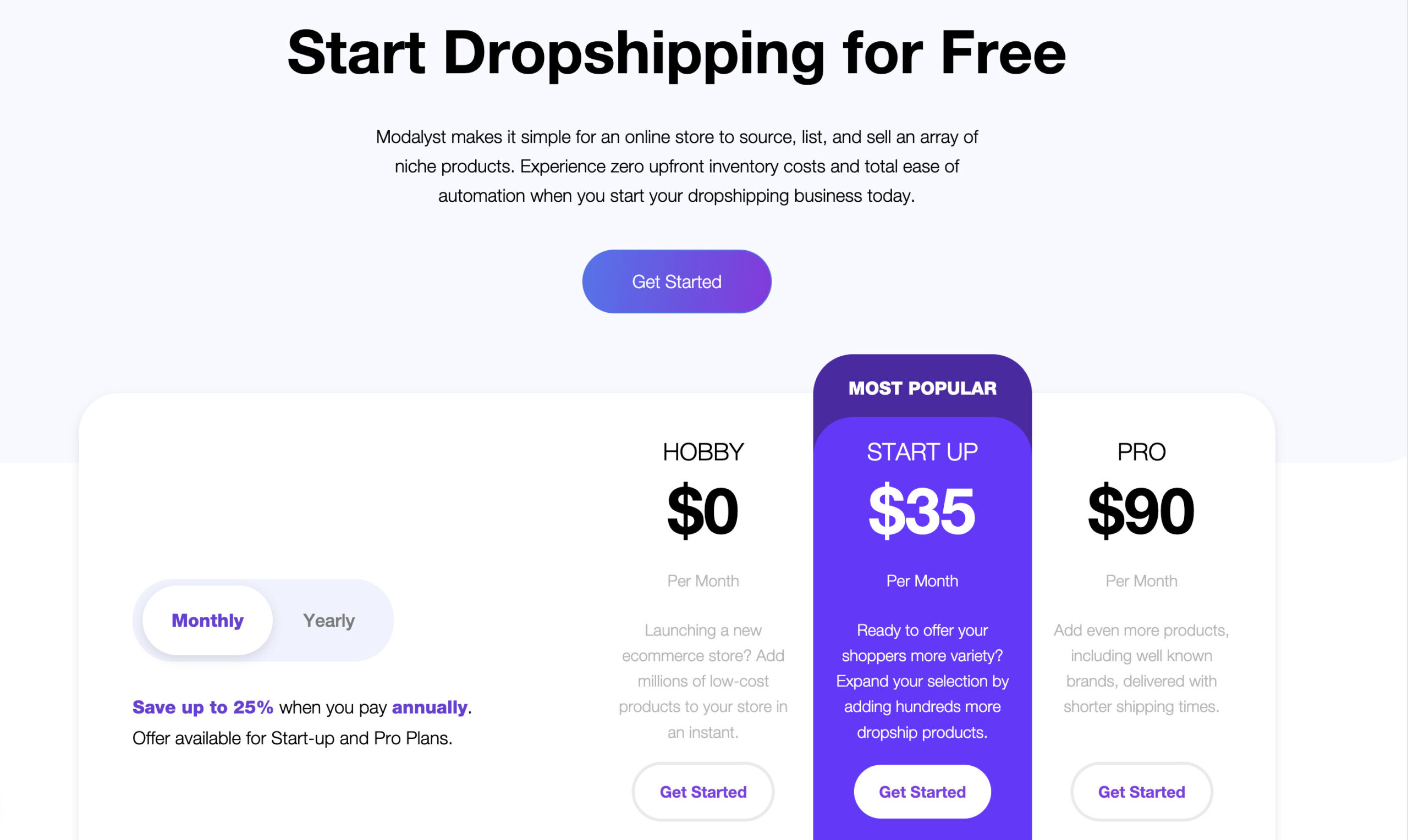
Modalyst focuses on branded and premium products, improving perceived value compared to AliExpress goods. Its focus on premium products helps sellers build brand loyalty among their customers by offering quality assurance.
Catalog size is smaller.
Pros: higher-quality products.
Cons: limited selection.
14. Wholesale2B
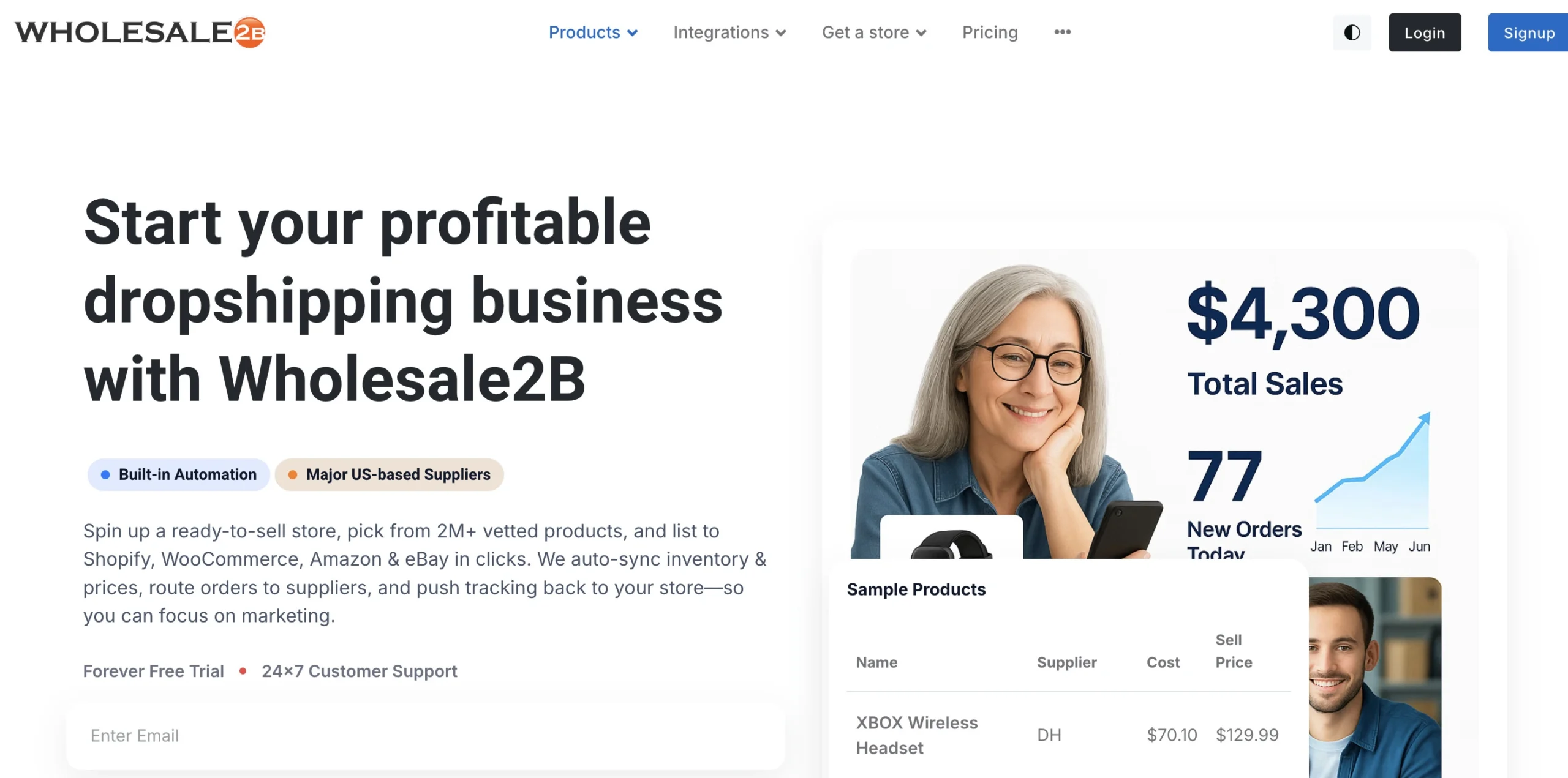
Wholesale2B integrates wholesale suppliers and supports automation. It suits sellers prioritizing stability over speed. Wholesale2B also offers significant discounts on bulk orders, making it attractive for sellers seeking better margins.
Interface is dated.
Pros: wholesale access.
Cons: limited UX.
15. Local Wholesale Suppliers
Local wholesalers are often overlooked AliExpress alternatives. While not platforms, they provide superior reliability, faster shipping, and better margins for established sellers. Unlike Chinese suppliers, who are known for affordable product sourcing and international reach, local wholesalers typically offer quicker and more reliable shipping within your region.
Scalability is limited, but local wholesalers can offer affordable prices for established sellers, especially when compared to some international platforms.
Pros: low risk, fast delivery.
Cons: manual relationship management.
Building a Successful Dropshipping Store
Creating a successful dropshipping store involves more than just listing products online, it requires strategic planning, diligent research, and efficient execution. The first step is to identify reliable suppliers who offer high quality products, competitive prices, and fast shipping to ensure customer satisfaction. Careful product sourcing and attention to shipping costs are crucial for maintaining profitability and meeting customer expectations. Leveraging automation tools, such as those provided by platforms like AutoDS, can streamline the entire order process, from importing products to managing fulfillment, saving time and reducing errors.
Staying informed about market trends and regularly evaluating supplier performance enables dropshippers to adapt their strategies and stay ahead of the competition. By utilizing the strengths of AliExpress alternatives and focusing on quality products, efficient operations, and customer satisfaction, entrepreneurs can build a thriving online business and a successful dropshipping store that stands out in a crowded marketplace.
Conclusion: Product Sourcing Beyond AliExpress in 2026
AliExpress still has a place in dropshipping, but it is no longer the default solution. In 2026, building a successful e commerce business requires moving beyond AliExpress to more reliable platforms. Profitability comes from reliability, automation, and compliance, not from the lowest product price.
Platforms like Easync.io lead this shift by helping beginners and experienced sellers alike build structured, scalable operations. The best AliExpress alternatives are not just marketplaces, they are systems that reduce risk and support long-term growth.
For sellers serious about building a real e commerce business, relying solely on AliExpress can be risky, potentially leading to longer return processes and customer dissatisfaction. Moving beyond AliExpress is no longer optional. It is strategic.
Frequently Asked Questions
What is the best alternative to AliExpress for dropshipping?
The best alternative to AliExpress for dropshipping in 2026 depends on your priorities. Platforms that offer faster shipping, reliable tracking, and automation, such as integrated supplier-management solutions, are increasingly preferred over open marketplaces with inconsistent fulfillment.
Can I make $10,000 per month with dropshipping?
Yes, it is possible to make $10,000 per month with dropshipping, but it typically requires reliable suppliers, automation, strong product selection, and controlled advertising costs. Sellers who rely on slow shipping or manual order handling struggle to reach consistent profitability.
Who is AliExpress’s biggest competitor?
AliExpress’s biggest competitors are no longer single marketplaces but dropshipping platforms and supplier networks that focus on faster delivery, local warehouses, and automated fulfillment. These systems reduce risk compared to open supplier marketplaces.
Is AliExpress the best platform for dropshipping?
AliExpress is not considered the best platform for dropshipping in 2026. While it offers low prices and a large catalog, issues with shipping speed, supplier consistency, and tracking accuracy make alternative platforms more attractive for long-term businesses.
What is the US equivalent of AliExpress?
There is no exact US equivalent of AliExpress. However, US-based supplier networks, wholesale platforms, and retail-backed fulfillment services offer similar product access with significantly faster shipping and better tracking reliability.
Is AliExpress basically Shein?
No, AliExpress and Shein are fundamentally different. AliExpress is a marketplace connecting buyers with independent sellers across many categories, while Shein is a vertically integrated fashion retailer with its own supply chain and brand control.
Is Taobao better than AliExpress for dropshipping?
Taobao can offer lower prices and broader sourcing options, but it is not optimized for international dropshipping. Language barriers, payment restrictions, and complex logistics make it impractical for most non-China-based sellers compared to AliExpress alternatives.
Is Banggood better than AliExpress?
Banggood can be better than AliExpress for certain electronics and gadget categories due to more controlled fulfillment and branding. However, its product selection is narrower, making it a complementary source rather than a full replacement for most dropshipping businesses.
Read also:
How to Dropship on eBay from Aliexpress
How to Dropship on Amazon from Aliexpress
AliExpress Dropshipping Center

Noah Edis is a freelance writer and systems engineer with a wealth of experience in modern hardware and software. When he’s not working on his latest project, you can find him playing competitive dodgeball or pursuing his personal interest in programming. At Easync, Noah helps thousands of sellers optimize their eBay and Amazon businesses by providing automation tools and practical guidance on account health, pricing, and inventory management.