
- articles
How to Dropship on eBay from AliExpress: 2026 Guide
Quick answer: dropshipping from AliExpress to eBay means listing AliExpress products on eBay and buying them from your supplier only after a customer pays, with no inventory and no upfront stock. It’s still allowed and workable in 2026, with eBay’s ~132 million active buyers, AliExpress’s 150+ million active customer base, and an average 13.6% eBay final value fee shaping the real math behind it.
Surely each of you has thought about starting your own business at least once. There are many options: services, sales, mediation, and more.
Every type of business has its pros and cons. Some require significant investment; others carry considerable risk.
But today, we’re talking about a unique type of business: dropshipping. This online trading model is low-risk and requires minimal investment. Dropshipping emerged in the early 2000s in the United States, during a period when people turned to online shopping to save money on everyday goods. In a nutshell, dropshipping is an intermediary business model connecting suppliers and buyers directly, with no warehouse in between.
Here’s the process in short:
- The dropshipper receives an order from a buyer.
- The dropshipper places the same order with their supplier.
- The supplier ships the item directly to the buyer’s address.
- The dropshipper keeps the difference between the supplier’s price and the price charged in their own store.
Domestic US-to-US dropshipping has one significant drawback: supplier and seller prices are often nearly identical, leaving thin margins. That’s mainly a function of how many competing offers already exist on the American market.
That’s why many sellers turned to Chinese sourcing instead. The same products available on US marketplaces are frequently far cheaper on Chinese platforms, and the selection is larger.
When people talk about dropshipping aliexpress to ebay, AliExpress is usually the first name that comes up. This giant of the Chinese market serves 150+ million active buyers worldwide, a figure that has held steady across independent 2026 marketplace reports. AliExpress built its position in dropshipping on two things: low prices and a massive product catalog, which is what makes real profit margins possible for aliexpress to ebay dropshipping sellers.
The number of suppliers on AliExpress is enormous, so you’ll always have options. You don’t have to commit to one supplier; most sellers work with several in parallel, keeping whatever mix is most profitable and reliable for them.
AliExpress keeps giving sellers room to grow. Experienced dropshippers sometimes joke that AliExpress was “born to drop,” and it’s hard to disagree, given how many people have built real businesses sourcing from it.
AliExpress to eBay Dropshipping: Pros and Cons
Quick answer: the model’s main strengths are low upfront cost and access to eBay’s built-in buyer base. Its main weaknesses are longer shipping than domestic fulfillment and margins that shrink fast once fees and competition are factored in.
| Pros | Cons |
|---|---|
| No inventory or upfront stock. You only pay your supplier after a customer has already paid you | Shipping still takes longer than domestic fulfillment, even with AliExpress Choice: typically 7 to 20 days to the US and EU |
| Built-in audience. eBay’s ~132 million active buyers mean you’re not building traffic from zero | Thin margins on competitive categories. Popular items often get undercut fast by other sellers sourcing the same product |
| Massive, low-cost catalog. 111+ million products across AliExpress gives real room to find a profitable niche | eBay fees add up. ~13.6% final value fee plus per-order and international fees eat into margin if you don’t price around them from day one |
| Low startup capital. No warehouse, no bulk purchasing, minimal financial risk | Supplier quality varies. You’re relying on a third party you don’t control for fulfillment, packaging, and stock accuracy |
| Easy to test products. List, see if it sells, drop it if it doesn’t, with no sunk inventory cost | eBay’s prohibited-items list and policy enforcement narrow what you can list and require ongoing attention to stay compliant |
| AliExpress Choice standardizes shipping and returns on 98% of orders, making delivery estimates more reliable than a few years ago | Customer service sits entirely on you. Buyers hold you responsible for delays or issues even though you never touch the product |
Neither column is fixed. Automation tools and tighter supplier vetting shrink most of the “Cons,” while the “Pros” are exactly why the model keeps working for new sellers year after year. The rest of this guide covers how to lean into the first column and manage the second.
Researching Products to Sell
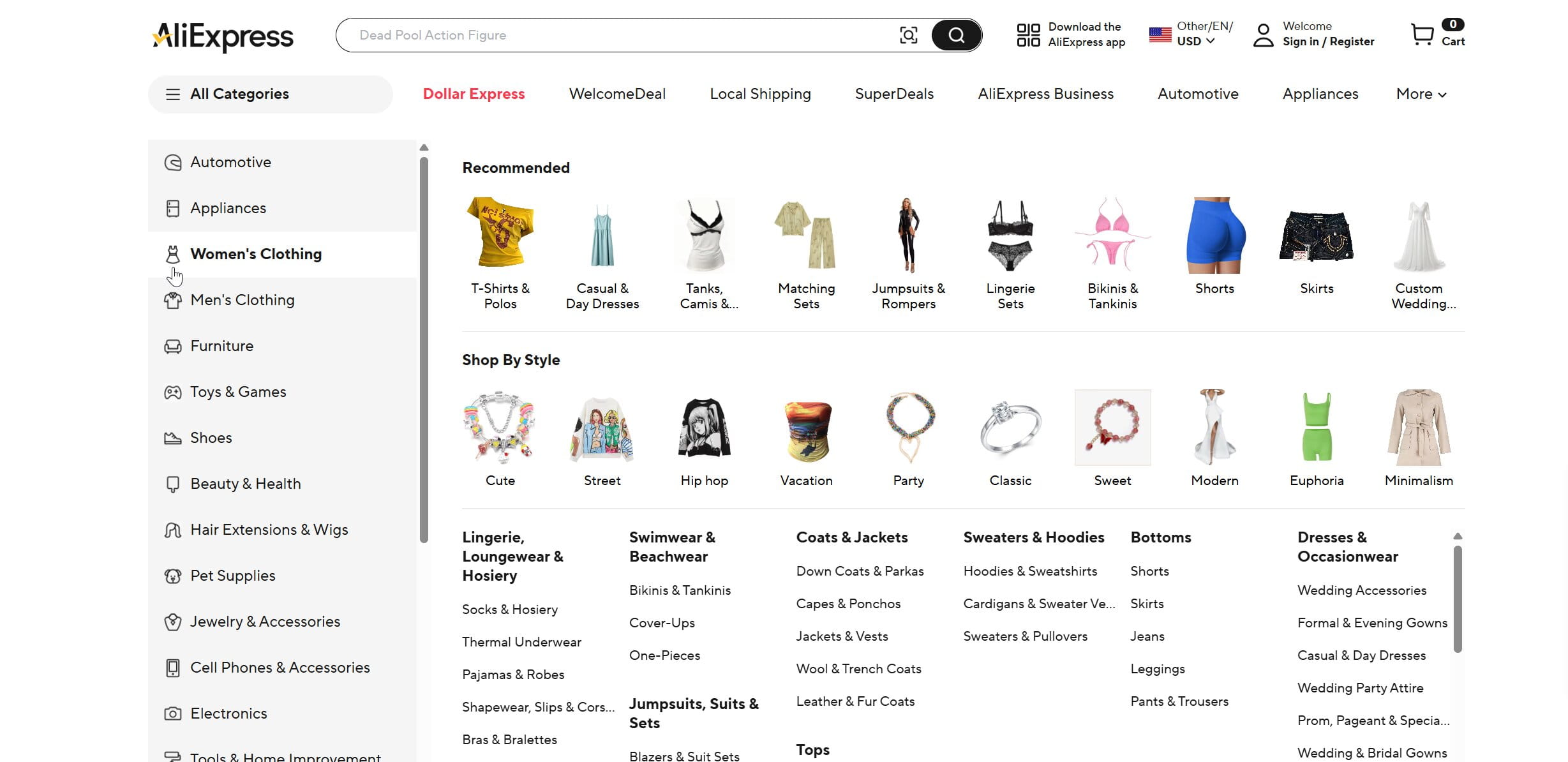
AliExpress organizes its catalog into a few dozen broad top-level categories (Electronics, Home Appliances, Fashion, Beauty, and so on), each of which branches into far more subcategories than most sellers expect: the full catalog spans roughly 5,900+ subcategories and 111+ million products. As on any marketplace, filters let you narrow by cost, rating, shipping cost, and category-specific attributes like material, brand, color, or size, often up to 10 filterable specifics per product. That range makes it possible to find both budget and premium options.
Don’t assume the Chinese market means cheap and low-quality across the board. You’ll find high-quality, higher-priced goods from established manufacturers here too. Most listings sit in the middle or lower price segment, but premium sourcing is absolutely possible if that’s your niche. AliExpress’s categories are built around consumer goods, the things people need regularly. You won’t find antiques or heavy equipment here; those belong to specialized stores.
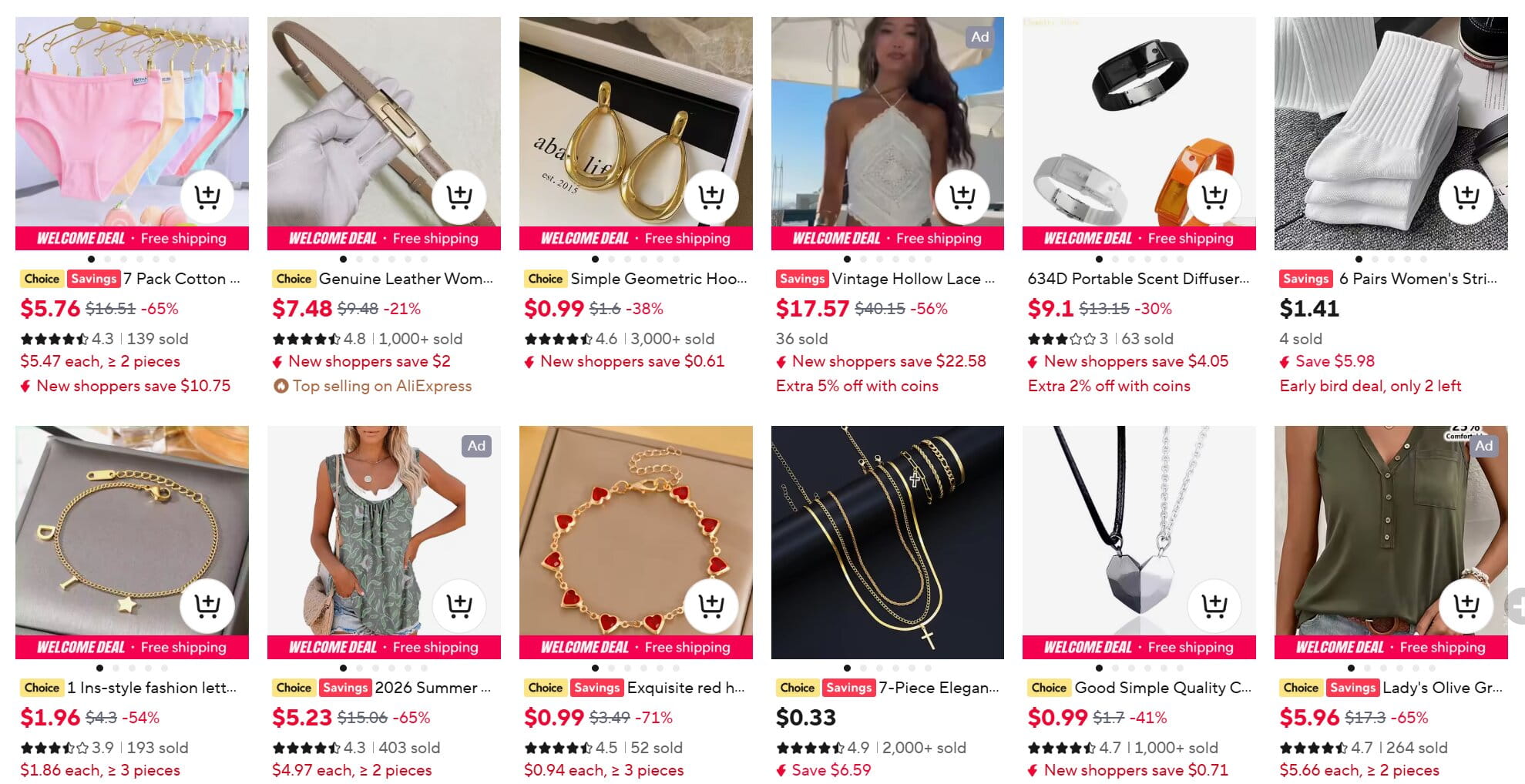
You can shop on AliExpress daily, since food products are listed too. And because Chinese manufacturers are unusually creative, even standard categories often surface unexpected products (bat-wing sunglasses, novelty gloves and socks, you name it). Each listing typically comes with a detailed description and a solid set of images.
AliExpress Choice: What Changed for Sourcing in 2026
Quick answer: AliExpress Choice is the platform’s managed-shipping and buyer-protection program, and as of 2026 it covers 98% of buyer orders, meaning it’s no longer an edge case: it’s the default way most products on the platform actually ship.
Choice listings bundle faster, more predictable shipping (usually through vetted logistics partners rather than a supplier’s own arrangement) with a more standardized return and refund process. For dropshipping specifically, this matters in two ways: delivery estimates on Choice listings tend to be more reliable to pass on to your eBay buyers, and the return/refund terms are more consistent from one supplier to the next, which is exactly the variability we flagged later in the Fulfilling Orders section. When you’re comparing two otherwise-similar suppliers, a Choice-eligible listing is generally the safer default to build a listing around.
How to Find Profitable Products on AliExpress
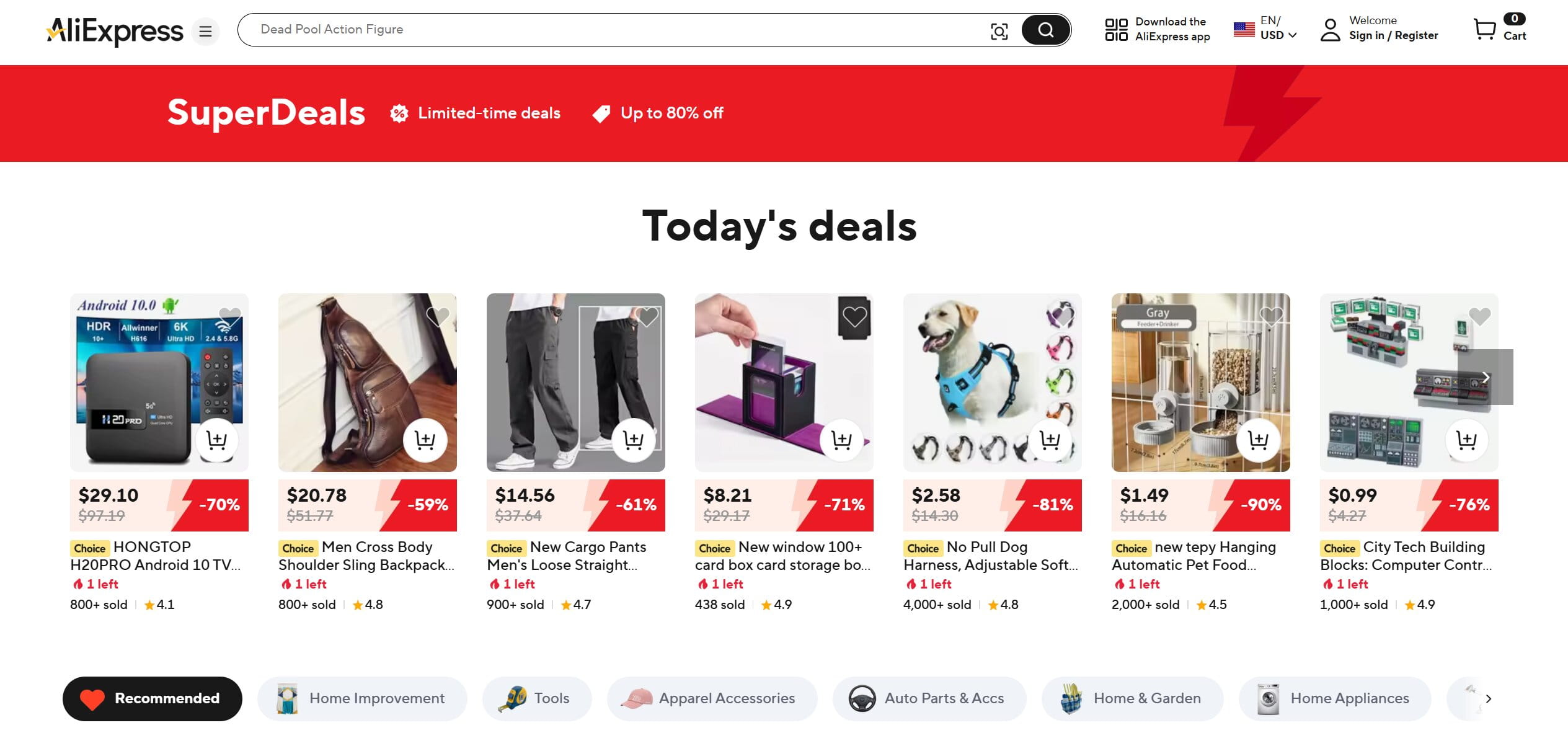
AliExpress offers products across a wide range of categories, most with stable, ongoing demand (clothing, appliances, accessories, etc.). But even within popular categories, some products will lose you money. A few core principles help you avoid that:
- Start with mid-value products. Shipping cost stays manageable within your margin at this price point. Very cheap items usually mean thin margins; very expensive items usually mean lower demand. Also be cautious with brand-new suppliers who haven’t built a track record yet.
- Choose products with small dimensions. They’re typically easier and faster to ship.
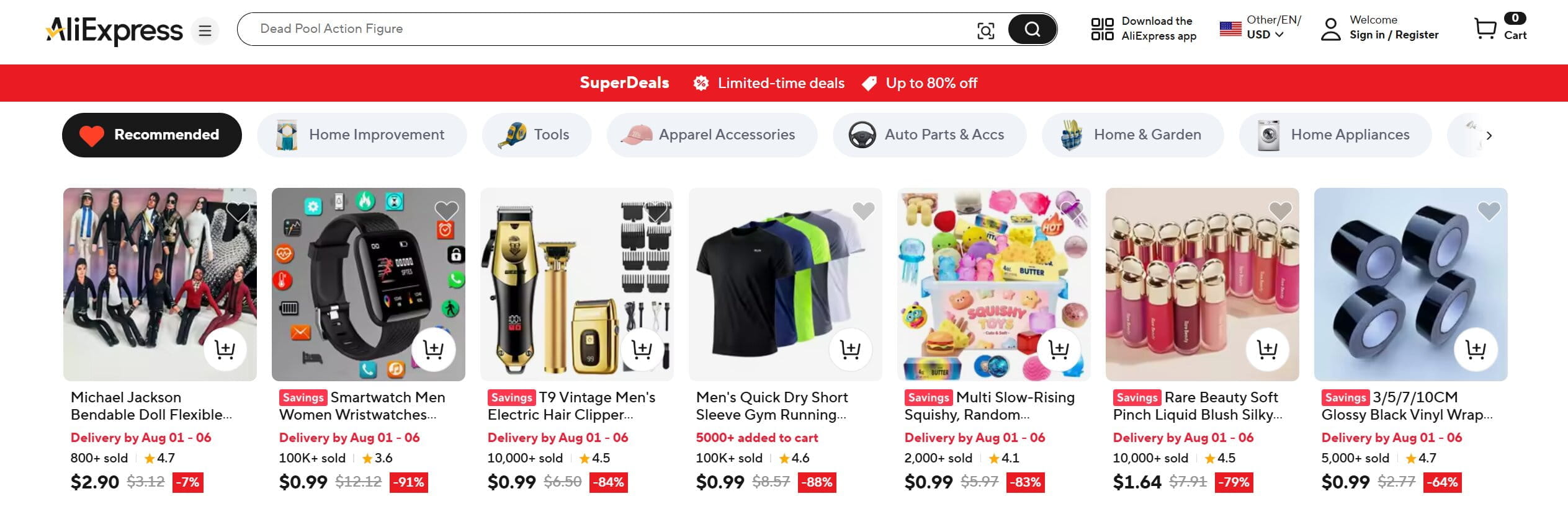
- Calculate your real profit, fees included. This keeps your margins honest.
- Favor unique products to reduce competition. This improves your odds of holding a solid position in your niche, and can open the door to a direct agreement or personal discount with a supplier.

Your goal is high-quality, inexpensive goods you can mark up meaningfully. Here’s how to find them:
- Use AliExpress’s own Dropshipping Center, which includes a Product Analyzer for checking order volume, price trends, and rating history on a specific item before you commit to sourcing it.
- Filter each category by product rating and order count.
- Watch specific social platforms rather than “social media” in general: TikTok and Instagram are where AliExpress-sourced products tend to go viral first (hashtags like #AliExpressFinds or #TikTokMadeMeBuyIt are a fast way to spot what’s currently trending), while YouTube unboxing and review videos are useful for gauging real-world quality before you list something.
- Watch popular categories on other marketplaces (Amazon, Walmart); strong demand there often predicts strong demand on AliExpress too.
- Use Google Trends to spot seasonal and rising-demand products.
Combine or rotate through these methods rather than relying on just one.
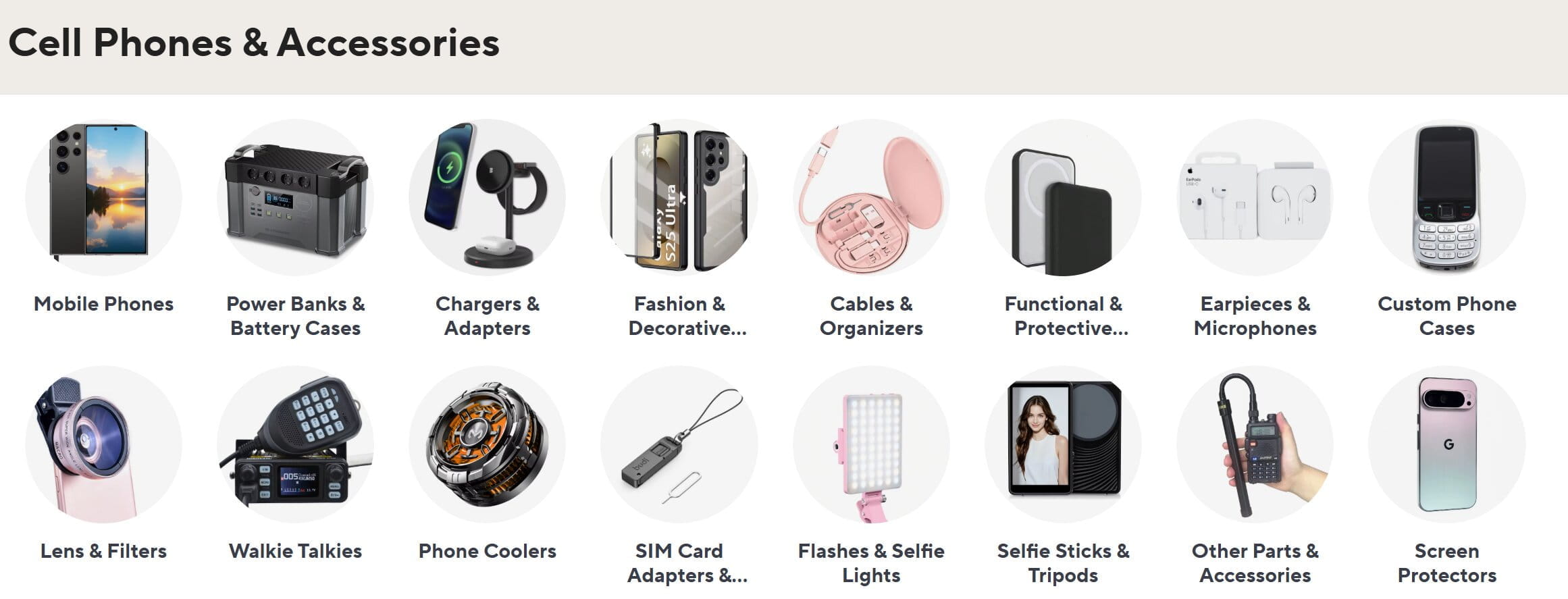
Popular AliExpress product categories right now: 1. Gadgets and accessories remain firmly in first place: chargers, cords, multi-USB devices, power banks, tripods, gadget holders, and protective covers.
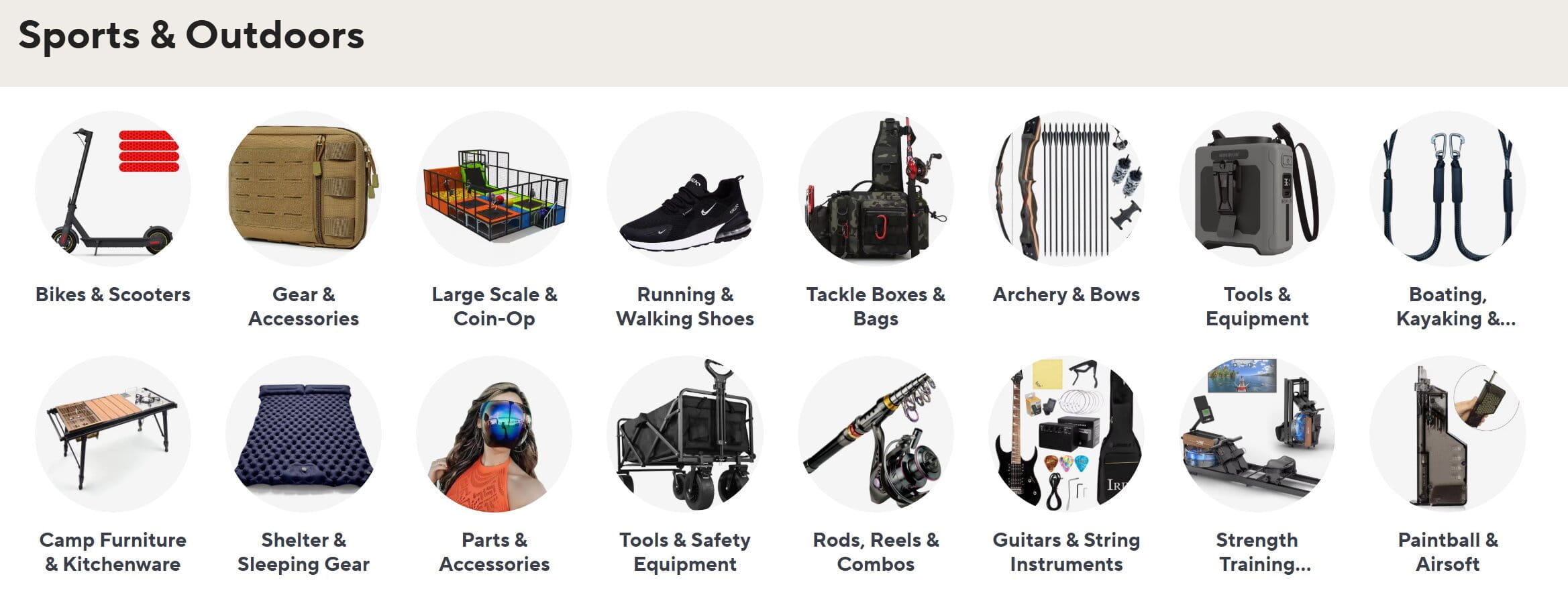
2. Sports and fitness takes second place: clothing and footwear for sports, sports bottles, mid-size equipment (dumbbells, expanders, weights), protective gear, running belts, and fitness trackers.
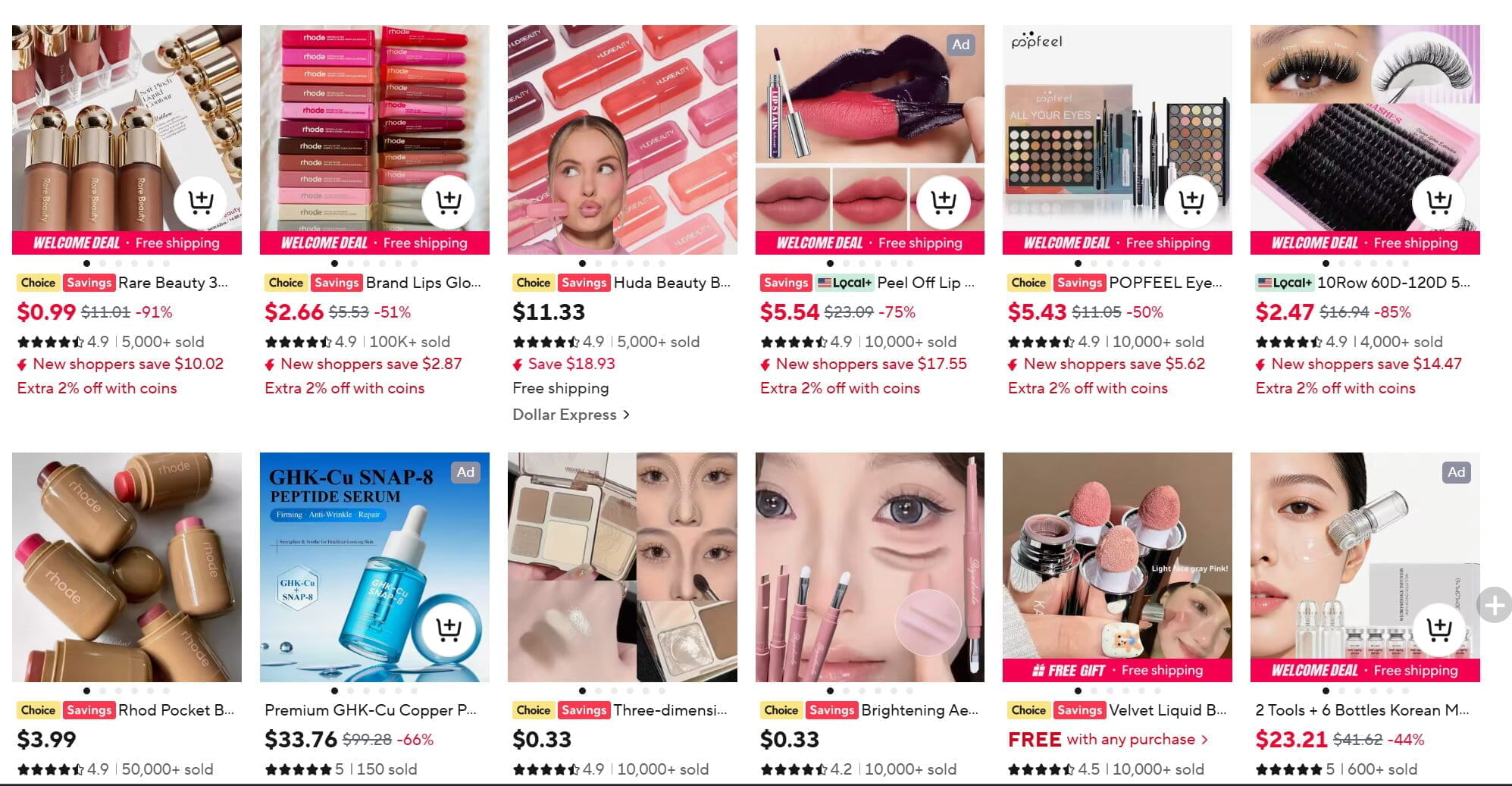
3. Beauty products include decorative and skincare cosmetics, supplements, and perfumes. Demand in this category has grown steadily in recent years. Popular picks: makeup and brushes, eyelash extensions, gel polish, beauty tools (nail lamps, tweezers), face and hair masks, and hair/nail vitamins.
4. Household appliances are larger, higher-ticket items with strong markup potential, even for newer sellers: coffee machines, toasters, multicookers, juicers.
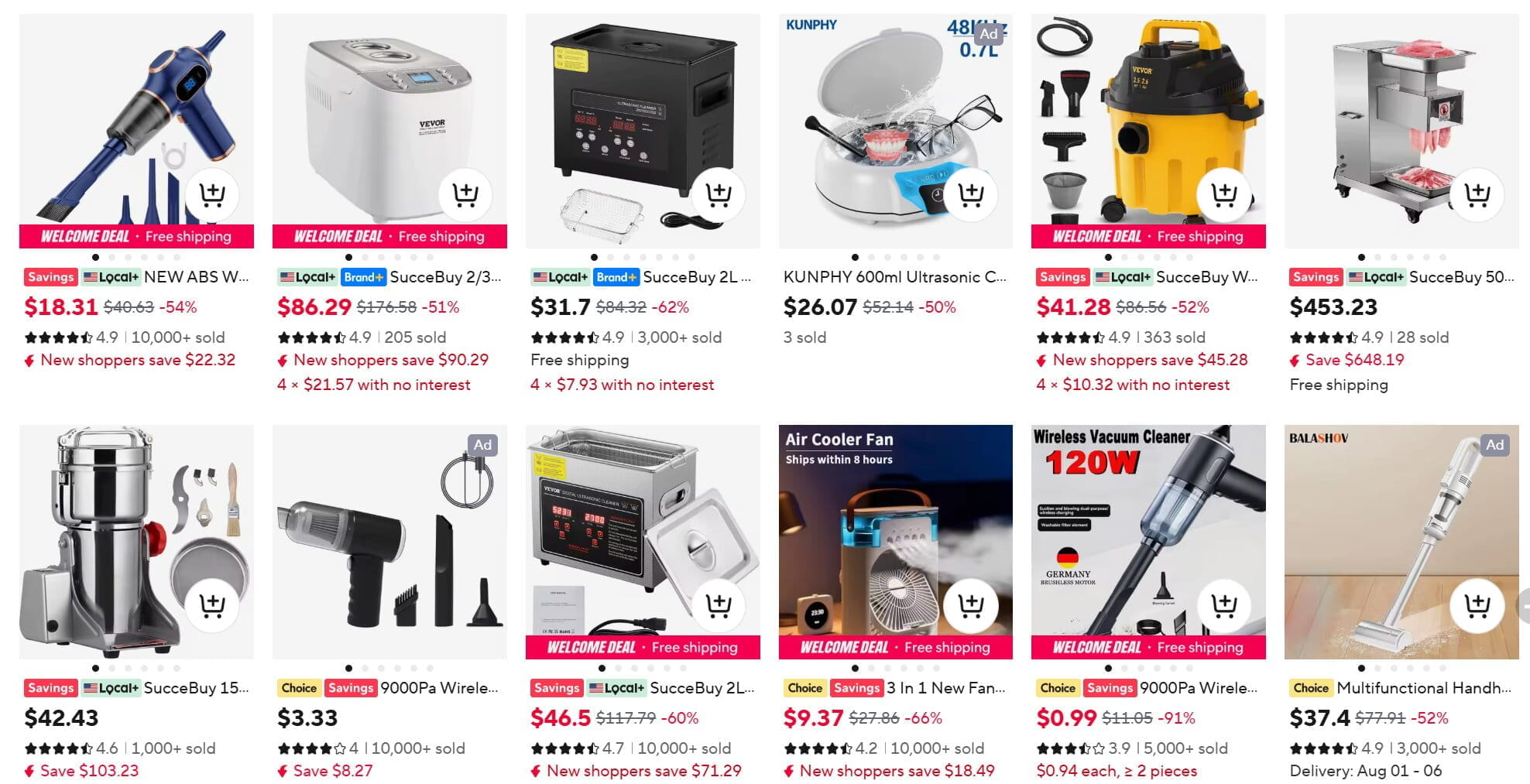
5. Everyday goods round out the list: soap, shaving foam, dish soap, toothpaste, toilet paper, laundry detergent.
Identifying Top-Selling Products on eBay
eBay remains one of the best places to start a dropshipping business, and it’s a natural fit for aliexpress to ebay sellers specifically. According to unofficial estimates, roughly 35% of sellers on eBay run some form of dropshipping. eBay reports around 132 million active buyers globally in its most recent investor disclosures, still one of the largest built-in audiences of any marketplace, and one you don’t have to build yourself.
eBay is easy to use: registration, listing creation, and buyer communication are all straightforward. It also keeps innovating on payment options and doesn’t require external advertising, since sellers can promote inside the platform using eBay’s own tools.
A note on fees. eBay’s standard commission, the Final Value Fee, currently runs around 13.6% of the total sale amount for most categories, though this varies by category and can range roughly 10 to 15%. We break this down fully later in the guide, since it directly affects how you price for margin.
According to purchase data, the most popular categories on eBay are:
- gadgets, electronics, and accessories
- clothing and footwear
- perfumes and cosmetics
- collectibles (vintage books, medals, etc.)
Notice the overlap with AliExpress’s own top categories; that overlap is exactly why ebay aliexpress sourcing works so well as a pairing.
Alongside popular products, remember there are also banned ones. eBay operates in several countries, each with its own restricted-items list, plus items banned platform-wide. You cannot list:
- Short-shelf-life food products. As with most marketplaces, raw or perishable food can generally only be sold by local sellers with fast (same-day) delivery and proper transport conditions.
- Medicines. Only licensed, specialized vendors can sell medication, a license eBay itself doesn’t grant.
- Live animals. Taxidermy and animal-derived materials like ivory are also banned.
- Certain art objects.
- Coupons and credit cards.
- Used clothing and cosmetics, since eBay can’t verify condition, so these categories are restricted.
- Alcohol and tobacco, both requiring certification and licensing, same as medicine.
- Pesticides, plants, and seeds.
- Services and real estate.
- Anything posing a health risk or enabling illegal activity.
This list isn’t exhaustive; always check eBay’s current prohibited-items policy before listing. Violations carry real consequences: reduced visibility, listing removal, or account suspension.
Navigating the eBay marketplace to find product ideas
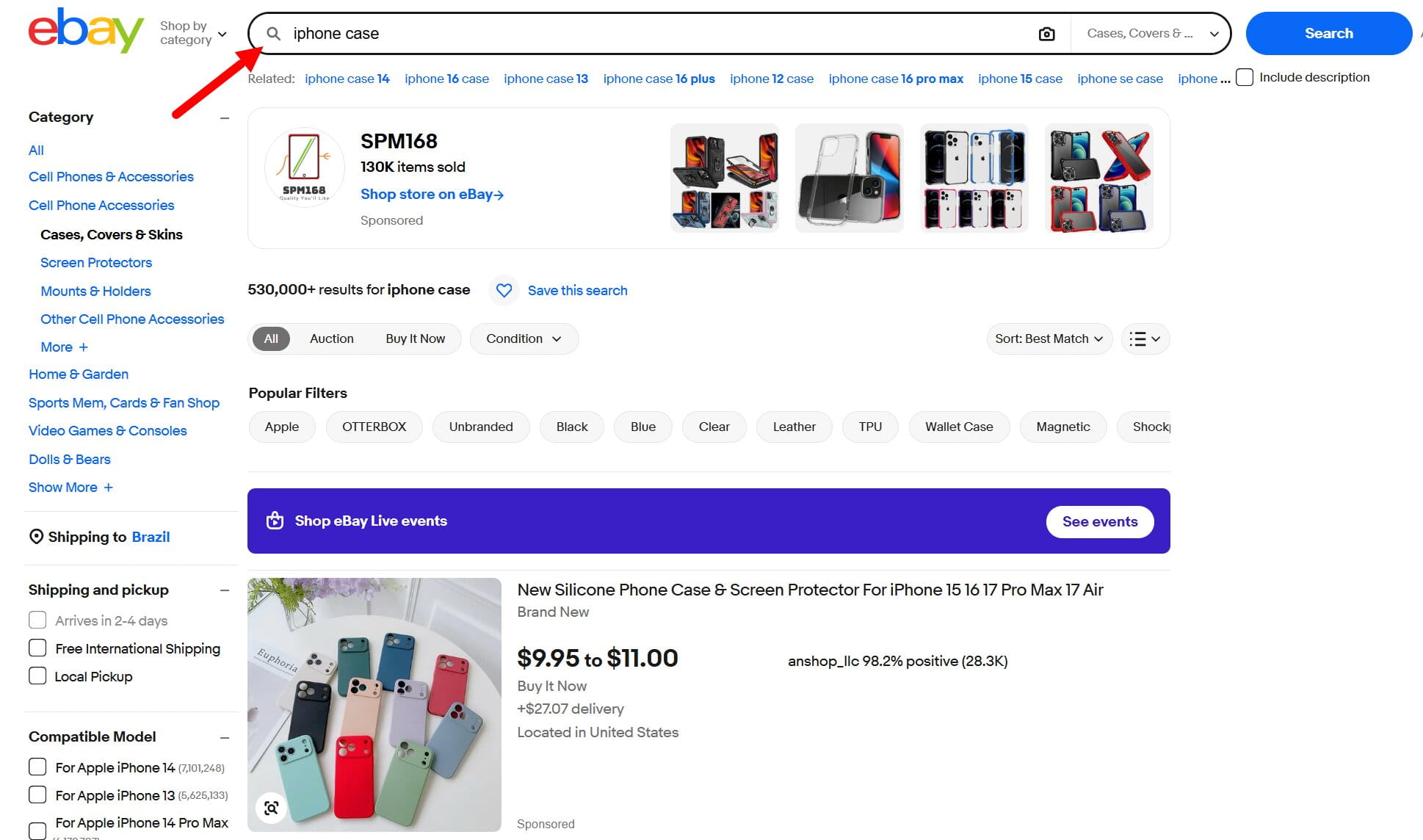
Like other marketplaces, eBay lets you filter by brand and product parameters (color, size), plus browse Daily Deals and Sales & Events for discount-driven ideas, though these sections rotate frequently.
Reviews are a strong popularity signal: no reviews usually means a product is either brand new or simply not selling. Best to avoid those, especially early on, and focus on items with proven demand.
Setting Up Your Dropshipping Business Step by Step
Step 1: Creating an eBay Account
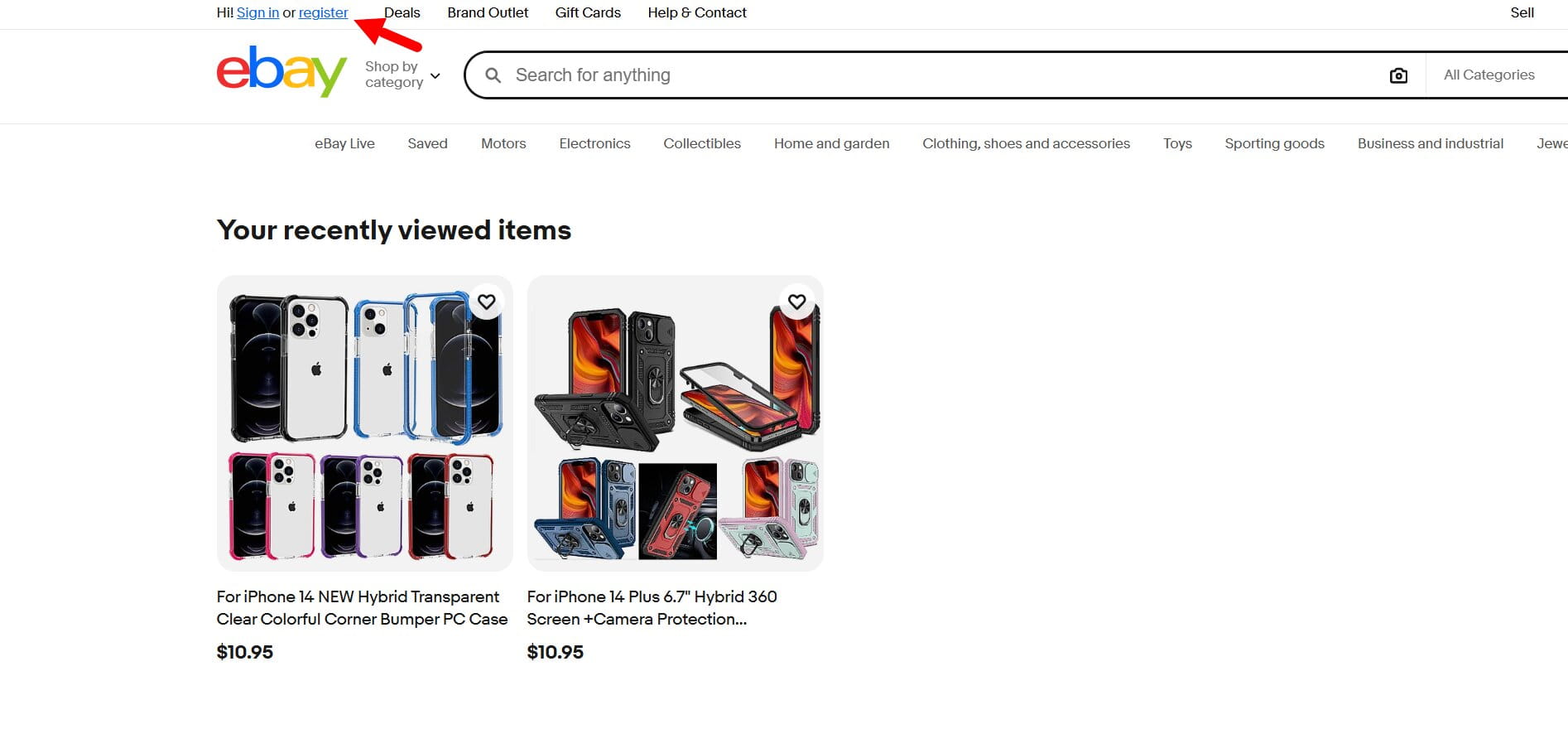
Registration is quick: click “Register” in the top-left corner and follow the prompts.

Step 2: Setting Up a PayPal Account
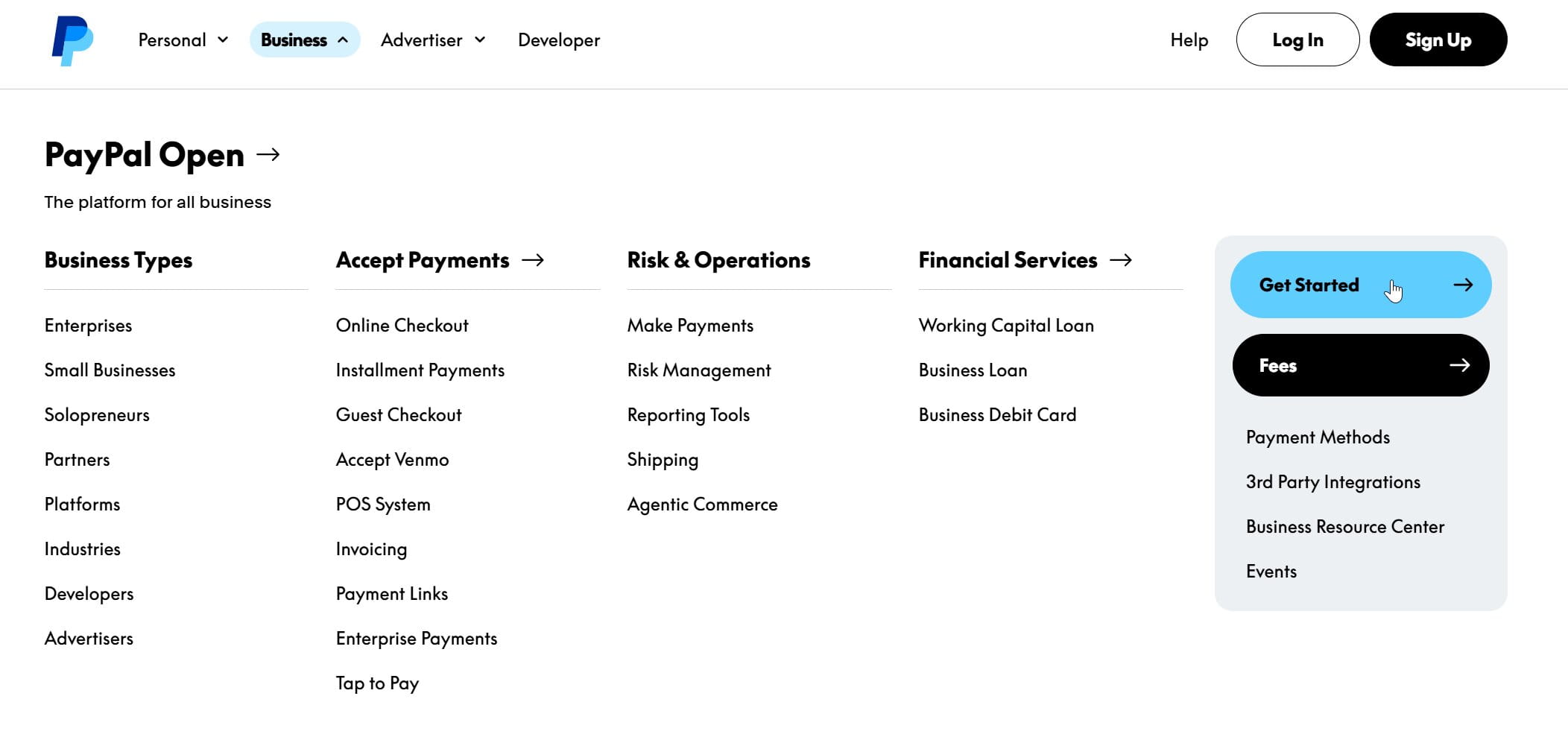
PayPal is still the most widely used payment method across marketplaces. Link it to your eBay store so buyers can pay through it, and enable the “I prefer PayPal payments” option if that’s your primary rail.
Step 3: Setting Up an AliExpress Account
Registering on AliExpress is even simpler than on eBay.
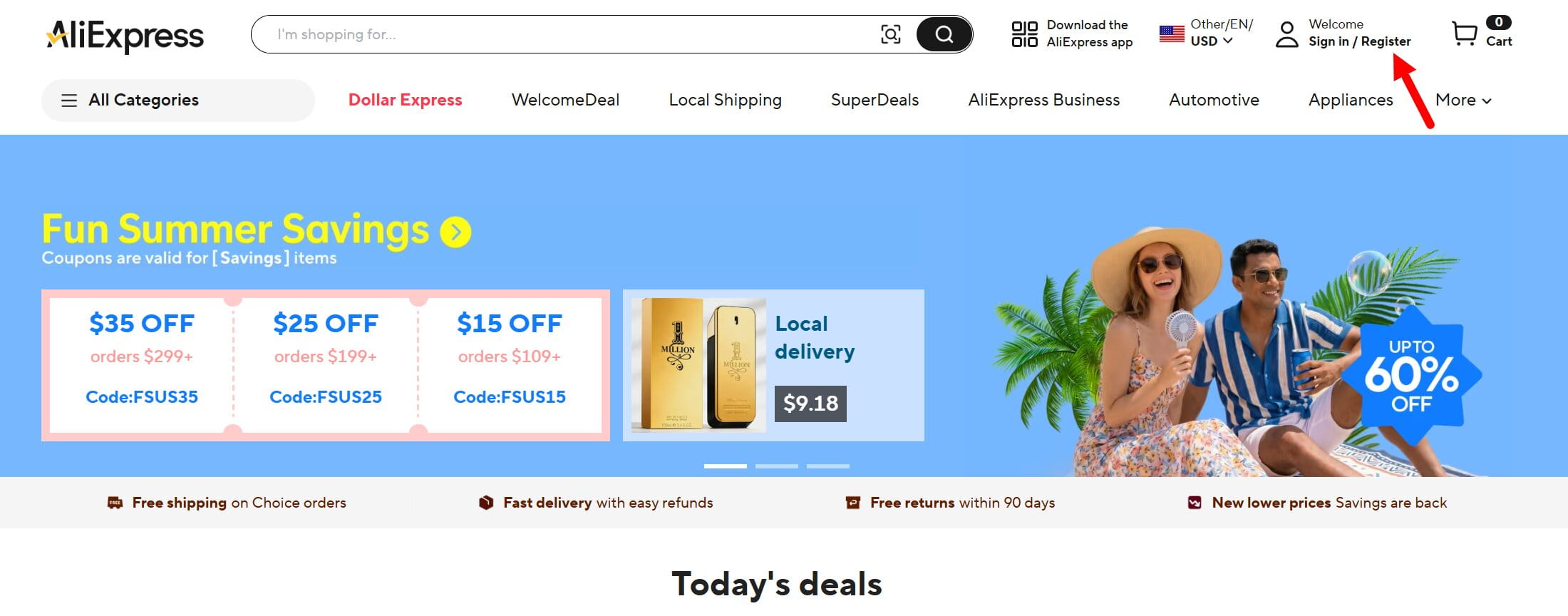
Click the account icon in the top-right corner, enter your email and password, and you’re ready to browse and buy like any regular shopper.
Step 4: Finding and Working with Suppliers on AliExpress
Choosing suppliers is one of the most important steps in this business. The ideal supplier ships quality products on time through a reliable carrier, but finding that supplier on the first try isn’t always realistic. Expect to switch a few times before things stabilize. Read genuine buyer reviews, check how long the supplier has been active, and be cautious with brand-new sellers who have no track record yet, no matter how attractive their pricing looks.
If you’re unsure, order the product yourself first. Nothing beats first-hand experience before committing to a supplier relationship.
Step 5: Setting Up a Website or Online Store
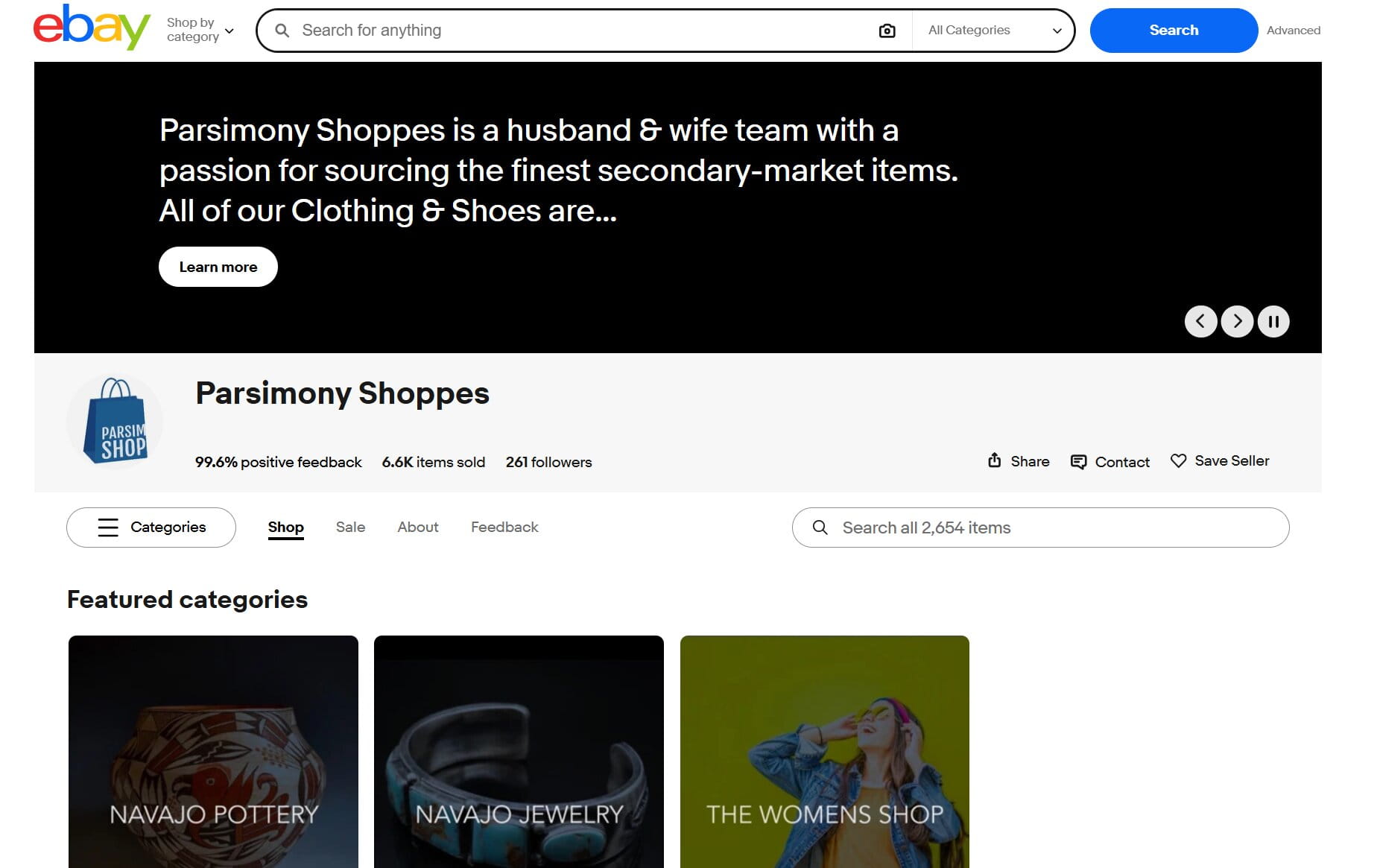
Website or marketplace store: the right call depends mainly on what you’re selling. If your products fall anywhere close to eBay’s restricted list, a standalone website is the safer route. The tradeoff is that you’ll need to build your own audience, typically through social media advertising.
For most beginners, though, registering on eBay is the stronger starting point. Yes, eBay has more seller requirements than a blank website, but it also comes with a large built-in buyer base and free, on-platform promotion tools you don’t have to build yourself.
Listing Products on eBay
Creating an eBay Listing
- Go to Seller Hub → Listings
- Create a listing
- Use the Preview option to check how it will appear to buyers before you publish
At the bottom of the listing editor, you’ll see four options:
- List item publishes the listing live
- Preview shows exactly how buyers will see it
- Save as draft pauses the listing so you can finish it later
- Cancel discards the draft entirely
Importing Products from AliExpress to eBay
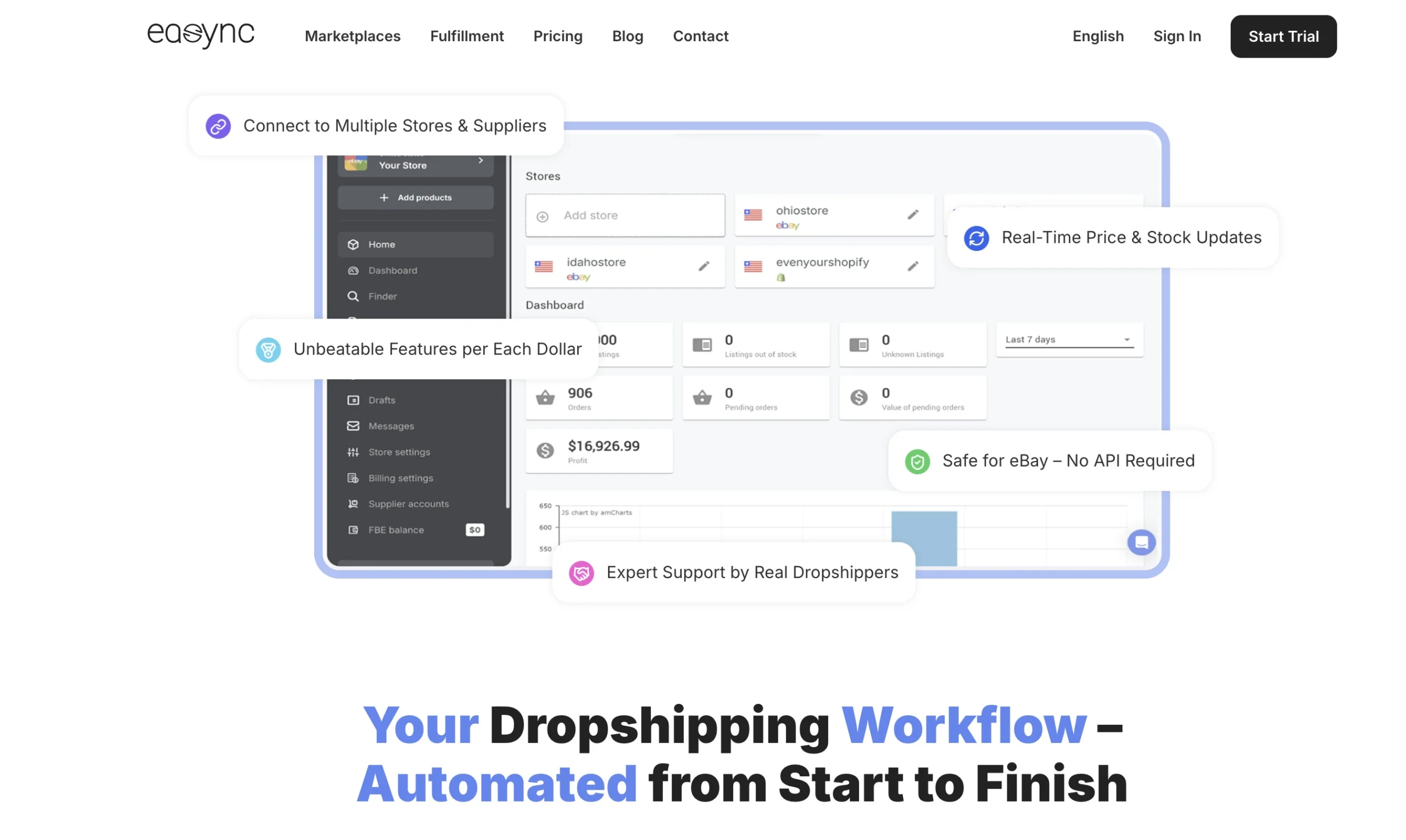
Use the process above for manual listings: find the item on AliExpress and rebuild it in your eBay store. That’s manageable for a handful of listings. Once volume grows, manual copying becomes the bottleneck, which is where a dedicated ebay aliexpress automation tool like Easync earns its keep: add a list of product IDs, click one button, and the listings go live automatically, usually in well under 10 minutes for a full batch.
Optimizing Product Titles and Descriptions
Headlines longer than 60 characters tend to perform best, and eBay caps titles at 80 characters, so plan around that limit. Keep titles informative and concise, front-loaded with the keywords buyers actually search for. Leave dimensions and color out of the title itself; those belong in the description. Skip capitalizing every word, and avoid clutter like asterisks or brackets, since extra characters can hurt your search placement.
Give the description real detail. The more complete the information, the better your odds of ranking near the top of search results.
eBay allows up to 12 free photos per listing, so use all of them. If AliExpress offers more images than that, pick the strongest ones.
Setting Competitive Prices and Margins
Check competitor pricing for similar products before you set yours, and aim for a competitive average rather than the cheapest or most expensive option in the category. Factor in every fee you’ll actually pay (eBay’s, PayPal’s or your payment processor’s, and any automation service you use) before locking in your margin.
A closer look at eBay’s fees, since they drive your real margin:
- Final Value Fee (FVF): roughly 13.6% for most standard categories, calculated on the total amount the buyer pays, meaning item price, shipping, and any sales tax included, not just the item price. Some categories run lower (around 7%) or higher (up to 15%).
- Per-order fee: a fixed $0.30 on orders of $10 or less, $0.40 on orders above $10, on top of the percentage-based FVF.
- International fee: an additional ~1.65% on sales to buyers outside your home country.
- Currency conversion fee: around 3% when a payment needs converting into your local currency.
- Below Standard seller penalty: if your account performance drops below eBay’s standard, expect an extra ~5.5 to 6% added to your FVF on every sale, a real threat to thin dropshipping margins.
- Store subscription: an eBay Store plan (from roughly $21.95/month for Basic) increases your free-listing allowance and can lower your effective FVF at volume, worth modeling once you’re consistently over ~250 listings a month.
- Promoted Listings: optional, pay-per-sale advertising, typically 2 to 8% of the sale price, charged only if a buyer clicks through and buys.
Run these numbers before you price a product, not after. A listing that looks profitable at “13%” can turn thin once the per-order fee, international fee, and any performance penalty are layered on top.
Beyond fees, keep promotions and discounts in your toolkit, since they’re one of the fastest ways to win first-time buyers. Lean on them harder early on, paired with social media and email outreach.
Fulfilling Orders and Managing Customer Service
Processing Orders on AliExpress
Ordering on AliExpress is simple: select the product, click “Buy Now,” enter your buyer’s shipping details, and the order moves into fulfillment. This is the step where an aliexpress ebay workflow either runs smoothly or turns into a support headache, so keep an eye on shipping time, since it varies by supplier and destination country.
Handling Customer Inquiries and Concerns
If an eBay order runs into trouble, AliExpress is generally responsive to buyer-side issues. Most suppliers offer a window to raise a problem directly with them or, if that doesn’t resolve it, to open a formal dispute, but the exact number of days and the process can vary by supplier and by order type (Choice vs. non-Choice), so it’s worth confirming the current terms on the specific listing rather than assuming a fixed number.
On the eBay side, handle friction calmly: reply promptly, stay polite even in tense situations. It protects your reputation and seller rating over time.
Managing Returns and Refunds
AliExpress return and refund windows also vary by supplier and order type. Check the specific policy shown on each listing rather than relying on a single universal number, and mirror whatever window you confirm in your own eBay shipping/return policy so buyer expectations match what your supplier will actually honor. If an item never arrives, or arrives faulty, a dispute typically leads to a refund.
Treat customers well and it comes back to you in repeat business and better ratings. The same goes for suppliers: long-term relationships are usually where personal discounts start showing up. Aim to resolve friction on both sides peacefully whenever you can.
Automating AliExpress to eBay Dropshipping in 2026
Quick answer: manually listing products one by one stops scaling past a handful of SKUs. An aliexpress to ebay dropshipping tool automates listing creation, price syncing, and order fulfillment in minutes instead of hours, which is the main lever for growth once your product research is already working.
Cutting-edge automation is one of the biggest shifts in aliexpress dropshipping ebay businesses over the past couple of years. Automated order processing, shopping cart integration, live inventory updates, and vendor syncing all cut down the manual work and the human error that comes with it.
For anyone running more than a few dozen listings, this is exactly the bottleneck automation solves. An aliexpress to ebay lister takes a product page from AliExpress and rebuilds it as a compliant eBay listing (title, images, variations, description) without you retyping any of it.
Easync is built around that workflow specifically for dropshipping ebay aliexpress sellers:
- Bulk listing: paste a list of AliExpress product IDs and Easync lists them on eBay automatically, usually in under 10 minutes for a full batch.
- Price and stock monitoring: if a supplier’s price changes or stock runs out, your eBay listing updates or pauses automatically, so you’re never fulfilling an order you can no longer source.
- Order automation: when a buyer pays on eBay, the matching AliExpress order can be placed automatically with the buyer’s shipping details already filled in.
- Multi-marketplace support: the same workflow extends to Amazon, Walmart, and Shopify, if dropshipping on ebay from aliexpress is one channel among several for you.
Looking for an aliexpress to ebay dropshipping tool free to start with? Easync offers a 7-day free trial, so you can test the full listing-to-order workflow on a small batch before deciding whether to scale it.
Product research, SEO-minded titles, and accurate fee calculators (tools like Zik Analytics cover this ground well) still matter; automation doesn’t replace that work. What it does is free up the hours you’d otherwise spend on repetitive listing tasks, so you can put them into the parts of the business that actually move margin: research, pricing, and customer service.
Conclusion
We’ve walked through the full arc of dropshipping from aliexpress to ebay: sourcing products, listing them, pricing around real fees, and fulfilling orders. Like any dropshipping model, it has clear upsides and real tradeoffs.
On the plus side, eBay’s built-in audience and ease of entry make it one of the best starting points for a new seller, and its fee structure, while worth calculating carefully, remains reasonable relative to the traffic it delivers. AliExpress’s core advantage is unchanged too: a massive catalog at prices most American marketplaces can’t match.
The tradeoffs haven’t disappeared either. AliExpress shipping still takes longer than domestic fulfillment, and finding the right supplier among thousands of options takes real time. eBay’s restricted-items list is worth reading closely before you commit to a niche, so you’re not caught off guard later.
Weigh these points deliberately before you set up shop, and dropshipping on ebay from AliExpress remains one of the most accessible ways to start an online business with minimal upfront risk.
Easync is ready to help you build and automate that business.
FAQ
What is dropshipping from AliExpress to eBay?
Dropshipping from AliExpress to eBay means listing AliExpress products on eBay and purchasing them from AliExpress only after a sale happens on eBay, with no inventory held in between. This is the core of ebay aliexpress dropshipping.
Is dropshipping from AliExpress to eBay allowed?
Yes. eBay permits dropshipping when you fulfill orders through a supplier relationship rather than through retail arbitrage. Always check eBay’s current dropshipping and prohibited-items policies before listing, since enforcement details can change.
How do shipping times from AliExpress actually work now?
AliExpress Standard and Choice Shipping have effectively replaced ePacket, which most suppliers no longer offer as an option; the underlying ePacket agreement hasn’t been formally cancelled, but it’s no longer practically relevant to most listings. On top of that, the May 2025 removal of the US de minimis exemption means China-origin parcels now go through formal customs processing regardless of declared value, which can add a few days versus pre-2025 timelines. Set buyer expectations accordingly, and always favor a tracked shipping option over an untracked one.
What tools can help with dropshipping on ebay from aliexpress?
Tools like Easync automate listing creation, price/stock monitoring, and order processing, which is the main lever for scaling past what you can manage manually.
How can I ensure product quality when dropshipping?
Vet suppliers carefully, read genuine buyer reviews, and order a sample yourself before listing a product at scale.