Key Takeways
- Fast, automated fulfillment is now the core competitive edge for any dropshipping store in 2026, especially as US and EU buyers expect delivery in 2–5 days.
- The best dropshipping fulfillment services solutions combine local warehouses, reliable dropshipping suppliers, automation tools, and strong supplier vetting to protect product quality.
- Using Easync automation for sourcing, repricing, auto-ordering, and tracking, plus FBE Easync for eBay, creates one of the strongest fulfillment setups available.
- Sellers should match fulfillment partners to their niche, whether that means print on demand, pet supplies, custom products, heavy items, or branded dropshipping.
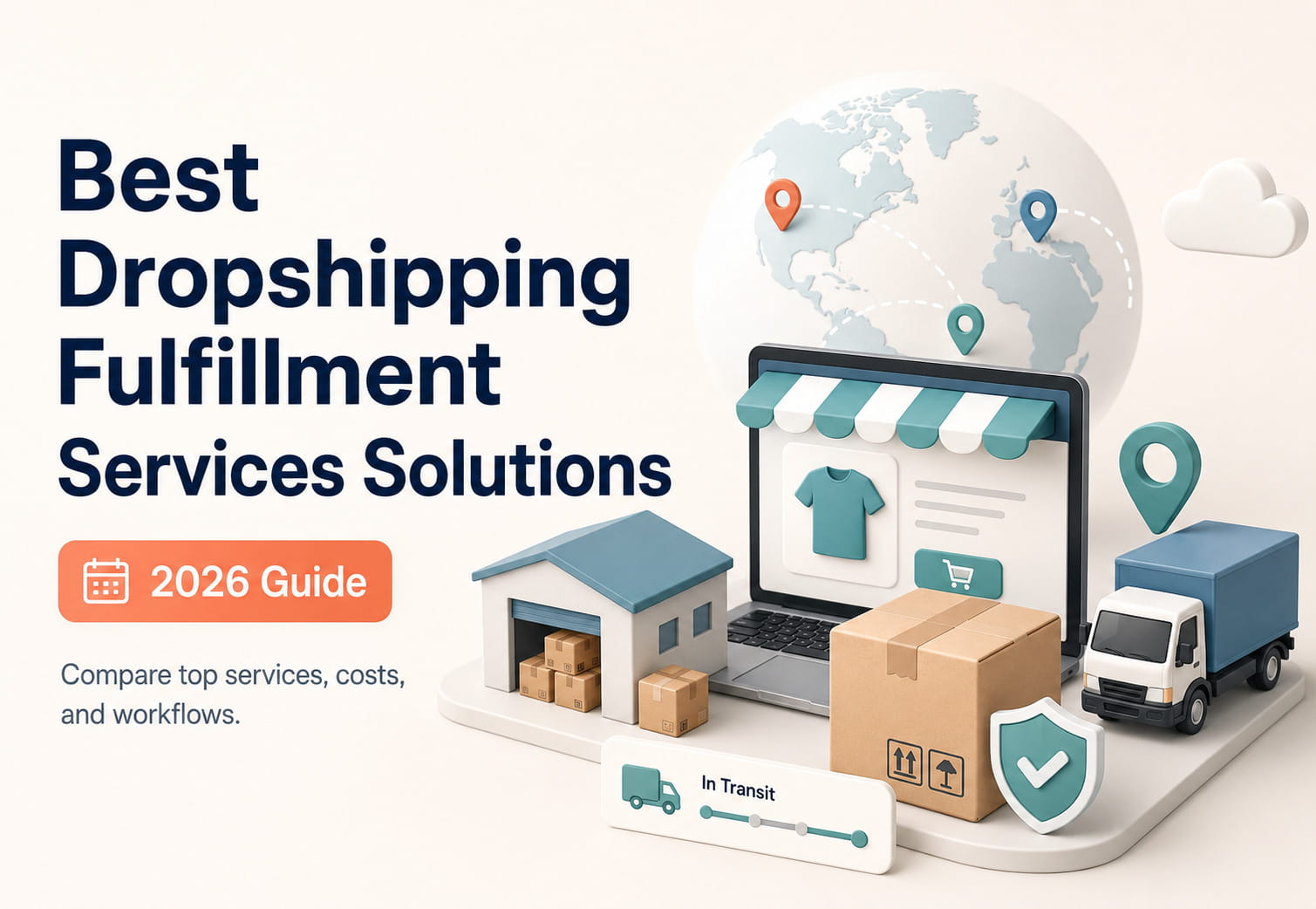
- This guide compares top services, explains key criteria, and gives you a practical workflow for choosing the right dropshipping platform and suppliers.
Introduction: Why Fulfillment Is the Real “Best Dropshipping” Factor in 2026
In 2025–2026, the landscape of e-commerce depends heavily on speed, reliability, and automation. Fulfillment in dropshipping refers to the process of handling and shipping customer orders, where the dropshipping supplier ships the product directly to the buyer after the retailer forwards the order details. That includes inventory storage, order processing, packing, shipping, tracking, returns, and customer support across niches like fashion, electronics, pet supplies, and print on demand.
A dropshipping supplier is an intermediary that allows retailers to sell products without holding inventory, as they ship products directly to customers on behalf of the retailer. This retail fulfillment method still lowers startup risk because dropshipping significantly reduces the financial barrier to entry, allowing small businesses to launch an online store with minimal upfront investment. Since dropshipping businesses do not handle physical products, operating costs related to storage, packaging, and shipping labor are drastically minimized.
But relying only on slow AliExpress-style delivery is no longer enough if you want repeat buyers, positive reviews, and customer satisfaction. In this guide, you will learn:
- Which fulfillment service types fit different online retailers.
- How to compare shipping times, shipping costs, integrations, and product quality.
- Why automation tools like Easync are essential for automated dropshipping.
- How to build a practical fulfillment process for your ecommerce business.
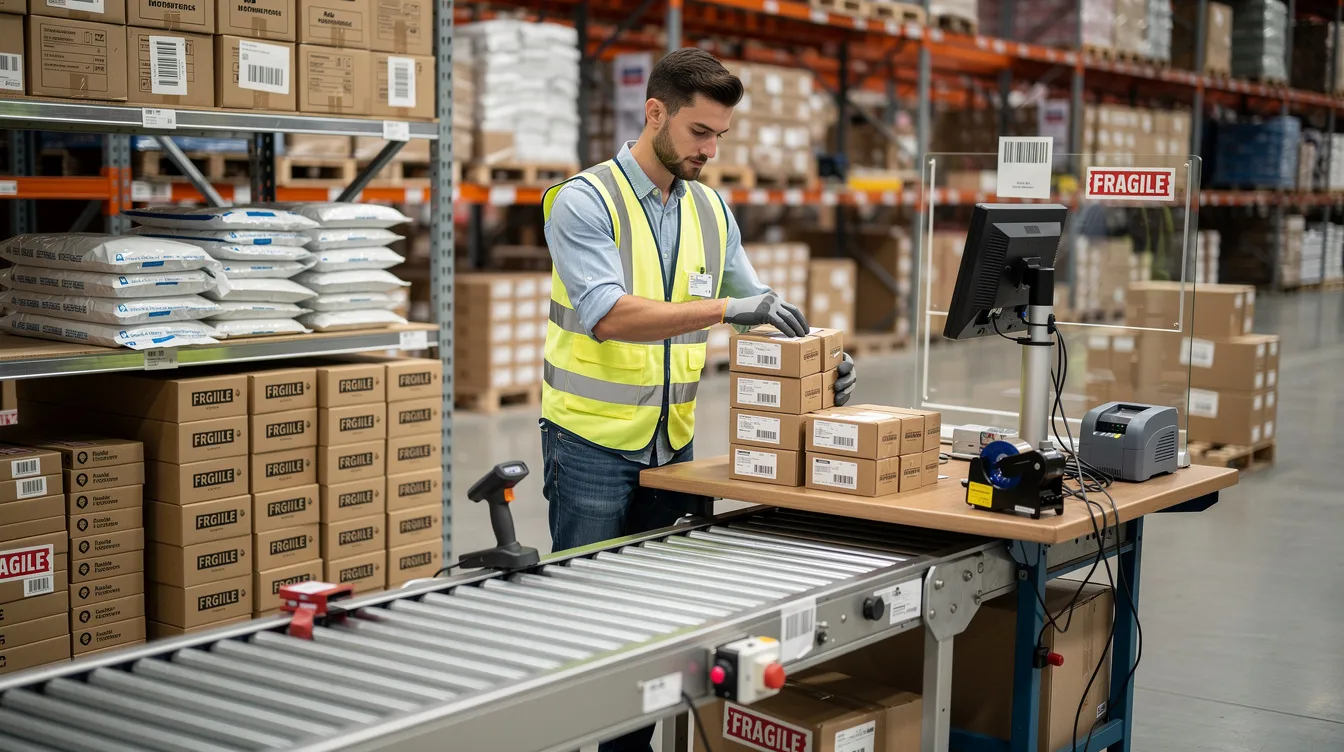
Best Dropshipping Fulfillment Services in 2026: Quick Comparison
Not all dropshipping fulfillment services solve the same problem. Some are built for fast marketplace delivery, some work better for Shopify brands, some specialize in print on demand, and others help eBay sellers automate fulfillment, tracking, and supplier workflows. Use the table below to compare the main fulfillment models before choosing a provider for your store. When comparing dropshipping fulfillment companies, focus less on the brand name alone and more on shipping speed, channel fit, automation depth, returns handling, and whether the provider can support your store as order volume grows.
| Service | Best for | Fulfillment model | Main strengths | Best sales channels | Shipping speed |
|---|---|---|---|---|---|
| FBE Easync | eBay dropshipping sellers | eBay-focused fulfillment + automation | Warehousing, faster handling, tracking sync, Easync automation | eBay via Easync | 2–5 days when stocked locally |
| Amazon FBA | High-volume Amazon sellers | Marketplace fulfillment | Prime-style delivery, returns, large warehouse network | Amazon | 1–5 days |
| ShipMonk | Growing multichannel brands | 3PL fulfillment | Kitting, custom packaging, inventory dashboard | Shopify, Amazon, eBay, Walmart | 2–5 days |
| Shopify Fulfillment Network | Shopify-first stores | Shopify-native fulfillment | Store integration, inventory placement, delivery promises | Shopify | 2–3 days in many US regions |
| Red Stag Fulfillment | Heavy or fragile products | Specialized 3PL | Accuracy guarantees, bulky item handling, SLAs | Shopify, Amazon, DTC | 2–3 days ground in many US areas |
| Gelato | Print-on-demand brands | Local POD production | Custom products, global print partners, no inventory | Shopify, Etsy, WooCommerce | 2–7 days production + shipping |
| Spocket | US/EU supplier dropshipping | Supplier marketplace | Domestic suppliers, faster regional shipping, vetted products | Shopify, WooCommerce, Wix | Often 2–7 days |
| China-based providers | Product testing and broad catalogs | Supplier-based fulfillment | Low prices, large catalogs, trending products | Shopify, eBay, Amazon via apps | 7–20+ days |
The best option depends on your main sales channel, product type, order volume, and customer region. eBay sellers usually need strong tracking synchronization and fast handling, Shopify brands may care more about packaging and multichannel inventory, while new stores often start with supplier-based fulfillment before moving winning products into local warehouses.
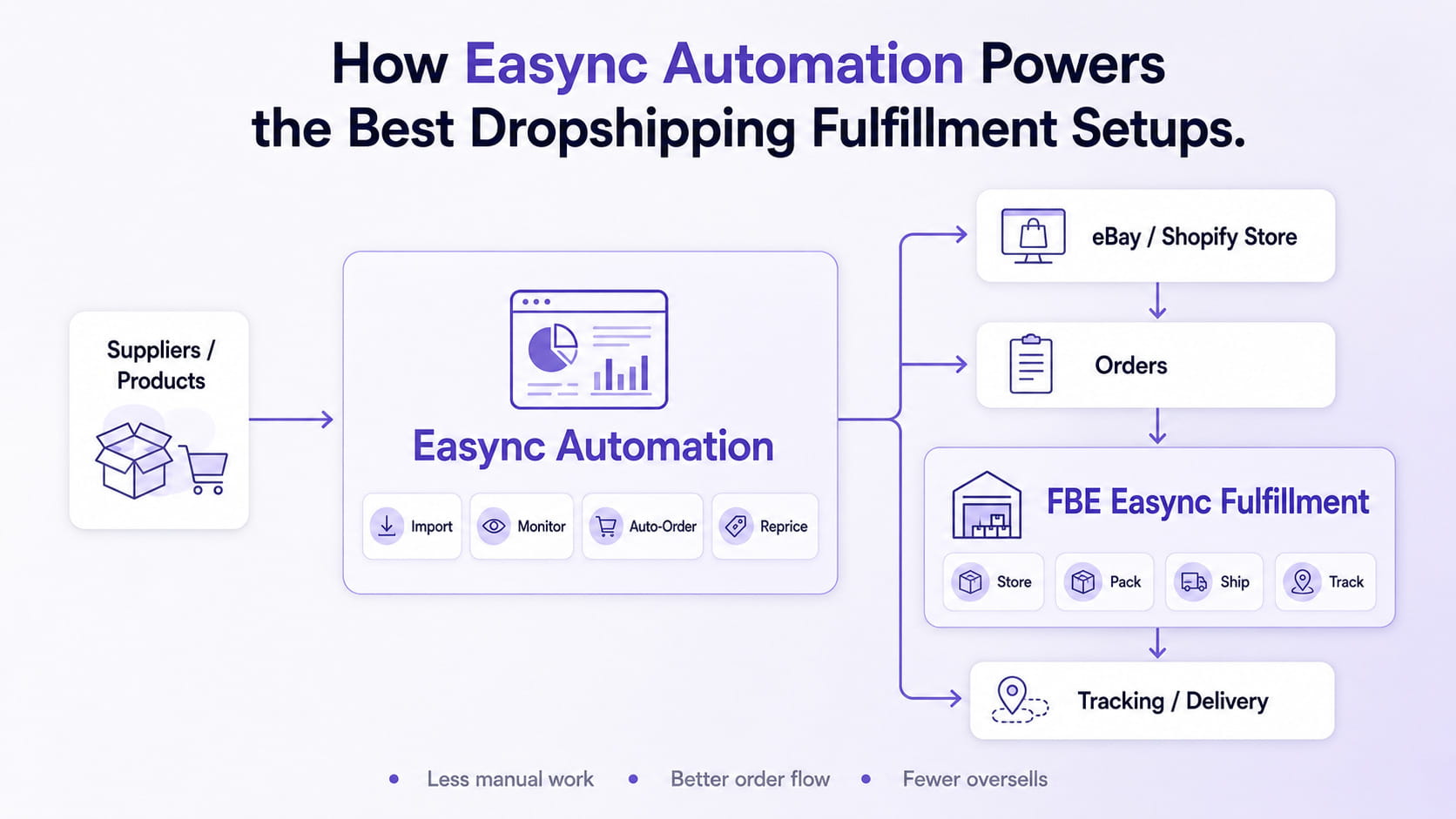
How Easync Automation Powers the Best Dropshipping Fulfillment Setups
For the best dropshipping fulfillment service solutions, it is highly useful to use Easync automation as the central software layer. Dropshipping software Easync supports automated product importing, real-time stock and price monitoring, auto-ordering, repricing rules, tracking synchronization, and multi-account workflows. Easync sits between your online store, such as eBay or Shopify, and your dropshipping suppliers, reducing manual data entry, improving order processing, and helping prevent overselling.
Many dropshipping fulfillment companies offer automation tools to sync your store with their system, ensuring smooth order handling and reducing the risk of errors. Integrating dropshipping suppliers with eCommerce platforms can streamline operations by automating order processing, inventory management, and customer data synchronization. Effective integration of dropshipping suppliers allows for real-time inventory updates, which helps prevent overselling and improves customer satisfaction.
Using integration tools can significantly reduce manual data entry, ensuring that sales and shipping data are accurately reflected across platforms, which enhances operational efficiency. Combining Easync with FBE Easync for eBay creates an almost fully automated pipeline from listing to shipment, especially useful when scaling multiple dropshipping stores in 2026.
Key Easync features to prioritize:
- Automated product importing from major marketplaces for faster product sourcing.
- Real-time stock and price monitoring to avoid cancellations and protect margins.
- Auto-ordering and repricing rules for automating order fulfillment.
- Tracking synchronization and multi-account workflows for better product management across several stores.
Core Criteria for Choosing the Best Dropshipping Fulfillment Service
Not every “best dropshipping supplier” is right for every ecommerce business. Choosing the right fulfillment service is key to running a successful dropshipping store, as it helps save time, ensures smooth deliveries, and keeps customers happy.
The right dropship fulfillment provider should match your sales channel, product type, customer region, and automation requirements. A Shopify store selling branded products may need different fulfillment support than an eBay seller focused on fast tracking updates or a print-on-demand brand managing custom products.
- Shipping speed and coverage: US and EU customers increasingly expect 2–5 day delivery, while 10–20 day international shipping is usually acceptable only for testing or low-urgency products. Dropshipping suppliers can vary widely in terms of shipping speed, product quality, and pricing, which can significantly impact a retailer’s success and customer satisfaction.
- Product quality and returns: When selecting a dropshipping supplier, it’s essential to consider factors such as product quality, reliability, order processing times, and shipping costs to ensure customer satisfaction. Vetted suppliers can drastically reduce product return rates in dropshipping fulfillment, so order product samples, test product quality, and ask about return rules before scaling.
- Integrations and automation: Your fulfillment partner should connect with Shopify, WooCommerce, Amazon, eBay, and other sales channels. Dropshipping platforms differentiate themselves through features such as automated inventory syncing, fast regional shipping, and custom branding.
- Pricing structure and margins: Fulfillment services can vary widely in terms of pricing, features, and capabilities, making it essential for businesses to evaluate their specific needs when selecting a provider. Model pick-and-pack fees, storage, returns, platform subscriptions, shipping costs, bulk discounts, and custom pricing based on order volume.
- Niche suitability: Choosing the right dropshipping fulfillment service depends on factors like target audience, platform, and product niche. Use print on demand for custom products, heavy-item specialists for oversized goods, and domestic suppliers for same-week delivery.
To verify the legitimacy of a dropshipping supplier, you should check their business registration, read online reviews, request references, and ask for product samples to assess quality. Effective communication and transparency with your dropshipping supplier are crucial for maintaining a good working relationship and addressing any issues that may arise during the partnership.
Best General-Purpose Fulfillment Solutions for Dropshipping Stores
General-purpose fulfillment providers work well for standard dropshipping products such as home goods, accessories, fitness items, beauty products, and pet supplies. These services are especially useful once sales data shows that a product is stable enough to move from pure dropshipping into stocked fulfillment.
Amazon Fulfillment by Amazon
Amazon FBA is strongest when you want fast shipping, customer trust, and reliable returns. In 2026, FBA is still powerful for sellers who own bulk inventory rather than relying only on a third party supplier.
Pros:
- Prime-style delivery and strong reliable shipping.
- Robust returns handling and customer service infrastructure.
- Strong fit for in demand products with predictable demand.
Cons:
- Storage fees rise sharply in Q4; reference data shows standard-size storage around $0.78/cu ft/month from January to September and about $2.40/cu ft/month in Q4.
- Low-inventory, inbound, and aged-inventory fees can reduce margins.
- Less flexible for experimental SKUs.
Ideal use case: established Amazon sellers with predictable sales data and enough margin to absorb fees.
Shopify Fulfillment Network
Shopify Fulfillment Network is built for sellers who run a Shopify-based dropshipping business and want tighter integration with their storefront. It can help streamline order processing, manage inventory placement, and support 2–3 day US delivery in many regions.
Pros:
- Strong fit for Shopify merchants.
- Seamless integration with the ecommerce platform.
- Useful for scaling from dropshipping into stored inventory.
Cons:
- Coverage may be uneven outside major markets.
- Pricing can become complex as SKUs and volume increase.
Ideal use case: a Shopify store that has proven demand and wants faster local delivery.
ShipMonk or Similar 3PL
ShipMonk is useful for multi-channel sellers that need a centralized dashboard across Shopify, Amazon, Walmart, and eBay. It is often a practical bridge between basic dropshipping and larger warehouse operations.
Pros:
- Good for small businesses shipping roughly 50–500 orders per month.
- Supports custom packaging, kitting, and branding.
- Works across multiple ecommerce platforms.
Cons:
- Service quality can vary by warehouse and peak season.
- Setup, receiving, and storage fees need careful review.
Ideal use case: online retailers building a branded dropshipping operation with several SKUs.
US-Based 3PLs Like Red Stag Fulfillment
Some products need more care than a standard warehouse provides. Red Stag Fulfillment is known for heavy, bulky, high-value, or fragile products where accuracy and damage prevention matter.
Pros:
- Strong SLAs and handling guarantees.
- Good fit for expensive or oversized products.
- Helps protect brand reputation through reliable product quality.
Cons:
- Higher cost for small, lightweight items.
- Not ideal for testing hundreds of low-volume products.
Ideal use case: stores selling furniture, gym equipment, electronics, or specialty products.
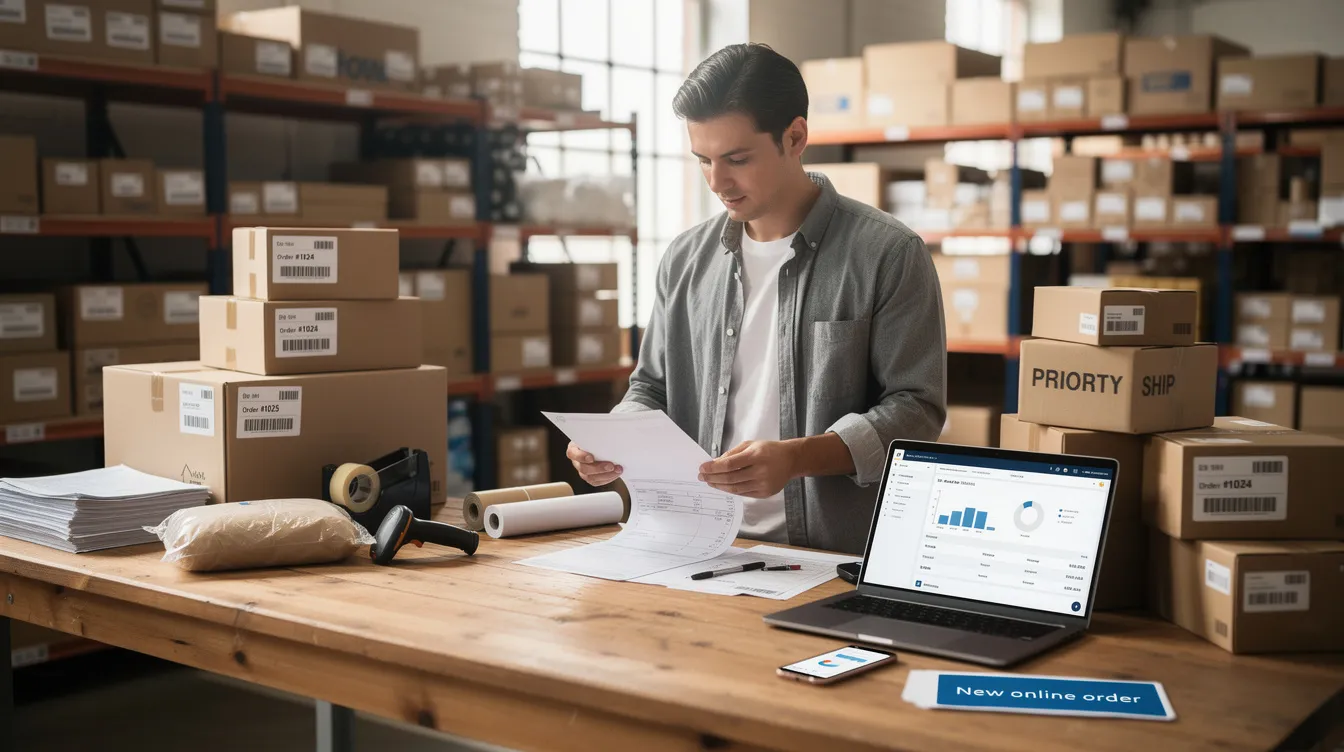
Specialized Fulfillment for Print on Demand and Custom Products
Print on demand has become one of the best dropshipping models for creators and brands that want to sell products online without holding inventory. Unlike traditional retail, POD lets you upload designs and sell custom products only after customer purchases are made.
Gelato
Gelato operates a large localized production network, with 140+ print partners in 32 countries. It is useful for custom apparel, wall art, mugs, and custom merchandise where local production reduces delays and customs issues.
Gelato is strongest when:
- Your customers are spread across the US, EU, and other regions.
- You want faster local production for custom products.
- You want to reduce waste by producing only after orders arrive.
The trade-off is consistency. POD product quality can vary by print partner, so you should order samples from each region before running ads.
Printful and Printify
Printful and Printify are popular for apparel, mugs, home decor, and branded merchandise. Printful is often chosen for branding options and quality control, while Printify gives access to multiple suppliers and broader catalog choices.
When comparing them, look at:
- Product catalog depth.
- Branding and packaging options.
- Fulfillment center locations in North America and Europe.
- Product quality control and replacement policies.
POD timelines usually include 2–7 days of production plus shipping. That affects ad copy, delivery promises, and customer service issues. If you mix POD with regular dropshipping in one store, clearly explain shipping times on product pages.
Fulfillment for High-Volume, Multi-Supplier Dropshipping Stores
When you scale to dozens of dropshipping wholesalers and thousands of SKUs, managing inventory manually becomes impossible. Dropshipping allows businesses to offer a wide variety of products without the risk of holding unsold stock, enabling them to quickly scale their product catalog without significant logistical changes.
Inventory automation platforms such as Inventory Source, Spark Shipping, Doba, or a supplier directory can connect multiple dropshipping suppliers into one system. These platforms do not always store inventory themselves; instead, they coordinate price sync, stock sync, and order routing from multiple suppliers to the final customer.
This matters because many dropshipping suppliers may list similar products at different prices, shipping speeds, and reliability levels. Pairing these platforms with Easync repricing rules and multi-account workflows helps maintain healthier margins across multiple dropshipping stores.
Use rules such as:
- Cheapest reliable suppliers win when delivery time is similar.
- Fastest supplier wins for urgent or premium products.
- Backup supplier activates when the primary supplier is out of stock.
- Underperforming suppliers are removed when defect rates or late shipments rise.
This is how top dropshipping suppliers become operational assets rather than just names in a spreadsheet.
FBE Easync: Best eBay Fulfillment Service for Scalable Dropshipping
FBE Easync is designed specifically as the best eBay fulfillment service for serious eBay dropshippers in 2026. It combines warehouse storage, order processing, packing, and shipping with tight integration to eBay listings and Easync’s automation engine.
FBE Easync helps eBay sellers improve handling times, tracking upload performance, and compliance with eBay metrics and policies. These metrics directly affect seller ratings, search visibility, and the risk of defects or cancellations.
A typical FBE Easync workflow looks like this:
- A seller imports and lists a product using Easync.
- Inventory is stocked or routed through the FBE Easync fulfillment service.
- When a buyer orders, the fulfillment process moves automatically.
- Tracking synchronization updates the eBay order.
- The seller avoids much of the manual work that causes late tracking or cancellation issues.
Compared with purely supplier-managed dropshipping, FBE Easync gives more control over packaging, shipping speed, and returns. It is particularly strong for sellers importing products from major marketplaces, then re-listing on eBay with automated price and stock monitoring to avoid cancellations and defects.
Domestic vs. International Fulfillment: Balancing Cost, Speed, and Product Range
Domestic warehouses and international suppliers solve different problems. Domestic fulfillment gives speed and trust, while international sourcing gives broader selection and lower unit cost.
- Domestic fulfillment: US/EU warehouses can deliver in 2–5 days, make returns easier, improve perceived product quality, and build trust for customers of online stores.
- International suppliers: Asia-based suppliers often provide competitive prices, huge catalogs, seasonal products, electronics, and niche pet supplies. The downside is longer shipping times and higher risk of inconsistent product quality.
- Hybrid model: Use domestic fulfillment for best-sellers and sensitive categories, while testing new trending products through global suppliers. This keeps costs flexible while improving delivery for proven winners.
For example, a US pet supplies store should use domestic suppliers for toys, bowls, supplements, and fragile items where speed matters. A global gadget store might use a US warehouse for American orders and international suppliers for low-volume accessories in Europe or Asia.
Spocket is a good example of the domestic-first trend: Spocket curates a marketplace where roughly 80% of suppliers are based in the US or Europe. That can help retailers find reliable suppliers with shorter delivery windows than many overseas-only marketplaces.
Practical Setup: Building a Reliable Fulfillment Workflow for Your Dropshipping Store
Use this playbook to build a fulfillment workflow from scratch in 2026. The dropshipping model provides time and location flexibility, allowing retailers to operate their businesses from anywhere with an internet connection and a flexible working schedule. Dropshipping is often seen as a launchpad for small businesses, enabling them to integrate their commerce operations with sales, marketing, and service teams for lasting growth.
- Define your niche and channels. Decide whether you sell apparel, fitness gear, pet supplies, electronics, print on demand apparel, or custom merchandise. Then choose your main channels: Shopify, eBay, Amazon, Etsy, Walmart, or another ecommerce platform.
- Shortlist fulfillment options. Use the comparison table above to review each fulfillment model, sales channel fit, shipping speed, automation potential, and niche suitability before choosing a dropship fulfillment company or provider. The best fulfillment partner for a boutique store may not be the same as the best option for a high-volume marketplace seller.
- Set up automation. Connect your store, supplier feeds, and Easync automation for product importing, repricing, auto-ordering, and tracking. This improves operational efficiency and reduces mistakes during order processing.
- Place test orders. Order product samples from different regions. Check packaging, tracking updates, delivery speed, product quality, and whether the supplier offers excellent customer service or exceptional customer service when issues arise.
- Monitor and improve. Track average fulfillment time, return rate, defect rate, refund reasons, supplier performance, and profit per order. Drop unreliable suppliers quickly and keep multiple suppliers available for best-sellers.
The goal is not to find one perfect provider. The goal is to build a resilient network of reliable dropshipping suppliers, automation tools, and fulfillment partners that can grow with your online store.
FAQ: Dropshipping Fulfillment Questions in 2026
How many fulfillment partners should a new dropshipping store work with?
Beginners usually start with 1–2 main fulfillment services plus a backup supplier for best-selling products. Adding too many partners too early creates complexity, especially when handling returns, shipping promises, and customer support. Easync automation makes it easier to scale to multiple dropshipping suppliers later without manually managing every order.
Can I combine print on demand with regular dropshipping in the same online store?
Yes. It is common in 2026 to mix POD for branded or custom products with standard items from wholesale suppliers. The key is to clearly communicate shipping times, return policies, and production windows on product pages. Use separate fulfillment integrations if needed, but sync tracking and customer notifications through a central tool.
What is the minimum order volume needed to use a 3PL fulfillment center?
Many 3PLs now work with small ecommerce businesses at around 100–300 orders per month, while others require higher volumes or monthly minimum fees. Before sending inventory, ask about storage, receiving, setup, returns, and exit fees. If sales are inconsistent, staying fully dropshipped may be safer until demand is proven.
How do I keep product quality consistent when using multiple dropshipping suppliers?
Order samples regularly, track customer reviews, tag orders by supplier, and compare defect rates. Reliable suppliers should have clear communication, stable inventory, and consistent packaging. If a supplier causes repeated refunds, late shipments, or customer service issues, replace them quickly.
Is it still worth using AliExpress for dropshipping fulfillment in 2026?
AliExpress can still be useful for product testing, finding trending products, or sourcing ultra-low-cost items. However, long shipping times make it harder to scale a serious brand in major markets. Once you validate demand, move winning products to faster domestic suppliers, FBE Easync, a 3PL, or another fulfillment center.

Kaylin Bailey is an experienced e-commerce strategist and content writer specializing in dropshipping, automation, and online retail growth. At Easync, she focuses on helping entrepreneurs streamline their stores with data-driven insights, practical guides, and software solutions that optimize product sourcing, pricing, and order fulfillment. With years of hands-on experience in digital commerce and platform integrations, Kaylin’s articles offer actionable advice grounded in real-world testing, helping sellers stay competitive in a rapidly evolving marketplace.