
- articles
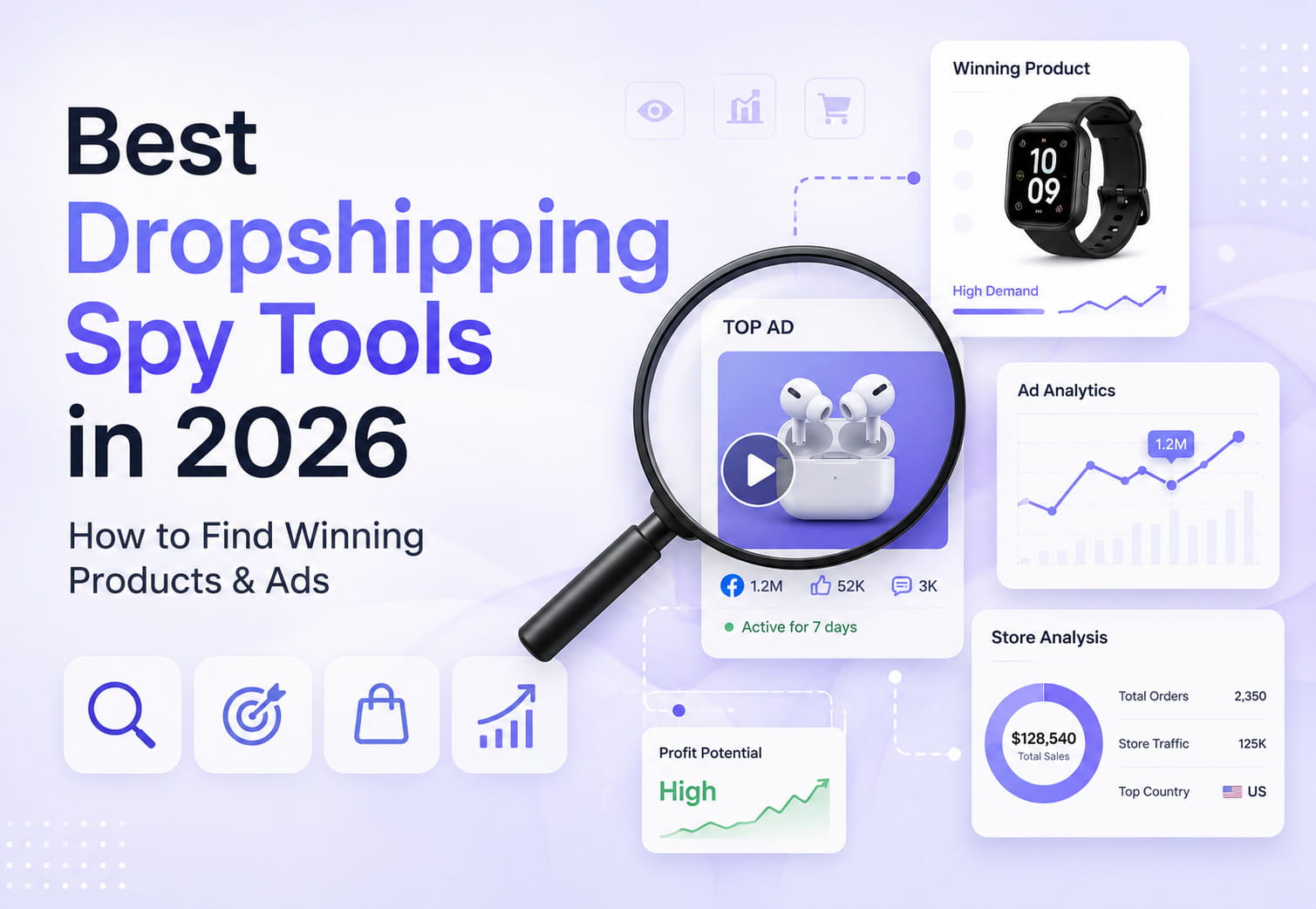
Dropshipping Spy Tools: Best Tools to Find Winners in 2026
Key Takeaways
- Dropshipping spy tools help you find winning products, analyze competitors’ Facebook ads and TikTok creatives, and make data driven decisions without guessing what to sell.
- This guide quickly lists the best dropshipping spy tools (including Easync, Minea, PipiADS, BigSpy, Dropship.io, and PPSPY) with concrete 2025–2026 pricing and feature breakdowns.
- You’ll find an early comparison table, detailed breakdowns of each tool, and a final comparison table to help you choose the right stack for your dropshipping store.
- Automation platforms like Easync combine spy-style intelligence with auto-ordering, repricing rules, and real-time stock and price monitoring for serious scaling operations.
- The guide covers both ad spy and competitor research workflows across Facebook ads, TikTok, Instagram, and Shopify dropshipping stores.
What Are Dropshipping Spy Tools (and Why They Matter in 2026)?
Dropshipping spy tools collect data on ads, products, and dropshipping stores so you can copy what already works instead of guessing. These platforms emerged around 2017-2018 when the Facebook ad library became public and Shopify store data grew accessible, allowing sellers to reverse-engineer competitor strategies.
A dropship spy software tracks winning products, enables competitor analysis, and provides ad spy data across platforms like Facebook, TikTok, AliExpress, Shopify, Etsy, and Amazon. Core use cases include:
- Competitor research to understand what successful stores are selling
- Analyze ads for creative details, ad spend indicators, and engagement metrics
- Track new product launches and identify trending products before saturation
- Find untapped trending niches by filtering geographic and demographic data
Modern tools increasingly use ai tools and ai dropshipping features. AI scoring of ads, automated product evaluation, and AI-generated creatives now help filter the noise. Dropshipping spy tools help entrepreneurs identify winning products by analyzing competitors’ ad campaigns and sales strategies. These tools provide insights into market trends and consumer behavior, allowing sellers to make data-driven decisions for their product offerings.
Top Best Dropshipping Spy Tools in 2026 (Quick Table)
This table compares the best dropshipping spy tools by use case, platform focus, and tool type to help you choose the right option faster.
| Tool | Main Use Case | Best For | Tool Type |
|---|---|---|---|
| Easync | Import, automate, monitor and scale products after research | Scaling dropshipping operations | Automation |
| Minea | Discover winning ads and products across multiple channels | Facebook, TikTok, Pinterest research | Ad Spy |
| PipiADS | Analyze TikTok and Facebook creatives | TikTok-first dropshippers | Ad Spy |
| BigSpy | Browse large ad libraries across several platforms | Multi-platform creative research | Ad Spy |
| Dropship.io | Validate Shopify stores and product performance | Store and revenue research | Product / Store Spy |
| PPSPY | Analyze Shopify store sales and competitors | Shopify competitor tracking | Store Spy |
| ZIK Analytics | Research products across eBay and Shopify | Marketplace + Shopify sellers | Product Research |
| Koala Inspector | Inspect Shopify stores, apps, themes and products | Fast Shopify store checks | Chrome Extension |
| WinningHunter | Track winning products, stores and ads | Deeper Shopify + ad validation | Store / Ad Spy |
| ShopHunter | Track Shopify sales and product performance | Shopify sales monitoring | Store Spy |
Scroll down for a detailed breakdown of each tool’s strengths, limitations.
Detailed Breakdown of the Top Dropshipping Spy Tools
1. Easync — Best for Scaling Winning Products
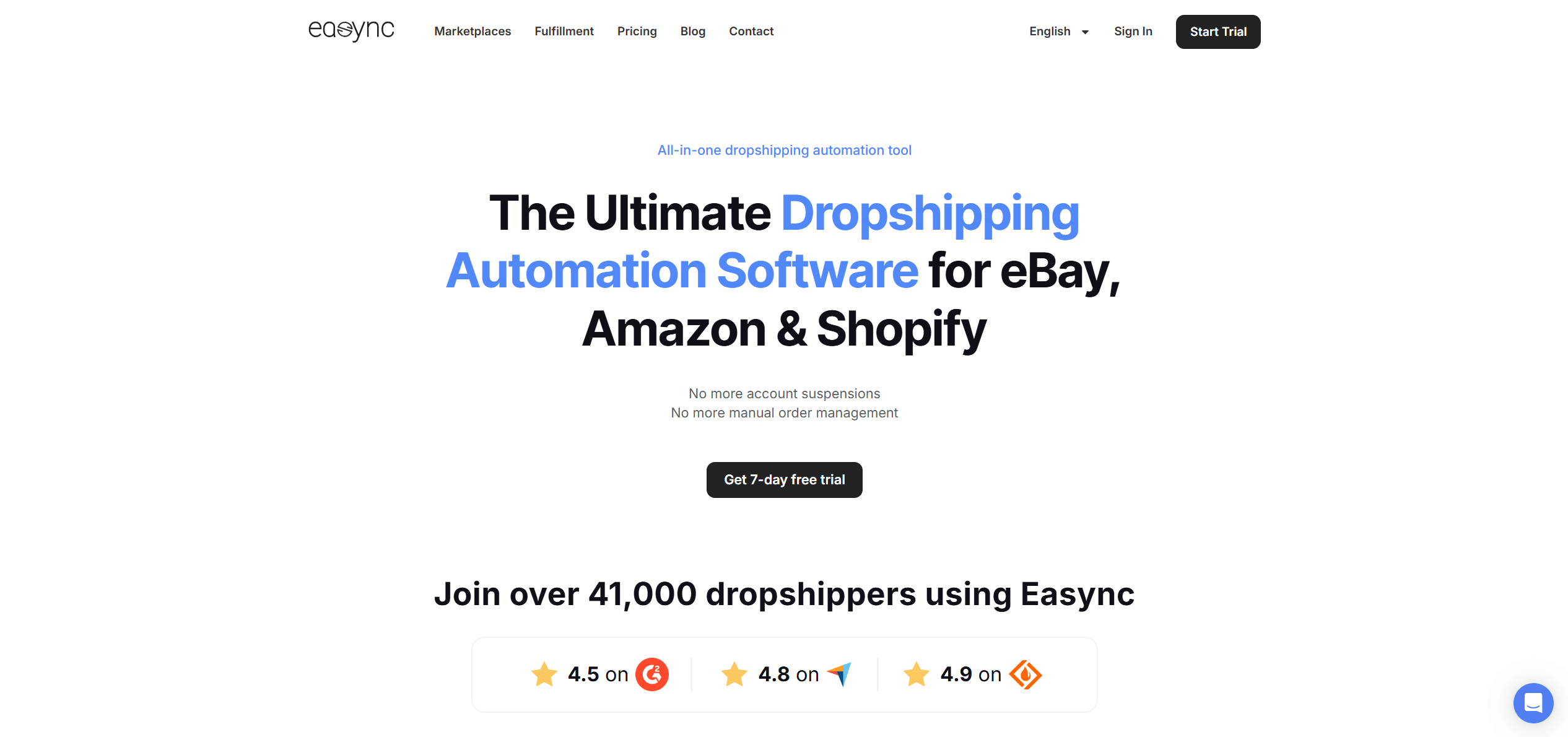
Easync is not a traditional ad spy tool, but it becomes extremely valuable once you already know what products and creatives are working. Instead of spending hours manually importing products, updating prices, checking stock, and placing supplier orders, Easync automates the operational side of scaling a dropshipping business.
Dropshipping software Easync supports automated product importing, real-time stock and price monitoring, auto-ordering, repricing rules, tracking synchronization, and multi-account workflows. Sellers can import products from AliExpress, CJdropshipping, Amazon, Walmart, and hundreds of other supported suppliers in minutes.
For dropshippers using spy tools daily, Easync works as the execution layer after product validation. Find a winning product through Minea or PipiADS, then immediately import it, automate fulfillment, and manage pricing from one dashboard.
The platform is especially useful for sellers running multiple Shopify or eBay stores simultaneously because it reduces repetitive tasks that slow down scaling.
Pros: strong automation, fast product importing, multi-store workflows.
Cons: not a standalone ad spy database.
2. Minea — Best Multi-Platform Ad Spy Tool
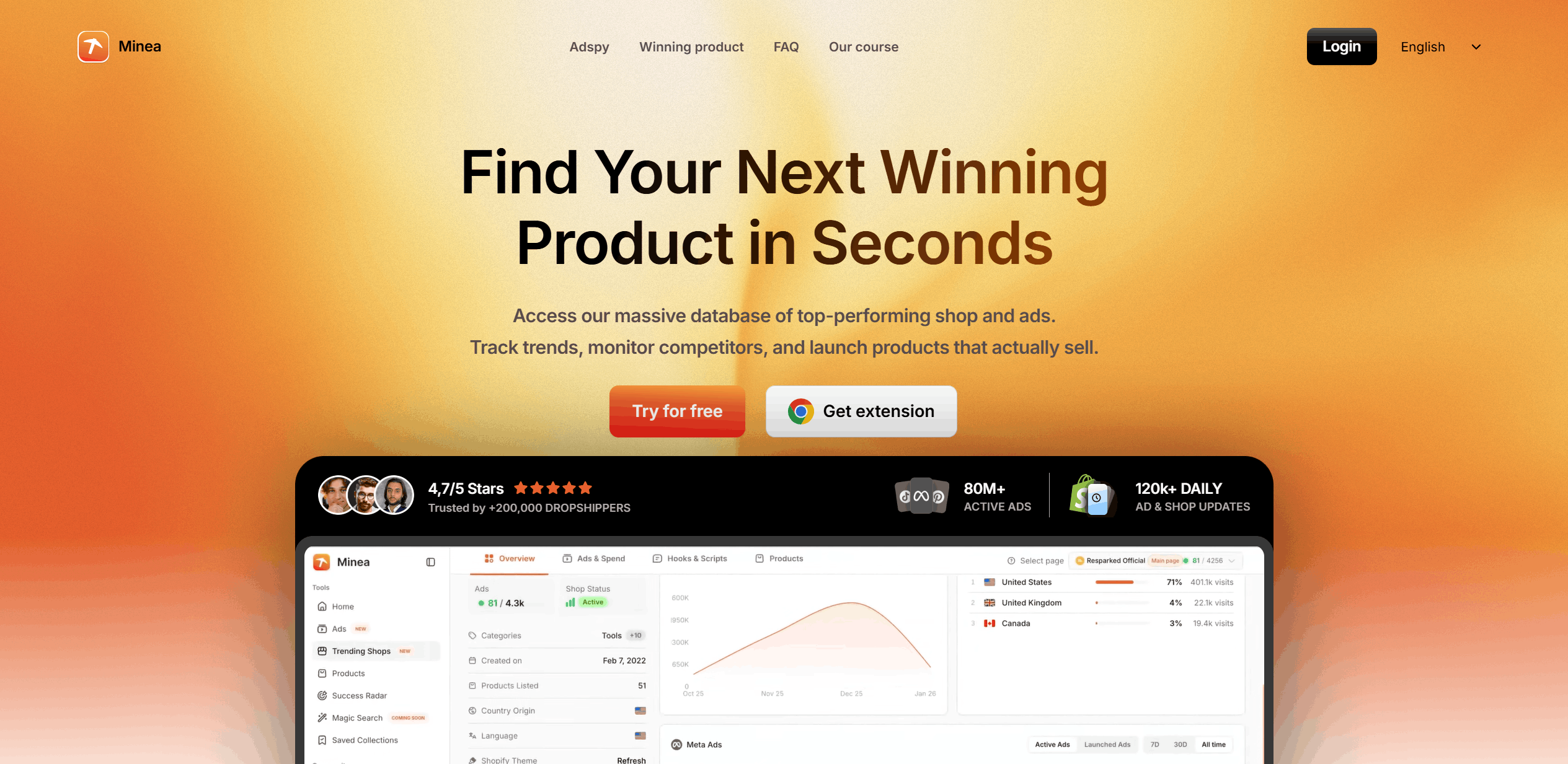
Minea is one of the most well-known dropshipping spy tools for discovering winning products and analyzing ad creatives across Facebook, Instagram, TikTok, and Pinterest.
The platform indexes massive amounts of social media ads and lets users filter by engagement, niche, country, ad format, and platform. This makes it easier to identify products that are actively scaling rather than products that already peaked months ago.
Minea also includes AI-powered filters, reverse image search, influencer discovery, and competitor landing page tracking. These features help dropshippers understand not just what products are trending, but how stores structure offers and creatives.
For sellers running paid traffic campaigns in 2026, Minea remains one of the strongest tools for discovering new advertising angles before markets become saturated.
Pros: huge ad database, TikTok + Facebook coverage, strong filtering tools.
Cons: expensive compared to simpler spy tools.
3. PipiADS — Best for TikTok Dropshipping Ads
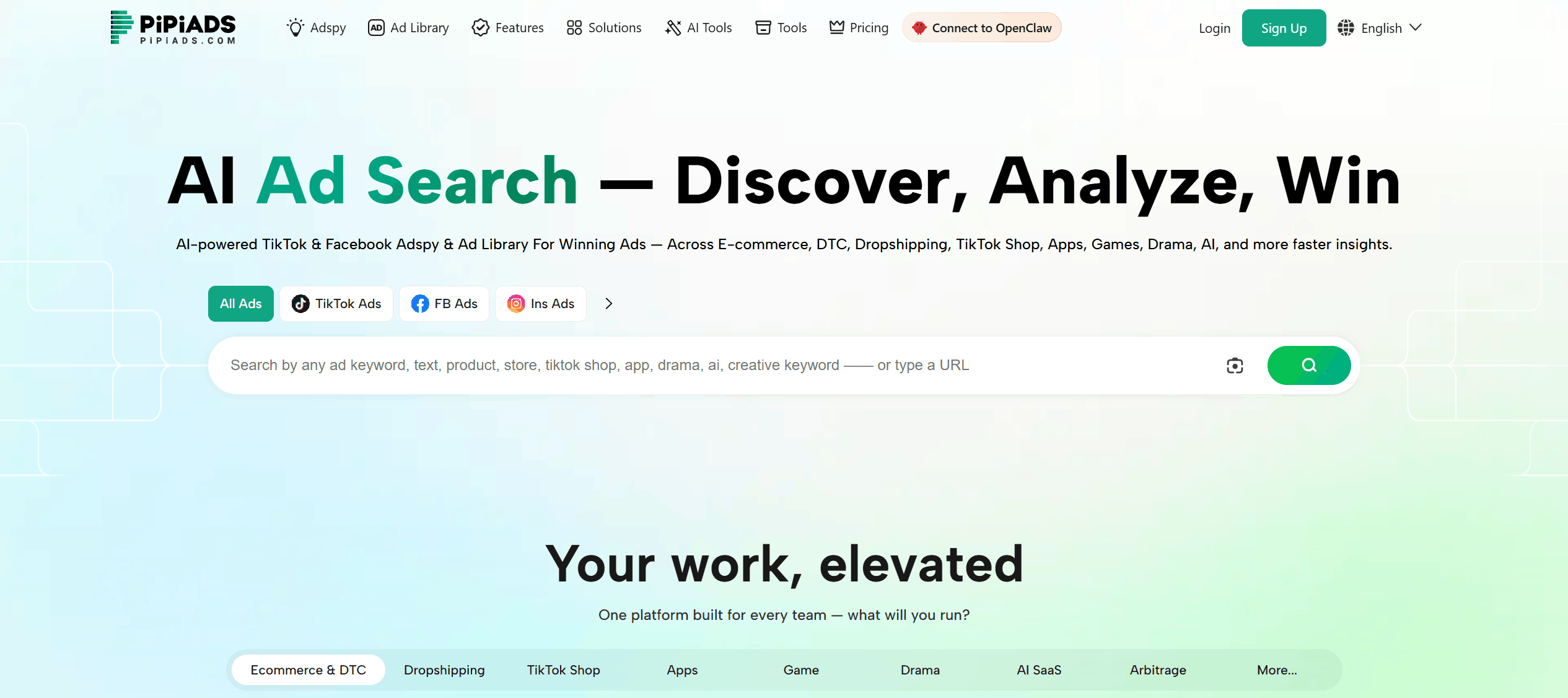
PipiADS specializes heavily in TikTok and short-form video ad research. The platform tracks millions of TikTok creatives and continuously indexes new campaigns across multiple countries.
Its biggest advantage is visibility into TikTok-style UGC ads. Users can filter by likes, shares, CTA type, ad duration, ecommerce niche, and engagement growth. This helps identify products gaining momentum before they become oversaturated.
PipiADS also tracks Facebook ads, but TikTok remains its strongest area. Dropshippers focused on impulse-buy products, gadgets, beauty items, or viral ecommerce trends often use PipiADS daily for creative inspiration.
For stores depending heavily on TikTok Ads in 2026, this platform provides one of the largest dedicated TikTok ad databases available.
Pros: excellent TikTok ad coverage, strong creative filtering, affordable pricing.
Cons: weaker for Shopify competitor analytics.
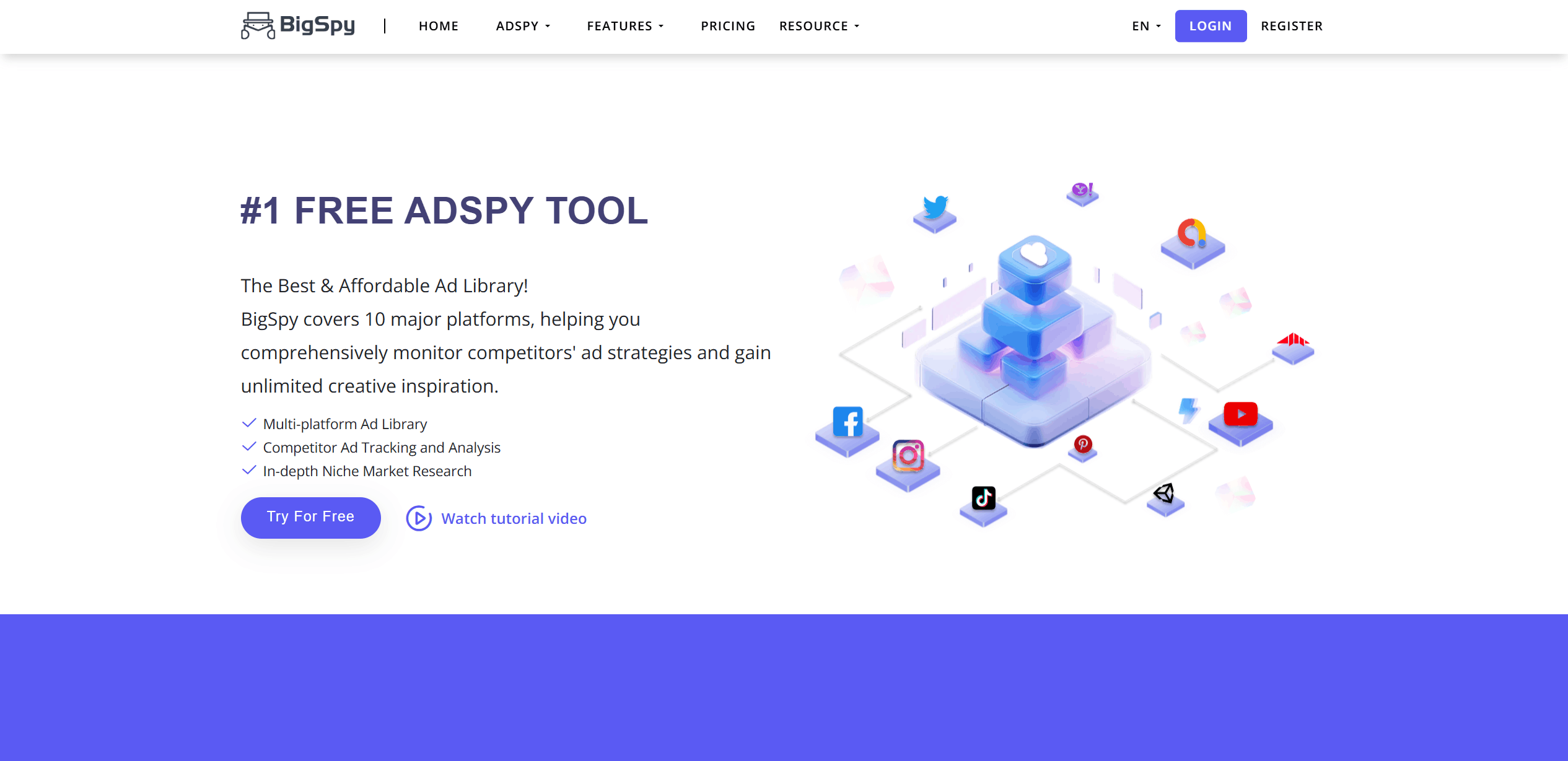
4. BigSpy — Best Multi-Network Ad Database
BigSpy is one of the broadest ad spy databases in ecommerce. Unlike tools focused only on TikTok or Facebook, BigSpy indexes creatives across Facebook, Instagram, TikTok, YouTube, Pinterest, Twitter/X, and several additional ad networks.
This makes it useful for dropshippers running cross-platform campaigns or researching how competitors adapt creatives between platforms.
The filtering system allows users to sort ads by CTA, niche, engagement, language, ad age, and country. One particularly useful workflow is identifying ads running continuously for several weeks, since long-running campaigns often indicate profitable products.
BigSpy works well for media buyers and advanced dropshippers who test products aggressively across multiple traffic sources.
Pros: very large ad database, multi-platform support, low entry pricing.
Cons: interface can feel overwhelming for beginners.
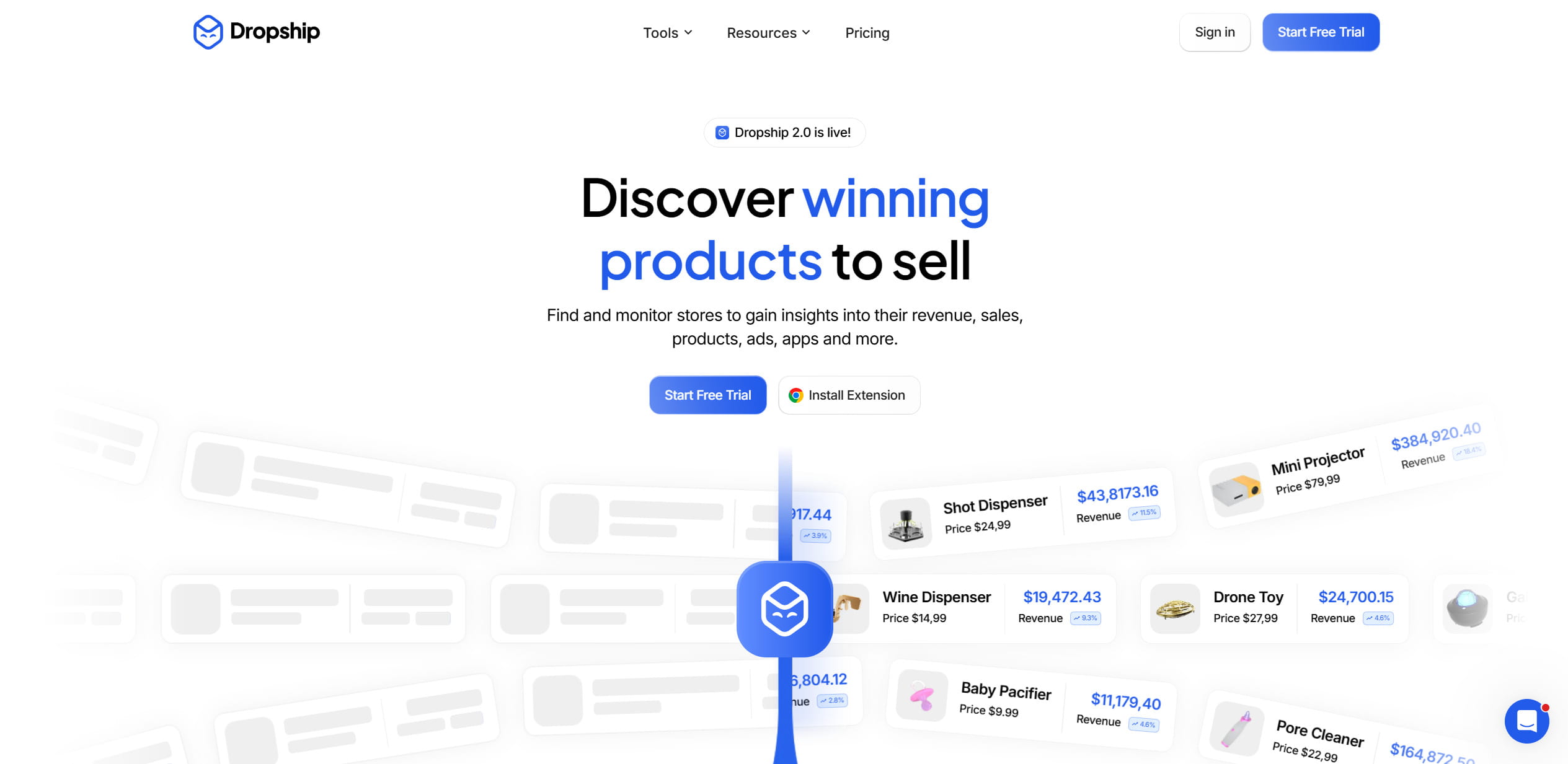
5. Dropship.io — Best for Shopify Competitor Research
Dropship.io focuses less on creatives and more on competitor store intelligence. The platform tracks Shopify stores, estimates revenue, identifies trending products, and shows what successful stores are currently scaling.
Its product database includes estimated monthly sales, product launch timing, store activity, and linked ad creatives. This helps dropshippers validate whether products are genuinely generating revenue or simply receiving engagement.
The platform also includes curated winning-product lists and niche suggestions, making it useful for beginners who struggle with product research.
For Shopify-focused sellers, Dropship.io provides deeper store-level visibility than most pure ad spy tools.
Pros: strong Shopify tracking, product validation tools, revenue estimates.
Cons: less useful for TikTok-first workflows.
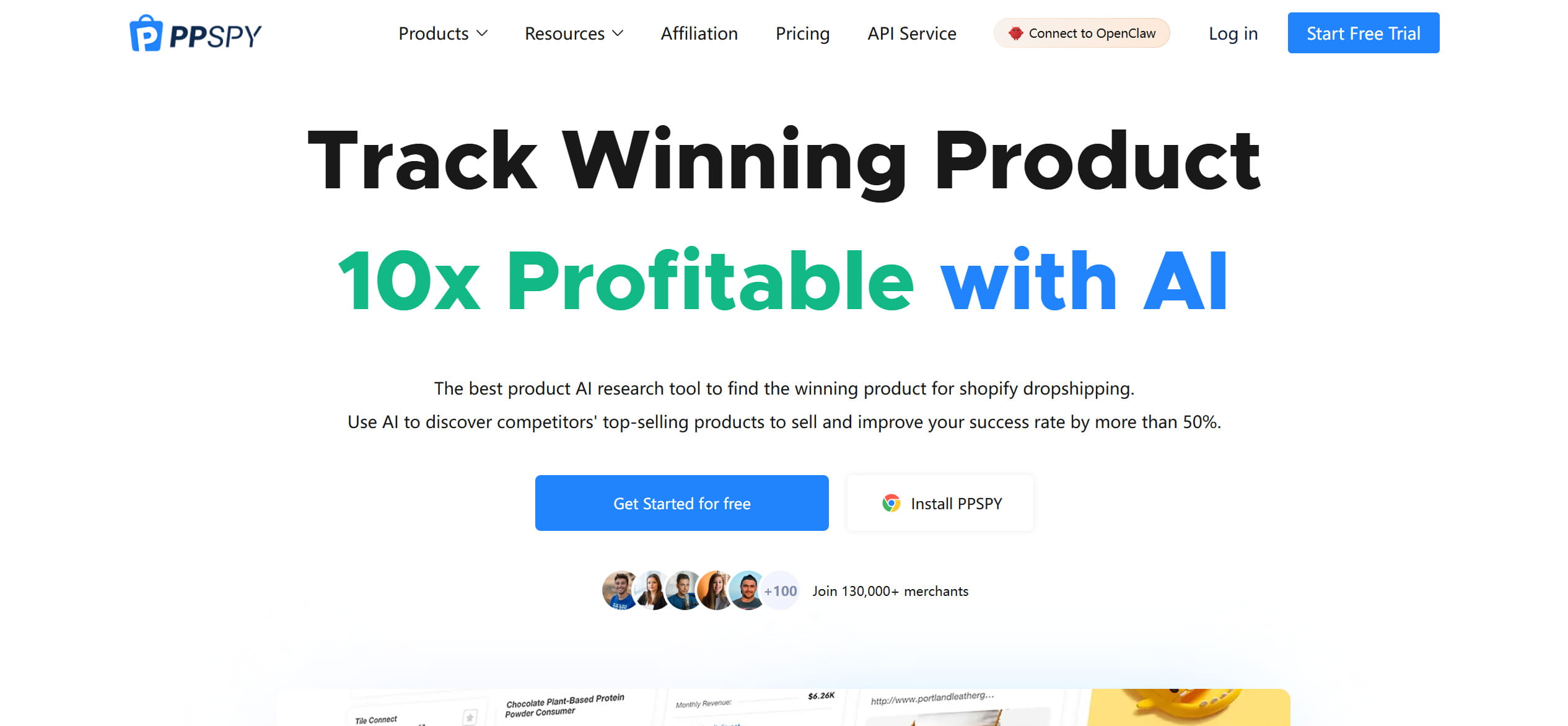
6. PPSPY — Best Shopify Store Spy Tool
PPSPY is designed specifically for tracking Shopify stores and monitoring store performance signals. Instead of focusing mainly on ads, PPSPY analyzes store growth, estimated orders, newly added products, traffic sources, and sales trends.
The platform uses AI-driven sales estimation models and tracks data from over a million Shopify stores. This makes it especially useful for identifying stores scaling rapidly before products become mainstream.
Dropshippers often use PPSPY together with ad spy tools. One tool finds the ad, PPSPY validates whether the store behind the ad is actually generating meaningful sales.
For sellers serious about Shopify competitor analysis, PPSPY remains one of the strongest specialized tools available in 2026.
Pros: detailed Shopify store analytics, strong sales tracking features.
Cons: limited value outside Shopify ecosystem.
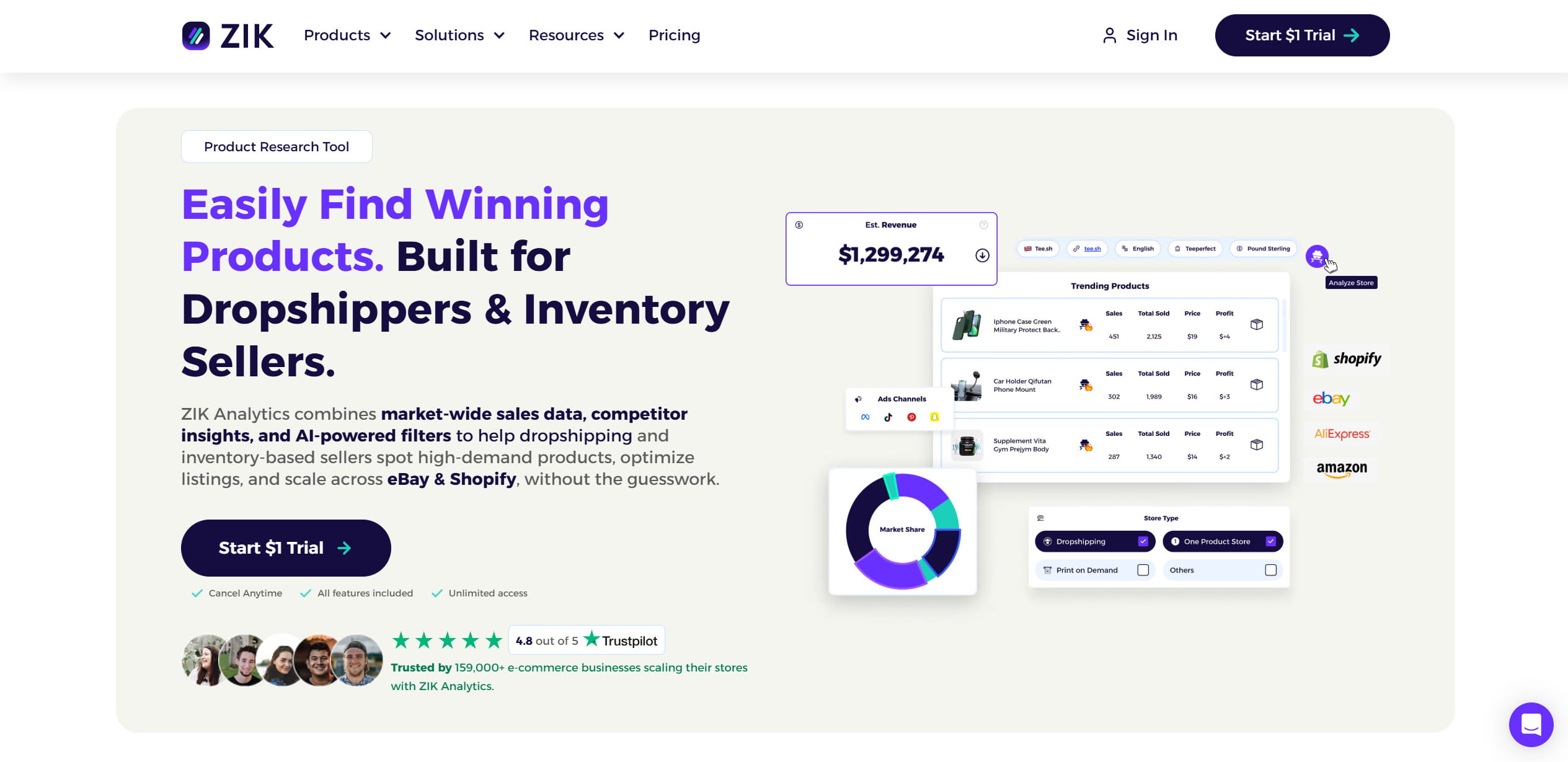
7. ZIK Analytics — Best for eBay and Shopify Sellers
ZIK Analytics originally became popular in the eBay dropshipping space, but the platform now supports broader ecommerce product research and competitor analysis.
The tool helps users analyze sell-through rates, product demand, competitor stores, and product saturation levels across marketplaces and Shopify stores.
Unlike purely creative-focused spy tools, ZIK Analytics emphasizes product validation and profitability metrics. This makes it particularly useful for sellers who care more about long-term product viability than temporary viral trends.
For hybrid sellers operating on both Shopify and eBay, ZIK Analytics provides a more marketplace-oriented approach to product research.
Pros: strong product validation data, useful for eBay sellers, affordable pricing.
Cons: weaker ad creative database compared to Minea or PipiADS.
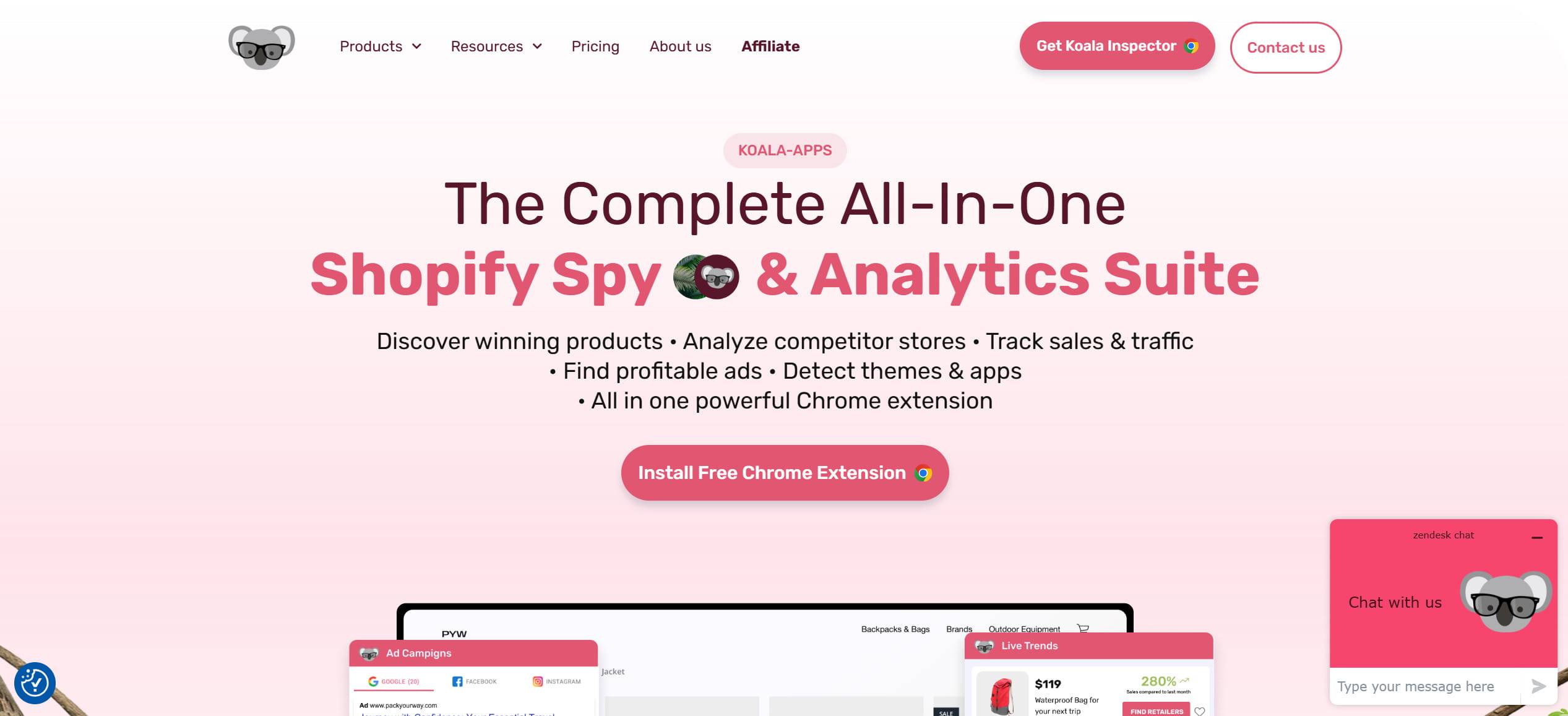
8. Koala Inspector — Best Shopify Store Chrome Extension
Koala Inspector is a lightweight Shopify spy extension designed for quickly analyzing competitor stores directly from the browser.
The extension reveals installed Shopify apps, themes, product catalogs, pricing structures, traffic technologies, and basic store infrastructure. This allows dropshippers to reverse-engineer successful Shopify stores within seconds.
While it lacks large ad databases or deep AI analytics, Koala Inspector works extremely well for rapid competitor checks during product research sessions.
Many dropshippers use it alongside Minea or BigSpy to inspect stores discovered through ads.
Pros: fast Shopify analysis, simple workflow, useful Chrome extension.
Cons: limited advanced analytics compared to dedicated platforms.
9. WinningHunter — Best for Finding Early Winning Products
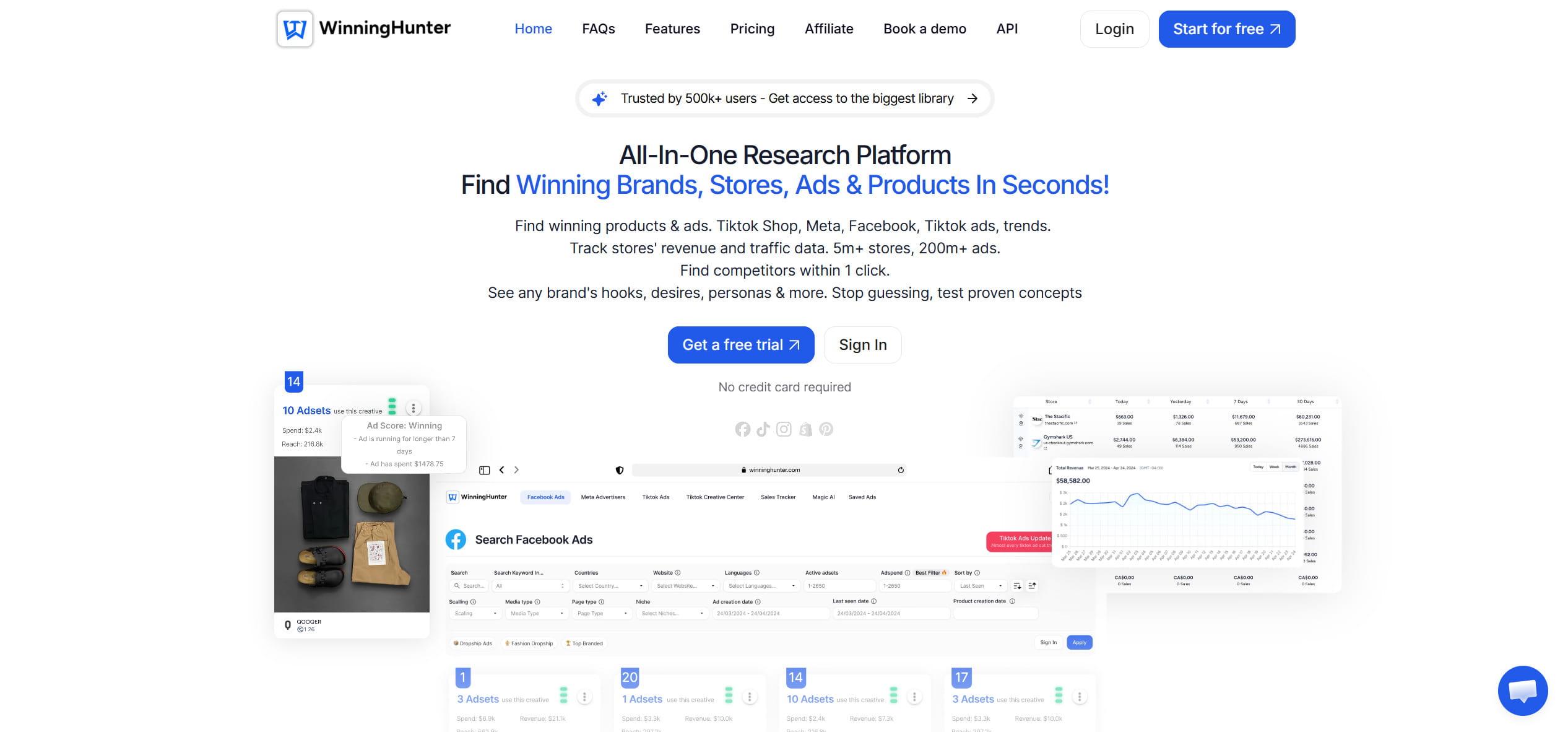
WinningHunter combines ad spy functionality, Shopify tracking, engagement analysis, and product validation into one platform.
The tool focuses heavily on identifying products early before heavy market saturation. Users can track Facebook ads, Shopify store performance, influencer activity, and product engagement from one dashboard.
One particularly useful feature is the ability to analyze ad momentum instead of only total engagement. This helps identify products that are currently accelerating rather than products already declining.
WinningHunter works best for dropshippers who prioritize finding products early and testing aggressively.
Pros: strong early-trend detection, combines store and ad analysis.
Cons: smaller database than Minea or BigSpy.
10. ShopHunter — Best for Shopify Sales Monitoring
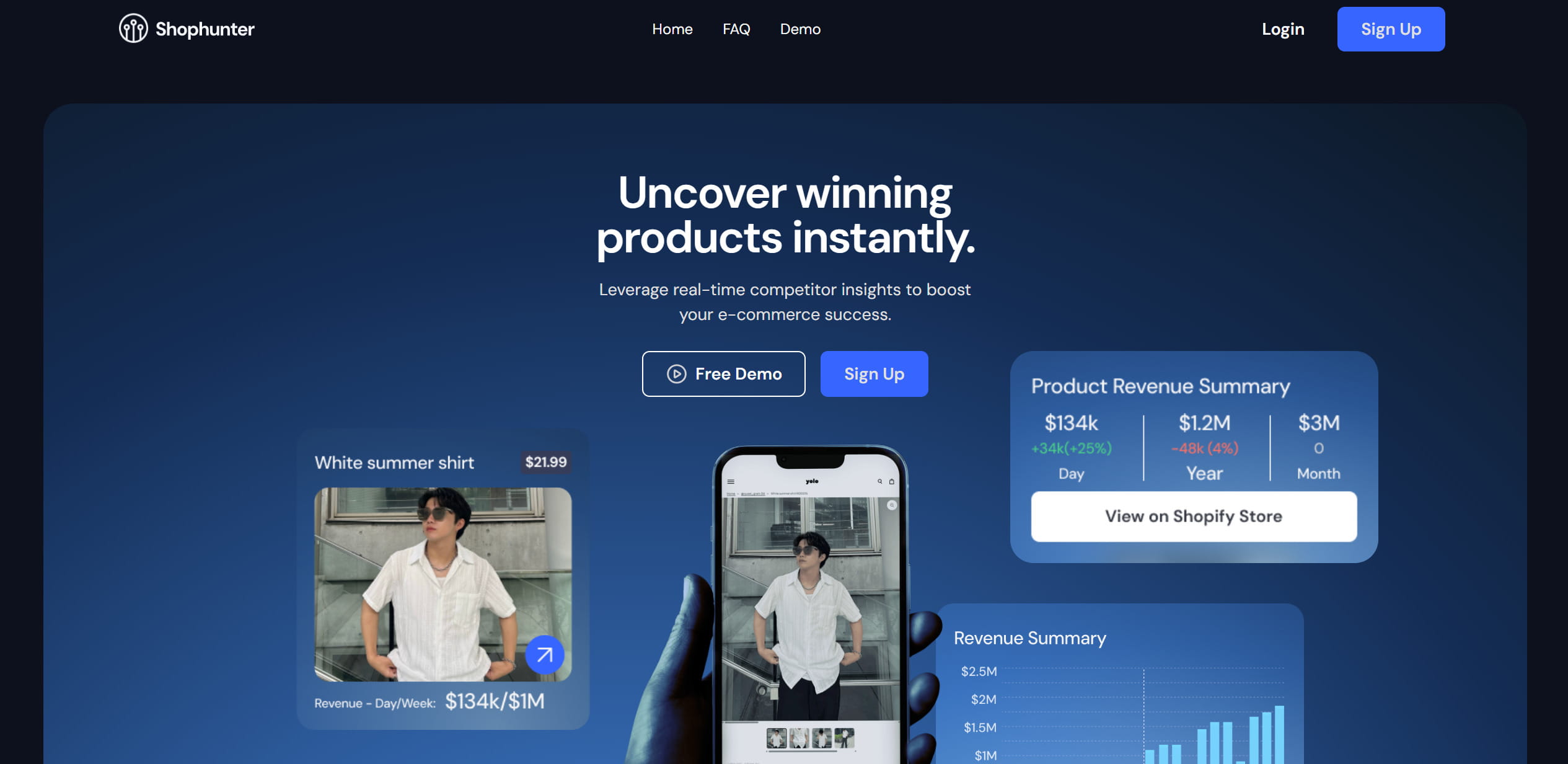
ShopHunter specializes in Shopify sales tracking and store monitoring. The platform estimates daily order activity, identifies top-selling products, and tracks store growth over time.
Unlike ad-focused spy tools, ShopHunter concentrates on operational store signals. This makes it useful for validating whether stores are genuinely scaling or simply running viral ads without sustainable revenue.
The tool also helps dropshippers monitor niche saturation levels by tracking how many stores launch similar products simultaneously.
For Shopify-focused competitor intelligence, ShopHunter provides a cleaner and more store-centric workflow than most broader spy platforms.
Pros: strong Shopify sales tracking, useful saturation analysis.
Cons: limited ad creative research features.
Which Dropshipping Spy Tool Should You Choose?
| If You Need To… | Best Tools | Why |
|---|---|---|
| Find viral TikTok products | PipiADS, Minea, BigSpy | Strong ad databases and creative filters |
| Analyze Facebook ads | Minea, BigSpy, WinningHunter | Useful for competitor creatives and campaign angles |
| Track Shopify competitors | PPSPY, Dropship.io, ShopHunter, Koala Inspector | Better for store-level product and sales signals |
| Validate product demand before testing ads | Dropship.io, ZIK Analytics, WinningHunter | Helps compare demand, competition and sales signals |
| Scale products after finding winners | Easync | Automation for importing, repricing, stock monitoring and fulfillment |
| Check a Shopify store quickly | Koala Inspector | Browser extension for apps, themes, products and basic store insights |
How to Use Dropshipping Spy Tools Effectively
Tools alone don’t guarantee profit. The key is having a repeatable process for product and ad validation that eliminates manual research guesswork.
Follow this 4-step workflow:
- Spy ads for candidates: Use Minea, PipiADS, or BigSpy to discover 20-50 potential winning ads. Look for ads running 14+ days with engagement above 2%.
- Validate with store data: Use PPSPY, Dropship.io, or ZIK Analytics to check store performance. Target stores showing $3k+/month revenue with fewer than 10 direct competitors.
- Import and automate: Use Easync to import products and sync inventory with just a few clicks. Set repricing rules to maintain 25–35% margins.
- Launch and iterate: Create your own facebook ad or tiktok ads based on winning ad strategies you’ve observed. Test ad copy variations and monitor ROAS.
When you analyze ads, check ad age, engagement ratios, and whether multiple stores run the same product. Using dropshipping spy tools can significantly reduce the time needed to validate ideas and optimize ad campaigns, leading to faster business growth.
Make data driven decisions by focusing on products with upward trend lines, consistent ad spend over weeks, and solid profit margins after factoring in product cost, shipping (typically 15-30%), and 15-25% ad spend. Ad analysis tools can provide real-time updates and notifications about competitors’ ad performance, allowing users to adjust their strategies accordingly.
Maintain a simple spreadsheet logging each candidate product, its ad links, how many competitors are selling it, and key metrics so decisions are documented and repeatable.
How to Choose the Right Dropshipping Spy Stack
There’s no single best tool for everyone. Your choice depends on platform focus, budget, and which ad channels drive your traffic analysis.
For beginners ($30-50/month): Start with one affordable ad spy tool like PipiADS or a free plan option, plus an automation tool like Easync. This covers basic product discovery and operations without overwhelming complexity. AdsLibrary.ai, Dropispy, ZIK Analytics, or TrendTrack are suitable for single-platform use.
For intermediate dropshippers ($80-120/month): Combine a strong ad spy (Minea or BigSpy) with a dedicated competitor analysis platform (PPSPY or Dropship.io). Add Easync for multi-account workflows, repricing rules, and inventory management. This stack helps you track competitors, find competitors’ market opportunities, and start selling faster.
For advanced users ($150-200+/month): Use two complementary ad spies for wider coverage of google shopping, Meta, and TikTok. Add deep store analytics plus Easync automation to centralize auto-ordering, tracking synchronization, and scaling across multiple marketplaces. Many dropshipping automation platforms also include ad spy tools that track ads on social media, helping sellers identify what products are performing well and plan effective campaigns.
Experienced dropshippers advise using spy tools strictly as a market signal to understand consumer pain points and improve product strategies instead of copying competitors directly. Focus on building a sustainable dropshipping brand rather than chasing every trending item.

FAQ
These practical questions address topics not fully covered above but frequently asked by people new to dropshipping spy tools.
Are dropshipping spy tools legal to use?
Most reputable spy tools only aggregate publicly available data from the facebook ad library, public TikTok creatives, and visible store data. This is generally legal. Ad Library Scraping tools scan social networks to pull live advertisements, track engagement metrics, and ad lifespan to indicate profitability. However, users must respect platforms’ terms of service and avoid copying copyrighted ad creatives or content directly. When a winning item is identified, dropshipping spy tools automatically cross-reference the item across supplier databases to reveal the original wholesale supplier and available shipping logistics.
Do I need AI-powered dropshipping tools to succeed?
AI dropshipping features like AI ad scoring, AI product research, and AI ad copy generation are helpful accelerators but not mandatory. They can boost efficiency by 20-30%, but success still depends on understanding your niche, testing creatives, and managing budget effectively. BigSpy, SocialPeta, PipiADS, PowerAdSpy, and Dropispy highlight winning ads and trends, while tools like Minea, FindNiche, and Niche Scraper focus more on product research. The best tool is the one that fits your workflow.
How much budget should I set aside before paying for spy tools?
Allocate at least $300-$500 for initial testing. Only a small fraction (5-10%) should go to spy tool subscriptions. Reserve the majority for ad spend and product samples. Effective dropshipping spy tools help monitor competitor sales, viral marketing campaigns, and store infrastructure to optimize operations. Free tools and chrome extension options can help beginners start dropshipping without major upfront costs.
Can I rely on a single spy tool for all my research?
You can start with one tool, but serious dropshippers often combine at least two. Use one focused on ad spy across Facebook and TikTok, and another on competitor research for successful stores. Add an automation tool like Easync to operationalize what you discover products. Dropshipping spy tools monitor ad performance, track competitor traffic, and pinpoint profitable products by identifying ads with the highest engagement and longest run times. Using multiple tools helps discover products you’d otherwise miss and reduces blind spots in your research.
How often should I check spy tools for new products and ads?
Active sellers typically check daily or at least several times per week. New creatives and products appear constantly, approximately 70% of winning products peak within 72 hours of launch. Build a routine of 30-60 minutes per day to stay ahead. Product research tools help dropshippers identify winning products by analyzing product trends and competitor winning strategies across various platforms. Consistent monitoring separates successful stores from those that fall behind.