
- Amazon Dropshipping
- articles
20 Most Popular Dropshipping Niches: Top selling niches Amazon 2026
Easync Research Report · 2026 Edition
High-Margin Niches for Amazon Dropshipping
A data-driven blueprint for sellers who want to scale past 30% margins without a massive ad budget
I. The State of Amazon Dropshipping in 2026
Amazon dropshipping is not dying — it is maturing. The sellers who built their business on cheap generic products and PPC-heavy launches are getting squeezed on every front: rising ad costs, tightening Amazon policy, and a wave of sellers willing to operate at margins that make traditional resellers flinch.
But this creates an extraordinary opening for the niche-first seller.
The “Zero Ad Spend” trend that started in 2024 has accelerated: brands built around specific communities, solving specific problems, now dominate organic search for their category. Their conversion rates are higher, their return rates are lower, and their customer lifetime value — measured in repeat orders and reviews — compounds over time in a way a PPC budget never can.
Defining “High-Margin” in 2026
At Easync, when we say high-margin we mean 30% net margin after all Amazon fees — including referral fees (8–15%), FBM shipping offsets, and any supplier markup. At 30%+, a seller operating at $150–$400 average order value can build a profitable operation on 20–40 orders per month per SKU without the volume treadmill that defines commodity dropshipping.
Several of the niches in this guide regularly achieve 35–45% margins. These are not exceptions — they are the result of three structural forces: high perceived value, low price elasticity, and community-driven demand that converts from organic search rather than paid traffic.
How Easync Identified These 20 Niches
This list is built from analysis of sell-through rates, Buy Box price stability over 90-day windows, competing-offer counts, and year-over-year search volume trends. We filtered for:
- Sell-through rate above 55% in a 30-day window
- Fewer than 50 identical competing listings in the Buy Box rotation
- Price stability of ±15% or less during major Amazon sales events
- Minimum 20% year-over-year search volume growth
II. Quick Answer: Top 5 Niches for 2026
If you are comparing the best selling niches on Amazon, these five categories score highest across margin potential, competition level, and long-term growth trajectory:
Solar security, smart irrigation, recycled décor — avg. margin 35–40% · Markets: USA, DE
Acoustic panels, AI-integrated controllers — avg. margin 29–38%
Physical therapy gear, smart monitoring — avg. margin 40% · Markets: USA, UK
Coffee roasting, woodworking, astronomy — avg. margin 28–42%
Ergonomic mobility aids, red light therapy — avg. margin 30–45%
III. Deep Dive: All 20 High-Margin Niches
Cluster A: Sustainable & Eco-Conscious Home
Sustainability is no longer a premium positioning — it is a baseline expectation among US and European buyers under 45. The niches below combine environmental appeal with genuine technical differentiation, which is why they command prices 2–3× their generic equivalents.
1. Solar-Powered Garden Security Systems

Self-install solar security cameras and sensor kits are high-ticket ($180–$450 ASP) with remarkably low return rates. Year-over-year growth hit 34% in 2025, driven by rising home insurance premiums pushing homeowners toward DIY security. The German market is particularly strong due to high solar adoption rates. Price history shows strong resistance to promotional discounting — margins hold through Prime Day, which is unusual and valuable.
Medium competition
USA / DE
High ticket
2. Zero-Waste Kitchen Systems
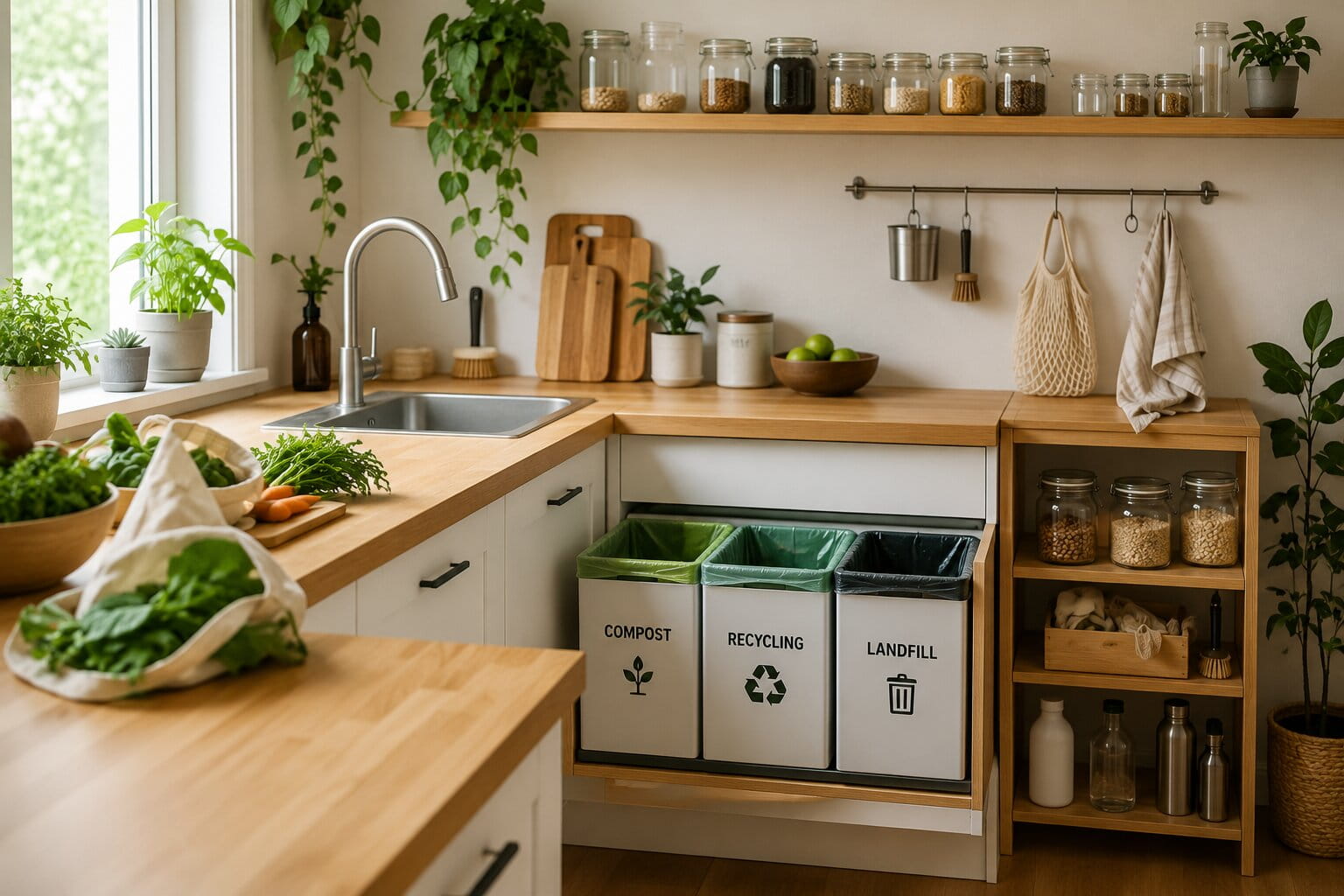
Reusable food storage, compost systems, beeswax wrap kits, and refillable cleaning concentrates. The defining structural advantage is recurring revenue: buyers who purchase a starter kit return for refills and accessories. A single acquisition drives multiple subsequent orders — a dynamic that is genuinely rare in FBM dropshipping. The audience is highly engaged on social platforms and actively shares products within community groups.
Low competition
USA / UK
Recurring sales
3. Water-Saving Smart Irrigation Controllers
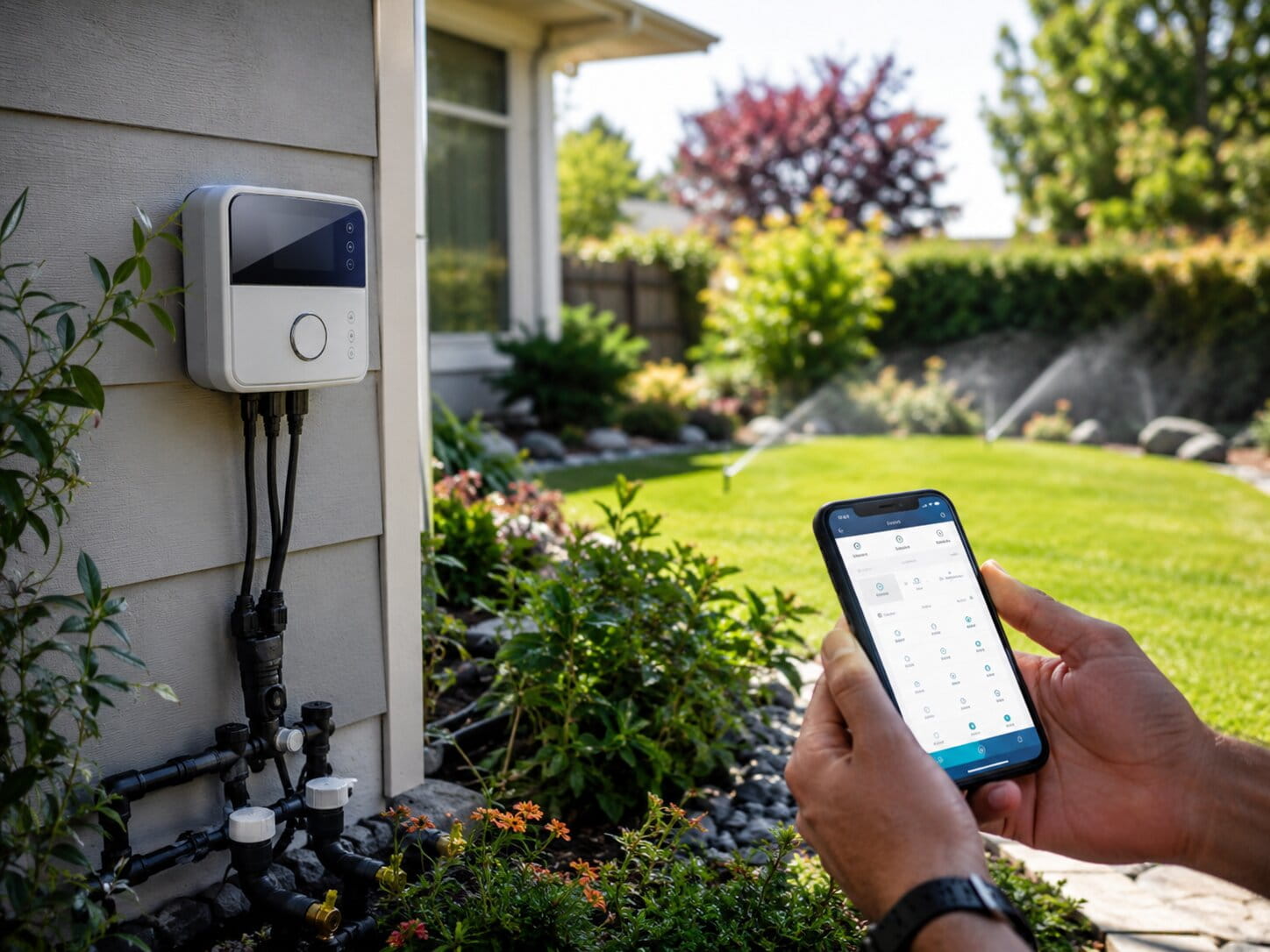
Smart irrigation is a seasonal winner with a long tail. The product sells on utility, not aspiration — buyers in drought-prone states are searching with purchase intent, not browsing. That translates to above-average conversion rates from organic listing traffic. Margins are protected by the technical complexity of the product and by meaningful differentiation between smart-home ecosystem compatibility (Alexa, Google Home, HomeKit).
Medium competition
USA / DE
Seasonal winner
4. Recycled Material Home Décor
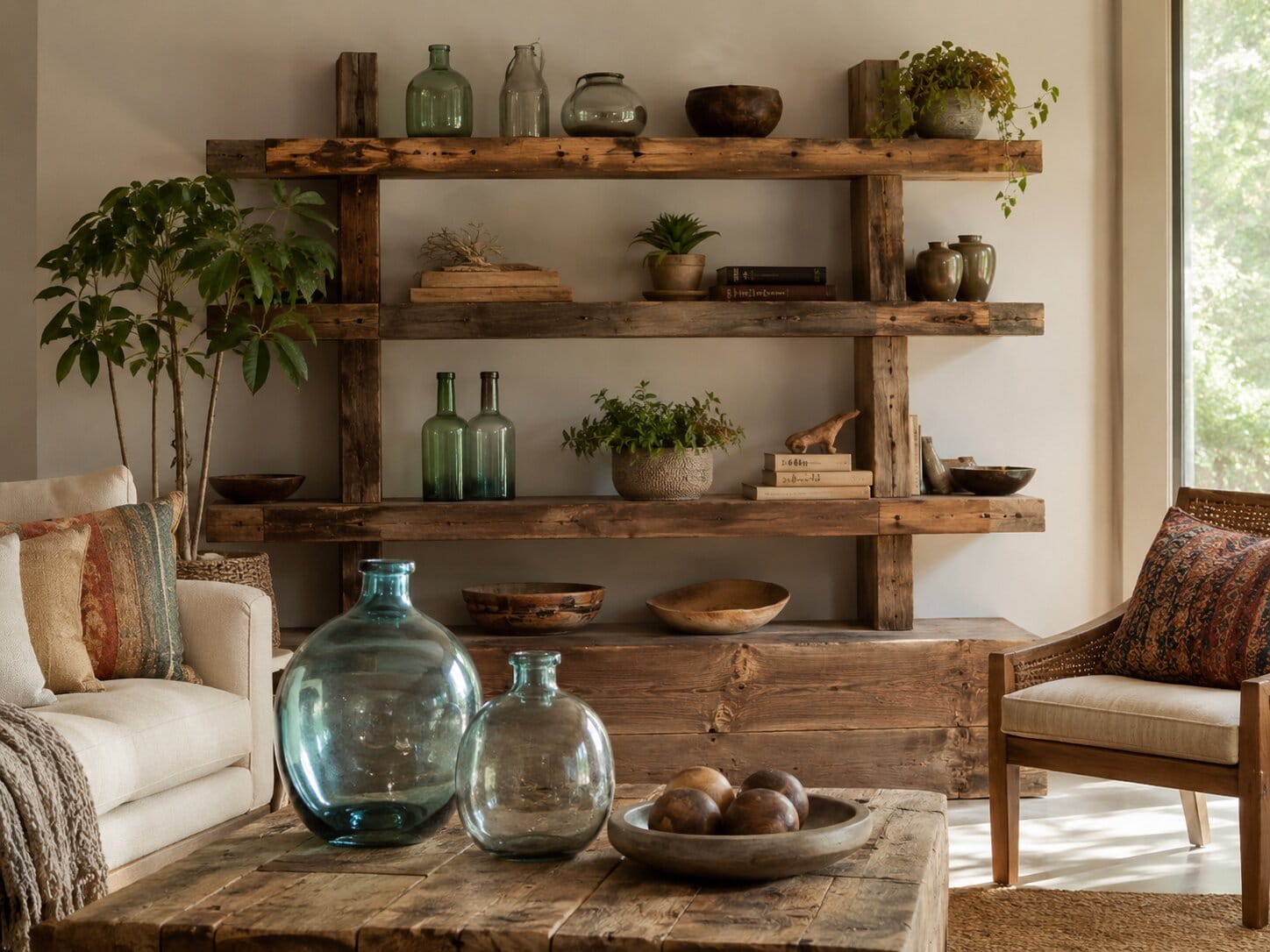
Reclaimed wood shelving, recycled glass vases, upcycled textile cushions. The margin driver is story value — the perceived worth of a “recycled teak wood bookshelf” vastly exceeds its raw material cost. Strong private label potential: a seller who establishes a coherent visual brand across 8–12 SKUs can command a 20–30% premium over unbranded listings. Market saturation remains low because most large-scale suppliers do not yet specialize in eco-certified recycled materials.
Low competition
Global
Private label potential
Cluster B: The Professional Hobbyist (High-Ticket)
The professional hobbyist is the most underserved buyer on Amazon. They have disposable income, deep product knowledge, and a community that actively shares recommendations. They are also largely immune to price-driven competition because they buy on specification, not on headline price.
5. Specialized Woodworking Tools

Japanese pull saws, Shaker-style marking gauges, precision router jigs — these are not Home Depot tools. The woodworking community has a high knowledge-based barrier to entry, which translates to a high barrier for competitors trying to list knock-offs. Buyers research extensively and respond extremely well to detailed listing copy with technical specifications. Repeat purchase rates are among the highest in all hobbyist verticals.
Medium competition
USA
Loyal base
6. Home Coffee Roasting Equipment
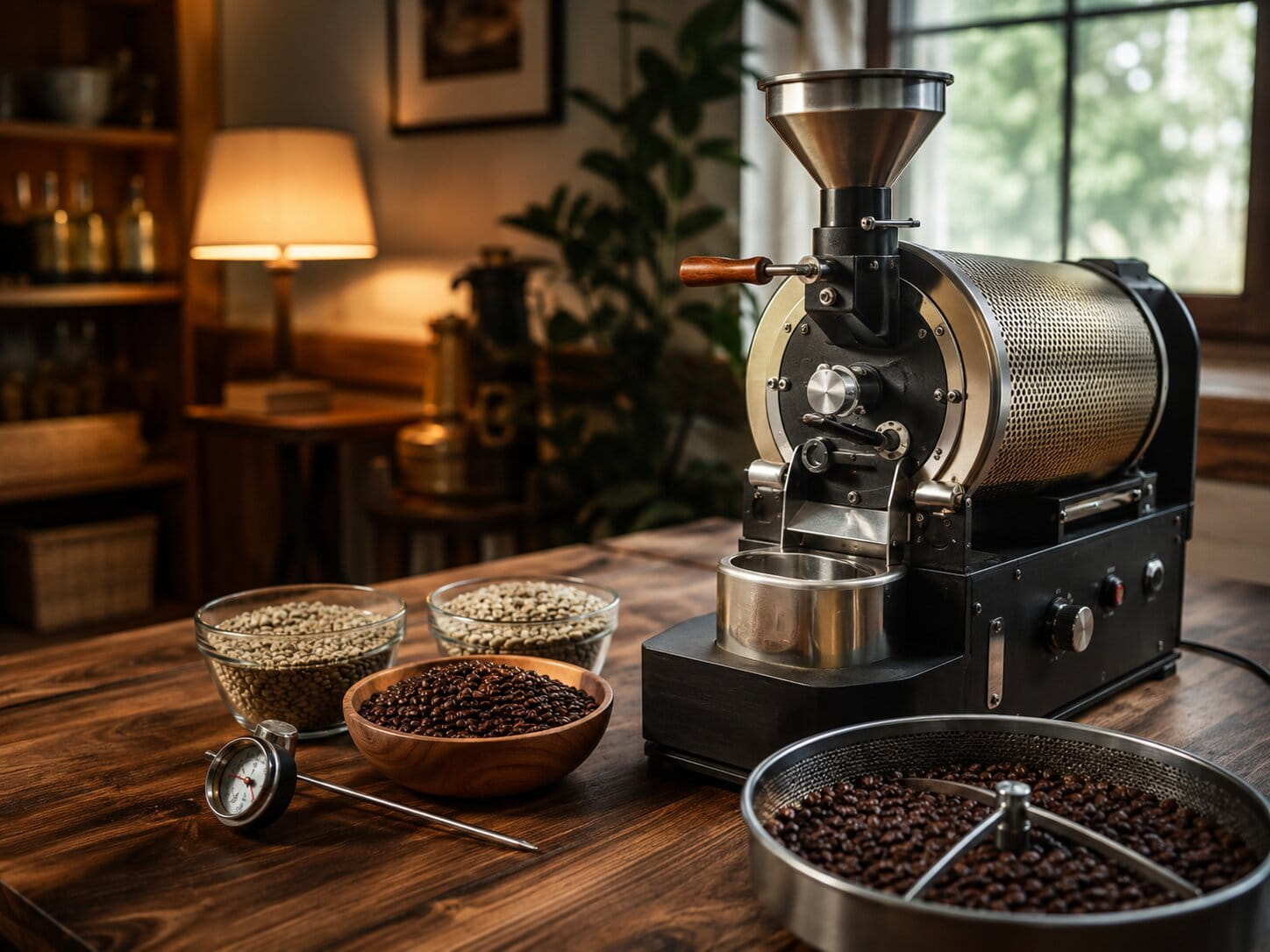
Roasting drums, green bean samplers, and airflow thermometers sell at $80–$400 ASP with strong accessory upsell paths. The community publishes detailed reviews on YouTube and specialty forums — content that drives organic search traffic to well-optimized Amazon listings. Premium pricing is accepted as a community norm: home roasters are suspicious of conspicuously cheap offerings.
Low competition
USA / UK
Upsell-friendly
7. Backyard Astronomy Gear

A “cozy hobby” that has benefited enormously from the post-pandemic outdoor living trend and viral astronomy content on YouTube and Instagram. Smartphone telescope adapters, red flashlights, star atlases, and dew heaters are high-margin accessories requiring almost no after-sales support. Return rates are low — buyers who set up a backyard observing session don’t return equipment. The technical nature of products creates natural long-tail keyword opportunities with extremely low competition.
Low competition
USA / CA
Premium pricing
8. Aquaponics & Vertical Gardening Kits
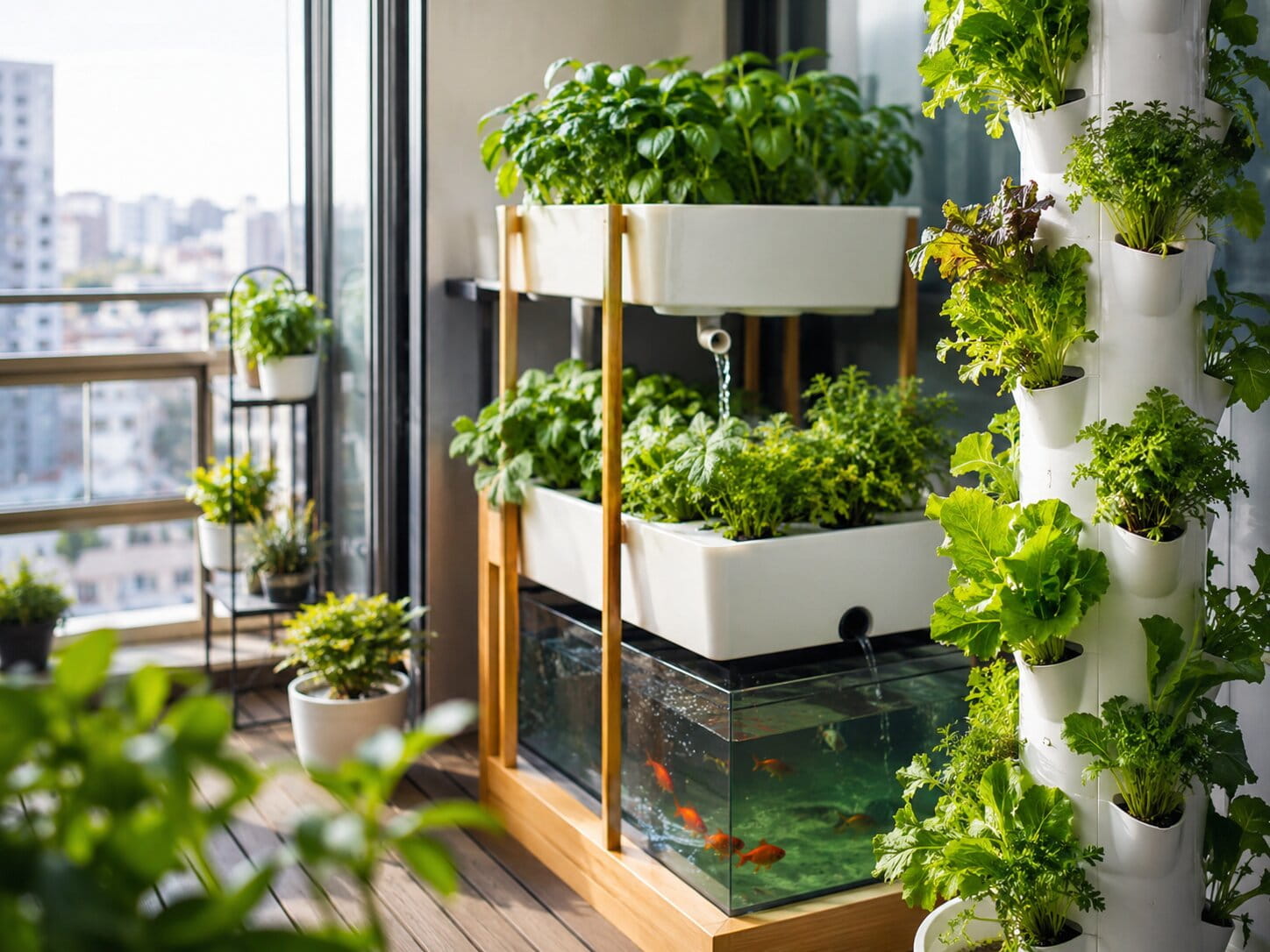
Urban homesteading is a genuine movement, not a trend. Balcony-scale aquaponics systems, stacked vertical grow towers, and compact hydroponic kits sell consistently across all seasons in urban markets. Starter kits drive discovery; advanced add-ons and replacement parts drive ongoing margin. YouTube tutorial channels featuring specific products generate sustained organic listing traffic that almost no paid campaign can replicate.
Medium competition
USA / EU
Starter kit model
Cluster C: Health, Wellness & Aging
Healthcare and wellness spending is structurally immune to economic cycles. These niches also benefit from an aging Baby Boomer population that is both willing to spend on health products and increasingly comfortable purchasing on Amazon.
9. Ergonomic Mobility Aids (Modern Design)
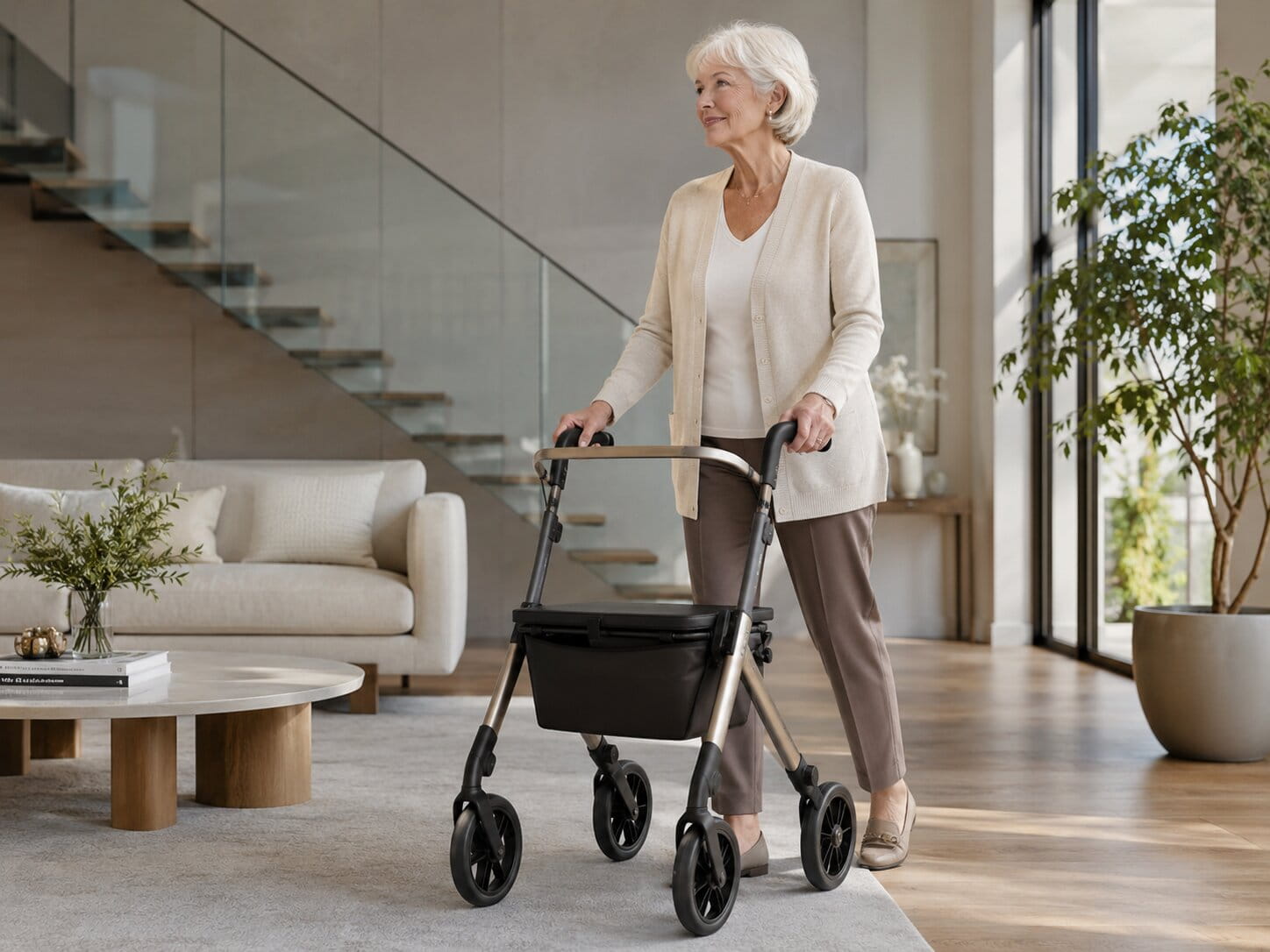
The key insight: traditional mobility aids — grey walkers, clinical-looking canes — sell at commodity prices. Modern, design-conscious equivalents (carbon fiber walking sticks, minimalist rollators, ergonomic grip canes) sell at 2–4× the price to buyers who actively want something that does not look like a hospital product. Non-discretionary purchase behavior suppresses price sensitivity considerably.
Medium competition
USA / UK
Non-discretionary
10. Bio-Hacking Accessories ⭐ Top margin niche
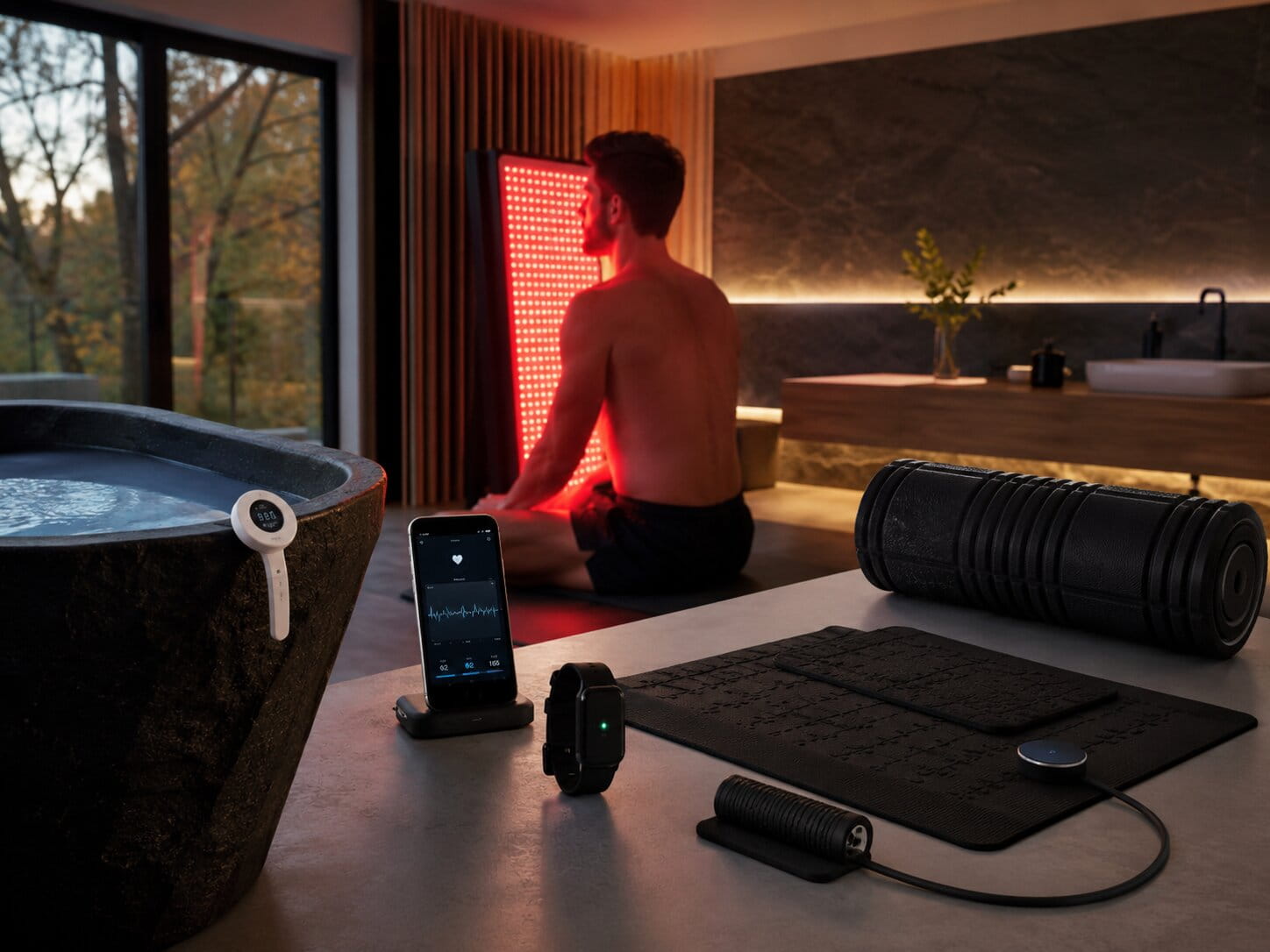
The top-margin niche on this entire list. Red light therapy panels, HRV monitoring devices, cold plunge thermometers, and grounding mats are all viral on TikTok and YouTube — and viral content drives Amazon search volume with extraordinary efficiency. The buyer demographic (25–45, health-optimized, high income) accepts premium pricing as proof of quality. Supply chain resilience is strong: multiple supplier options exist in both US and EU.
Medium competition
Global
TikTok / YouTube viral
11. Pet Physical Therapy Gear

Pet owners consistently outspend on their animals’ health relative to comparable human health products — a well-documented behavioral pattern that has only strengthened as “pet humanization” continues. Hydrotherapy treadmills, orthopedic support braces, and laser therapy devices sell at $150–$600 ASP with strong review ecosystems. The gifting dimension is significant: pet health products are a frequently purchased gift category.
Low competition
USA / UK
High AOV
12. Smart Sleep Optimization Tools

Sleep is a universal pain point with extraordinarily broad demographic reach. Smart sleep masks, white noise machines with binaural beat programming, temperature-regulating mattress toppers, and air quality monitors all target a buyer who has already self-identified as having a sleep problem — meaning purchase intent is high and conversion from organic search is strong.
Medium competition
Global
Multi-SKU LTV
Cluster D: Next-Gen Office & Content Creation
The home office is a permanent fixture of the consumer economy, not a temporary adaptation. And the content creator economy has created a new category of professional buyer who needs studio-grade equipment at home-scale prices.
13. Acoustic Soundproofing for Home Studios
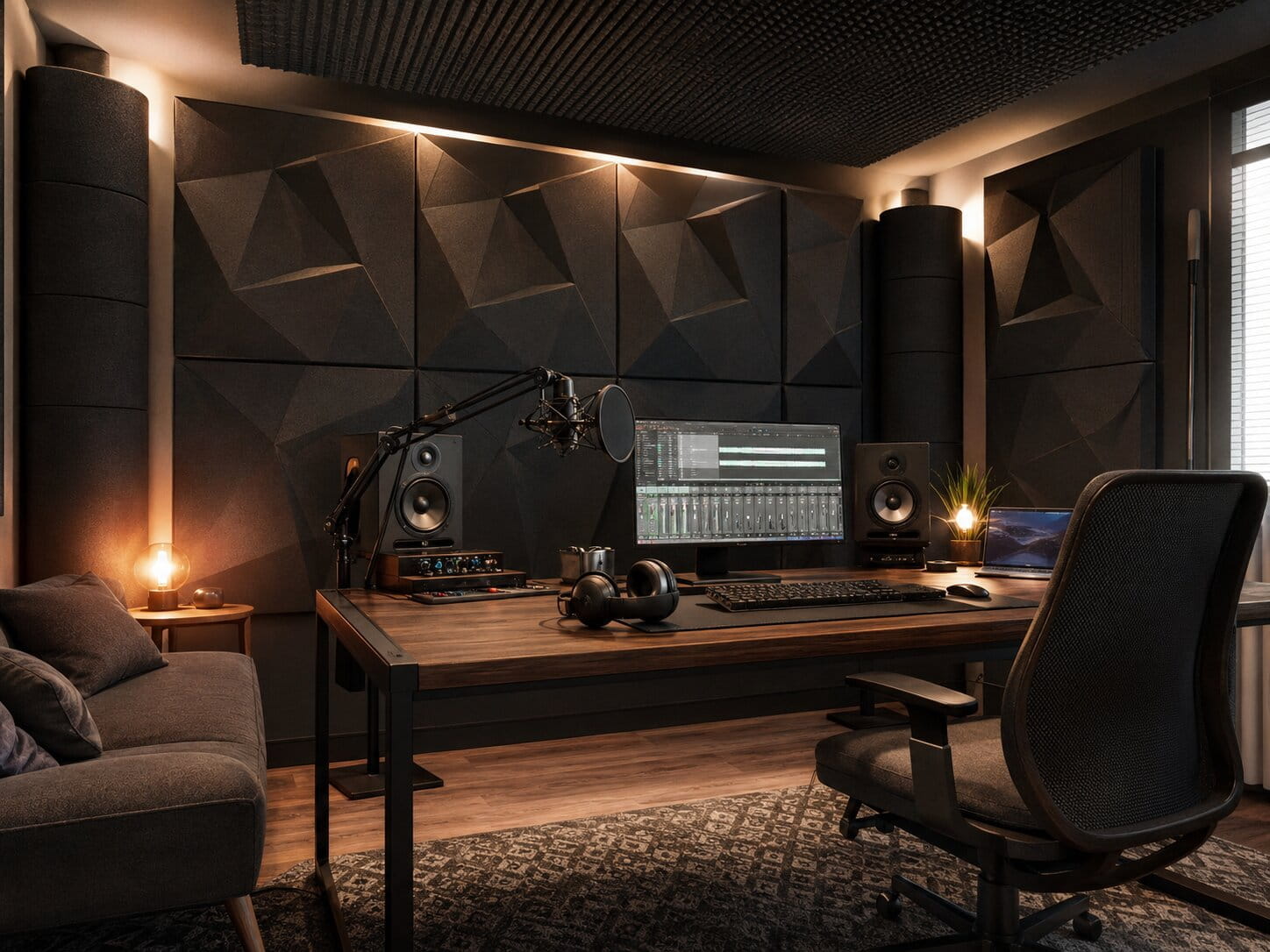
The podcast and home recording market has matured from hobbyist experimentation to professional practice. Acoustic foam panels, bass traps, diffusers, and hanging sound baffles now generate consistent year-round search volume. Aesthetic-first designs — geometric panels in muted tones, fabric-wrapped frames — command 40–60% price premiums over utility-only grey foam. Bulk orders from content creators drive average order values above $300.
Medium competition
USA / UK
Bulk orders
14. Modular Desk Organizers
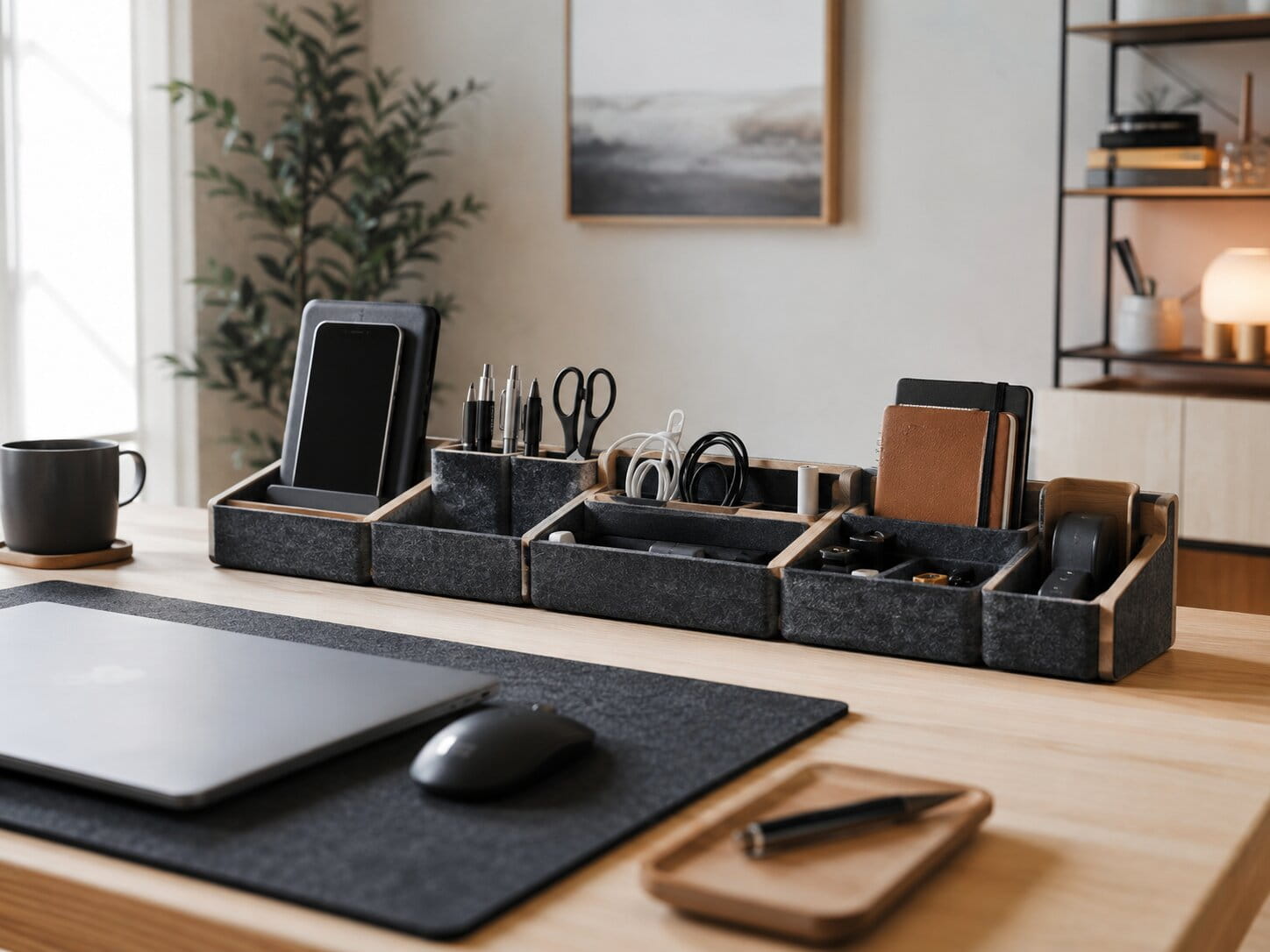
The one high-competition niche we include intentionally. The “aesthetic desk setup” trend drives consistent, predictable search volume — and Easync’s automation and repricing tools are specifically built to maintain margins in high-velocity, competitive categories. For sellers who want fast-moving inventory to complement slower high-ticket SKUs, modular desk organizers serve as an excellent cash-flow engine. The key is operating on real-time price data.
High competition
USA / Global
Cash-flow SKU
15. Portable High-End Projectors
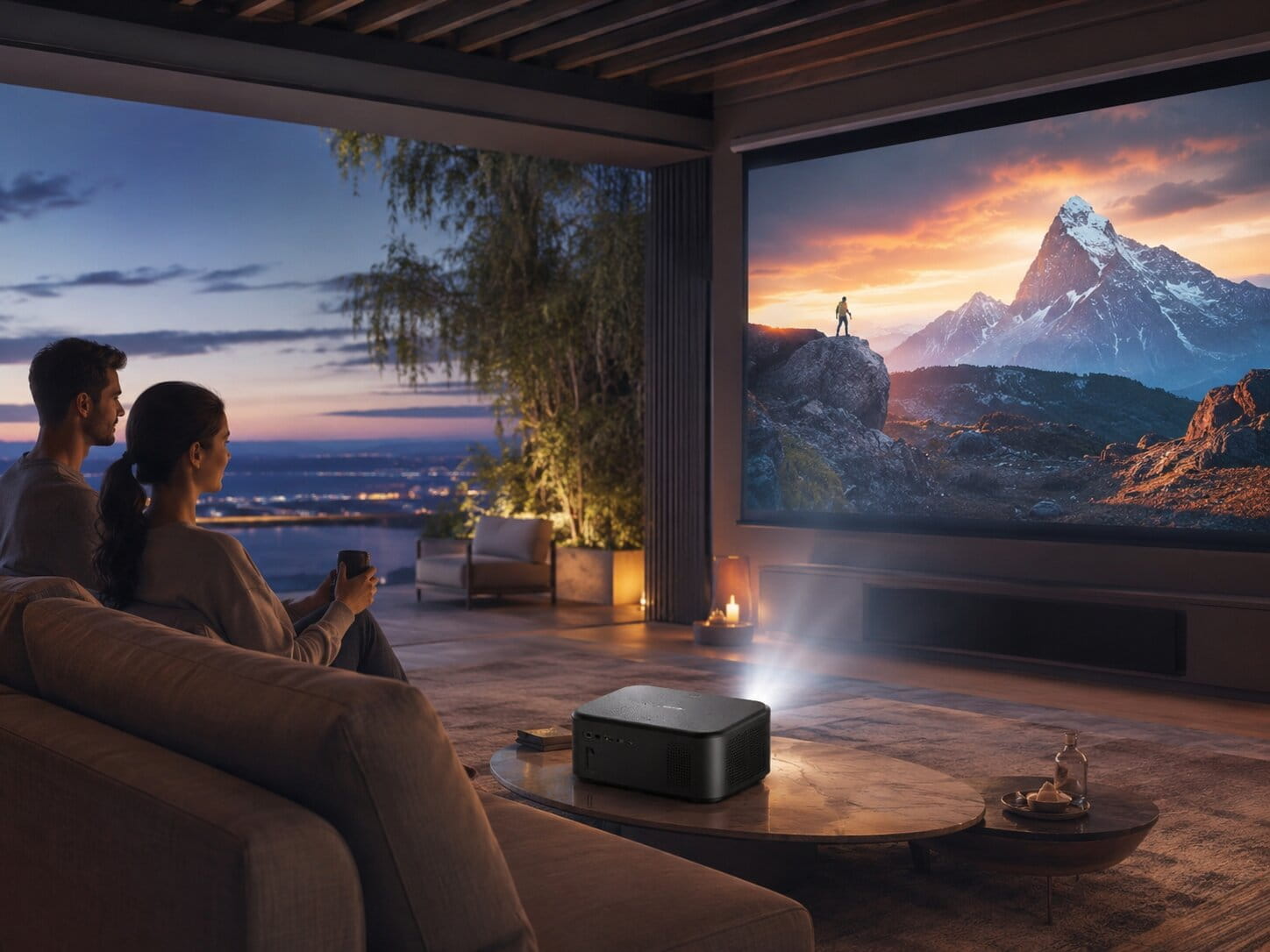
The Netflix-era shift away from traditional TV has created a strong and growing market for portable 4K projectors — particularly battery-powered, ultra-short-throw, and mini laser variants. This niche also has an unusual structural advantage: reverse dropshipping potential, sourcing premium US and EU brands for markets where those brands have limited local distribution. Price war risk is low because the premium segment is defined by brand reputation, not price.
Low competition
USA / EU
Reverse DS potential
16. AI-Integrated Smart Home Controllers
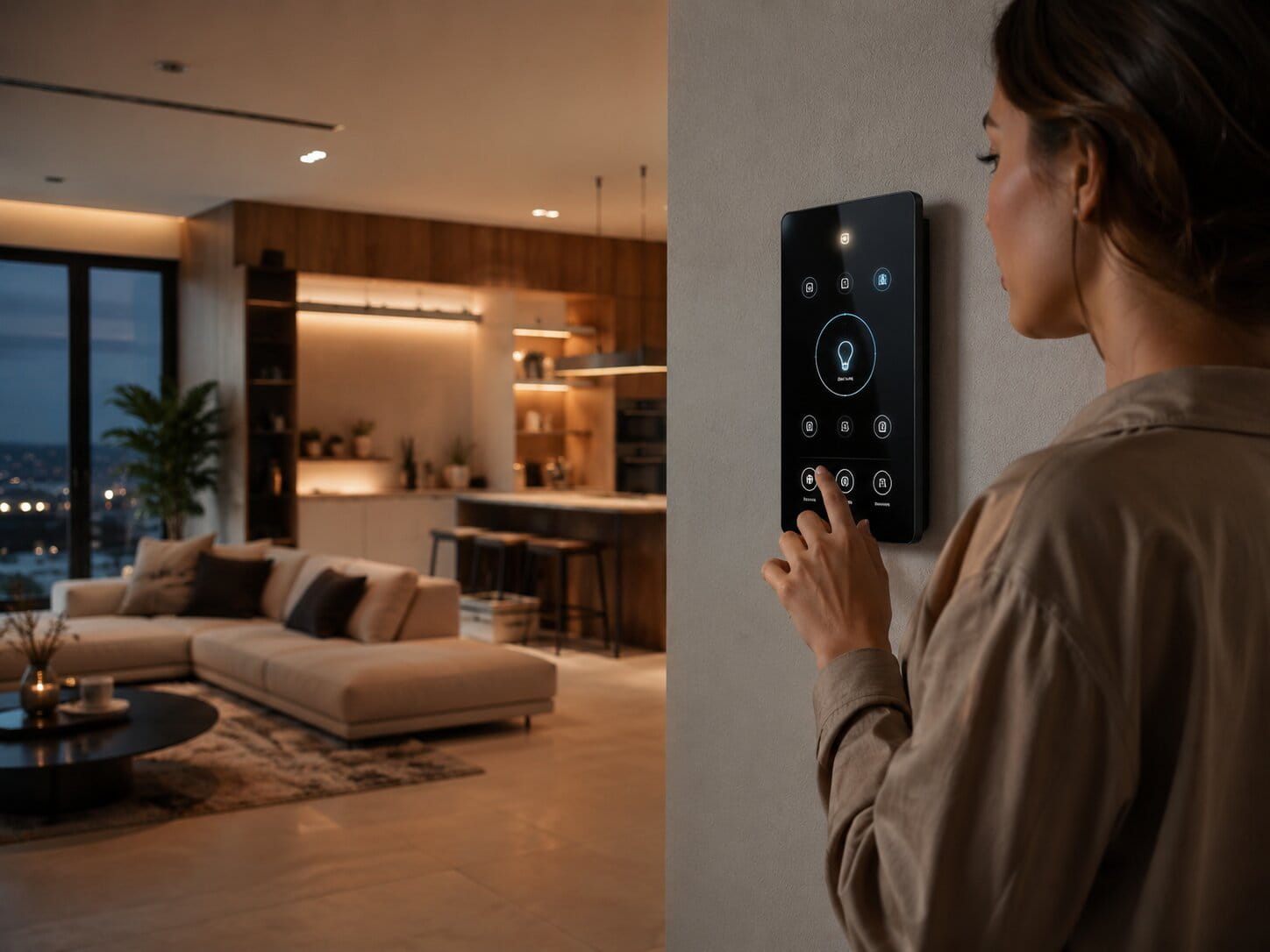
Smart home has moved past early adopters into mainstream purchasing — but the AI integration layer (voice-controlled routines, scene automation hubs, gesture controllers) is still at an early, high-margin stage. Ecosystem lock-in creates repeat purchases. Q4 demand spikes are dramatic — gifting purchases drive 3–4× the normal weekly volume in November and December.
Medium competition
USA / DE
Q4 spike
Cluster E: Specialized Outdoor & Survival
Outdoor and survival rewards specificity above all others. “Camping gear” is saturated; “titanium ultralight backpacking cookware” is not. Each niche below occupies a well-defined sub-segment with a buyer who knows exactly what they want and is willing to pay for it.
17. Overlanding Gear
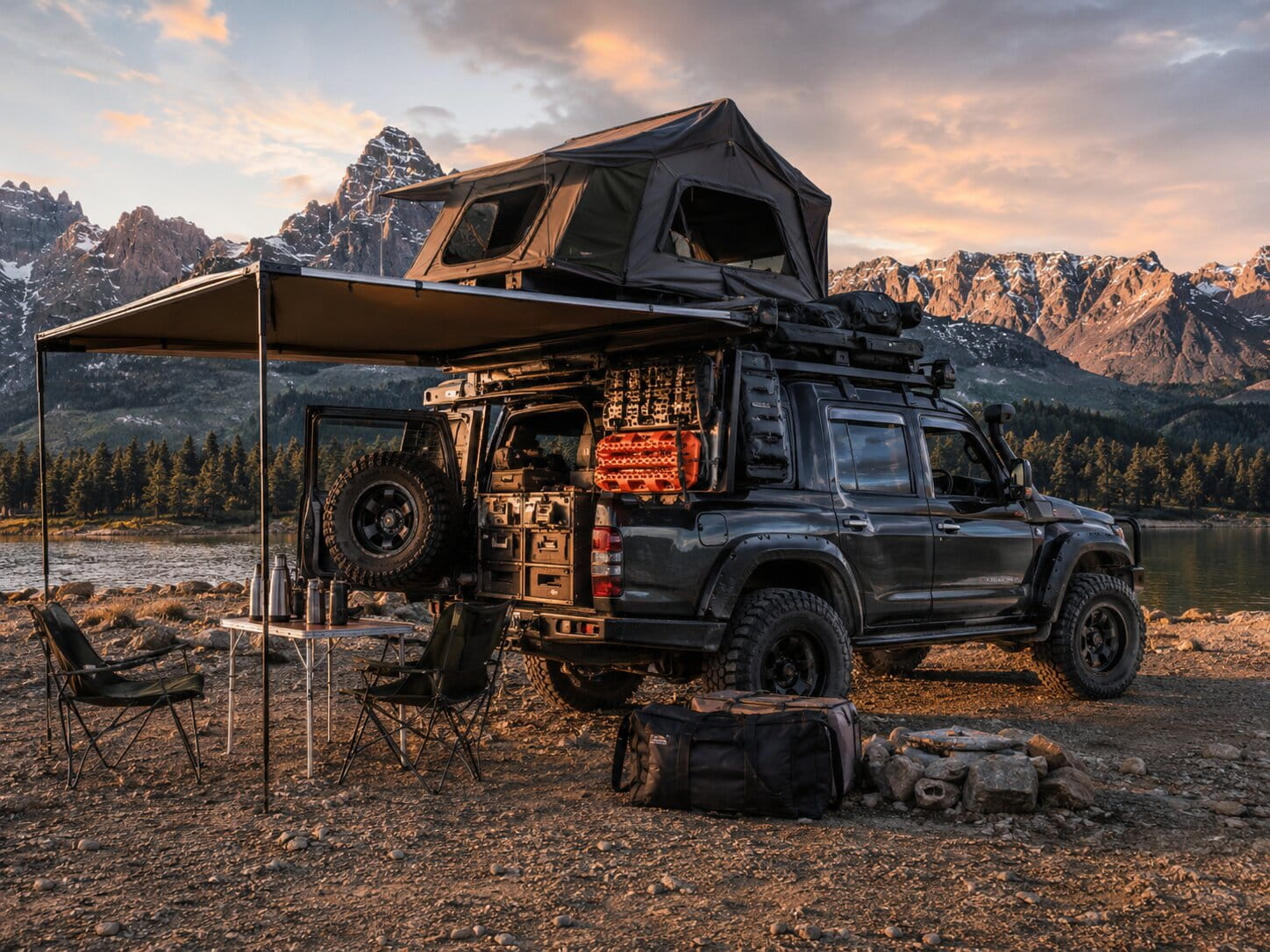
Vehicle-based off-road camping has exploded from a fringe activity to a mainstream recreational category in the United States. Roof-top tents, recovery tracks, vehicle awnings, and modular cargo systems average $400–$1,200 ASP and carry strong margins because the overlanding community is brand-conscious and gear-obsessed rather than price-obsessed. Community forums, YouTube build channels, and Instagram accounts generate organic search traffic that converts at exceptional rates.
Low competition
USA
$400–$1,200 ASP
18. Off-Grid Power Stations
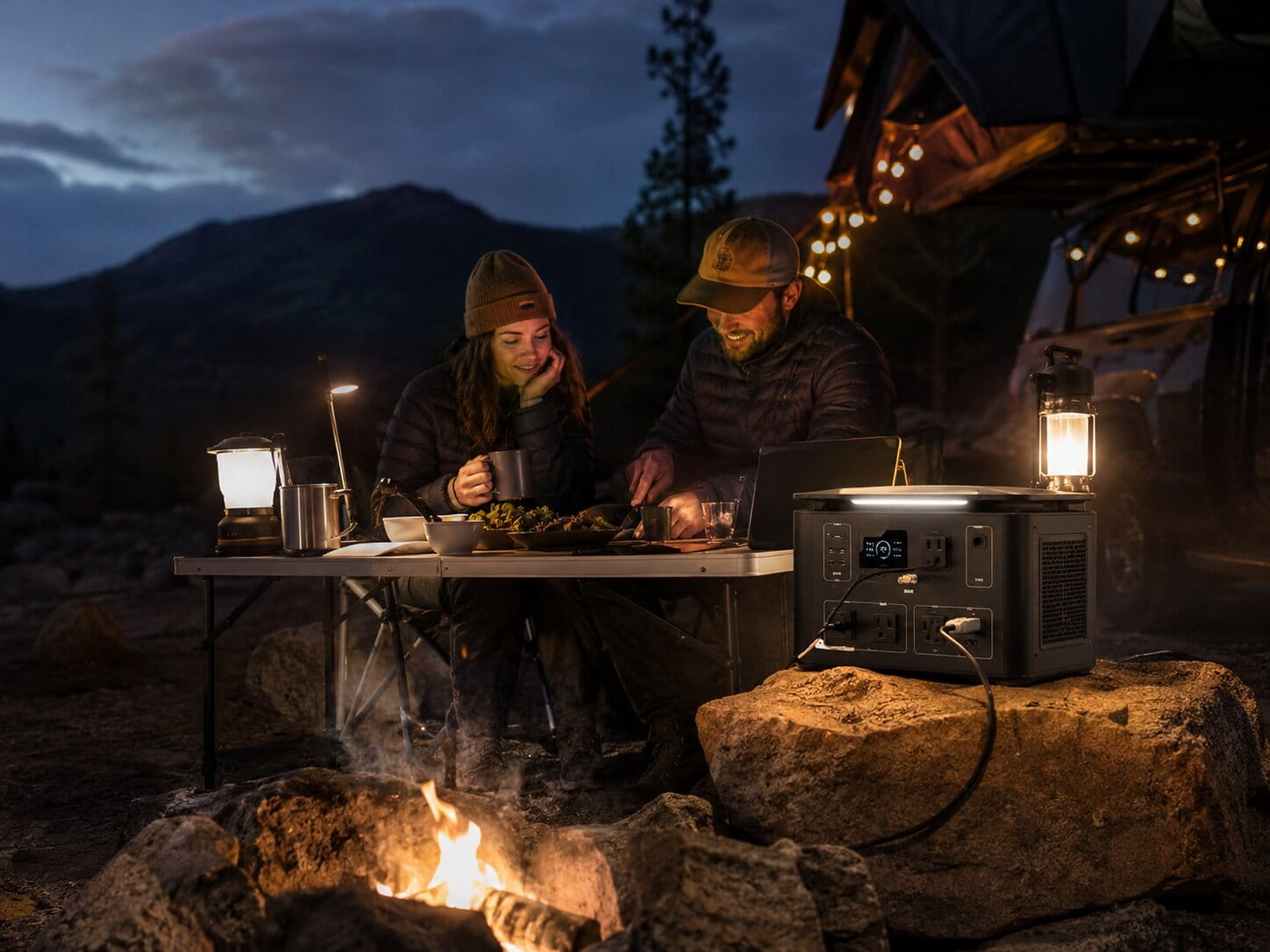
Portable lithium power stations (200Wh–2,000Wh) are exceptional for one specific structural reason: they are insurance products. Buyers make the purchase decision after a grid outage, a hurricane warning, or a wildfire evacuation — and once made, they rarely return the product. That translates directly to low return rates and stable margin. Demand spikes predictably during storm seasons and during the Australian bushfire season.
Medium competition
USA / AU
Seasonal spike
19. Ultra-Lightweight Thru-Hiking Gear

Ultralight backpacking is driven by premium materials — titanium, Dyneema, Cuben fiber — and premium materials carry premium margins structurally built into the cost of goods. Thru-hikers are some of the most research-obsessed buyers in any category: they spend months planning gear lists and comparing specifications. Long-form, technically accurate listing copy converts exceptionally well with this demographic. Competition is low because very few high-volume dropshippers have the category knowledge to write convincing listings.
Low competition
USA / EU
Premium materials
20. Urban Emergency Preparedness Kits
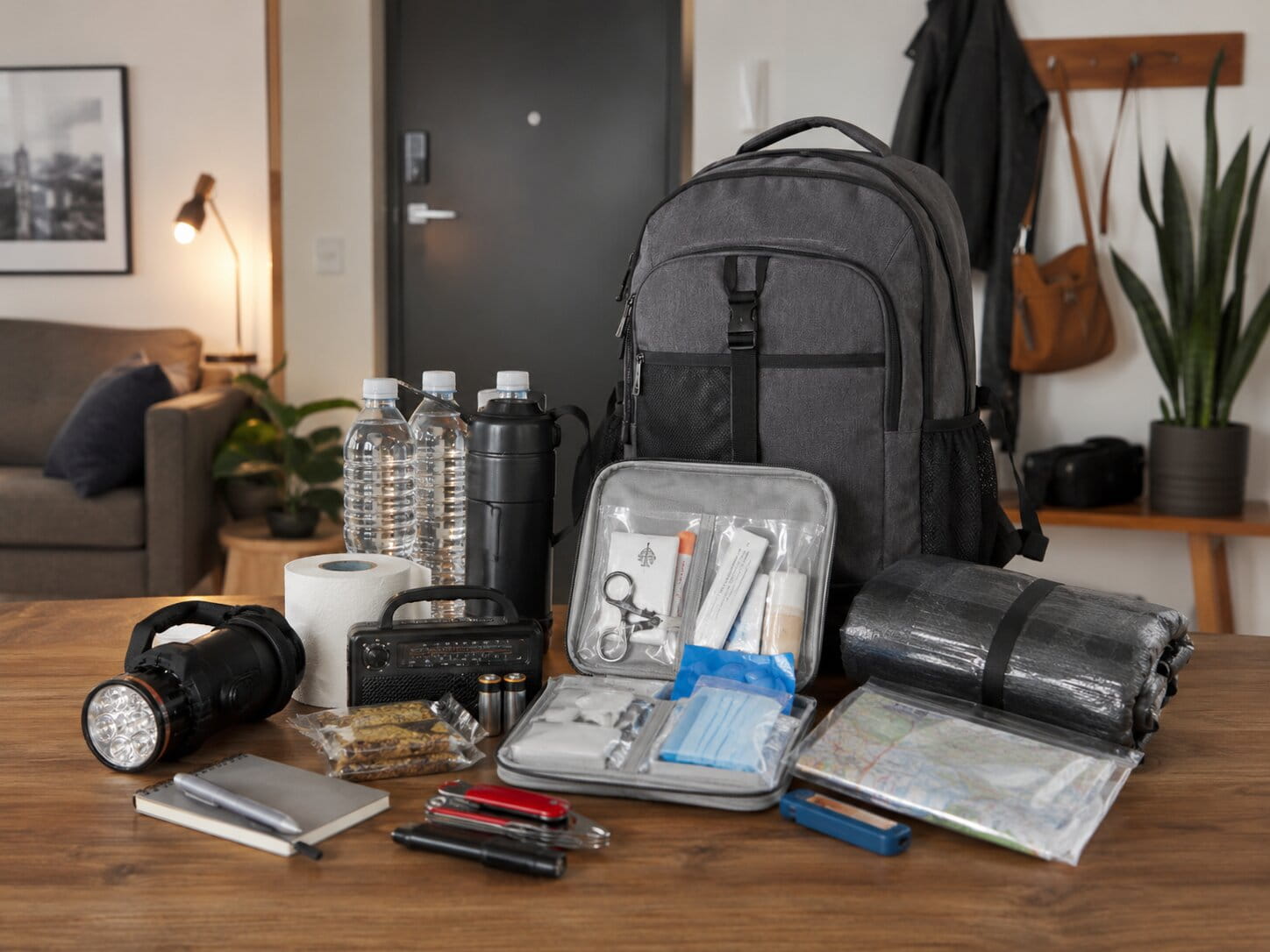
Emergency preparedness is the most evergreen category on this list — it does not depend on seasonal trends, lifestyle movements, or economic cycles. Demand is stable and relatively immune to macroeconomic pressures because the purchase is framed as risk reduction, not consumption. When comparing evergreen dropshipping niches, profit margins should be evaluated alongside demand stability, competition, return rates, and supplier reliability. A category with slightly lower margins may produce more predictable results if demand remains consistent throughout the year. Modular 72-hour kits, apartment-specific emergency supplies, and vehicle emergency bags have strong gifting use cases that drive demand well beyond the core prepper demographic.
Medium competition
USA / Global
Evergreen
IV. Niche Comparison: At a Glance
The table below summarizes the top performers across average margin, competition level, best target market, and current trend signal.
| Niche category | Avg. margin | Competition | Best market | Trend |
|---|---|---|---|---|
| Bio-Hacking Accessories | 45% | Medium | Global | TikTok viral |
| Backyard Astronomy Gear | 42% | Low | USA / CA | Growing |
| Ultra-Light Thru-Hiking | 42% | Low | USA / EU | Evergreen |
| Pet Physical Therapy Gear | 40% | Low | USA / UK | Strong |
| Overlanding Gear | 40% | Low | USA | Rising fast |
| Recycled Material Décor | 40% | Low | Global | Mainstream |
| AI Smart Home Controllers | 38% | Medium | USA / DE | Q4 spike |
| Home Coffee Roasting | 37% | Low | USA / UK | Niche loyal |
| Smart Sleep Tools | 36% | Medium | Global | Universal |
| Sustainable Home Tech | 35% | Medium | USA / DE | Stable |
| Off-Grid Power Stations | 35% | Medium | USA / AU | Storm-driven |
V. How to Validate Any Niche Using Easync
Identifying a promising niche from a list is the starting point. Validating whether it is the right niche for your specific supplier network, target marketplace, and capital constraints is the critical step that separates profitable stores from expensive experiments.
VI. Frequently Asked Questions
Bio-hacking accessories lead on pure margin potential (up to 45% net), but the highest expected value combination of margin, competition, and growth trajectory belongs to backyard astronomy gear and ultra-lightweight thru-hiking equipment. Both niches have low competition, loyal buyer communities, premium price acceptance, and year-over-year search volume growth above 25%.
The most reliable method is long-tail specificity within a proven broad category. “Camping gear” is saturated; “ultralight titanium camping cookware” is not. Easync’s Hot Items tool surfaces these long-tail opportunities by combining sell-through rate data with competing-offer count — the two metrics that most directly measure the gap between demand and supply.
Generally yes. At a 35% net margin, one sale of a $400 overlanding accessory ($140 profit) equals eight sales of a $50 desk organizer ($17.50 profit each). Fewer transactions mean fewer customer service interactions and a more manageable operational footprint. The recommended approach: two or three high-ticket niches (overlanding, astronomy, thru-hiking) plus one fast-moving mid-ticket niche (desk accessories, sleep tools) to maintain weekly cash flow.
FBM (Fulfilled by Merchant) means you control fulfillment directly — when a buyer orders, that order routes to your supplier for direct shipment to the end customer. You never hold inventory. The advantage is margin control: no FBA storage fees or inbound shipping costs. The challenge is staying competitive against FBA sellers on Prime badge and shipping speed — which is why repricing automation (the core Easync value proposition) is not optional in an FBM operation.
Saturation happens at the keyword level, not the category level. The practical filter: competing-offer count below 30 combined with sell-through above 55%. The second defense is supply chain resilience — niches where multiple alternative suppliers exist are protected against the single-supplier stock-out events that collapse listings and reset Buy Box history. For every niche you enter, identify your primary supplier and at least one backup before you list.
Final Thoughts: Niche Selection Is the Leverage Point
Amazon dropshipping in 2026 rewards precision over volume. The sellers who will scale past $50K/month in profit are not the ones running 500 SKUs across generic categories — they are the ones who identified five or six structurally protected niches, validated them with real marketplace data, and built supplier relationships that give them pricing and stock advantages their competitors cannot easily replicate.
Every niche in this guide was selected because it offers a combination of attributes that are rarely found together: genuine buyer demand, limited competing supply, price stability through promotional events, and a buyer demographic that purchases on specificity rather than price.
Run the three validation steps above on any niche you are considering. Use Easync’s sell-through data and price history tools to confirm what the market is telling you before you source a single product. The sellers who combine thoughtful niche selection with real-time pricing automation are the ones who build durable, margin-positive stores — regardless of what Amazon throws at them next.
Ready to find your high-margin niche?
Use Easync’s Finder and Hot Items tools to validate sell-through rates, price history, and competitor saturation in under 5 minutes.