Order fulfillment has become the deciding factor in whether an eCommerce business thrives or collapses. As consumer expectations accelerate and marketplaces tighten performance standards, sellers increasingly depend on automation to stay competitive. In 2026, fulfillment software solutions is no longer just a backend tool—it is the operational engine that determines delivery speed, customer satisfaction, and search visibility across platforms like Amazon, eBay, Shopify, and Walmart Marketplace.
Order fulfillment software drives efficiency by streamlining workflows, reducing manual errors, and integrating real-time data management, enabling businesses to fulfill orders faster. This directly enhances the overall customer experience by improving speed, accuracy, and reliability throughout the entire purchasing journey.
The market now spans everything from AI-powered auto-order systems to enterprise-scale warehouse management platforms.
Key Takeaways
E-commerce fulfillment software in 2026 is defined by automation, speed, and integration. Sellers increasingly need systems that help save time by automating repetitive tasks, reducing manual intervention, syncing inventory across channels, generating reliable tracking updates, and eliminating the human error that leads to account penalties or customer complaints. While enterprise sellers prioritize warehouse automation and advanced routing, dropshippers and marketplace merchants rely on cloud-based fulfillment tools designed for speed and accuracy.
The strongest solutions combine real-time data, automated workflows, and adaptive routing. The top platforms also support multi-channel operations, ensuring consistent shipping experiences whether orders originate from Shopify, eBay, TikTok Shop, or Amazon.
Understanding Order Fulfillment Software
Order fulfillment software manages the operational lifecycle that begins when a buyer checks out and ends when the package arrives. Historically, sellers relied on manual processes for order management copying order details, placing purchase orders, printing labels, updating tracking, and resolving stock discrepancies. Today, modern order fulfillment systems automate these tasks, providing centralized order management and reducing reliance on manual processes.
Modern fulfillment platforms support tasks such as:
- synchronizing stock levels across multiple marketplaces,
- generating purchase orders and auto-orders,
- routing shipments to carriers with optimized cost and speed,
- syncing tracking data back into selling channels,
- and managing exceptions such as returns or lost packages.
For marketplace sellers, fulfillment software has become a compliance tool. Marketplaces now score sellers on handling times, delivery consistency, and tracking accuracy. A single late shipment can have a measurable impact on visibility. This shift has made software-driven fulfillment essential rather than optional.
Cloud-Based Order Fulfillment System: The Future Standard
Cloud-based order fulfillment has quickly become the gold standard for modern eCommerce businesses. By moving fulfillment software to the cloud, companies gain the ability to manage their entire shipping and delivery process from one platform, accessible anywhere and anytime. This shift eliminates the need for manual data entry and reduces the risk of costly errors, freeing up valuable resources and allowing teams to focus on growth.
With real-time inventory tracking, businesses always know their exact stock levels across all sales channels, preventing overselling and backorders. Automated alerts notify teams instantly about low inventory, shipping delays, or order exceptions, enabling proactive problem-solving and ensuring customer satisfaction. Seamless integration with leading ecommerce platforms means orders flow directly from your online store into your fulfillment system, streamlining operations and saving time.
Cloud-based fulfillment software also provides real-time data and analytics, empowering businesses to make informed decisions and optimize their shipping workflows. As the eCommerce landscape evolves, adopting cloud-based solutions is essential for staying competitive, scaling efficiently, and delivering the fast, reliable service today’s customers expect.
How to Choose the Right Order Fulfillment Software
The right solution depends on the business model. Dropshippers prioritize automated sourcing, ordering, and tracking. Brands with inventory need warehouse management systems that integrate with carriers. Multi-channel sellers require unified dashboards capable of handling large SKU catalogs.
It’s essential to choose order fulfillment software that aligns with your specific business needs and supports your plans for future growth.
Three questions now guide the selection process:
Small businesses may prioritize cost-effective solutions that can scale as they grow.
1. Is the business built on dropshipping or owned inventory?
Dropshipping favors cloud-based automation platforms like FBE or AutoDS, while inventory-based merchants lean toward ShipBob or SKULabs.
Many dropshipping platforms also allow users to create automated workflows or drop shipments, helping to streamline order fulfillment operations.
2. How many channels does the business sell through?
A single-store Shopify merchant has different needs than a seller operating across Amazon, Walmart, Etsy, TikTok, and eBay.
3. What level of automation is required?
Self-service tools work for small operations; high-volume sellers need hands-off fulfillment, real-time routing, and error reduction.
Customer Experience and Order fulfillment solutiont
Order fulfillment is at the heart of the customer experience. When customers receive their orders quickly, accurately, and with clear communication, it builds trust and encourages repeat purchases. In today’s competitive market, fulfillment is more than just shipping a package, it’s about delivering on your brand promise and exceeding customer expectations.
A seamless fulfillment process ensures that your customer base enjoys a hassle-free shopping journey, from checkout to delivery. Businesses that prioritize accurate order fulfillment and proactive communication see higher levels of customer satisfaction and loyalty. This, in turn, drives positive reviews, referrals, and long-term business growth.
To deliver an exceptional customer experience, focus on optimizing your fulfillment operations: use reliable fulfillment software, maintain clear order tracking, and respond quickly to any issues. By making fulfillment a core part of your business strategy, you not only meet but exceed customer expectations—turning first-time buyers into loyal advocates for your brand.
By the way, for a more comfortable start with dropshipping on Easync, you can take advantage of a great offer and get a discount of up to 50%.
Below, we examine the best order fulfillment tools shaping eCommerce.
| Software | Fulfillment Type | Key Features | Pros | Cons | Best For |
|---|---|---|---|---|---|
| Fulfillment by Easync (FBE) | Automated Dropshipping Fulfillment | Auto-ordering, real-time stock checks, tracking sync, supplier rerouting, multi-account workflows | Hands-off fulfillment, fast scaling, reduced late shipments, protects marketplace metrics | No branded packaging; dependent on supplier networks | Dropshippers & marketplace sellers needing full automation |
| ShipBob | 3PL Warehouse Fulfillment | Global warehouses, branded packaging, analytics, fast 2–3 day shipping | Strong brand control and customer experience | High storage fees; requires inventory | DTC brands & private label sellers |
| Deliverr (Flexport) | Fast Marketplace Fulfillment | 2-day shipping badges, marketplace integrations, predictive routing | Improves search ranking with guaranteed speed | Inventory required; rigid SKU requirements | Amazon, Walmart, & eBay sellers needing fast delivery |
| ShipStation | Shipping Automation Software | Label batching, carrier rate comparison, routing rules, multi-channel sync | Highly flexible and customizable | Not a fulfillment center; requires a warehouse | Sellers with in-house fulfillment or 3PL partners |
| SKULabs | Inventory + Fulfillment Management | Real-time inventory sync, warehouse scanning, multi-channel integration | Reduces stock errors; excellent SKU tracking | More complex setup; higher learning curve | Sellers with large SKU catalogs |
| Ordoro | SMB Fulfillment & Inventory Software | Kitting, shipping workflows, vendor management, dropshipping automation | Strong all-in-one value for SMBs | Advanced features locked behind higher tiers | Small to mid-sized eCommerce brands |
| Inventory Source | Wholesale Dropshipping Automation | Catalog syncing with wholesalers, auto PO generation, supplier mapping | Excellent wholesale supplier integrations | Not ideal for retail arbitrage or dynamic sourcing | Wholesale dropshippers |
| ShipHero | US-Based 3PL & WMS | Fast US warehouse network, WMS tools, multi-location fulfillment | Reliable shipping performance | Limited global reach | US-focused brands needing speed |
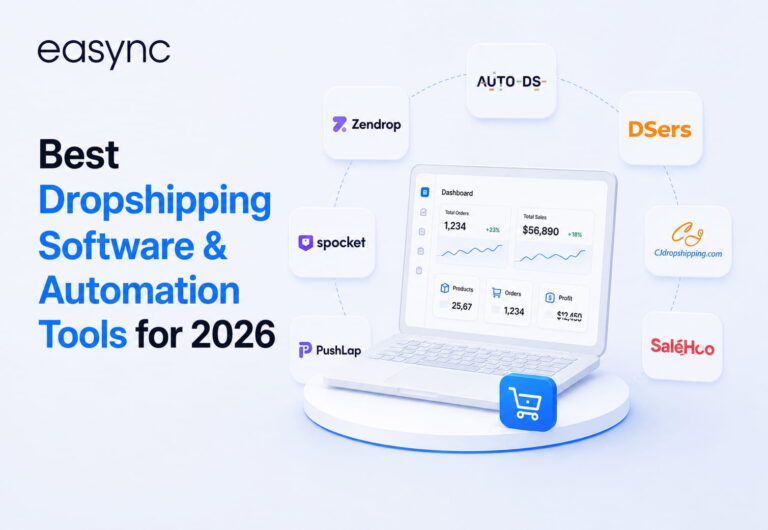
| Oberlo (Rebuilt) / DSers | AliExpress Auto-Ordering | Bulk ordering, variant mapping, automated tracking | Excellent workflow for AliExpress sourcing | Dependent on AliExpress shipping times | Shopify dropshippers using AliExpress suppliers |
| Printful | Print-on-Demand Fulfillment | Custom printing, apparel production, global POD facilities | No inventory risk; strong design tools | High per-unit cost; slower production during peak seasons | Creators & sellers offering custom designs |
| Zendrop | Dropshipping + Branded Fulfillment | US fast shipping, custom packaging, product sourcing | Better delivery times than AliExpress; branding options | Higher product costs vs. overseas sourcing | Shopify dropshippers wanting branded experiences |
| AutoDS | Multi-Platform Dropshipping Automation | Auto-ordering, product research, tracking sync, AI listing creation | Easy scaling across Shopify, Amazon, Facebook, eBay | Performance varies depending on supplier | Automated dropshipping across multiple channels |
1. Fulfillment by Easync (FBE) — Best for Dropshipping & Marketplace Automation
FBE leads the list because automation is increasingly the backbone of modern eCommerce, especially for sellers operating on eBay and Amazon. Instead of requiring warehouse inventory, FBE automates sourcing, ordering, tracking synchronization, and supplier routing. This streamlines the process of delivering customer orders efficiently and accurately. When an order hits eBay, the system automatically purchases the item from the seller’s preferred suppliers, updates tracking, and monitors for delivery issues.
Key Features
Real-time supplier tracking, automated purchasing, smart rerouting when suppliers go out of stock, multi-account support, and instant tracking synchronization. The system behaves like an “FBA for dropshipping,” removing manual workload entirely.
Pros
FBE provides a consistent, scalable fulfillment pipeline that protects seller metrics and reduces cancellation rates. It eliminates the human bottleneck traditionally seen in dropshipping workflows and offers 24/7 automated processing.
Cons
Since FBE is automation-driven, sellers do not control packaging or branding. For businesses focused on custom packaging or private labels, warehouse-based fulfillment is still necessary.
2. ShipBob — Best for DTC Brands and Private Label Sellers
ShipBob continues to dominate the mid-market fulfillment space with its global warehouses, deep analytics, and brand-focused packaging options. ShipBob’s cloud-based platform is compatible with any operating system, making integration seamless for businesses with diverse IT environments.
Its network reduces shipping times and ensures predictable delivery across North America, Europe, and Australia. ShipBob’s strategic warehouse network and advanced analytics help businesses optimize shipping costs by enabling real-time rate calculations and efficient inventory placement.
Key Features
Inventory storage, branded packaging, global fulfillment centers, real-time analytics, and API integrations for Shopify, BigCommerce, and Amazon.
Pros
Fast shipping and value-added branding make it ideal for private-label sellers.
Cons
Storage fees add up quickly, making it less accessible for small businesses or low-margin sellers.
3. Deliverr (Flexport) — Best for Marketplace Speed and Guaranteed Shipping
After joining Flexport, Deliverr expanded its marketplace integrations and strengthened its two-day shipping program. Deliverr leverages optimized shipping strategies to ensure fast and cost-effective delivery for marketplace sellers. The result is a fulfillment model that matches the urgency-driven behavior of eBay, Walmart, and Amazon customers.
Key Features
Guaranteed delivery windows, multi-channel fulfillment, predictive routing, and marketplace optimization.
Pros
Fast delivery improves search ranking and customer trust.
Cons
Suitable only for sellers holding inventory.
4. ShipStation — Best for Multi-Channel Sellers Using Their Own Warehouses
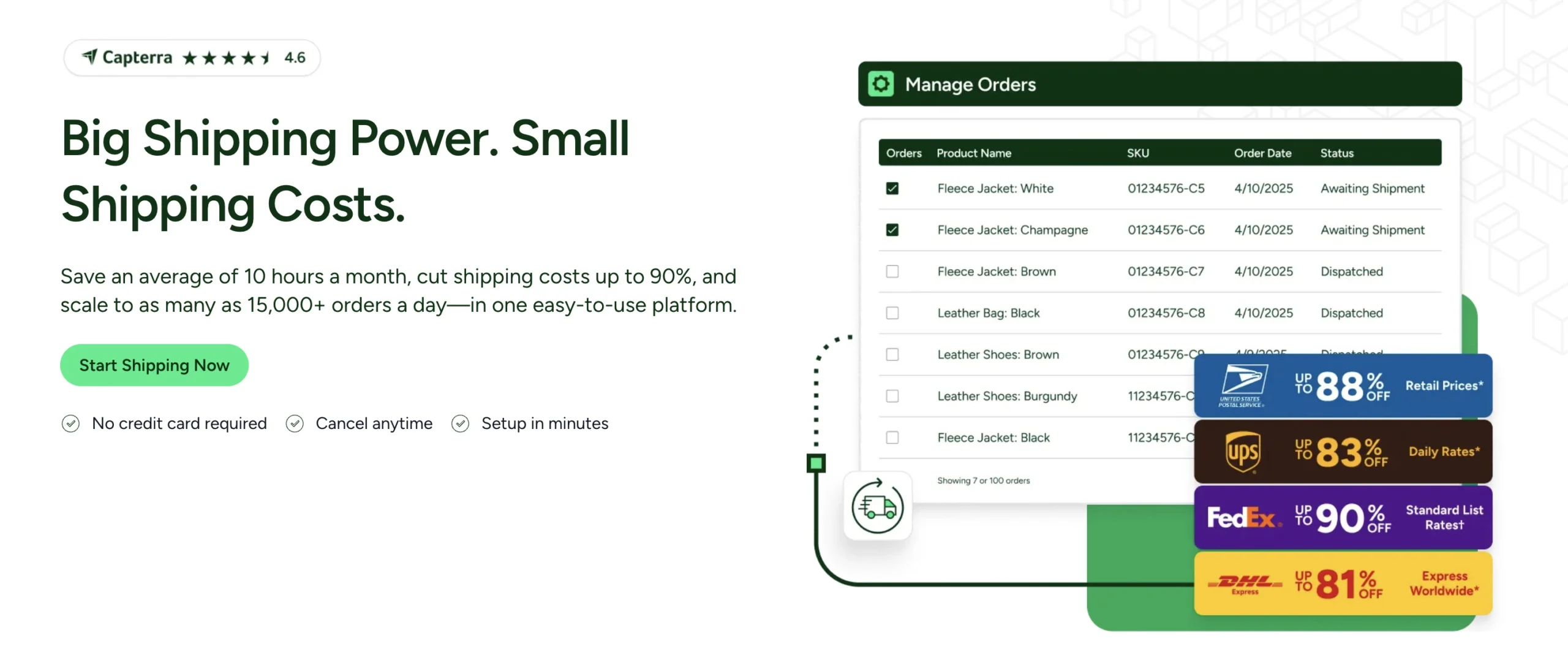
ShipStation is not a fulfillment house but a powerful automation layer. Sellers use it to centralize shipping labels, carrier rate comparison, and multi-channel routing. ShipStation helps streamline warehouse operations by centralizing shipping tasks and supporting features like barcode scanning, which reduces errors and improves order fulfillment accuracy during picking, packing, and shipping processes. It’s essential for mid-size sellers operating across several storefronts.
Key Features
Batch label printing, carrier optimization, rule-based routing, and integrations with hundreds of platforms.
Pros
Highly flexible and customizable; reduces manual errors.
Cons
Sellers still need their own warehouse or 3PL.
5. SKULabs — Best for Inventory-Heavy Multi-Channel Sellers
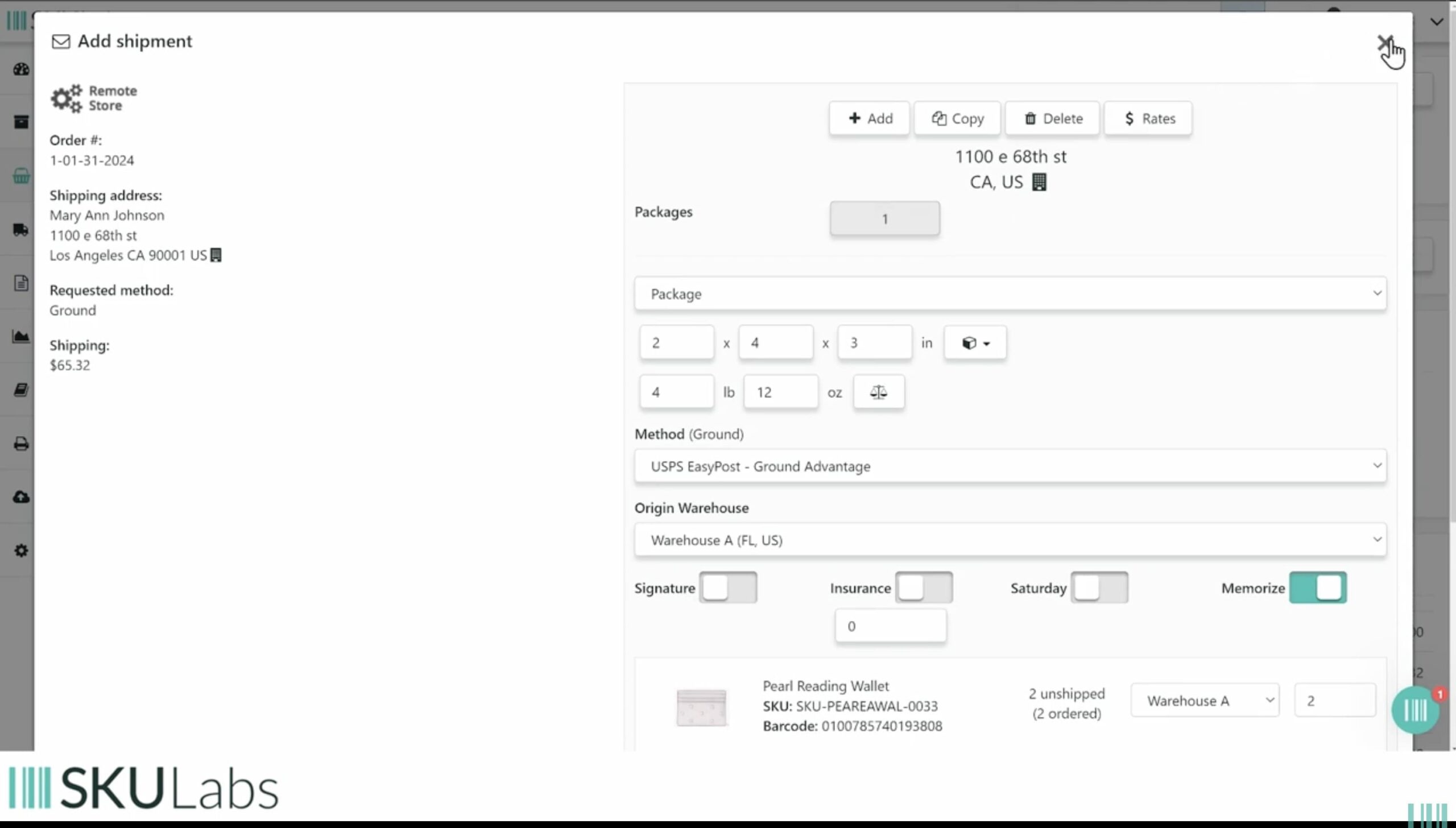
SKULabs provides unified inventory control and picking/packing workflows. The platform offers visibility and control across the entire supply chain, from inventory receipt to order shipment. Large SKU catalogs benefit from the platform’s real-time synchronization.
Key Features
Inventory management, warehouse scanning, multi-channel sync, and fulfillment automation.
Pros: Excellent for reducing stock discrepancies.
Cons: More complex to set up than cloud-only dropshipping software.
6. Ordoro: SMB-Friendly All-Rounder
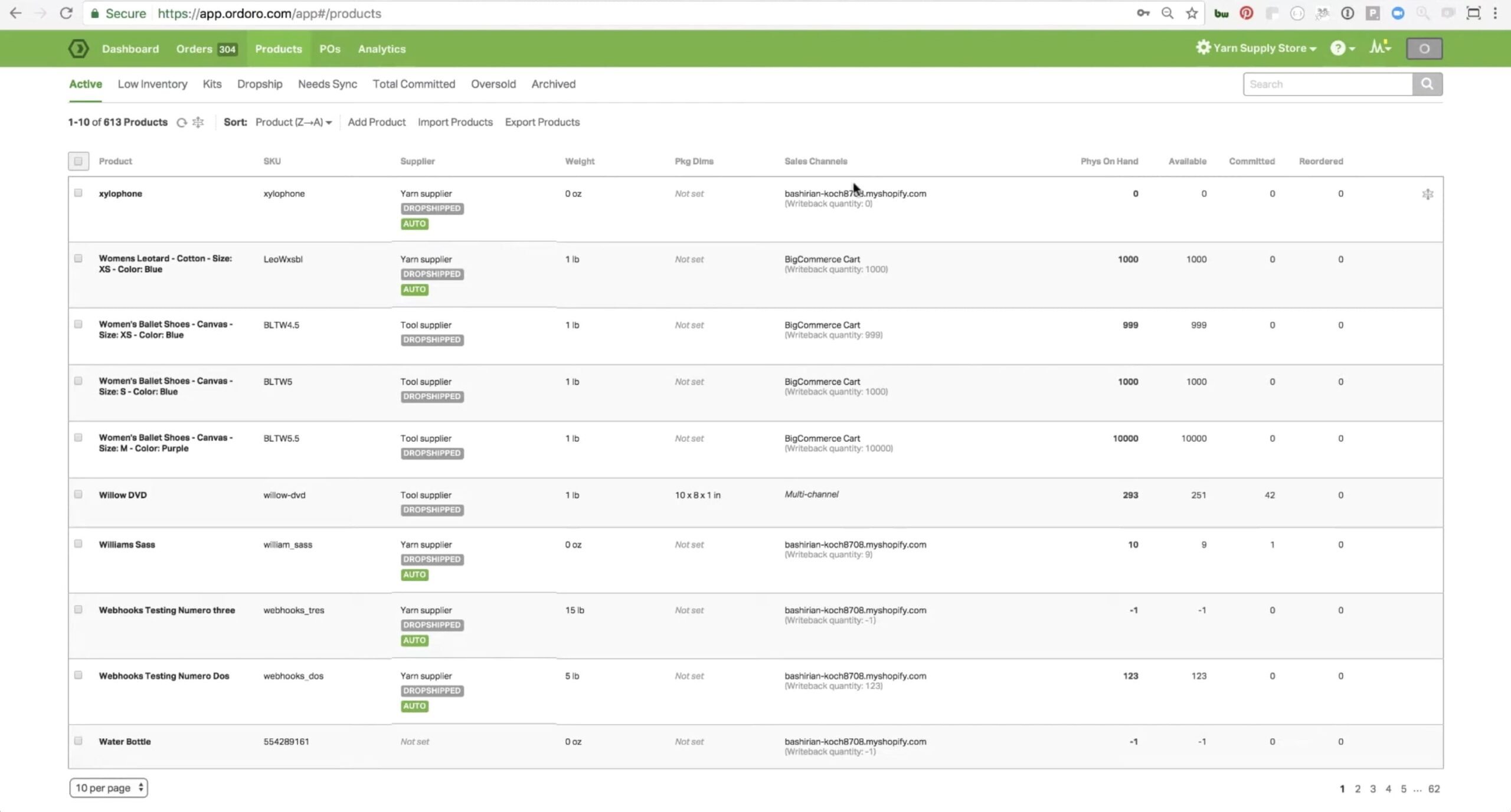
Ordoro’s free shipping tier propels it to eighth, syncing orders across eBay and Shopify while routing dropshipping with kitting for custom bundles that boost AOV by 15%. 11 Real-time tracking and purchase orders streamline ops for mid-sized stores.
Pros
Unlimited labels at $0, wide integrations, and 4.5 stars for quick setup—orders ship 30% faster. 23 Inventory starts at $349 yearly.
Cons
Scalability caps at enterprise levels, lacking deep 3PL tools, and occasional sync lags affect 8% of users. For budget SMBs, Ordoro’s value is evident.
7. Inventory Source — Best for Wholesale Dropshipping
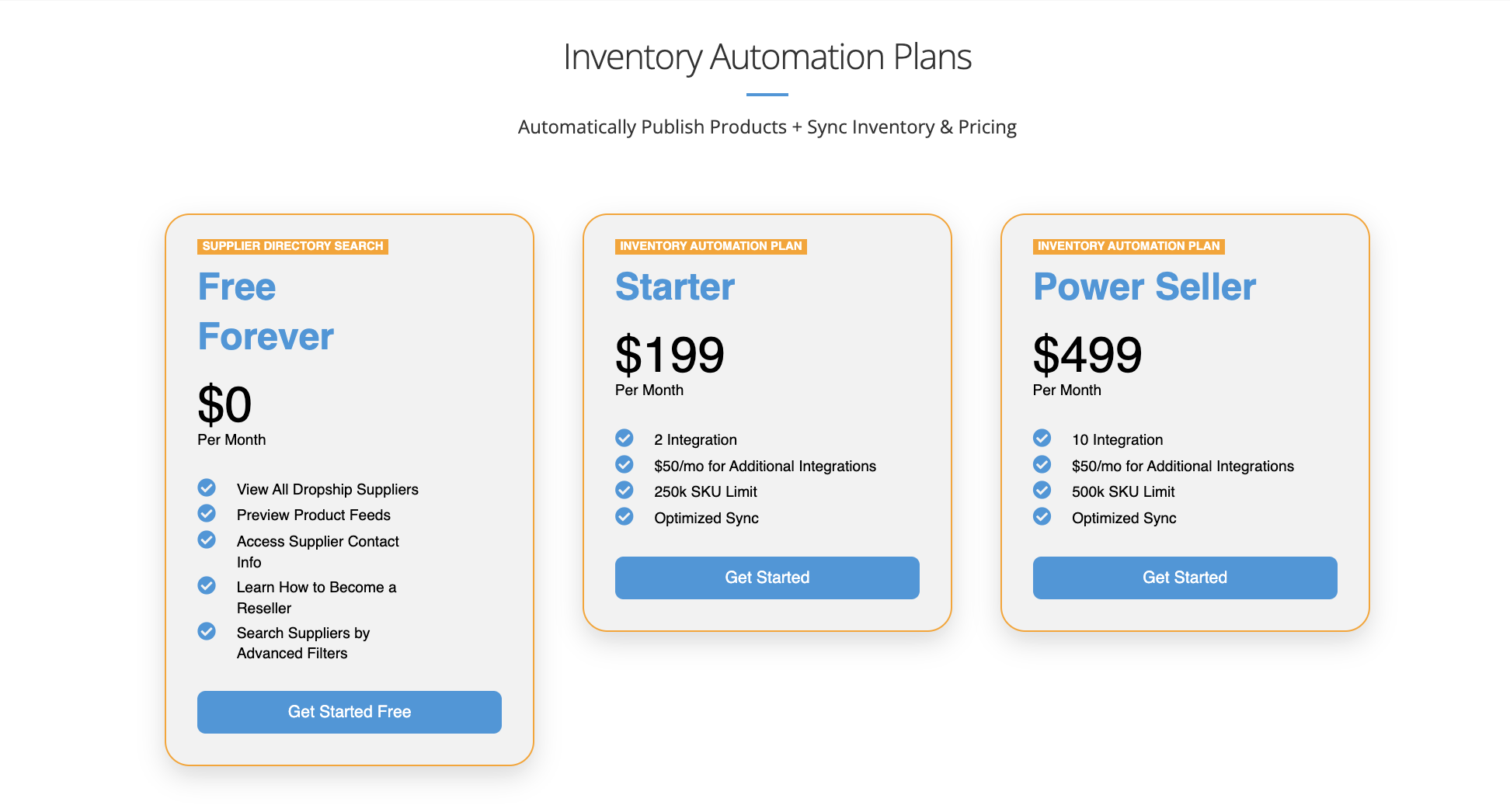
Inventory Source integrates directly with wholesale suppliers, syncing catalogs and sending purchase orders automatically. It centralizes and automates the management of customer orders from various sales channels, streamlining the entire fulfillment process.
Key Features
Catalog integration, automated PO generation, multi-channel sync.
Pros
Strong relationships with wholesalers.
Cons
Less suited to retail dropshipping workflows.
8. ShipHero — Best for Fast, US-Based Warehouse Fulfillment
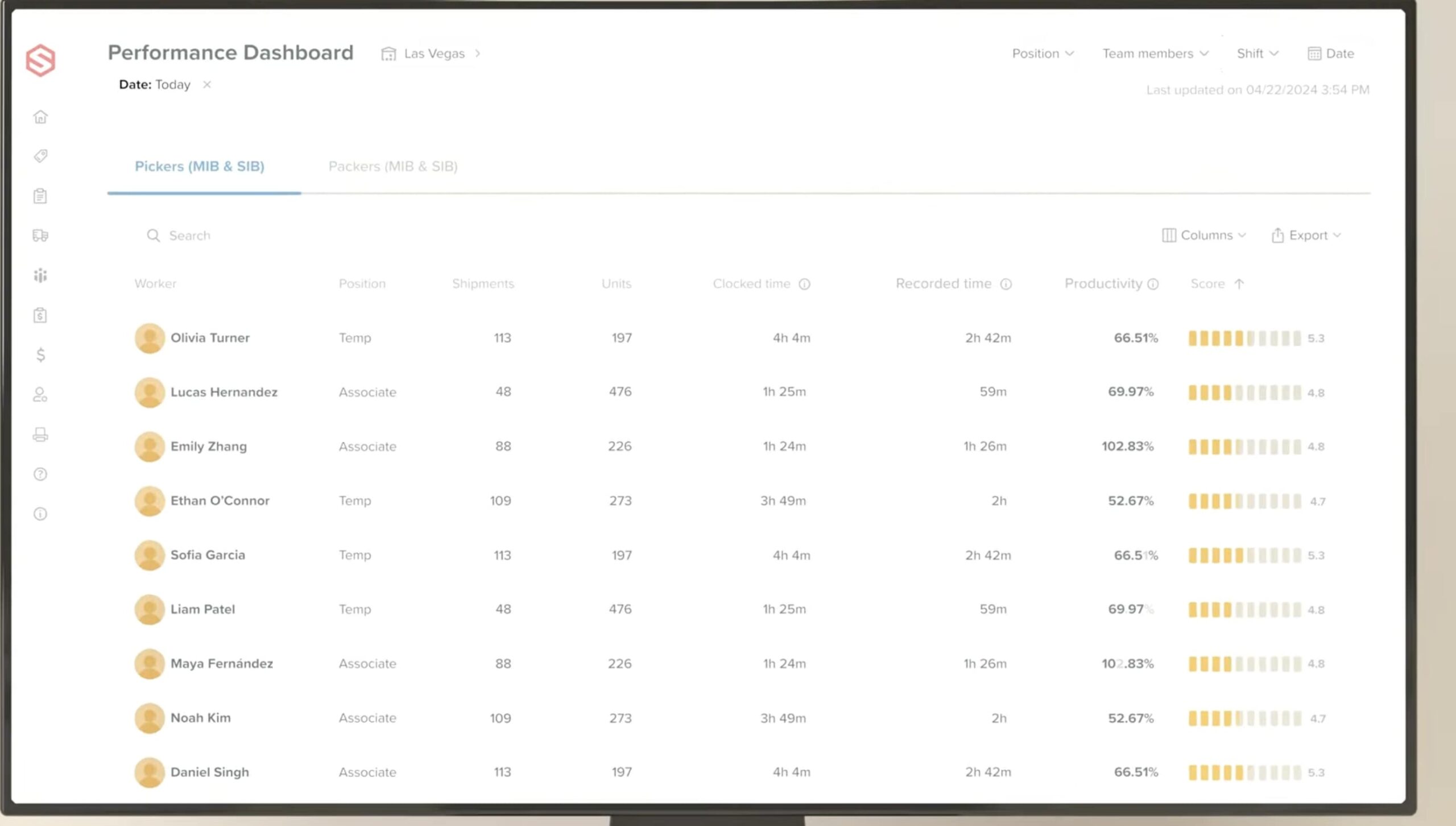
ShipHero offers a modern warehouse network focused on fast delivery and high operational accuracy. It gives brands complete control over their warehouse operations, inventory, and order processing, empowering them with comprehensive oversight and decision-making authority. Many mid-sized brands use it as a cost-effective alternative to enterprise 3PLs.
Key Features
Warehouse automation, WMS systems, multi-location fulfillment.
Pros
Reliable performance and strong order accuracy metrics.
Cons
Primarily US-based, making international expansion harder.
9. Oberlo (Rebuilt) / DSers — Best for AliExpress-Focused Shopify Stores
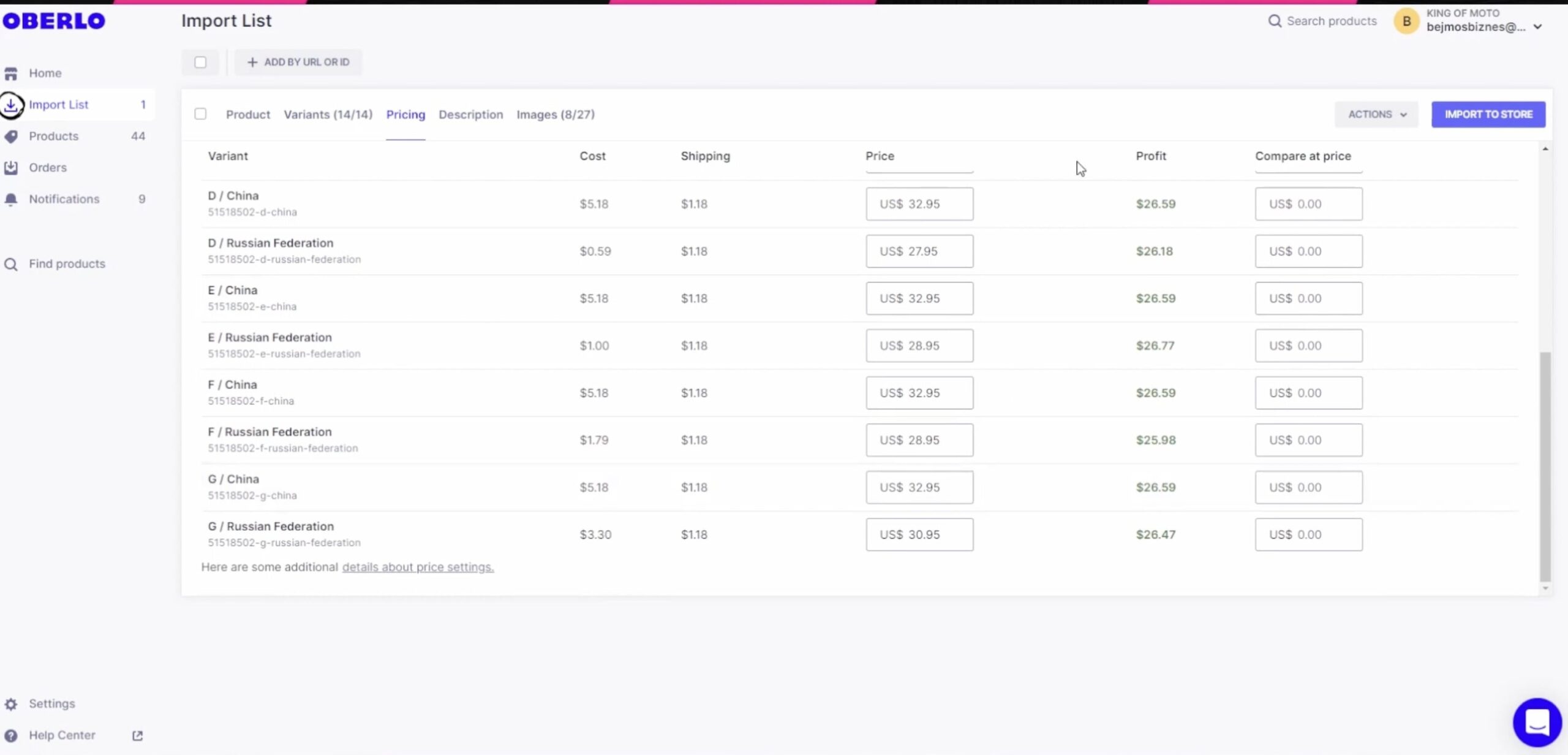
DSers became Shopify’s official replacement for Oberlo, offering AliExpress-based automation for sourcing and fulfillment.
Key Features
Bulk order placement, variant mapping, and automated tracking.
Pros
Efficient for Shopify sellers heavily reliant on AliExpress.
Cons
Still dependent on AliExpress shipping times.
10. Printful — Best for Print-on-Demand Fulfillment
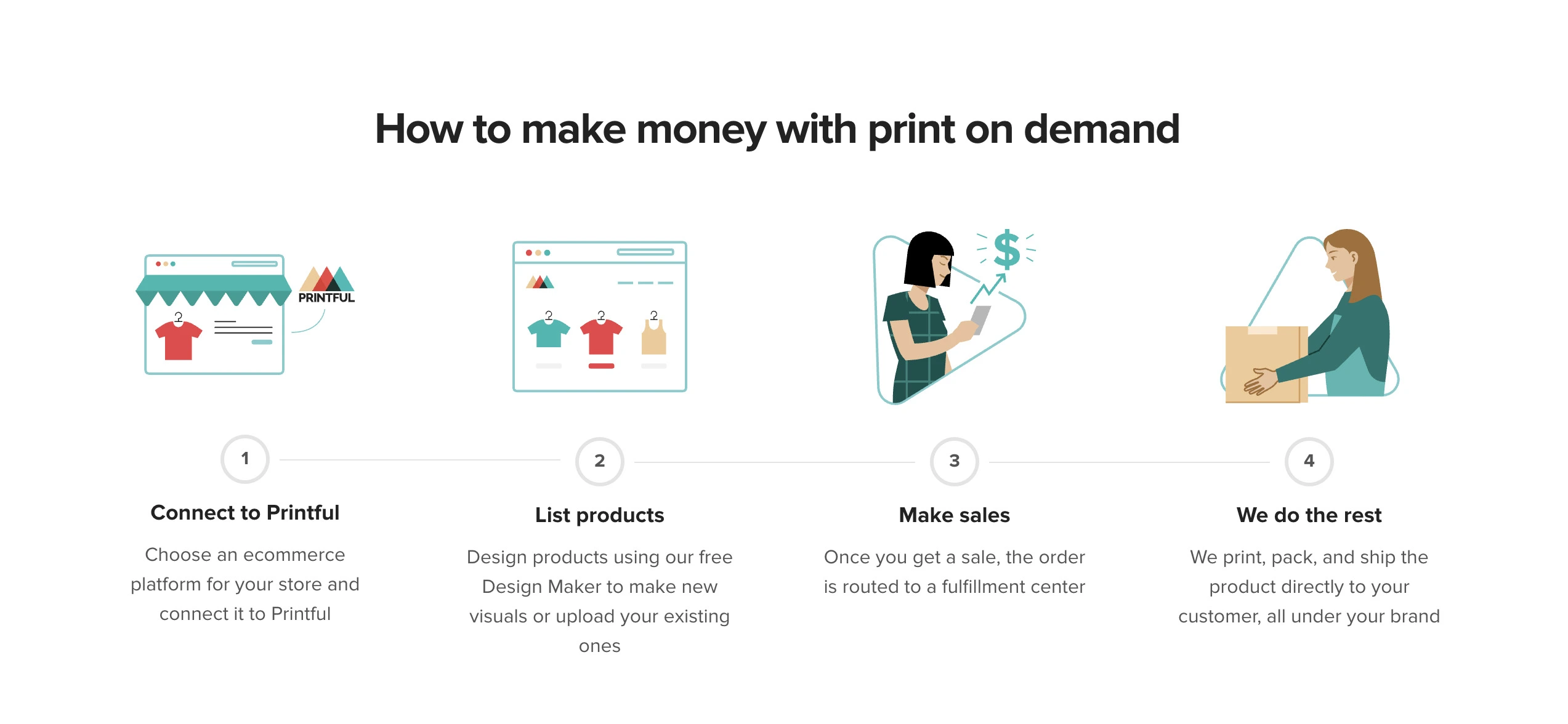
Printful handles production and fulfillment for apparel, accessories, and custom products sold on eBay, Etsy, Shopify, and Amazon.
By using Printful, businesses can generate additional revenue streams by offering custom products without upfront inventory investment.
Key Features
Print-on-demand production, design tools, and global fulfillment centers.
Pros
No inventory risk and excellent design tools.
Cons
Unit costs are higher, reducing margins for new sellers.
11. Zendrop: Branded Fulfillment with US Speed
Zendrop’s fifth-place finish stems from its US warehouse backbone, fulfilling 80% of orders in under a week via auto-bulk processing and real-time inventory that prevents 99% of stockouts. 12 Features like profit calculators and bundling tools optimize pricing dynamically, integrating with Shopify for seamless tracking.
It excels in customization, private labeling upsells 25% of orders and the $49 Pro plan supports unlimited automation.
Users praise 4.6-star reliability for cutting returns by 18%.
Downsides: supplier variety lags AliExpress by 30%, and free tiers restrict features, nudging upgrades.
Higher costs for EU ops add 5-10%, but for US-centric dropshippers, Zendrop’s blend of speed and branding is transformative.
12. AutoDS — Best for Automated Shopify & eBay Dropshipping
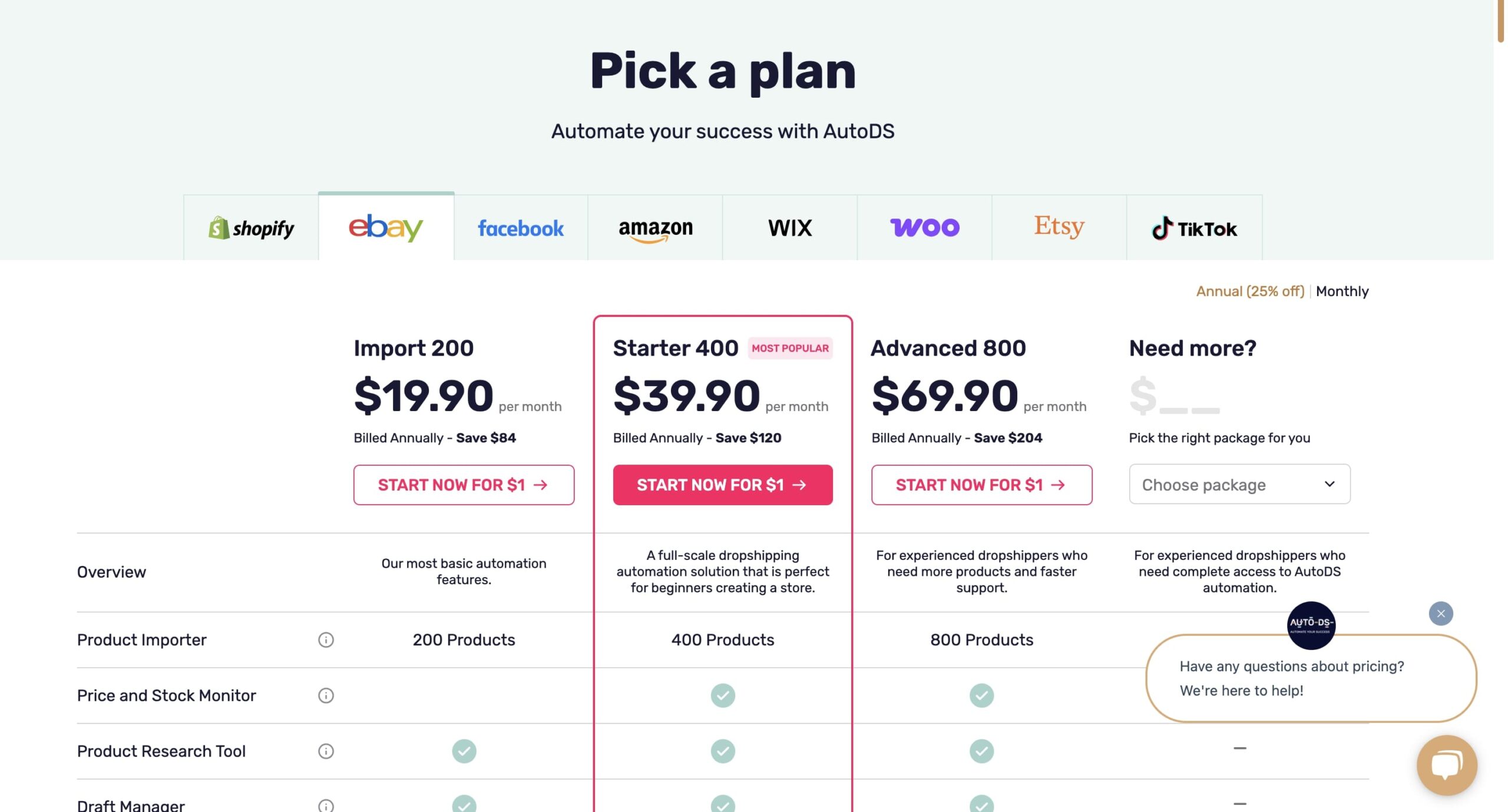
AutoDS provides an all-in-one solution for sourcing, monitoring, and auto-ordering for dropshippers operating across multiple platforms.
Key Features
Product research, automatic ordering, repricing, and tracking updates.
Pros
Ideal for Shopify-focused sellers who want flexible automation.
Cons
Auto-ordering reliability varies depending on supplier.
Conclusion: Automation and Speed Define Fulfillment
The strongest fulfillment platforms of 2026 share a common philosophy: reduce manual effort, eliminate errors, improve delivery times, and integrate tightly with sales channels. For dropshippers and marketplace sellers, Fulfillment by Easync (FBE) stands out because it replaces human labor entirely with smart automation. For private-label and inventory-driven businesses, tools like ShipBob, Deliverr, and ShipHero offer the infrastructure needed for global scaling.
The fulfillment landscape continues to evolve, but one trend is clear: businesses that adopt automation early gain a measurable advantage in speed, consistency, and profitability.
FAQ:
1. What does order fulfillment software actually do?
Order fulfillment software automates the operational tasks that occur after a sale importing orders, generating purchase orders, syncing tracking numbers, routing shipments, updating customers, and managing stock across multiple platforms. In 2026, most systems rely on real-time data and rule-based automation to minimize human error and ensure consistent delivery performance.
2. What is the difference between automated fulfillment and 3PL fulfillment?
Automated fulfillment solutions like FBE (Fulfillment by Easync) handle digital processes—such as ordering from suppliers and syncing tracking—without requiring physical warehouse storage. In contrast, third-party logistics providers (3PLs) like ShipBob and Deliverr store inventory in warehouses and physically pack and ship orders. Automation excels for dropshipping; 3PLs are better for brands with owned inventory.
3. Which fulfillment software is best for dropshipping?
Fulfillment by Easync (FBE) is the strongest option for dropshipping because it automates every step of the process: sourcing, ordering, stock checking, and tracking. This reduces cancellation rates and handling time issues, both of which affect marketplace search ranking. For Shopify sellers working with AliExpress, DSers and AutoDS remain common alternatives.
4. Does fulfillment speed affect search ranking on marketplaces like eBay and Amazon?
Yes. Marketplaces increasingly use fulfillment performance as a core input in ranking algorithms. Faster handling times, consistent delivery estimates, and high tracking-validity scores improve both organic visibility and Buy Box competitiveness. Sellers using software that automates or accelerates fulfillment typically see measurable improvements in conversion rates.
5. How do I know when to switch from manual fulfillment to automation or a 3PL?
Most sellers make the shift when daily order volume surpasses what they can fulfill consistently without late shipments. If fulfillment is preventing business growth or consuming too much time, automation tools like FBE offer immediate relief. When sales reach a stable, predictable volume and inventory is held in bulk, transitioning to a 3PL becomes more practical.
6. Can I use multiple fulfillment systems at the same time?
Yes. Many multi-channel sellers combine software tools with 3PL services. A common structure in 2026 is using FBE for dropshipping SKUs and ShipBob or Deliverr for private-label or bulk-inventory products. Modern fulfillment platforms are designed to integrate with one another, making hybrid models increasingly common for scaling efficiently.

Noah Edis is a freelance writer and systems engineer with a wealth of experience in modern hardware and software. When he’s not working on his latest project, you can find him playing competitive dodgeball or pursuing his personal interest in programming. At Easync, Noah helps thousands of sellers optimize their eBay and Amazon businesses by providing automation tools and practical guidance on account health, pricing, and inventory management.