There was a term that used to get passed around, and it was “find a winning product”. That means you basically just find a product with good margins and keep selling that product over and over again.
This is no longer the case in retail or online arbitrage as prices literally move by the hour. You found a winning product in the morning, but by lunchtime, three other sellers matched or bettered the price. Doing this without automated tools looks like an open Walmart tab in one hand, an Amazon Tab in the other, and then eBay with your third. It’s a mess waiting to happen.
Enter online arbitrage tools. They were designed to close that gap. We can think of it like the third hand that deals all the cards. These tools flag the chaseable price gaps (the good ones, obviously) and take control of the sale, the listing, and even the delivery without you having to manually do each step. That’s a win already.
Let’s get to why you are really here. If you are wondering what online arbitrage is and why 2026 made the manual version pointless. You’re in the right place. Plus, we break down the 8 best online arbitrage tools worth knowing.
What Is Online Arbitrage?
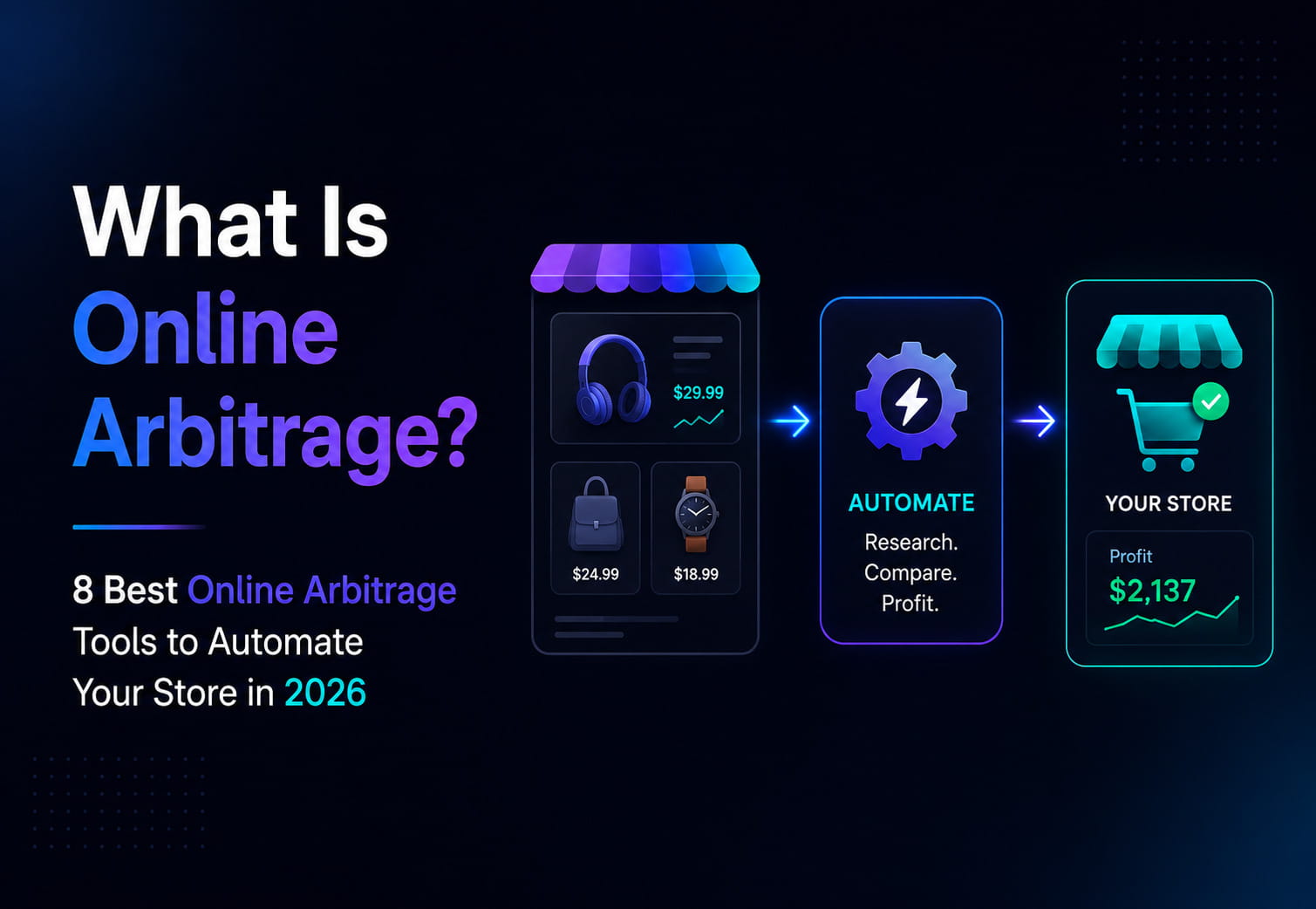
What is online arbitrage? Online arbitrage (OA) is an e-commerce business model where you buy underpriced products from everyday retail sites and resell them for more on another marketplace, usually Amazon FBA or eBay. It’s not like normal retail. Online arbitrage runs on the gaps. Think a $14 kitchen gadget on Walmart that moves for $32 on eBay. Local price differences, quick clearance sales, and regional supply that doesn’t quite line up across the internet. You’re basically finding a price gap between two stores and then pocketing the difference.
Retail Arbitrage Online vs. In-Store Flipping
In-store flipping is physical. You have to do all the work by hand. That’s even before you have found a product to sell. Drive all the way to Walmart or Target, then scan clearance shelves with your phone. After that, you have to load your car and fill your garage with all the products you bought.
That’s how it all started, and it clearly worked back in the day. The problem is that it caps out fast. You personally can only visit one store and scan one shelf at a time.
Retail arbitrage online takes physical limits out of the equation. Instead of one store at a time. You can use the entire internet. Your one physical shelf has now become Walmart, Amazon, AliExpress, and a hundred other sites. You don’t even have to leave your chair.
And the online side does more than just find products. Software adds ASIN tracking to tie a supplier item to its exact Amazon listing, supplier mapping so you always know where a product really comes from, and IP alerts that flag the brands you’re not allowed to sell. Scaling up? A prep center handles the labeling and packing, so you never touch the stock yourself.
One person scanning aisles might check a few hundred products a day. Software checks millions without needing a lunch break.
Why You Need to Move to Online Arbitrage in 2026
Online arbitrage became so popular because the margins were generally always good. In 2026, it is more difficult to find products with good margins. This has become the case because everyone has the same playbook. People are upgrading with better tools than they had the year before.
A single popular product might have its price change a dozen times a day as sellers undercut each other. If you miss those shifts, you’re either selling at a loss or sitting unsold while a competitor takes the order.
It’s not possible to win this by hand. The market will move twice before you are able to manually check suppliers’ prices and update your listings. Without automated repricing features working in the background, protecting your gross profit margins by hand is a losing race.
The sellers pulling ahead aren’t smarter. They’re looking at thousands of data points at once while everyone else refreshes browser tabs one at a time.
Who Needs Online Arbitrage for Work? The Dropshipping Connection
This is where arbitrage and dropshipping become one.
Dropshippers don’t hold stock. They create a storefront, search for products, and try to sell those products. Once they make a sale, the order gets fulfilled straight from the source site and is sent straight to the customer. No one holds a product in their garage.
Online arbitrage is the engine that feeds the operation. The arbitrage side finds the price gap. The dropshipping side turns that gap into a sale you never had to pack or ship.
When the two come together, it operates like this. You list a Walmart product on eBay at a markup, and when someone buys, the software orders it from Walmart and ships it to your buyer. You keep the profit.
A quick compliance note for 2026: pairing online arbitrage with dropshipping pays well, but Amazon and eBay both run strict “Seller of Record” policies. Ship goods by hand straight from a retail competitor to an Amazon buyer, and you can get your store suspended. That’s the fast way out. This is exactly why serious sellers lean on automation software. It filters out restricted brands, keeps an eye on IP alerts, and makes sure your fulfillment lines up with what the marketplaces actually allow.
Top 8 Best Online Arbitrage Tools for 2026
Not every tool does the same job. Surprise. Some only find deals. Some only analyze them. A few actually run the sale end-to-end. That last distinction is what separates a sourcing tool from a business. Here’s the quick view of each one before we explain each one.
| Rank | Online Arbitrage Tool | Primary E-commerce Job | 24/7 Repricing Engine | Auto-Fulfillment |
|---|---|---|---|---|
| 1 | Easync.io | Full automation: sourcing, listing, and fulfillment | Yes | Yes |
| 2 | Tactical Arbitrage | Bulk source-site scanning (Amazon FBA) | No | No |
| 3 | ArbiSource | Cloud retail and wholesale scanning | No | No |
| 4 | BuyBotPro | Single-deal profitability analysis | No | No |
| 5 | SmartScout | Wholesale sourcing and finding brands with high demand and low competition | No | No |
| 6 | Seller Assistant | Product research and checks directly in your browser | No | No |
| 7 | AutoDS | End-to-end dropshipping automation | Yes | Yes |
| 8 | Keepa | Historical Amazon price tracking | No | No |
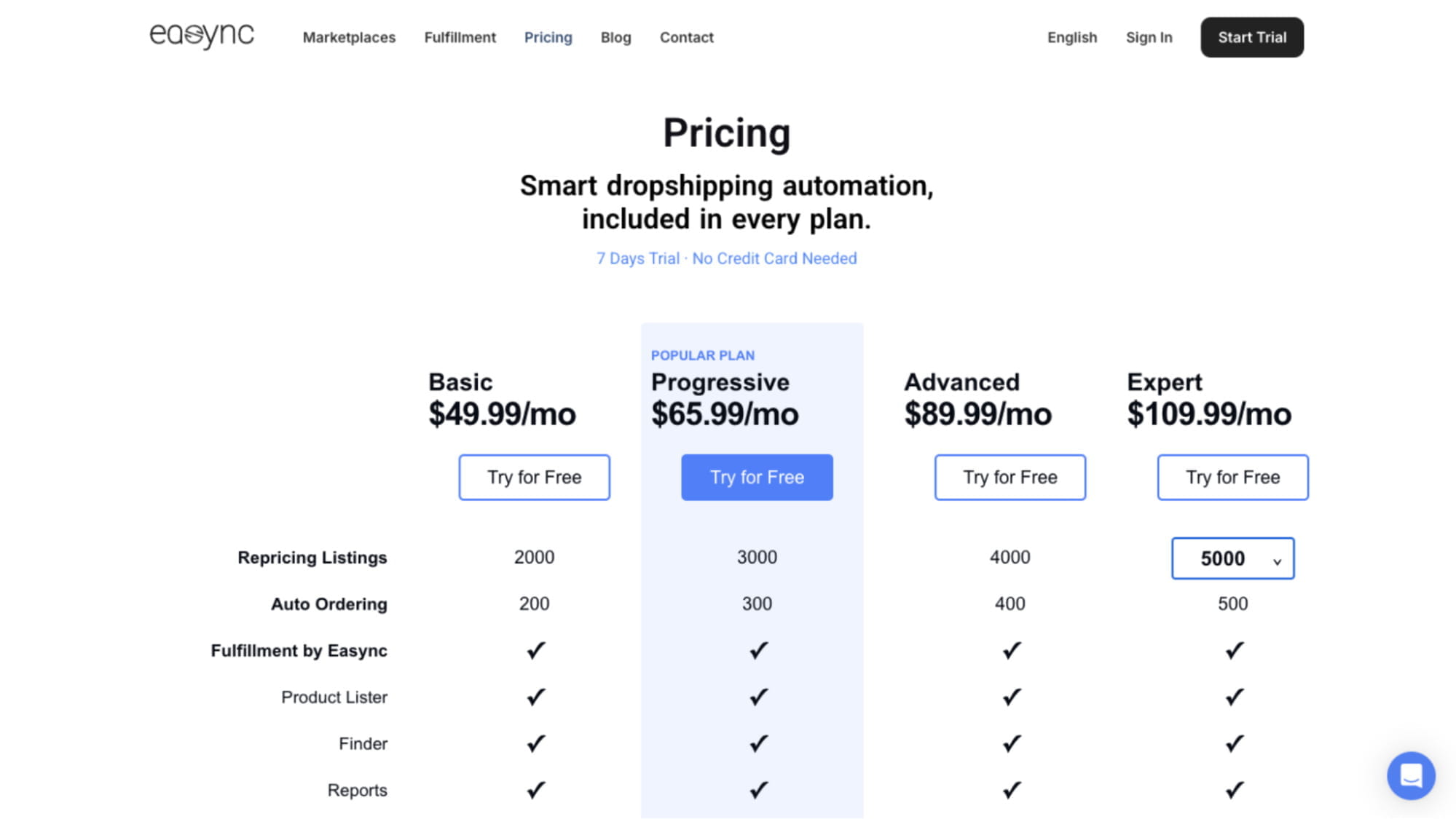
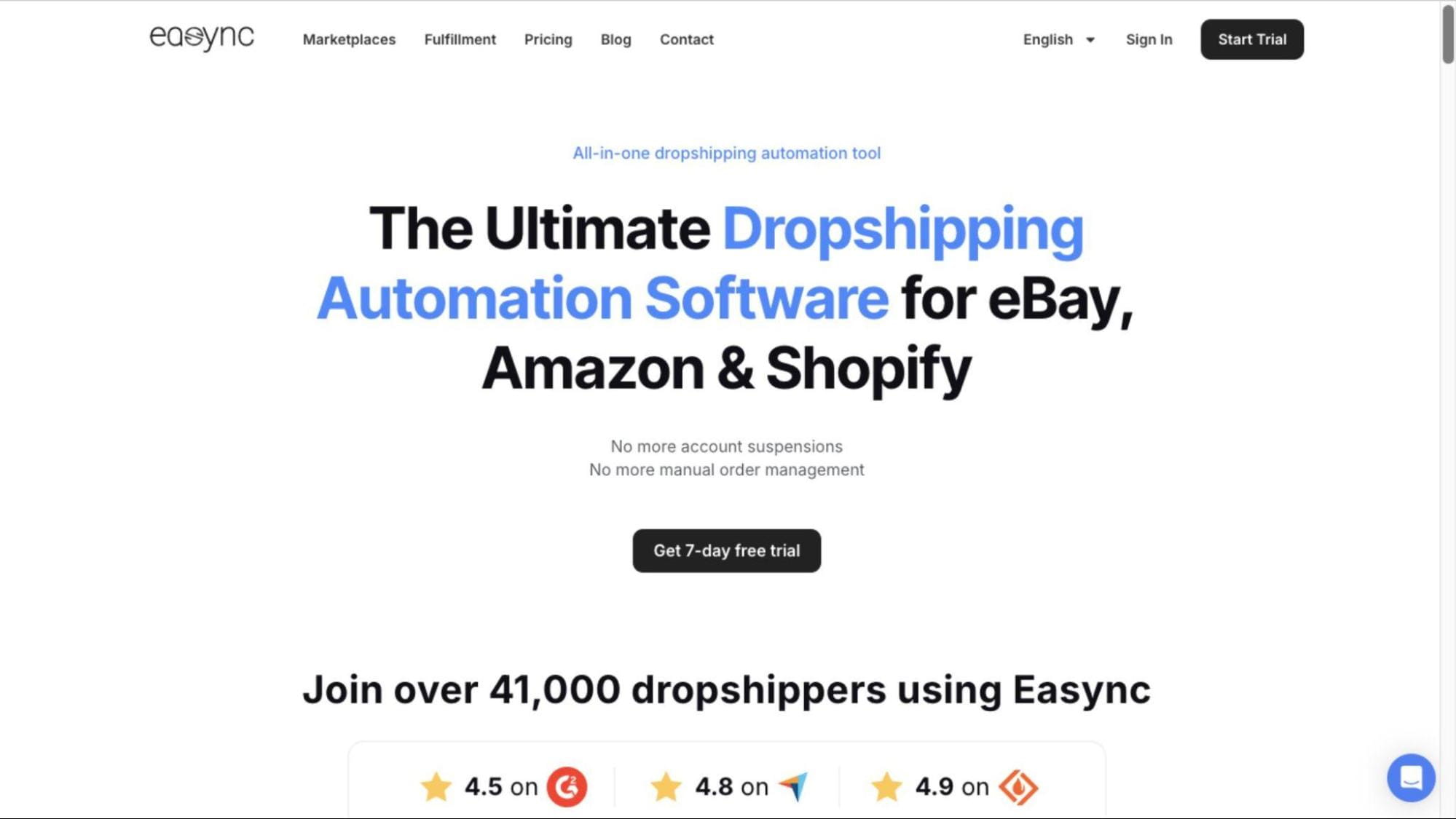
1. Easync.io — Best Overall for Automated Sourcing & Fulfillment
Most of the tools on this list help you find deals. It’s a great tool to have in your toolbox. But scaling comes with the need for a toolbox upgrade, and you’ll need something that can get the whole job done. Easync does that.
Easync.io helps you with the following:
- Scans your source sites for the right product at the right price.
- Imports your listings to eBay in bulk.
- Tracks price and quantities 24/7.
- Adjusts your listings without you based on suppliers’ price moves.
- Fulfills orders automatically from the source.
Why it’s #1: Easync.io finds the deals and then closes them. You can stay mostly out of the way and watch the magic happen.
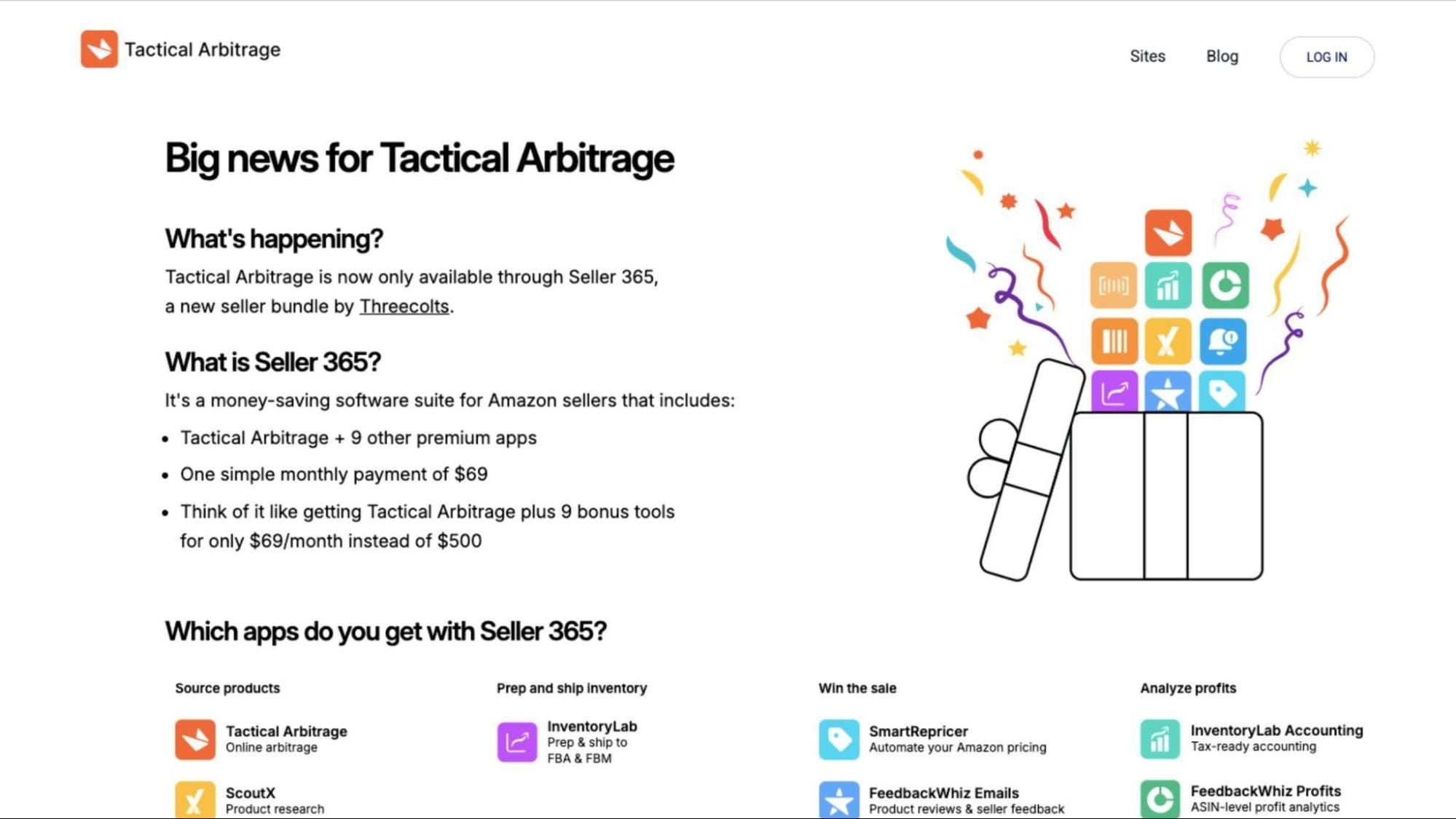
2. Tactical Arbitrage — Best for Amazon FBA Deep-Bulk Scanning
Amazon FBA might be your bread and butter. If that’s the case, you already know that you have to scan enormous retail lists. Tactical Arbitrage assists you with this, as it’s able to gather data as it scans through all these source sites.
This tool was designed around volume. You can show what retail site, and it will churn those products against Amazon listings. Maybe a wide casting net is what you are after, and this tool will give you that.
Where it stops short: this tool can find you the opportunities, but it’s up to you to take advantage of them. You have to take control of all the other business processes of online arbitrage.
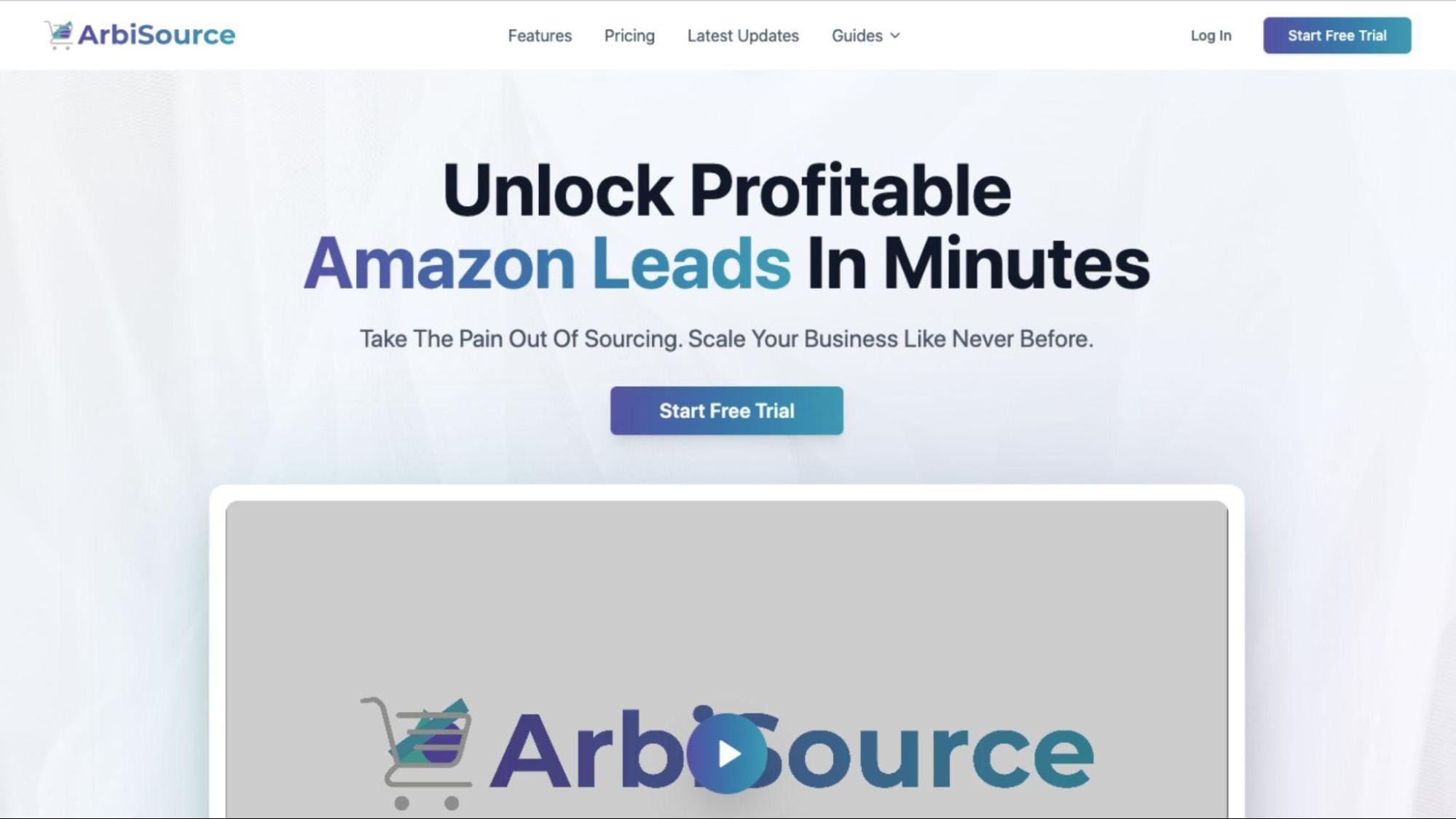
3. ArbiSource — Best for Cloud-Based UK & US Retail Scans
Why sell in one market when you can sell in two? ArbiSource’s main priority is to get profitable leads and find you arbitrage opportunities in the USA and UK.
Selling in two markets generally means double the work. You need more tabs open, and things can become a headache. This tool allows you to scan both markets at the same time. You can also use it as a shortcut to see if a US winner is also a UK winner.
Where it stops short: similar to the shortfalls of most tools on this list. It will find you the deal, but you must close the deals.
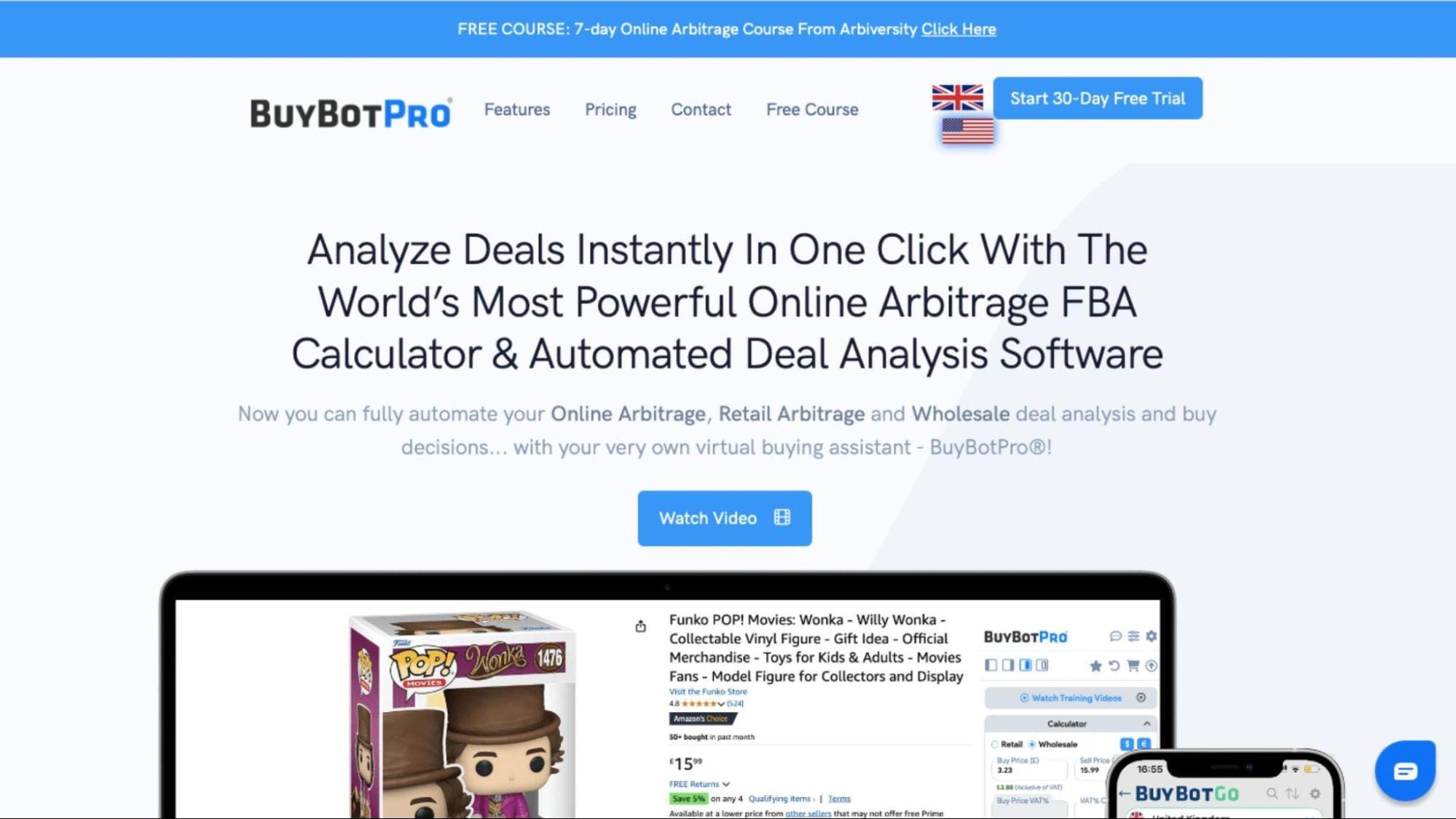
4. BuyBotPro — Best for Deal Analysis & FBA Calculations
AI is at the forefront of everything at the moment. BuybotPro is an AI-powered Chrome extension that’s quick to find you deals. It works like this, you come across a product page that excites you. The AI works out very quickly if the product is worth selling.
It works this magic by scanning the history of the product and looks at things like what it sold for, the fees, and even the competition. This means you can confirm the gross profit margins before you commit, which makes it a good option for solo sellers.
Where it stops short: it’s built to give you information on one product at a time. It doesn’t sync deals in bulk. Unfortunately, it’s a co-pilot that’s there just to assist you in making one decision.
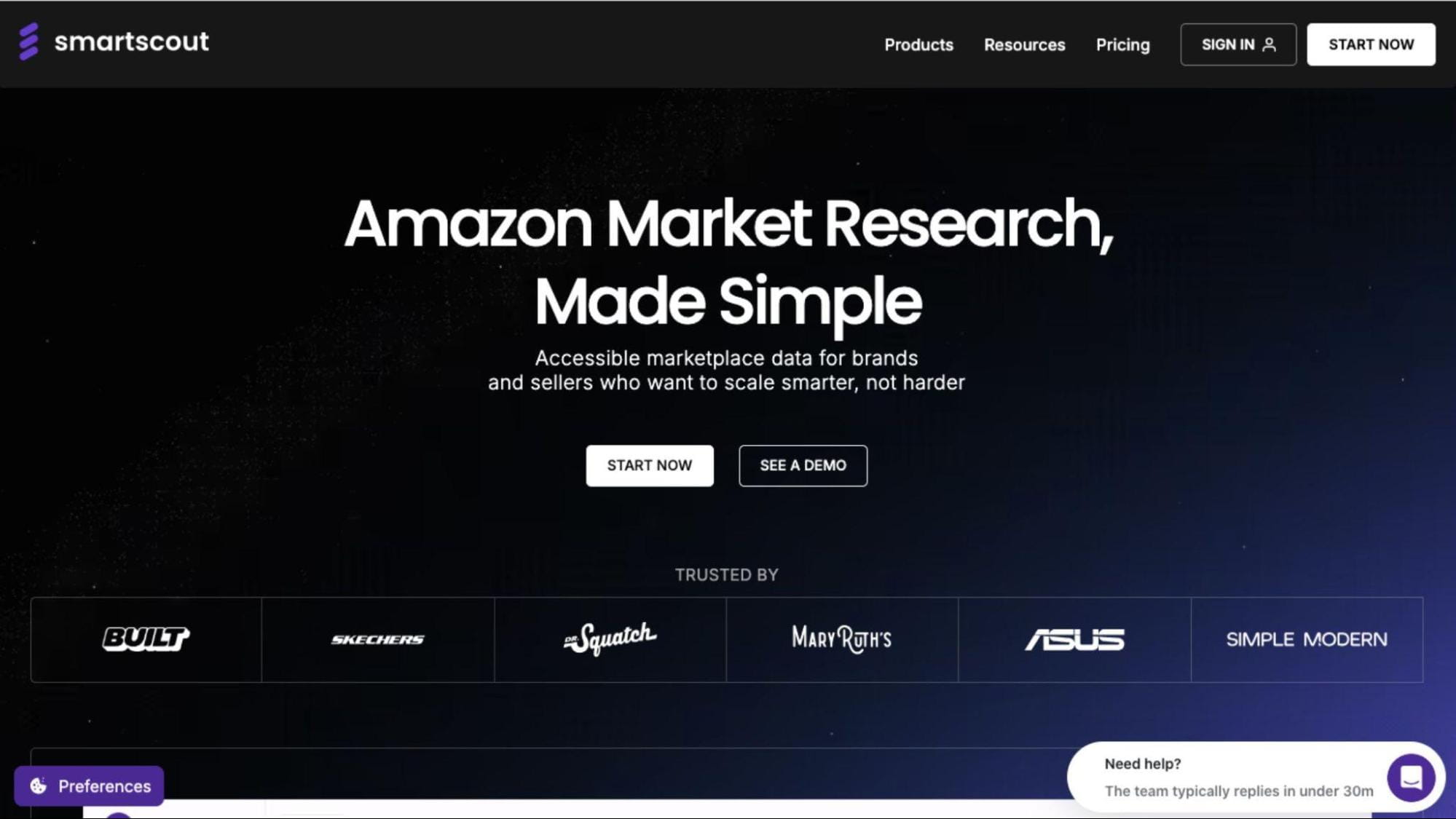
5. SmartScout — Best for Wholesale & Brand Mapping
This is an ideal tool if you like to source products by brands and subcategories. What SmartScout does is it goes through Amazon’s subcategories and brands to show you where the openings are.
This basically gives you an idea of the bigger picture. You don’t have to work product by product. You look at brands that have demand and which categories aren’t overcrowded. It helps you decide where you can make sales.
Where it stops short: This tool can be overkill if you’re just starting out and looking for something to help you with your day-to-day activities. It’s slightly more complicated, which can be frustrating.
6. Seller Assistant — Best Browser Extension for Quick Sourcing
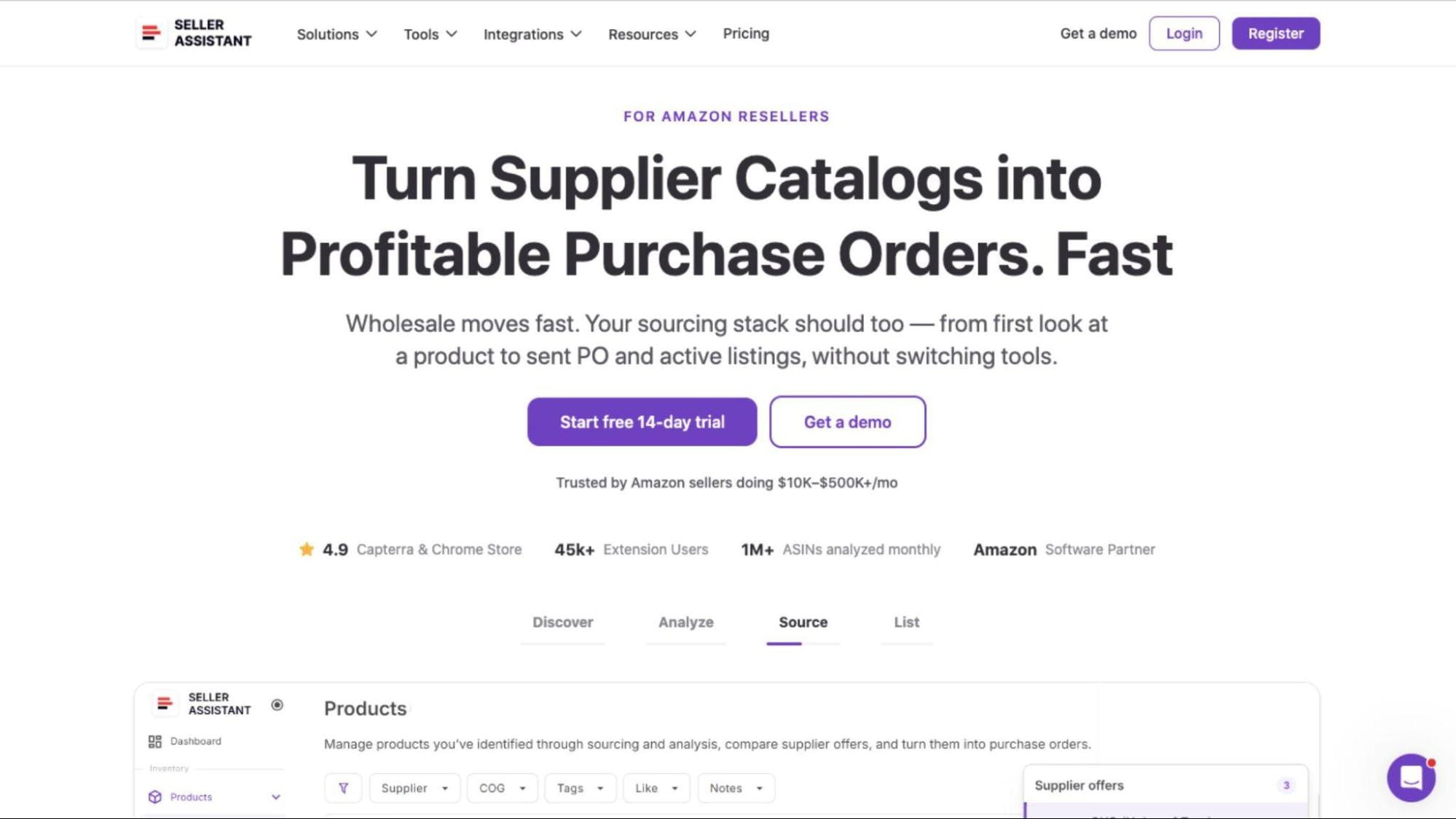
Sometimes all you need is something to help you make those quick yes or no calls when you’re manually looking for products. Seller Assistant is great for this, as it checks margins and IP restrictions right at the top of your page.
With this tool, you don’t have to leave the tab, and you’ve already found red flags or restrictions. Hand-picking products is still popular because some enjoy doing it that way. This gives you a checklist to get some quick research.
Where it stops short: it helps you to decide on a product. Then you need to do everything else.
7. AutoDS — Alternative for Basic Sourcing & Inventory Sync
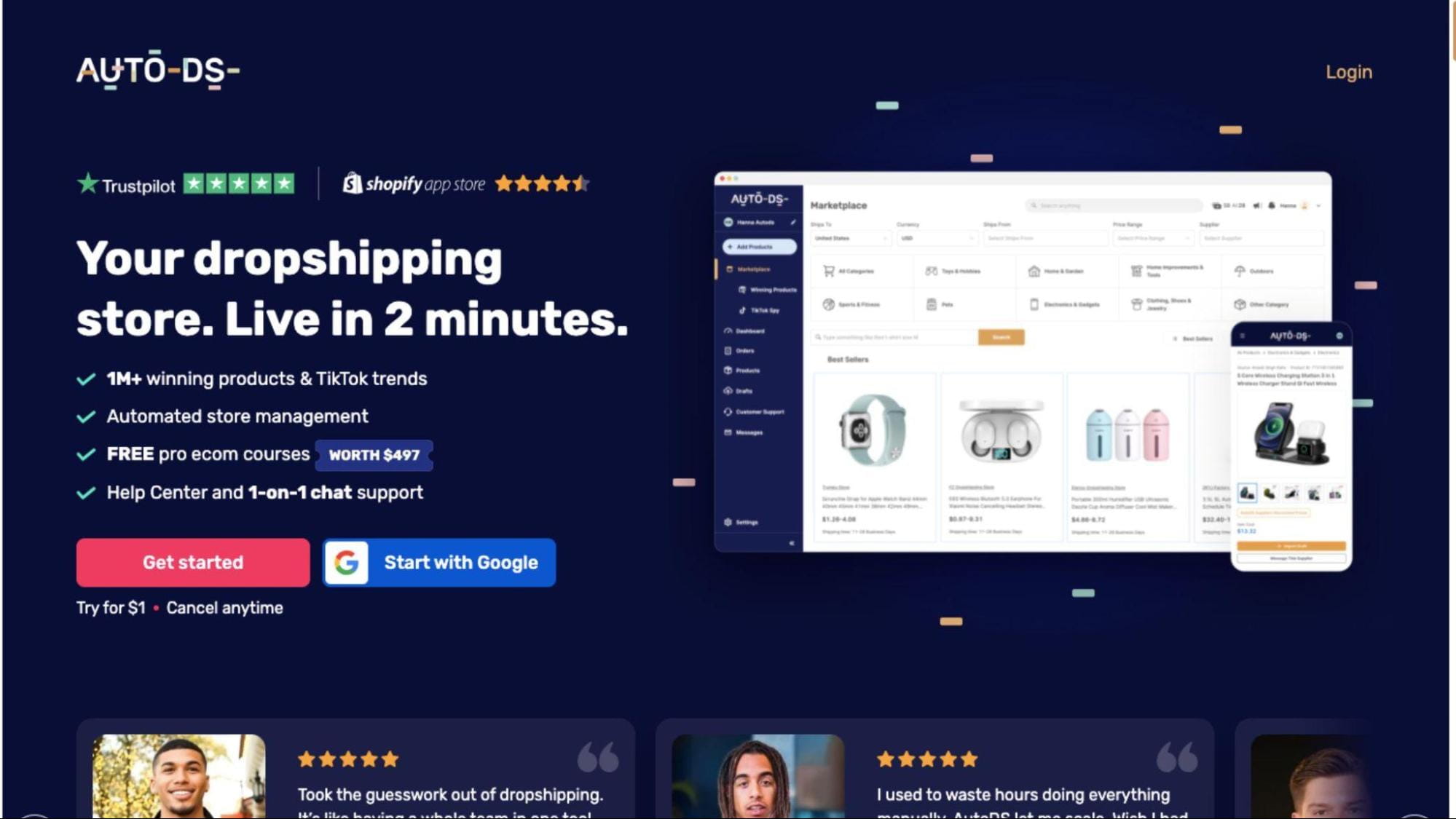
AutoDS is an all-in-one. It does give you access to many different supplier marketplaces. It monitors prices and fulfills orders for you.
It covers most of the pipeline under one roof, making it a great option if you don’t want to use three separate tools to get the job done.
Where it stops short: All these great features are hiding behind the more expensive plans. So you could be looking at a pretty sturdy price to get access to those features. The cost grows as your catalog grows.
8. Keepa — Essential Tool for Pricing Data For The Past
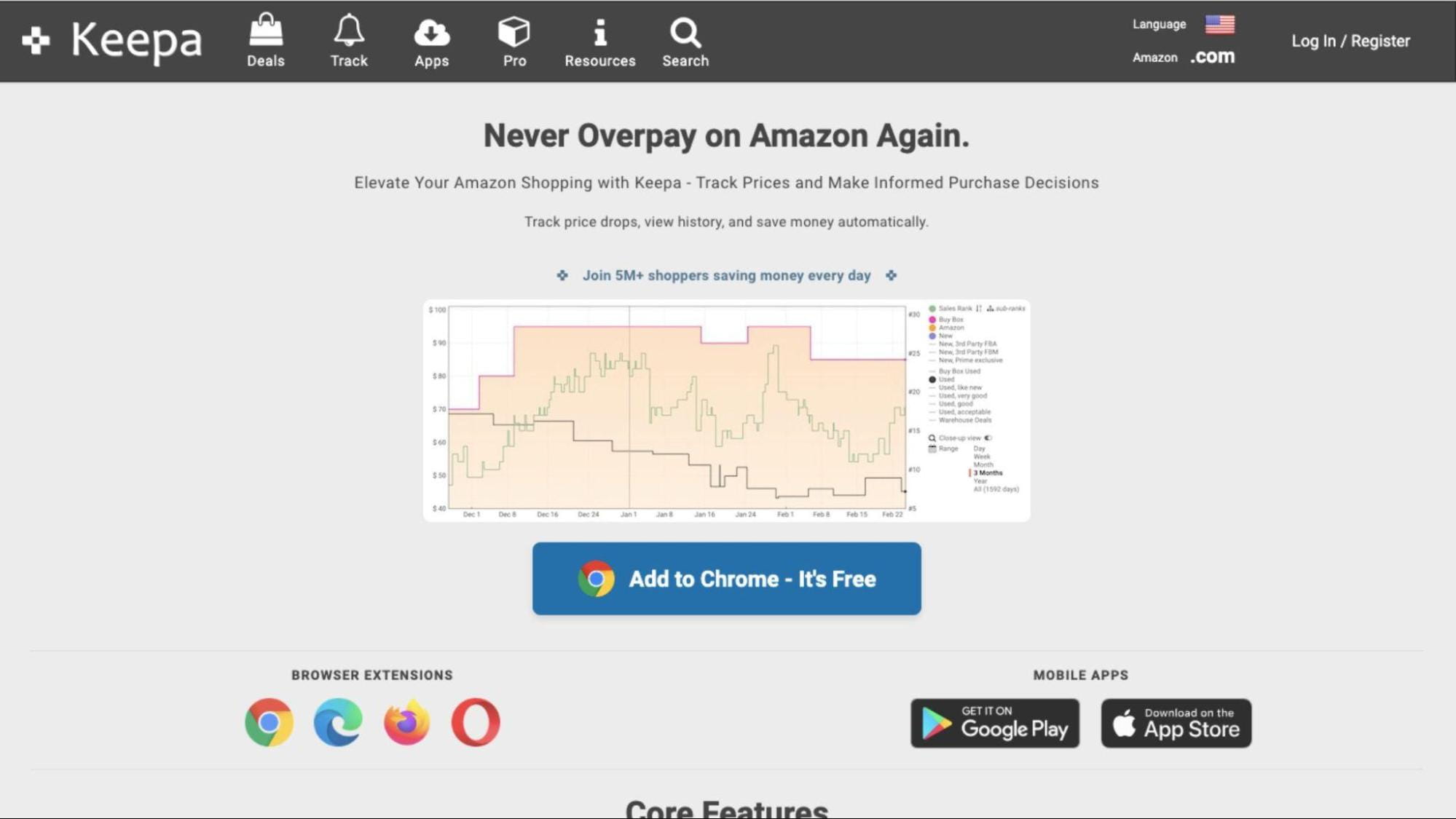
Keepa is the reference library for Amazon price history and sales-rank charts. Nearly everyone serious about arbitrage keeps a tab open.
Those history graphs are great for telling a real deal from a fake one. For example, a product could seem amazing today, but it’s possible that the price goes back there every other week. For example, let’s say you spot a $9 clearance, you can then see on the chart that it normally sits at about $24. That’s a gap and not just a fluke.
Where it stops short: it’s a data layer. Full stop. It shows you the past. It won’t create a listing or place an order.
How Easync.io Turns Online Arbitrage Into a Hands-Free Business
Take away the finding of products, and Easync.io still gives you three very generous advantages.
- It sources across all suppliers instantly. You don’t have to babysit tabs. Easync scrapes multiple source sites and pulls importable listings in bulk. This allows your store to fill out in an afternoon.
- Your margins are always protected. Supplier prices are constantly changing. Easync’s automated repricing features stay in tune with the price changes and adjust your listing. This takes out the risk of accidentally selling below your gross profit margins.
- It fulfills on its own. When you make a sale, it’s ordered from the source and automatically sent to your customer. The hours that you would spend doing this are no longer necessary.
That’s what makes the difference at scale. When your business grows, it’s incredibly time-consuming to handle those three parts of running an online arbitrage business.
Takeaway
Manual sourcing isn’t a thing of the past because people have stopped feeling like doing it. That way of doing business stopped because things are moving too fast for one human to physically track.
Think about what the manual route is going to cost you. Every hour that you spend refreshing tabs is an hour that the competition’s software spends finding the deal, listing it, and then pricing it under you. Work harder to make more money is what most people think. Not in online arbitrage, it just means that you can’t beat a machine. In the end, you are getting left behind while the others are making money.
When you’re running a business that gets lots of orders, you need more than a tool that just finds you the deals.
But if the goal is an actual hands-free business. The list is short. Try Easync.io and let your business work for you.
FAQ
What is online arbitrage?
Online arbitrage is an ecommerce model where sellers buy products from one online retailer and resell them for a higher price on another marketplace, such as Amazon or eBay. The profit comes from price gaps between platforms, supplier discounts, clearance deals, or temporary pricing differences. The main challenge is that those gaps change quickly, so sellers often use online arbitrage tools to scan products, calculate margins, and monitor price changes.
Is online arbitrage still profitable in 2026?
Yes, online arbitrage can still be profitable in 2026, but it is much harder to run manually than it used to be. Prices, stock levels, marketplace fees, and competition change constantly. Sellers who rely only on manual research may miss price changes or lose margin before they notice. Profitability now depends on accurate sourcing, fast repricing, restriction checks, and automation that can protect margins in real time.
What are the best online arbitrage tools for beginners?
Beginners usually need tools that help with product research, profit calculations, restrictions, and price history. Keepa is useful for checking Amazon price history, Seller Assistant helps with quick product checks, and BuyBotPro can support deal analysis. Sellers who want more automation may look at platforms like Easync or AutoDS, which can also help with listing, monitoring, repricing, and order fulfillment.
What is the difference between online arbitrage and dropshipping?
Online arbitrage focuses on finding price gaps between online retailers and marketplaces. Dropshipping focuses on selling products without holding inventory, then having a supplier ship the item to the customer after the sale. The two models can overlap when a seller lists products from a source retailer on another marketplace and uses automation to fulfill orders after customers buy.
Why do online arbitrage sellers need repricing tools?
Repricing tools help sellers react when supplier prices, competitor prices, or marketplace conditions change. Without repricing, a product that looked profitable in the morning can become unprofitable later the same day. Automated repricing helps protect margins, keep listings competitive, and reduce the risk of selling below cost.
Can Easync automate online arbitrage?
Yes. Easync can support online arbitrage workflows by helping sellers import products, monitor supplier stock and prices, apply repricing rules, automate ordering, sync tracking updates, and manage multiple accounts. This is useful for sellers who want to move beyond manual sourcing and run more of the listing and fulfillment process automatically.
What is the biggest risk in online arbitrage?
The biggest risk is selling products that are no longer profitable, restricted, out of stock, or not compliant with marketplace rules. Supplier price changes, IP complaints, poor fulfillment practices, and marketplace policy violations can quickly damage an account. That is why serious sellers need product checks, supplier monitoring, repricing, and clear fulfillment rules before scaling.

Kaylin Bailey is an experienced e-commerce strategist and content writer specializing in dropshipping, automation, and online retail growth. At Easync, she focuses on helping entrepreneurs streamline their stores with data-driven insights, practical guides, and software solutions that optimize product sourcing, pricing, and order fulfillment. With years of hands-on experience in digital commerce and platform integrations, Kaylin’s articles offer actionable advice grounded in real-world testing, helping sellers stay competitive in a rapidly evolving marketplace.