Key Takeaways
- High ticket dropshipping means selling products typically priced from $300–$5,000 (think treadmills, luxury sofas, or e-bikes) without holding any inventory yourself.
- A realistic goal for 2025–2026 is $8,000–$12,000 monthly profit from just 5–20 sales, assuming you maintain 20–40% margins and dial in your marketing.
- Winning categories right now include furniture, home fitness equipment, outdoor gear, premium kitchen appliances, jewelry, and electric mobility products.
- Success depends on three pillars: rigorous product and niche research, vetted suppliers (found through Shopify apps, Alibaba, or Spocket), and a trust-focused marketing funnel.
- High ticket dropshipping carries higher risks: stricter customer expectations, larger ad budgets, and the absolute need for excellent support and transparent policies.
What Is High Ticket Dropshipping?
High ticket dropshipping is a premium dropshipping business model where you sell expensive items typically $300 to $5,000 or more through your own ecommerce store, while a third party supplier handles storage, inventory, and shipping directly to your customers. You never touch the products.
The core appeal is simple math. Instead of selling hundreds of $20 gadgets to make meaningful revenue, you focus on fewer sales with much larger profit per order. This changes everything about how you run your dropshipping business, from marketing to customer service.
Here’s a concrete example: you list a $1,200 rowing machine in your online store. Your supplier charges you $700 wholesale, plus $50 shipping. When a customer orders, you keep roughly $450 in gross profit from that single transaction. Compare that to making $5 on a phone case you’d need 90 phone case sales to match one rowing machine sale.

This model differs from classic low ticket dropshipping in several key ways:
- Fewer orders, higher stakes. You might process 10–30 orders per month instead of hundreds, but each one matters significantly to your bottom line.
- Trust is everything. Customers spending $1,000+ research extensively before buying. They expect detailed product information, responsive support, and clear policies.
- Longer decision cycles. Instead of impulse purchases, buyers may take days or weeks comparing options before committing.
- Relationship-focused marketing. Content, email nurturing, and reviews become central rather than quick social media ads hoping for instant conversions.
For context, here’s how price bands typically break down:
- Low ticket: $10–$100 per item (phone accessories, small gadgets, novelty products)
- Mid ticket: $100–$300 per item (quality home goods, mid-range electronics)
- High ticket: $300–$5,000+ per item (furniture, fitness equipment, luxury accessories, smart home systems)
Pros and Cons of High Ticket Dropshipping

In 2025–2026, this business model remains profitable, but it’s definitely not “easy money.” The economics favor those who approach it with proper preparation, realistic expectations, and a commitment to quality.
The advantages are substantial:
Higher profit margins mean each sale generates real revenue. While low ticket items might yield $5–$15 profit, high ticket products can deliver $200–$800 or more per order. With margins typically ranging from 20–50%, you can build a sustainable business model without needing massive order volumes.
Fewer customer service tickets per $10,000 earned is another practical benefit. Managing 15 orders that total $15,000 is operationally simpler than handling 750 orders for the same revenue. Your support load scales more gracefully.
You can afford to invest more per customer in ads and service. When each sale is worth $400 in profit, spending $80–$150 on customer acquisition still makes sense. This opens doors to premium marketing channels that low ticket sellers simply can’t afford.
Stronger brand positioning becomes possible. You’re building a successful online store around quality products, not racing to the bottom on price. This creates a more sustainable business model with actual brand equity over time.
The challenges are equally real:
Longer decision cycles mean you need patience. High ticket customers don’t impulse-buy a $2,000 sofa. They compare, research reviews, and often contact support with questions before purchasing. Your sales cycle might stretch across multiple weeks.
Returns and shipping damage issues are more complex and expensive. When a $2,000 cloud sofa arrives damaged, that’s a completely different problem than a $20 gadget with issues. The logistics of high ticket items often involve freight shipping, potential for transit damage, and restocking complications.
Your product pages and FAQs must be airtight. Customers spending thousands need comprehensive information: exact dimensions, materials, assembly requirements, warranty details, and crystal-clear return policies. Thin product descriptions won’t convert.
Initial testing budgets are higher. Plan for $1,000–$3,000 minimum to properly test ads and validate your niche. You can’t run meaningful experiments on $50.
Before committing, honestly assess whether you have the budget for proper testing, the patience for longer sales cycles, and the capacity to provide excellent customer support on high value orders.
High Ticket vs Low Ticket Dropshipping
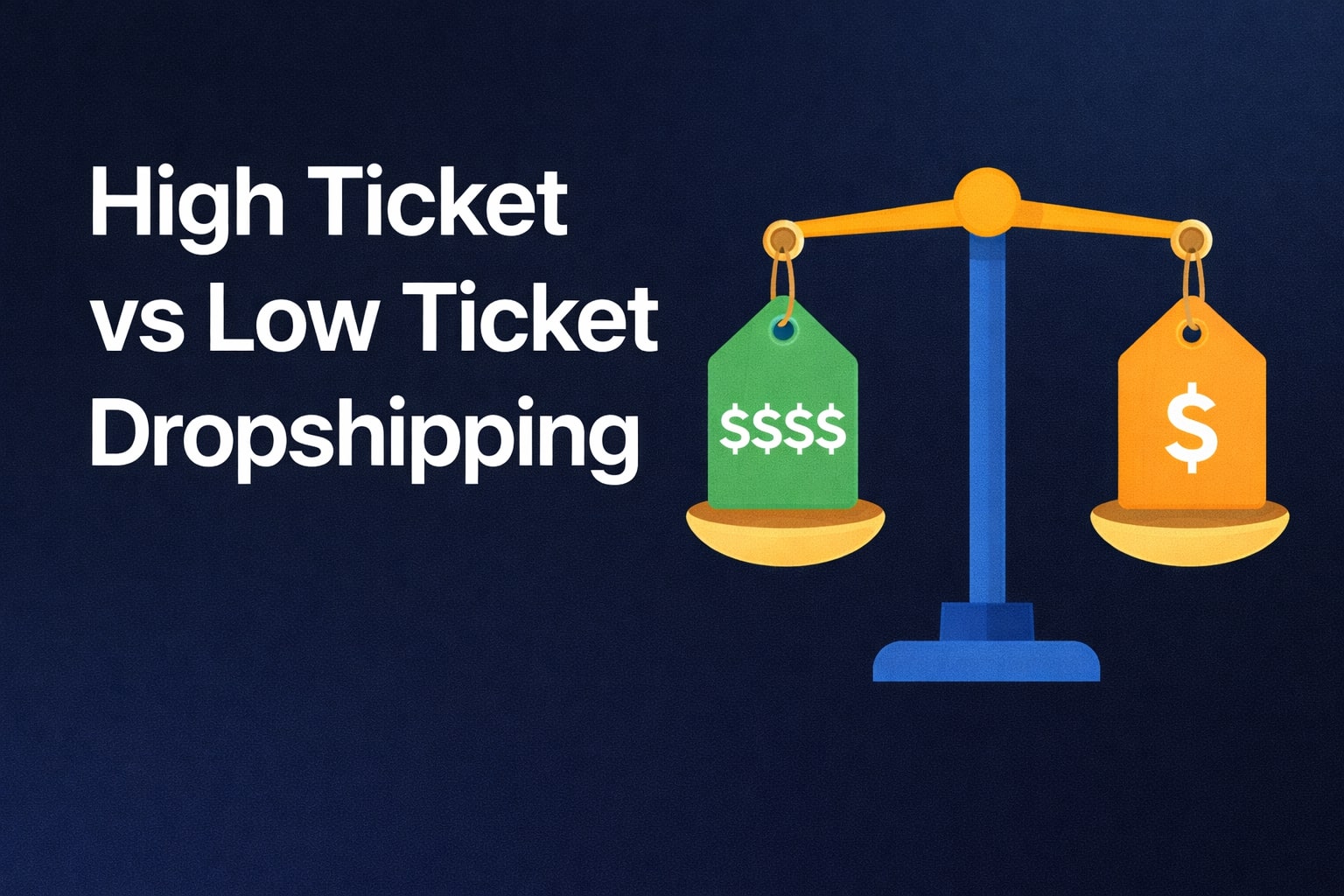
This is a practical decision that depends on your resources, goals, and personality as an entrepreneur in 2025–2026.
High ticket dropshipping works best when you:
- Want to manage fewer SKUs and orders while still building significant revenue
- Are comfortable investing more upfront in testing and customer acquisition
- Enjoy building relationships and providing consultative support
- Think long-term about brand building and positioning
- Can handle the complexity of larger, sometimes fragile products
The focus is on relationships, content, and branding. You might stock only 20–50 carefully selected products and know each one deeply. Every customer interaction matters because each sale represents meaningful profit.
Low ticket dropshipping works differently:
- More SKUs, constant product testing, and rapid iteration
- Impulse purchases driven by social media advertising
- High ad testing volume with smaller individual bets
- Lower margins requiring much higher sales volumes
- More price competition and sensitivity to ad cost changes
Let’s make the trade-offs concrete with a monthly scenario:
High ticket path: You sell premium home gym equipment. At an average order value of $1,500 with 30% gross margin, you earn $450 per sale. Ten sales per month generates $15,000 revenue and $4,500 gross profit. After $1,500 in ad spend, you net roughly $3,000. You handle 10 customer conversations, maybe 1–2 support issues.
Low ticket path: You sell phone cases at $25 average order value with $7 profit each. To hit similar gross profit, you need about 640 sales. That’s 640 orders to pack (or coordinate), potentially hundreds of support messages, and vulnerability to any increase in ad costs wiping out thin margins.
A hybrid approach often makes sense for beginners: start with mid-ticket products ($150–$300), learn the systems, and layer in higher ticket SKUs once your operations and traffic are stable. This reduces initial risk while building toward bigger profits.
How to Choose a Profitable High Ticket Dropshipping Niche
Niche choice in 2025–2026 is where most long-term winners are decided. Get this right, and everything else becomes easier. Get it wrong, and no amount of marketing skill will save you.
Here’s a concrete process using readily available tools:
Step 1: Generate initial ideas. Browse Amazon Best Sellers in categories like Home & Kitchen, Sports & Outdoors, Electronics, and Furniture. Look at items priced $300–$2,000 with steady rankings not just viral spikes.
Step 2: Validate demand with Google Trends. Enter product keywords and set the timeframe to 5 years. You want to see stable or growing interest, not a spike that peaked in 2020–2021 (those were often pandemic fads).
Step 3: Check search volumes. Use Ahrefs, SEMrush, or Ubersuggest to see monthly search volume for primary product keywords. Thousands of monthly searches indicate real demand.
Step 4: Evaluate competition. Search your main keywords in Google. Study the top 3–5 stores: their branding, pricing, product selection, and reviews. Look for gaps you could fill.
Step 5: Estimate margin potential. Research wholesale prices through supplier directories. Calculate: if you can sell at market prices while maintaining 25–35% gross margin after all costs, the niche is viable.
Promising high ticket dropshipping niches right now include:
- Premium home gyms: Connected fitness equipment, commercial-grade machines, space-saving designs. Demand stabilized post-pandemic and continues growing.
- Outdoor living: Pergolas, premium grills, patio furniture sets. Strong seasonal demand with high average order values.
- Pet tech: Smart feeders, GPS trackers, premium pet furniture. Pet spending continues rising year over year.
- Home office furniture: Standing desks, ergonomic chairs, executive office sets. Remote work has made this an evergreen category.
Look for Products with High Perceived Value
Perceived value is what people believe something is worth based on brand, design, materials, story, and risk reduction through warranties or guarantees. This matters enormously in high ticket.
Examples of high perceived value items in 2025:
- Italian leather sofas with 10-year frame warranties
- Adjustable standing desks from recognized ergonomic brands
- Connected fitness equipment with integrated training subscriptions
- Designer lighting from established European manufacturers
- Luxury furniture made with high quality materials and artisan craftsmanship
Customers in this band care more about quality, prestige, and long-term use than simply finding the lowest price. They’ll pay a premium price for branded products that deliver on their promises.
Focus on products where you can clearly justify the higher price point with specific features, certifications, rich photography, and compelling product stories. Vague marketing fluff won’t work specificity builds trust.
The luxury and premium segments are forecast for continued growth through 2025–2027. Consumers are increasingly willing to invest in durable, high quality products rather than replacing cheap items repeatedly.
Analyze Supplier Quality and Fulfillment Capacity
In high-ticket dropshipping, supplier reliability is as important as demand. Late shipments, damaged goods, or stock discrepancies are far more costly when order values are high. A single failed delivery can wipe out the profit from multiple sales.
This is where automation plays a key role. Tools like Easync can be particularly useful for sellers entering high-ticket niches because they automate supplier checks, order processing, and tracking updates across marketplaces. By reducing manual intervention, sellers can focus on niche validation and customer experience rather than operational overhead.
Automation software like Easync help reduce operational risk, making it easier for sellers to manage complex, high-value orders at scale. But technology alone cannot compensate for poor niche selection. In high-ticket dropshipping, strategy comes first and when done right, it can deliver long-term profitability rather than short-lived success.
Analyze Demand and Market Trends
Start with Google Trends, setting your timeframe to 3–5 years for your product keywords. You’re looking for steady interest or gradual growth not dramatic spikes followed by crashes.
Next, check search volumes using Ahrefs, SEMrush, or even free tools like Ubersuggest. For a viable high ticket niche, you want thousands of monthly searches for primary product terms, indicating genuine market demand.
Review Amazon Best Sellers and category rankings from 2024–2025. Focus on consistent performers, not just items that went viral for a month. Steady rankings indicate sustainable demand.
Join niche Facebook Groups, specialized forums, and subreddits. Read what real customers complain about, what features they wish existed, and which brands they compare. This reveals opportunities for differentiation.
Be cautious with product types that peaked during 2020–2021 (home office equipment, certain fitness gear). Check whether demand has stabilized at a sustainable level or continued declining. Only pursue these if data shows genuine post-pandemic stability.
Evaluate Profit Margins and Competition
For high ticket dropshipping items priced $500–$2,000, aim for at least 25–35% gross profit after product cost, shipping costs, and transaction fees.
Here’s a numeric example:
- Wholesale price: $600
- Shipping to customer: $80
- Payment processing (3%): $36
- Total cost: $716
- Retail price: $1,200
- Gross margin: $484 (40%)
Before ad spend and overhead, you’d earn $484 per sale. If your customer acquisition cost runs $100–$150, you’re still looking at significant profit per order.
To assess competition, search your main keywords in Google and analyze the top 3–5 stores:
- What’s their pricing strategy?
- How professional is their branding and photography?
- What differentiators do they offer (bundles, warranties, financing)?
- What do their customer reviews say about pain points?
Find a clear positioning angle rather than trying to be “cheaper.” Differentiation ideas include: eco-friendly sourcing, US-only brands, extended warranties, free assembly guides, design consultations, or curated collections for specific use cases.
Avoid ultra-saturated categories with razor-thin margins. Generic phone accessories and low-end electronics are flooded with competitors racing to the bottom. There’s less competition in focused high ticket niches.
Best High Ticket Dropshipping Niches & Product Ideas for 2026
This section covers curated categories with genuine current and near-term potential not hype fads. Each niche includes who buys, what to sell, and why it works for the dropshipping business model.
Home and Office Furniture

The global furniture market exceeded $750 billion in 2024 and continues growing, with increasing comfort around large online purchases. This makes high quality furniture one of the strongest high ticket dropshipping niches.
Products to consider:
- Luxury king beds and premium mattresses ($800–$3,000)
- Cloud sofas and sectionals ($1,500–$4,000)
- Ergonomic office chairs from recognized brands ($500–$1,500)
- Standing desks with motorized adjustment ($600–$1,800)
- Solid-wood dining sets ($1,200–$3,500)
- Designer bookshelves and storage systems ($400–$1,200)
Why it works: High average order values, relatively low return rates when descriptions and photos are accurate, and clear buyer intent. People searching “buy cloud sofa” are ready to purchase.
Challenges: Bulky shipping requires freight carriers, potential for transit damage, and customers need exact dimensions and assembly details.
Differentiation ideas: Offer free white-glove delivery in certain regions, provide interior design consultations, or create bundled room packages (bed + nightstands + dresser).
Fitness and Home Gym Equipment
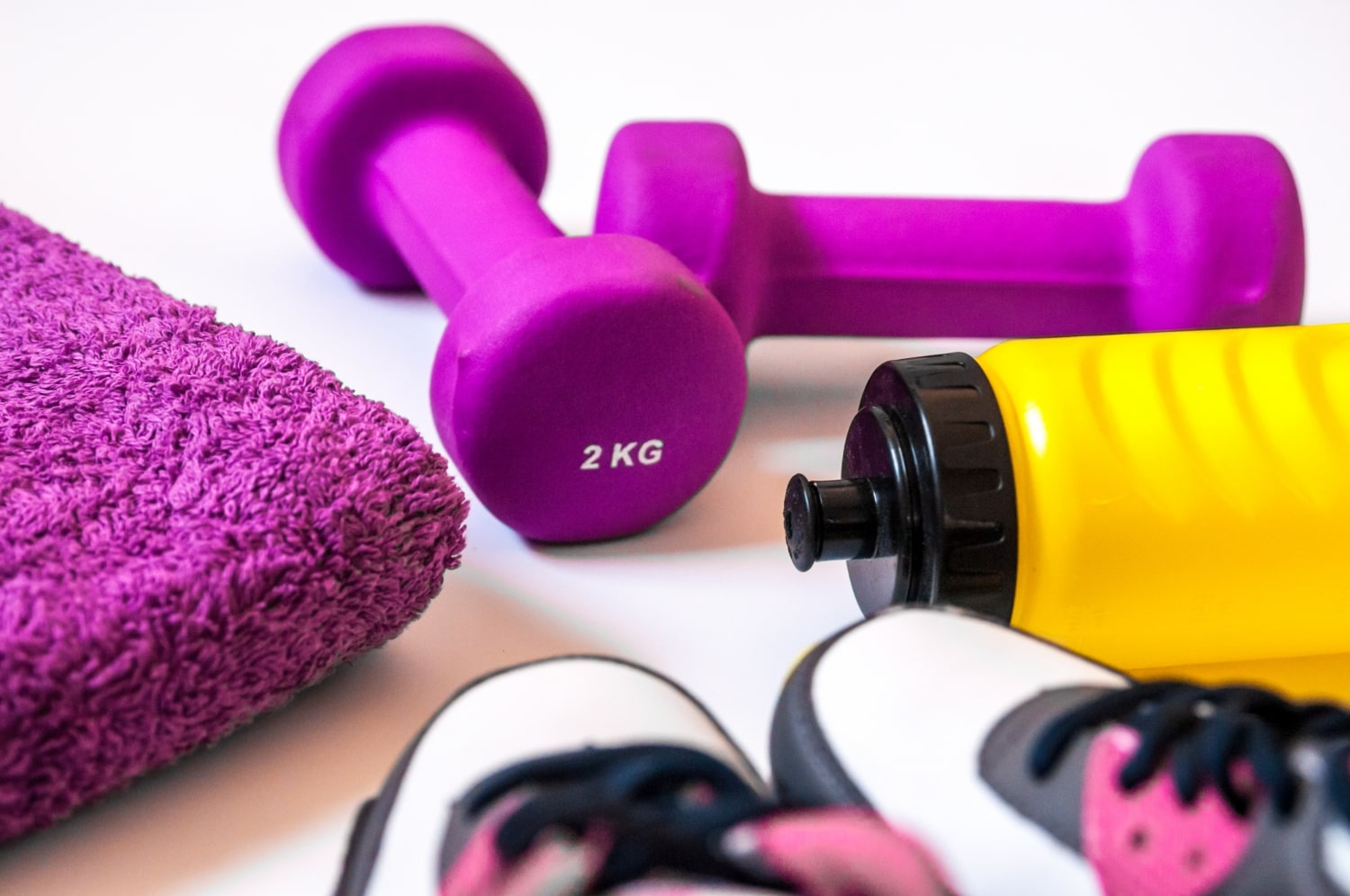
The at-home fitness trend continues post-pandemic. Consumers now view home gyms as long-term investments rather than temporary pandemic solutions. This creates strong demand for commercial-grade fitness equipment.
Products to consider:
- Folding treadmills with incline features ($800–$2,500)
- Connected rowing machines ($900–$2,000)
- Power racks and cable machine systems ($1,000–$3,000)
- Commercial spin bikes ($800–$1,800)
- Adjustable dumbbell sets ($400–$800)
- Compact home gym systems ($1,500–$4,000)
Pricing sweet spot: Many items fall in the $500–$3,000 range with 25–40% margin potential. Upsell opportunities exist with accessories: mats, racks, attachments, and maintenance supplies.
Logistics considerations: Heavy freight shipping, clear weight and dimension specifications, and need for installation resources (setup videos, PDF guides).
Marketing angles: Performance improvements, space-saving designs for apartments, and 3–5 year warranty coverage that reduces purchase risk.
Outdoor Gear and Backyard Living

This niche combines adventure (camping, hiking) with home lifestyle (patio, garden, outdoor kitchens). Both segments support strong average order values and attract potential customers with higher purchasing power.
Products to consider:
- Four-season expedition tents ($600–$1,500)
- Rooftop cargo boxes and carriers ($500–$1,200)
- Premium grills and smokers ($800–$3,000)
- Pergolas and shade structures ($1,200–$4,000)
- Patio furniture sets ($1,000–$3,500)
- Outdoor heaters and fire pits ($400–$1,500)
- Outdoor pizza ovens ($500–$2,000)
Target buyers: Families upgrading backyards, serious campers and RV owners, remote workers building outdoor office spaces.
Seasonality note: Spring–summer drives peak demand, but products like outdoor heaters, storage sheds, and cold-weather gear balance the calendar.
Content marketing ideas: Backyard makeover guides, camping equipment checklists, and gear comparison articles drive organic traffic from buyers actively researching.
Consumer Electronics and Smart Home Tech

While generic electronics are brutally competitive, niche high ticket devices offer strong potential when sourced from vetted brands. Focus on categories where education and support matter not commodity items.
Products to consider:
- 4K/8K projectors ($800–$3,000)
- Home theater speaker systems ($1,000–$4,000)
- Smart security camera bundles ($500–$1,500)
- Smart lock systems ($300–$800)
- High-end monitors for professionals ($600–$2,000)
- Mesh Wi-Fi systems ($400–$1,000)
Important considerations: Rapid product cycles require staying current on 2025–2026 launches. Focus on complete solutions (home theater bundles) rather than single components (HDMI cables).
Requirements: Detailed specifications, compatibility notes, and responsive post-purchase support. Tech buyers research extensively and ask detailed questions.
Premium Kitchen Appliances

This niche serves foodies, home chefs, and small hospitality businesses upgrading their equipment. High perceived value comes through design, brand heritage, build quality, and included accessories.
Products to consider:
- Professional espresso machines ($1,000–$4,000)
- High-performance blenders from commercial brands ($400–$1,000)
- Built-in ovens and ranges ($1,500–$5,000)
- Smart refrigerators ($2,000–$5,000)
- Outdoor kitchen modules ($1,200–$4,000)
Content that converts: “How to choose a $2,000 espresso machine” buying guides, unboxing videos, and maintenance tutorials reduce buyer anxiety.
Upsell opportunities: Extended warranties, water filters, compatible cookware sets, and barista toolkits add to average order value.
Jewelry, Watches, and Luxury Fashion Accessories

The global jewelry and accessories market continues steady growth through 2025, with strong online luxury adoption. This niche requires bulletproof authenticity and trust signals.
Products to consider:
- Automatic mechanical watches ($500–$3,000)
- Gold and platinum jewelry pieces ($800–$5,000)
- Designer handbags ($500–$3,000)
- Premium sunglasses ($300–$800)
- Leather briefcases and luggage ($400–$1,500)
Critical requirements: Authenticity certificates where applicable, clear sourcing information (EU or US suppliers, known luxury brands), and authorization from brands when required.
Trust essentials: Immaculate product photography, lifestyle shots, detailed material specifications, and visible third-party reviews.
Warning: Counterfeits are rampant. Work only with authorized distributors and vet every supplier thoroughly. One counterfeit claim can destroy your reputation.
Electric Mobility and Eco-Friendly Tech

This emerging high ticket niche aligns with sustainability trends and is growing rapidly for 2025–2026. Eco-conscious consumers are willing to pay premium prices for quality products that reduce environmental impact.
Products to consider:
- E-bikes for commuting and recreation ($1,000–$4,000)
- Electric scooters ($500–$2,000)
- Cargo e-bikes for families ($2,000–$5,000)
- Solar generators and portable power stations ($500–$3,000)
- Home EV chargers ($400–$1,200)
Pricing reality: Most items fall in the $600–$3,000 range with strong margins. Battery quality, warranty coverage, and safety certifications drive purchasing decisions.
Marketing angles: Commuting cost savings, reduced emissions, and convenience for city dwellers. Calculate cost-per-mile comparisons versus car ownership.
Regulatory awareness: Safety certifications matter enormously. Avoid products that don’t meet regional standards—liability issues with batteries and electric motors can be severe.
Finding and Vetting High Ticket Dropshipping Suppliers
A single weak supplier can wipe out months of profit in high ticket through refunds, chargebacks, and reputation damage. Supplier vetting deserves as much attention as product selection.
Where to find suppliers:
- Official brand dealer programs: Many premium brands have authorized reseller applications. Google “[brand name] wholesale dealer application” or check brand websites directly.
- B2B marketplaces: Alibaba for manufacturers (requires careful vetting), and regional wholesale directories for domestic options.
- Dropshipping platforms: Spocket for US/EU suppliers, Syncee, and Modalyst integrate directly with Shopify and offer vetted supplier networks.
- Industry trade shows: Attending furniture, electronics, or outdoor gear trade shows can establish direct manufacturer relationships.
- Niche wholesale directories: Many industries have specific directories listing authorized distributors.
How to verify legitimacy:
- Check business registration and years in operation
- Look for third-party reviews on platforms like Trustpilot or industry forums
- Request references from other retailers they supply
- Order samples before committing to any significant relationship
- Verify they can provide proper invoices and documentation
Terms to negotiate and clarify:
- Shipping options, carriers, and typical lead times
- Packaging standards and whether blind-shipping or branded packaging is possible
- Damage and return policies, who bears the cost?
- Minimum Advertised Price (MAP) rules if applicable
- Return addresses and warranty claim procedures
- Communication channels and response time expectations
Critical advice: Establish backup relationships with at least two quality suppliers for your best-selling products. When one supplier has stock issues or shipping delays, you need options to keep serving customers.
Get everything in writing email confirmations at minimum, formal agreements preferred. When you’re dealing with $1,000+ orders, handshake deals create unnecessary risk.
How to Start a High Ticket Dropshipping Store (Step-by-Step)

This roadmap covers the journey from initial idea to your first $1,000+ sale. It’s tailored for someone starting in late 2024 or 2025, with realistic timelines and expectations.
Plan for 4–8 weeks from initial research to a launchable store. Document everything along the way niche research notes, supplier communications, pricing calculations so you can improve and scale systematically.
1. Decide on Your High Ticket Products
Start broad, then narrow. If you’re interested in “fitness,” drill down to specific SKUs: “home rowing machines between $800–$1,800” or “compact cable machine systems under $2,500.”
For your first high ticket dropshipping store, stock 10–30 carefully selected products rather than hundreds of random listings. Depth beats breadth when you’re learning the systems.
Validation checklist for each shortlisted product:
- Competitor retail prices (what’s the market rate?)
- Estimated wholesale quotes (request pricing from 2–3 potential suppliers)
- Shipping costs and logistics complexity
- Margin calculation (aim for 25–35% gross after all costs)
- Your ability to learn the product deeply and answer detailed questions
Choose products you’re genuinely comfortable becoming an expert on. High ticket customers ask specific questions about dimensions, materials, compatibility, and features. You need real answers.
For your first store, avoid extremely fragile items (large mirrors, delicate glass) or highly customized products (custom furniture configurations). Keep logistics manageable while you build your systems.
2. Do Competitor and Customer Research
Dissect 3–10 established competitors selling similar high ticket dropshipping products:
- How do they position themselves (luxury? value? eco-friendly? expert-curated?)
- What’s their product range and pricing strategy?
- What shipping terms and delivery promises do they offer?
- What do customer reviews reveal about their strengths and weaknesses?
Analyze 50–100 real customer reviews across platforms (Amazon, competitor sites, Reddit, specialty forums). What complaints come up repeatedly? What features do buyers love? What questions do they ask before purchasing?
Create a simple spreadsheet tracking gaps you could fill:
- Faster shipping promises
- Better sizing guides or compatibility tools
- Clearer assembly instructions
- More responsive customer support
- Niche-specific bundles (e.g., “complete home office” packages)
Check ad libraries (Meta Ads Library, TikTok Creative Center) to see how competitors pitch similar items. Understand their angles without copying them directly.
Use this research to define your brand angle and offer before building anything. “We’re another furniture store” isn’t a strategy. “We curate space-saving luxury furniture for urban apartments with free virtual consultations” is a positioning.
3. Choose and Integrate Suppliers
Initial outreach template:
Hi, I’m launching an ecommerce store focused on [niche] and am interested in carrying your products. Could you share information about your wholesale/dropship program, including pricing, shipping options, and requirements for new retailers?
Many suppliers will request:
- Business registration or EIN documentation
- Website URL (even a “coming soon” page helps)
- Projected order volumes
- Information about your marketing approach
Before committing:
- Order 1–2 samples of core products to check quality, packaging, and actual shipping times
- Document the unboxing experience this is what your customers will receive
- Note any issues to address with the supplier before going live
Integration with your platform:
- For Shopify, use native apps like DSers, Spocket, or supplier-specific integrations
- CSV imports work for manual management with smaller catalogs
- Some suppliers offer direct API connections for automated order forwarding
Clarify with every supplier:
- Can they blind-ship (no supplier branding visible to customer)?
- Can they include your branded packing slips or inserts?
- What’s the exact process for returns and warranty claims?
- Who handles customer inquiries about shipping status?
Get written confirmation on pricing, lead times, and policies. When a $2,000 order goes sideways, you need documentation.
4. Build a High-Converting Store
Platform choice: Shopify is the standard for most high ticket dropshippers due to its reliability, app ecosystem, and checkout conversion rates. WooCommerce works if you prefer WordPress and have technical comfort.
Choose a fast, minimalist premium theme. Heavy, slow themes kill conversions. Aim for page load under 3 seconds.
Must-have elements:
- SSL certificate (standard with most platforms)
- Mobile-optimized design (over 50% of traffic is mobile)
- Clear navigation with logical product categories
- Trust badges (secure checkout, money-back guarantees)
- Visible contact details (email, phone number, live chat)
- Fast response promises (“We respond within 4 hours”)
High ticket product pages require:
- Multiple high-resolution photos from different angles
- Lifestyle imagery showing the product in real settings
- Detailed specifications (dimensions, weight, materials, power requirements)
- Shipping information clearly stated (costs, timeframes, carriers)
- Return policy linked prominently
- FAQ section addressing common questions for that specific product
- Social proof (reviews, ratings, customer photos when available)
Don’t leave pages “bare.” Even before you have customer reviews, add manufacturer reviews, beta tester feedback, or detailed “why we chose this product” content.
Essential pages to create:
- About Us (your story, why you curate these products)
- Shipping & Delivery (detailed expectations)
- Returns & Refunds (clear, fair, visible)
- Warranty Information
- Privacy Policy
- Contact page with multiple methods

5. Price and Position Your Products
Use this formula to calculate target retail prices:
Target Retail = (Product Cost + Shipping + Platform Fees + Expected Ad Cost Per Sale) ÷ (1 − Desired Profit Margin)
Example calculation:
- Product cost: $600
- Shipping to customer: $80
- Platform/payment fees (est.): $45
- Expected ad cost per sale: $120
- Total costs: $845
- Desired profit margin: 30%
- Target retail price: $845 ÷ 0.70 = $1,207 → price at $1,199
At $1,199 retail price with $845 in costs, you’d net roughly $354 per sale (29.5% margin).
Psychological pricing works: $1,999 feels meaningfully different than $2,000. But at high price points, clarity and fairness matter more than gimmicks. Don’t play pricing games that erode trust.
Value-stacking increases conversions:
- Free shipping above certain thresholds
- Free assembly guides or video tutorials
- Small complimentary accessories (e.g., cleaning kit with furniture)
- Extended warranty options
- Free design consultations
Pricing warning: Don’t undercut the market aggressively, especially with brands that enforce MAP (Minimum Advertised Price) policies. Violating MAP gets your supplier relationships terminated. Compete on value and service, not race-to-bottom pricing.
6. Launch and Start Collecting Data
The true test begins after launch. Focus on tracking visitor behavior and conversion data not just celebrating “going live.”
Install analytics from day one:
- Google Analytics 4 for traffic and behavior data
- Meta Pixel for Facebook/Instagram retargeting
- Platform-native analytics for sales and conversion tracking
- Heatmap tools (Hotjar, Lucky Orange) to see where visitors click and scroll
Set realistic initial targets: Aim for 500–1,000 visitors before making major judgments about product viability or conversion rates. Small sample sizes lead to misleading conclusions.
Fix obvious friction first:
- Slow page loads
- Confusing navigation or shipping information
- Broken links or missing images
- Mobile experience issues
- Checkout problems
Build your feedback loop:
- Log every question visitors ask (email, chat, social)
- Note every objection or concern expressed
- Turn these into FAQ entries and copy improvements
- Update product pages based on real buyer confusion
Early data is for learning, not judging. Your first 1,000 visitors will teach you more about your store than any amount of planning.
Marketing Strategies for High Ticket Dropshipping
In 2025–2026, paid ads, SEO, and email marketing all still work but buyers need multiple touchpoints before spending $1,000+. Expect a longer decision journey than low ticket selling.
A multi-channel approach works best, where different tactics support each stage:
- Awareness: Content, SEO, influencer exposure
- Consideration: Retargeting ads, email nurturing, reviews
- Purchase: Conversion-optimized product pages, live support, clear checkout
Budget realistically: plan $1,000–$3,000 for initial paid testing. Expect weeks of optimization, not overnight success. High ticket sales require patience.
Build Trust with Email Marketing
Email is a nurturing tool for shoppers comparing options over days or weeks not just a discount delivery system.
Essential automations to set up:
- Welcome series (3–5 emails introducing your brand, values, and product selection)
- Browse abandonment (triggered when visitors view products but don’t add to cart)
- Cart abandonment (triggered when items are added but purchase not completed)
- Post-purchase follow-up (shipping updates, usage tips, review requests)
Email content that works for high ticket:
- Buying guides comparing different products
- Dimension charts and space planning tools
- Installation tips and maintenance advice
- Financing explanations and payment option breakdowns
- Customer success stories and use cases
In high ticket, a well-crafted email sequence can “rescue” multiple $1,000+ sales per month. Someone who abandoned a $1,800 standing desk might complete the purchase after receiving a helpful email about ergonomic setup.
Segment your lists by interest based on behavior and signup forms. Someone browsing home office furniture should receive different content than someone looking at fitness equipment.
Leverage Product Reviews and Testimonials
Almost all high ticket customers research reviews both on and off your site before deciding. This isn’t optional it’s table stakes.
Collecting reviews:
- Integrate review apps (Judge.me, Loox, Yotpo) to collect star ratings, photos, and detailed comments
- Time review requests appropriately send emails 7–14 days after delivery, giving customers time to use the product
- Incentivize ethically with modest rewards (future discount code, small accessory gift)
Using reviews effectively:
- Feature top reviews as testimonials throughout your site
- Turn detailed reviews into social media content (with permission)
- Include review snippets in email sequences
- Add review summaries to product pages
Case-study style content is powerful:
- Before/after photos for furniture (room transformations)
- Performance improvements for fitness gear (workout data, progress photos)
- Setup documentation for electronics (installation photos, user experiences)
Social proof from real customers reduces purchase anxiety more effectively than any marketing copy you can write.
Use Paid Ads Strategically
Paid advertising (Google Ads, Meta Ads, potentially Pinterest or TikTok) is often the fastest path to initial traffic, but must be data-driven.
Start with high-intent channels:
- Google Shopping ads for product-specific searches
- Google Search ads for buying keywords (“buy commercial treadmill 2025,” “luxury cloud sofa free shipping”)
- These capture people actively searching to purchase, not casual browsers
Implement retargeting:
- Show dynamic ads to people who viewed product pages but didn’t purchase
- Use different creative for cart abandoners (they’re closer to buying)
- Set appropriate frequency caps to avoid annoying potential customers
Testing framework:
- Run small A/B tests on headlines, offers (free shipping vs. bonus accessory), and landing pages
- Track cost per add-to-cart and cost per sale, not just clicks
- Calculate ROAS (Return on Ad Spend) for each campaign
Scaling advice: Don’t scale aggressively until your ad account data shows stable, profitable performance over at least 2–3 weeks. Premature scaling burns budget without sustainable returns.
Organic Content, SEO, and Influencers
Building long-term organic traffic creates sustainable marketing that compounds over time.
SEO strategy:
- Target specific, intent-driven keywords around your products (“best home gym for small apartments 2025,” “luxury standing desk comparison”)
- Create detailed blog posts, buying guides, and comparison articles
- Optimize product pages for product-specific searches
Content that drives traffic and conversions:
- In-depth reviews of products you sell
- Comparison articles (Product A vs. Product B)
- Setup and installation guides
- “Best of 2025” roundups in your niche
- Problem-solving content (“How to create a home gym in a 200 sq ft apartment”)
Influencer collaboration:
- Micro-influencers in niche spaces (fitness coaches, interior designers, tech reviewers) drive warm, trusting traffic
- Structured collaborations work best: sponsored reviews, YouTube integrations, TikTok demos, Instagram room makeovers
- Look for engagement quality over follower quantity
Authority content and influencer endorsements can dramatically shorten the research phase for high ticket buyers. Someone who trusts a fitness influencer’s recommendation may purchase much faster than an anonymous visitor.
Risk Management, Customer Support, and Long-Term Scaling

At $1,000+ per order, risk and reputation management are central to your operation not afterthoughts.
Operational safeguards:
- Consider business insurance covering product liability
- Establish clear SLAs with suppliers (response times, shipping windows)
- Maintain backup supplier relationships for top products
- Under-promise on shipping times, then over-deliver
Premium customer support becomes a strategic asset. Fast, knowledgeable responses can win sales from bigger but slower competitors. When someone is about to spend $2,000, responsiveness matters enormously.
Scaling happens after you’ve proven the basics work. Adding complementary product lines, improving average order value through bundles, and expanding to new regions are all viable once core operations run smoothly.
Handling Returns, Damage, and Chargebacks
Damaged shipments and misaligned expectations can be costly. Plan for them before they happen.
Damage claim process:
- Require photo and video evidence for all damage claims
- Coordinate directly with suppliers on replacements or refunds
- Document everything for potential carrier claims
- Respond quickly to reduce customer frustration
Return policy requirements:
- Clear timeframes (30, 60, or 90 days)
- Any fees (restocking, return shipping) stated upfront
- Conditions explained (unused, original packaging, etc.)
- Process outlined step-by-step
- Policy visible before checkout no surprises
Chargeback prevention:
- Use chargeback protection tools (Shopify Protect, third-party services)
- Maintain detailed order logs, tracking data, and all communications
- Respond to chargeback notifications immediately with documentation
- Accurate product descriptions prevent “item not as described” disputes
Balance generosity (to preserve reputation and earn goodwill) with boundaries (to avoid exploitation). Occasionally you’ll take a loss to maintain customer relationships that’s part of operating at big profits per order.
Customer Support as a Sales Engine
High ticket shoppers often contact support with detailed questions before buying. Good pre-sale support closes high value leads that would otherwise bounce.
Support channel recommendations:
- Email (essential, with stated response times)
- Live chat (strongly recommended for high ticket)
- Phone support for orders above certain values (optional but powerful)
Stated response times matter. “We respond within 4 hours during business hours” sets expectations and demonstrates professionalism.
Building support infrastructure:
- Create internal knowledge bases covering common questions
- Develop response templates for frequent inquiries
- Ensure consistency across agents as you grow
- Track question patterns to improve product pages and FAQs
Pre-sale questions are free market research. Every question someone asks is something your product page failed to answer. Use support conversations to continuously improve your store.
Warm, well-documented support interactions often lead to referrals and repeat purchases. Someone who bought a rowing machine might return for a mat, weight rack, and accessories, if they had a great experience.
Scaling Beyond the First Profitable Products
Think about scaling once a few products are consistently profitable and operations run smoothly for at least 2–3 months.
Scaling levers:
- Add nearby SKUs (matching nightstands for a best-selling bed, accessories for popular equipment)
- Enter related niches that use similar suppliers or target similar customers
- Expand to new geographic regions with suitable local suppliers
- Increase average order value through bundles and upsells
Reinvesting profits:
- Better product photography and video content
- Improved site UX and page speed
- More sophisticated ad testing and creative
- Additional marketing channels
Brand-building moves as you mature:
- Limited or exclusive product collections
- Partial inventory holding for your absolute best sellers (reduces shipping times)
- Light private labeling on select products
- Content partnerships and influencer relationships
Cash flow warning: High ticket scaling can create big swings in ad spend and inventory commitments. A sudden successful campaign might require fulfilling 50 orders next week. Monitor cash flow carefully and don’t overextend based on one good month.
The transition from “side hustle” to a real own ecommerce business happens over 12–24 months of consistent execution, learning, and reinvestment.
High Ticket Dropshipping FAQ
1. What High ticket dropshipping meaning?
High ticket dropshipping is an eCommerce model where sellers offer higher-priced products, typically $500 or more, without holding inventory, while suppliers ship directly to customers.
2. Is high ticket dropshipping profitable in 2026?
Yes, high ticket dropshipping can be profitable in 2026 due to higher margins, lower order volume requirements, and growing demand for premium products, provided suppliers and fulfillment are reliable.
3. What are the best high ticket dropshipping niches?
The most profitable niches include home improvement, fitness equipment, outdoor gear, smart home technology, and commercial tools with consistent year-round demand.
4. How much money do you need to start high ticket dropshipping?
Most sellers start high ticket dropshipping with $1,000–$5,000 to cover advertising, software, and initial operational costs, though budgets vary by niche and platform.
5. Is high ticket dropshipping legal?
Yes, high ticket dropshipping is legal as long as sellers follow marketplace policies, consumer protection laws, and ensure transparent pricing, shipping times, and return policies.

Noah Edis is a freelance writer and systems engineer with a wealth of experience in modern hardware and software. When he’s not working on his latest project, you can find him playing competitive dodgeball or pursuing his personal interest in programming. At Easync, Noah helps thousands of sellers optimize their eBay and Amazon businesses by providing automation tools and practical guidance on account health, pricing, and inventory management.