Key Takeaways
- Growth should always be part of the equation when choosing a dropshipping software. The tool that works at 20 listings doesn’t always hold up when that number turns into a few hundred.
- Right now, in 2026, one of the best eBay dropshipping software platforms that stands out for many sellers is Easync.
- AutoDs is still a comfortable place to begin if you’re learning automation. Zik Analytics remains a strong option for product research.
- But once selling stops becoming a hobby, the real question becomes which platform reduces operational risk as your listings scale.
- And that’s where the answer becomes clearer.
Why Software Is Mandatory for eBay Dropshipping in 2026
A few years ago, manual dropshipping on eBay was still viable. You could list a product, check the supplier once or twice during the day, fulfill orders yourself, and then adjust the price whenever you noticed a change.
Spoiler alert. That kind of setup doesn’t hold up very well anymore.
This isn’t because eBay banned dropshipping. The bigger issue is that the margin for operational mistakes has become a whole lot smaller than most sellers realize.
The Cassini algorithm optimization process today is heavily performance-driven. While keywords and item specifics still matter, a large part of ranking depends on how consistently your account performs once orders start flowing.
If you look at eBay’s seller performance standards, the signals are pretty clear. They’re constantly monitoring metrics that influence your eBay account health, like:
- Late Shipment rate
- Valid tracking upload rate
- Out-of-stock cancellations
- Handling time consistency
When those numbers look healthy, your listings will keep their normal visibility. But if those numbers start slipping, you might notice your store feeling strangely quiet. eBay won’t pull your listings completely, it just nudges them further down the results.
Crucial Features to Look for In 2026
Not every eBay automation tool is trying to solve the same problem. You’ll notice that some focus on fast listing. Others focus on finding winning products. Some spend most of their energy on price monitoring.
On paper, they can look the same. But, in practice, the experience can be very different.
There are four special criteria that you can use to judge these tools.
-
Sub-10 to Sub-15 Minute Repricing Sync
Repricing speed simply comes down to how quickly your listing reacts when a supplier changes their price. If a tool only checks prices once an hour, your listing could be sitting there with the wrong price for close to 60 minutes.
The problem is that in modern e-commerce marketplaces, prices change constantly. The dynamic pricing system is used by many retailers. That means that their prices are adjusted based on demand, competition, and inventory. The gap is what creates unnecessary risk for sellers.
Faster sync cycles reduce issues like:
- Overselling
- Margin bleed
- Cancellation risk
That’s exactly why the best eBay repricer software in 2026 should focus on keeping listings and supplier prices closely aligned. The smaller the delay between a supplier update and your listing update, the lower the chance of shipping a product at the wrong price.


-
Automated Tracking Conversions & Upload
Amazon Logistics-style tracking numbers (such as TBA formats) have caused compliance headaches for years. Uploading them directly can create tracking defects if the format isn’t recognized.
Some sellers tried working around this using carrier conversion services like BlueCare Express, but the reality in 2026 is that the priority is no longer finding shortcuts. It’s making sure tracking uploads validate properly inside eBay’s system.
That means that automation needs to handle tracking workflows correctly from the start.
A strong eBay automation should do the following:
- Upload tracking immediately
- Maintain valid carrier formatting
- Reduce late tracking defects
Remember that tracking compliance directly impacts eBay account health. Any automation that ignores this detail is incomplete.
-
Policy Compliance: API vs Non-API Automation
It’s easy to overlook the small details, like how your automation tool actually connects to eBay. Most sellers don’t think about it until something suddenly stops working.
Some automation platforms connect through official eBay APIs. These integrations are structured and compliant, but they also come with limits on how frequently updates can be pushed.
Others work differently. In API vs Non-API automation, non-API systems can offer more flexibility in how listings are created or updated, but sellers still need to understand how those tools interact with their account.
If a system relies heavily on API calls, updates can slow down when rate limits are reached. On the other hand, automation that pushes updates too aggressively can create its own operational risk.
Understanding API vs. non-API automation helps sellers choose a setup that fits both their workflow and their comfort level with risk.
-
Marketplace Integration & Supplier Flexibility
Scaling in 2026 means managing multiple supplier changes at once. Walmart, Home Depot, Amazon, and hybrid wholesale suppliers layered in between.
At a certain point, it becomes unreasonable to expect one person to stay in control of all those suppliers and product listings without some sort of automation.
Stock syncing, price monitoring, and automated order placement all need to run smoothly in the background. When they don’t, you end up spending your time fixing things the software is supposed to handle.
And every manual fix adds another opportunity for something to go wrong.


Top 7 eBay Dropshipping Tools: Detailed Comparison
Now, let’s break down the actual platforms.
Each of these tools serves a slightly different type of seller. Some are designed for beginners who want simplicity. Others are structured for volume and automation depth. A few sit somewhere in between.
Below is a breakdown of the main platforms and what type of seller they tend to suit best.
-
Easync – The fastest for Pro Scaling
Among eBay sellers who rely heavily on automation, Easync tends to come up a lot in conversation. The platform is built around the idea that automation should remove friction from daily operations rather than add another system to manage.
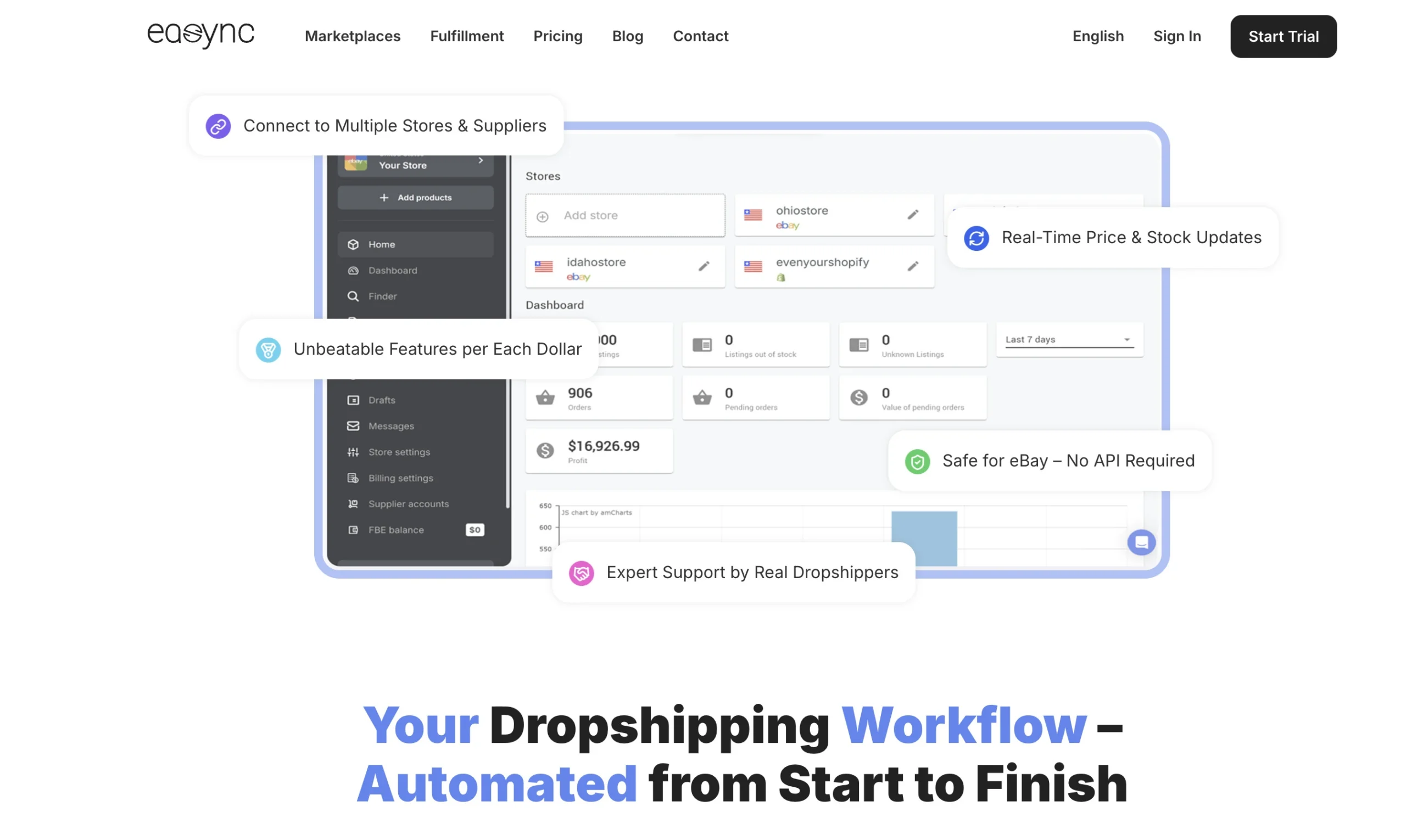
The emphasis is simple: Fewer gaps, fewer manual fixes, fewer surprises.
It combines:
- Fastener sync cycles for price and stock
- Fully automated order placement
- Tracking upload workflows
- Built-in hot items finder
- Bulk listing tool
For sellers managing a large number of listings, synchronization speed becomes very important. Supplier prices change quickly, and this helps keep your eBay account healthy and avoids selling items at the wrong price.
Easync is built for sellers who prefer a “set and monitor” type of workflow instead of constantly stepping in to correct issues. The subscription tiers expand as listing volume grows, which makes the platform suitable if you are running a growing operation.
Best for: Sellers managing higher listing volumes who want faster automation and smoother day-to-day operations.
-
AutoDS – The All-in-One Marketplace Options
AutoDS has built a reputation on being easy to get started with. This is why many new sellers gravitate towards it first. The platform is designed to move from an idea to a live listing fairly quickly.
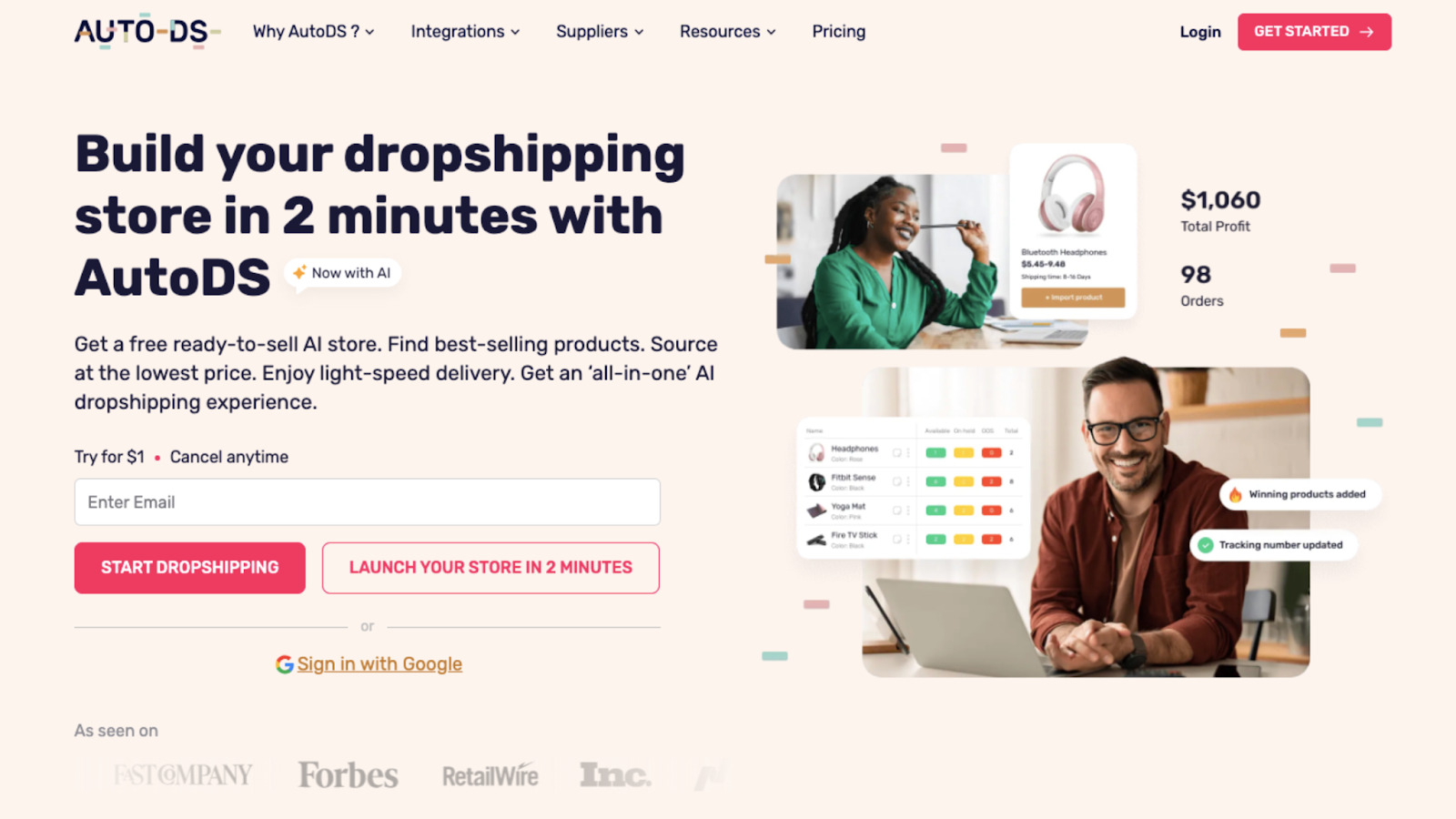
It offers:
- Built-in product sourcing marketplace
- Automated ordering
- Price and stick monitoring
- Chrome extension tools
For sellers entering automated dropshipping eBay workflows for the first time, that kind of all-in-one setup can be appealing.
Price and stock monitoring usually runs on hourly cycles. For smaller stores thats often enough, but when supplier prices start moving quickly, that delay can be concerning.
AutoDS works well as a starting platform for sellers learning how automation fits into their workflow.
Best for: beginner to intermediate sellers.

-
ZIK Analytics – Best for Market Research
ZIK analytics isn’t built to automate execution. It’s built to give you clarity before you list.
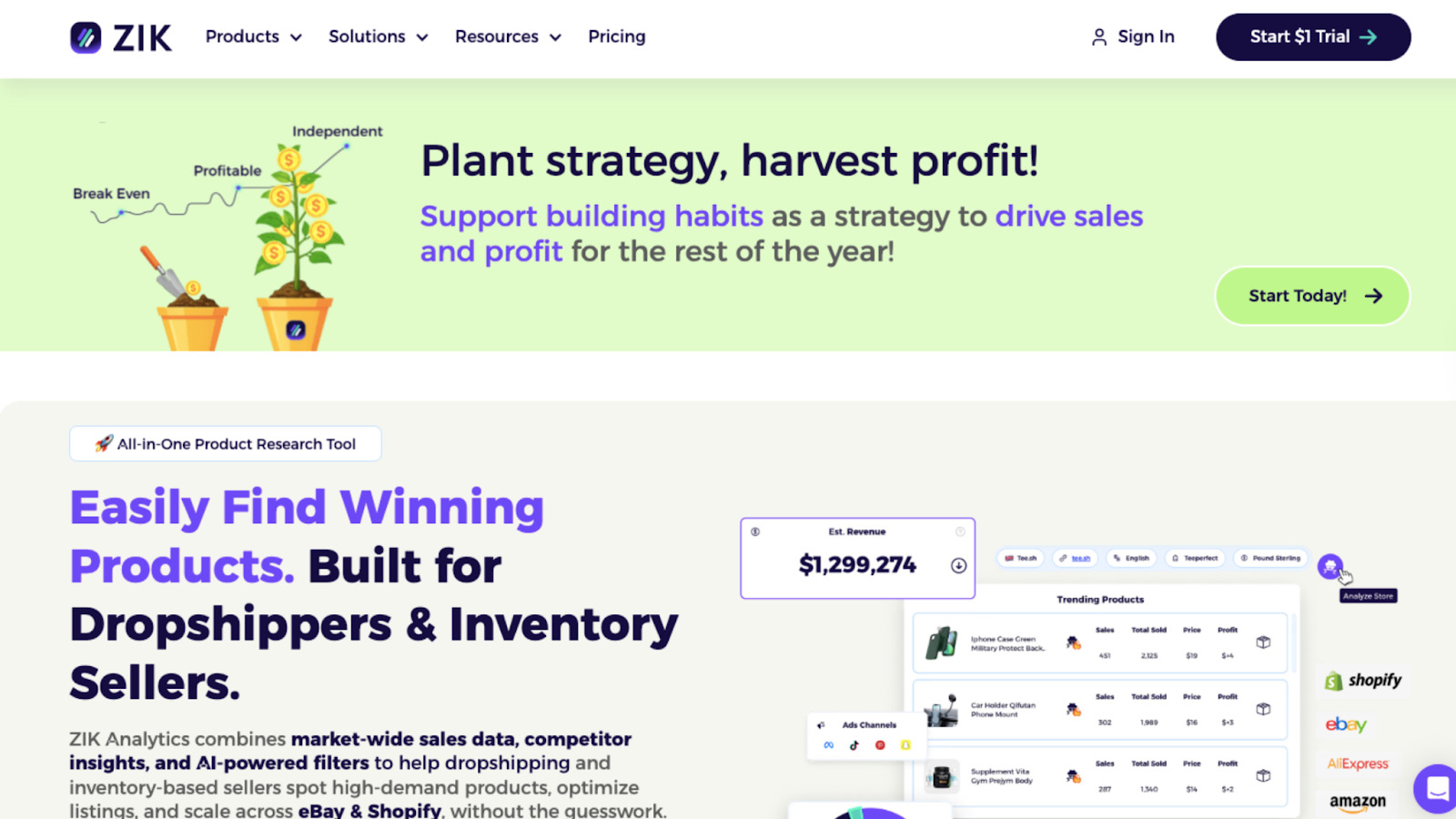
It provides:
- Competitor store analysis
- Sell-through rate data
- Trending niche identification
- Keyword intelligence
The focus here isn’t on fulfillment or repricing. It’s clarity. ZIK helps you understand what’s already selling and where demand actually exists before you commit to listing.
Many experienced sellers run ZIK alongside Easync, their main eBay automation tool.
Best for: Research-driven sellers who want validation before going live.

-
DSM Tool – Established All-in-One Automation
DSM Tool has been around for years and built its name on straightforward eBay automation.
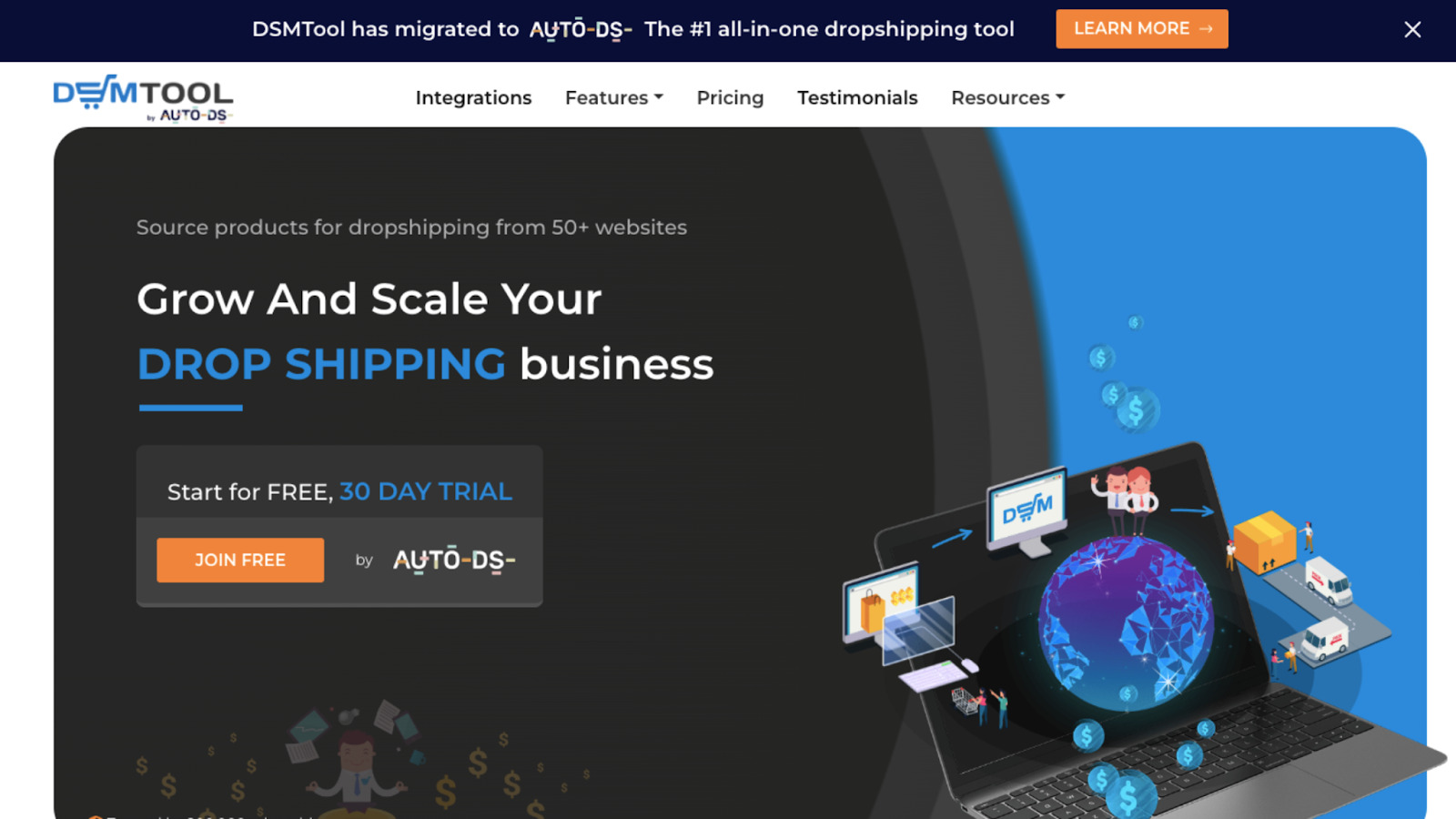
It provides:
- Auto-ordering
- Hourly stock and price monitoring
- Tracking uploads
- Listing management
It’s a stable platform that has been around for a while in the dropshipping space. It does handle the core functions that sellers need, but falls behind in its repricing speed.
Best for: Moderate sellers

-
Yaballe – Repricing-Focused Automation for Lean Operations
Yabelle focuses heavily on repricing and margin control. That’s why it is a common choice amongst sellers who want automation to run their day-to-day price adjustments.
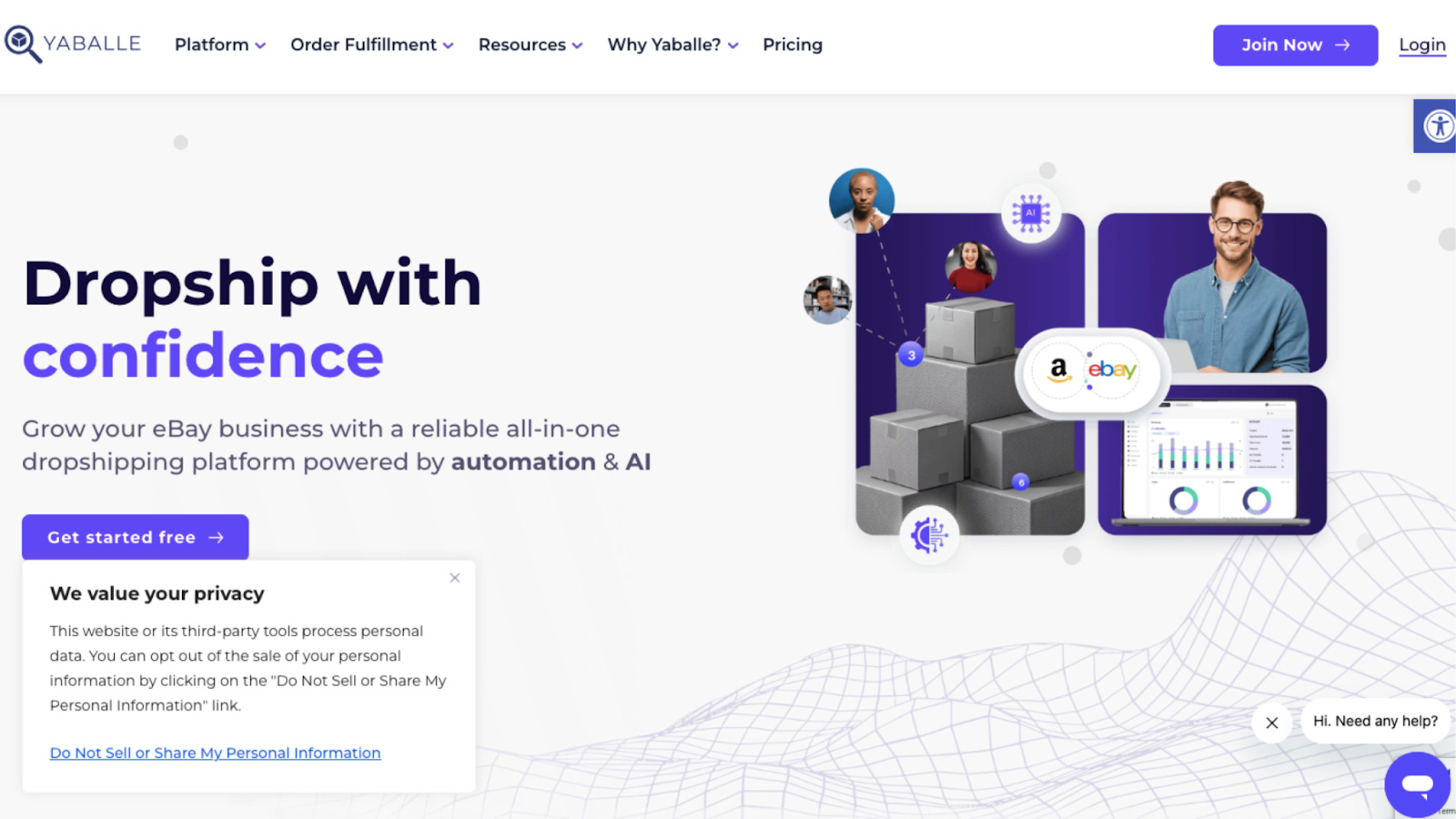
Its main tools include:
- Automated repricing
- Auto-order placement
- Profit rule configuration
- Simplified supplier management
The platform is fairly straightforward. This is more suitable if you prefer a simple dashboard without too many extra features.
Best for: Sellers running lean, margin-controlled operations focused solely on eBay.

-
KalDrop – Non-API Listing & Workflow Flexibility
KalDrop stands out mainly because of how it handles automation. Most eBay automation tools rely on official API connections, KalDrop takes a different approach and uses non-API listing workflows instead.
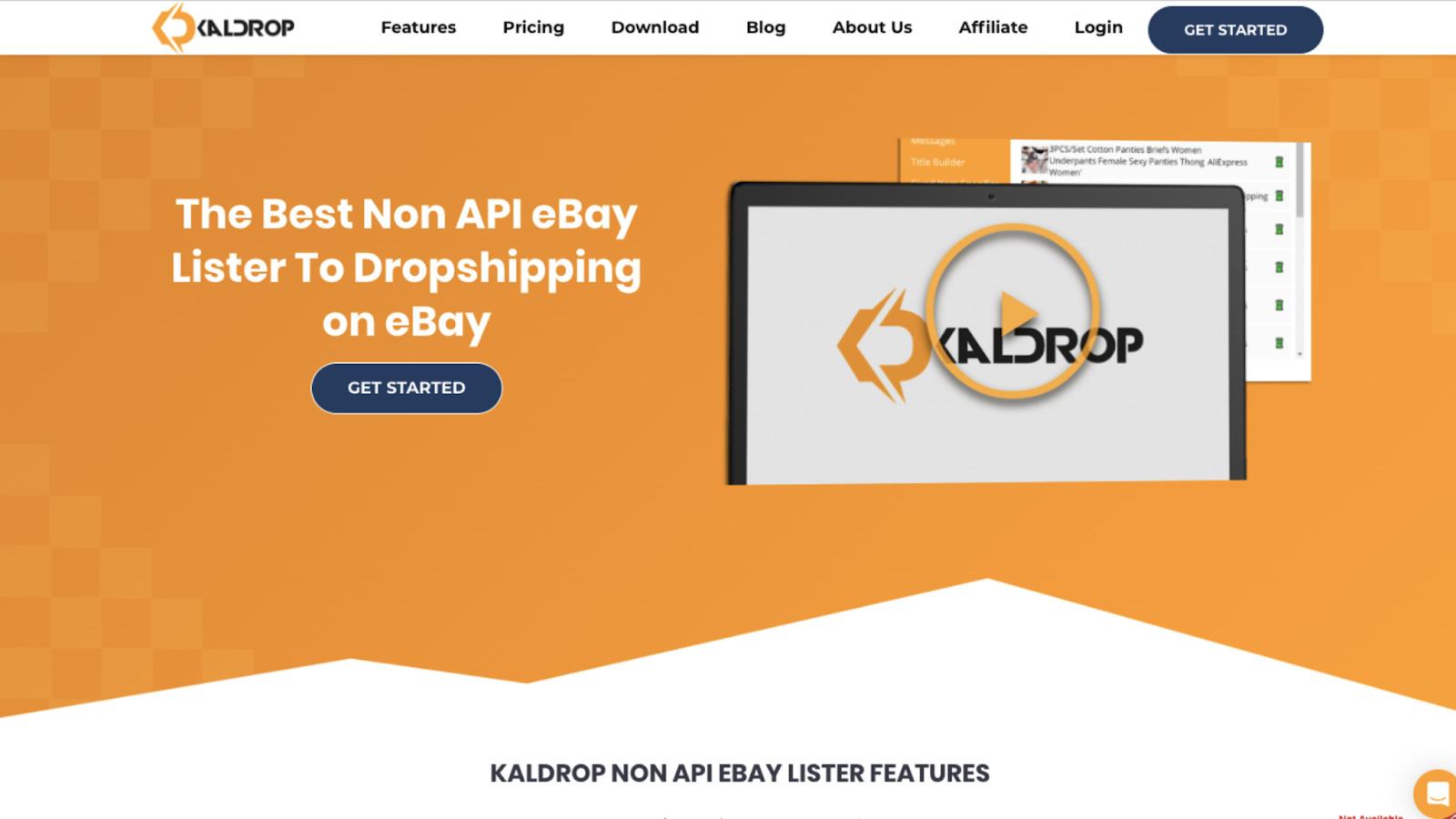
Non-API systems can sometimes offer more flexibility in how listings are created or updated and may avoid certain API throttling limits.
KalDrop is less of a full Automation platform and more of a workflow utility focused on listing mechanics. Because of that, it tends to appeal more to experienced sellers who want more control of how listings are handled.
Best for: Sellers who value flexible listing workflows and technical control.

-
3Dsellers – Bulk Listing & Optimization
3Dsellers isn’t really a fully automated dropshipping engine for eBay. It’s better thought of as a bulk management platform that helps sellers stay on top of their listings.
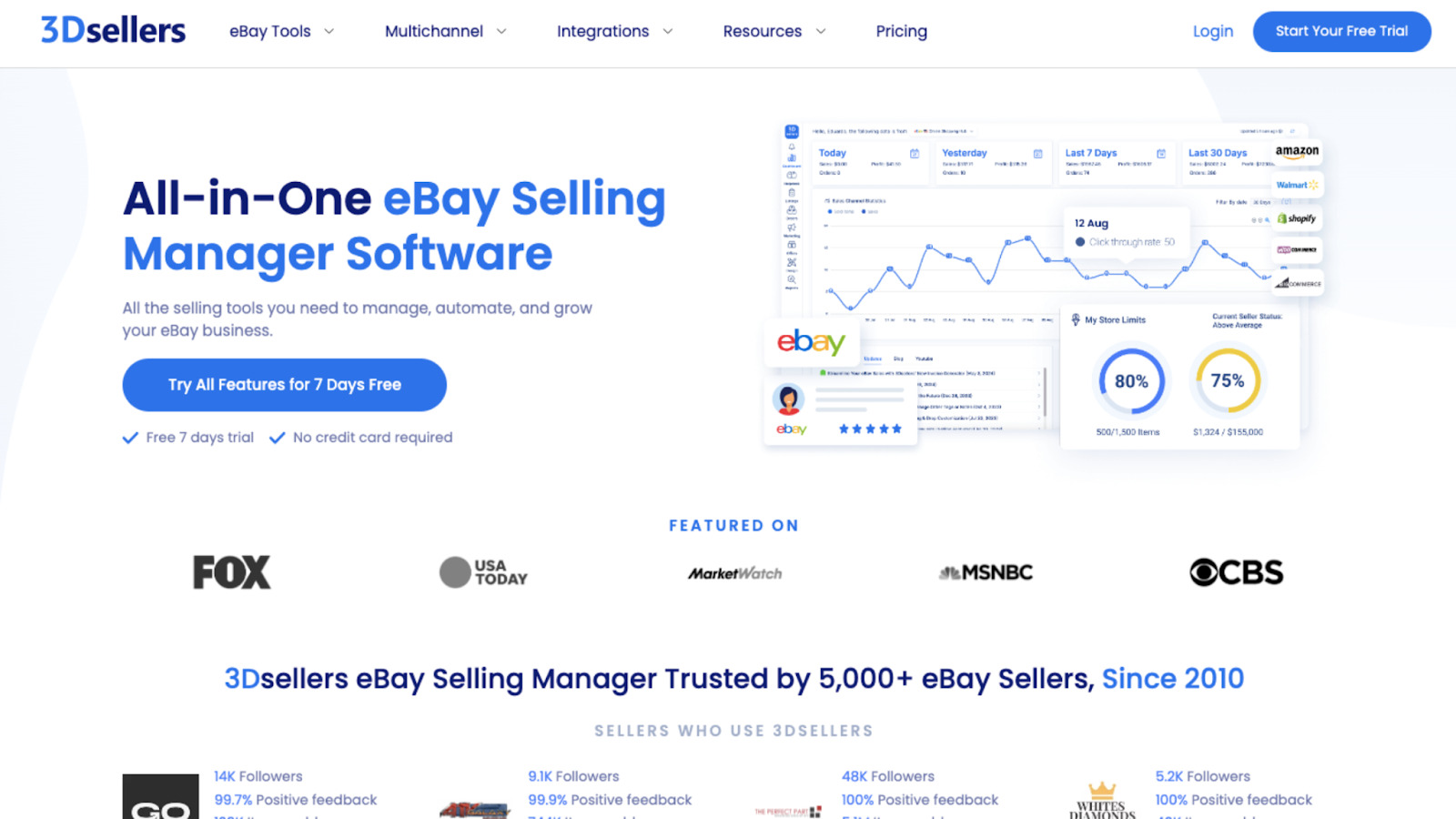
It specializes in:
- Bulk listing edits
- Title optimization
- Template creation
- Automated messaging
- Listing organization
However, 3Dsellers does not replace:
- Repricing engines
- Auto-ordering systems
- Tracking automation
It works best as a supplementary tool layered into a broader automation stack.
Best for: Large catalog sellers who need bulk control and SEO optimization.

Comparison Table: Easync vs. Competitors
The table below was created to show you why Easync usually ends up at the top of the list when these platforms are compared side by side.
|
Feature |
Easync |
AutoDS |
ZIK Analytics |
DSM Tool |
Yabelle |
KalDrop |
3Dseller |
|
Repricing Speed |
Much Faster sybc cycles (sub-15 min Benchmark) |
Hourly |
N/A |
Hourly |
Hourly |
Depends on Workflow |
N/A |
|
Auto-Ordering |
Yes |
Yes |
No |
Yes |
Yes |
Limited |
No |
|
Tracking conversions |
Advanced tracking workflows (incl.TBA Handling) |
Standard upload |
No |
Standard upload |
Standard upload |
Limited |
No |
|
Pricing Structure |
Subscription-based (tiered by volume) |
Subscription-based (scales with usage) |
Subscription-based (research tool only) |
Subscription |
Subscription |
Subscription |
Subscription |
The table highlights an important point. You’ll notice similar core features first.
But when you look a little closer, the differences start to appear in the important things like repricing speed and tracking workflows. These are the features that are going to protect your account’s health and prevent shadowbanning.
eBay Dropshipping Policy Update 2026
Dropshipping itself is still allowed on eBay. The rules around seller responsibility have just become stricter.
The key takeaway from the eBay dropshipping policy 2026 is simple. Sellers must source products from legitimate wholesale suppliers and remain the seller of record for the entire transaction.
To put it simply. The seller is responsible for the whole buyer experience. That includes order fulfillment, customer service, returns, and valid tracking uploads.
What has tightend though, in recent years, and is incredibly important to note is how eBay measures performance.
Key Performance Metrics Seller Must Watch
eBay evaluates accounts using several performance metrics. These metrics will directly affect selling privileges and visibility:
- Transaction defect rate: must stay below 2% of transactions to meet minimum standards.
- Cases closed without seller resolution: must remain under 0.3% of transactions or (no more than two cases).
- Late shipment rate: sellers aiming for Top Rated status would need to keep this below 3% of transactions.
- Valid tracking upload rate: sellers are expected to upload tracking information for the vast majority of orders so shipments can be verified by the carrier.
If your store’s performance slips below these standards, even slightly, your listings can lose visibility and your account can face certain selling restrictions.
The bad news for dropshippers? It doesn’t take much for small issues to start affecting account performance, and dropshipping setups tend to run into these problems more easily.
Final Verdict: Which Software Should You Choose?
If you’re just experimenting with dropshipping, most tools will feel pretty similar at first. The moment you start running a real store, though, the difference becomes obvious.
- Zik Analytics is great for product research.
- AutoDS makes it easy for beginners to get started.
- DSM tool and Yabelle cover the core automation basics.
- KalDrop offers more flexibility with how listings are created.
- 3D sellers helps when you’re managing a large number of listings.
If the goal is keeping prices synced, reducing manual fixes, and protecting eBay account health, Easync tends to stand out as the most balanced option in 2026.
At the end of the day, the biggest risk for most sellers is no longer competition. It’s exposure to operational mistakes.
The right automation system simply helps keep those problems under control.
Frequently Asked Questions
Is dropshipping still allowed on eBay in 2026?
Yes. The main requirement is that you source products from legitimate wholesale suppliers and remain the seller of record.
Which software is the best for avoiding eBay suspensions?
No eBay automation tool can make your store completely safe. What it can do is reduce risk. Tools that sync quickly, upload tracking automatically, and help prevent cancellations can make a big difference for account health.
Does Easync work with Amazon-to-eBay workflows?
Yes. Easync supports automated dropshipping eBay workflows between Amazon and eBay. It can monitor supplier prices and stock levels, place orders automatically, and upload tracking to eBay once an item ships. This means sellers can run Amazon-to-eBay operations with much less manual work.
What is the most important feature in eBay repricer software?
Speed. Good eBay repricer software updates prices and sticks quickly, so you’re not caught off guard when supplier prices change. Faster syncing helps protect margins and keeps listings accurate.

Kaylin Bailey is an experienced e-commerce strategist and content writer specializing in dropshipping, automation, and online retail growth. At Easync, she focuses on helping entrepreneurs streamline their stores with data-driven insights, practical guides, and software solutions that optimize product sourcing, pricing, and order fulfillment. With years of hands-on experience in digital commerce and platform integrations, Kaylin’s articles offer actionable advice grounded in real-world testing, helping sellers stay competitive in a rapidly evolving marketplace.