Key Takeaways
- Boutique clothing dropshipping lets you sell curated fashion without holding inventory, making it ideal for small brands and new Shopify or TikTok Shop sellers entering the market in 2026.
- Success hinges on niche selection, partnering with US or EU-based suppliers for 2-7 day delivery, and building strong branding through consistent photos, custom packaging, and social media presence.
- For clothing and streetwear dropshipping, Easync automation handles product importing, real-time stock and price monitoring, auto-ordering, repricing rules, tracking synchronization, and multi-account workflows.
- This guide includes a concrete comparison table of e-commerce vs. dropshipping pros and cons, plus practical FAQs specifically for boutique owners launching their first store.
What Is Boutique Clothing Dropshipping?
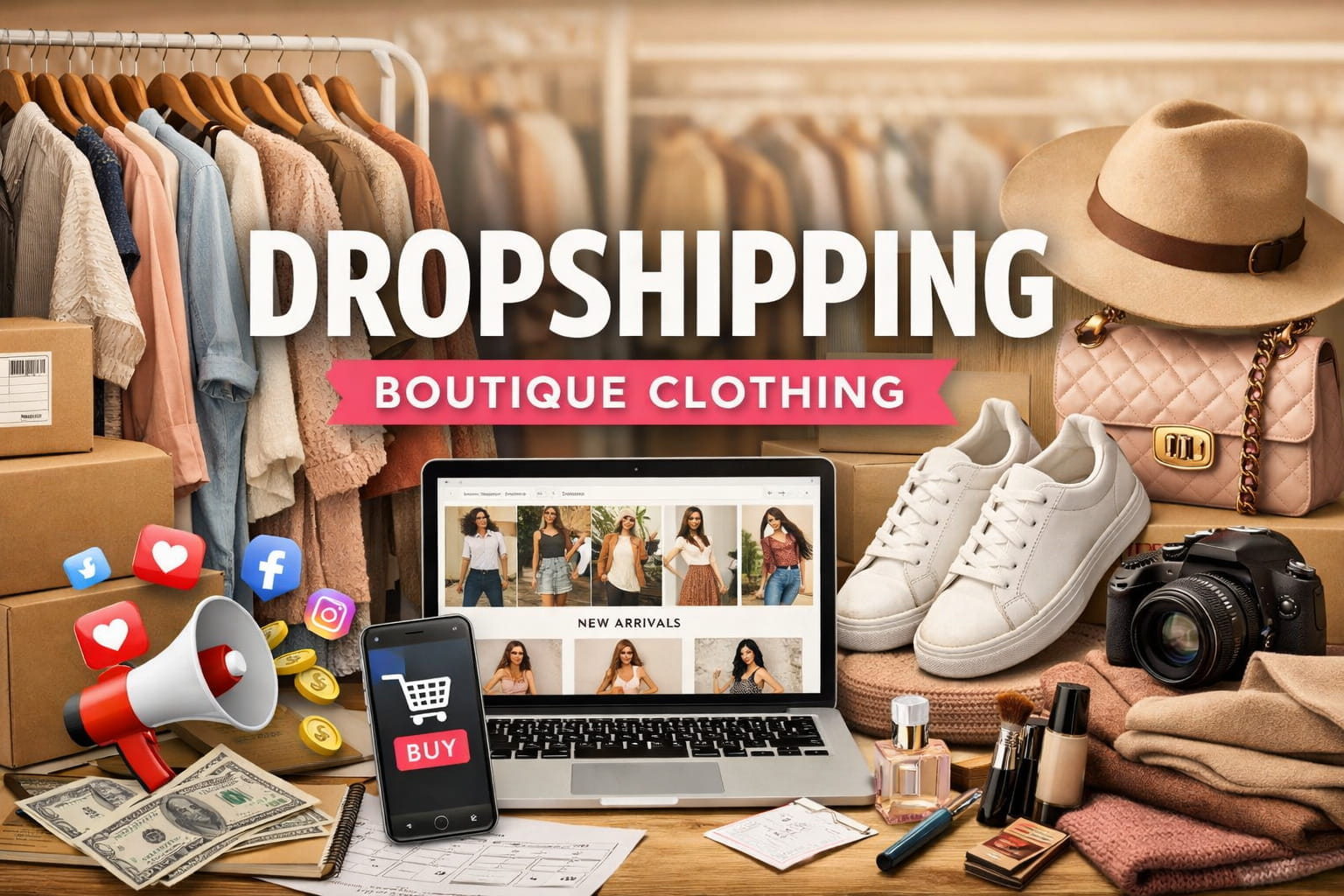
Boutique clothing dropshipping is a retail model where your online fashion store markets and sells curated clothes while suppliers handle all warehousing and shipping directly to your customers. Drop shippers individuals or businesses who operate online retail stores by partnering with wholesale suppliers and leveraging dropshipping platforms can manage their stores without holding inventory. You never touch the inventory.
Dropshipping boutique clothing offers a low-risk, low-startup-cost model to launch an online fashion brand without holding inventory. Instead, you focus on building your brand, selecting quality products, and creating an experience that keeps customers happy.
The distinction between generic mass-market drop shipping and boutique dropshipping matters. Generic drop shippers often list thousands of SKUs from international suppliers, competing primarily on low prices. Boutique dropshipping takes a different approach: smaller product runs, trend-driven collections, and higher perceived value through intentional styling and niche positioning. This is where profit margins actually live. Your profit in dropshipping is the difference between your retail price and the supplier’s wholesale cost.
Here’s how a typical order flows through your business:
- A customer places an order on your Shopify store, WooCommerce site, or TikTok Shop
- The order automatically transmits to your pre-selected supplier
- The supplier picks, packs, and ships directly from their warehouse (ideally US or EU-based)
- Tracking information syncs back to your platform and notifies your customer
Domestic returns are generally easier and cheaper for customers, which is a significant advantage of using U.S.-based dropshipping suppliers.
The 2026 market context makes this model particularly attractive. US fashion e-commerce has grown to approximately $145 billion, and customer expectations have shifted dramatically. Fast shipping of 2-7 days has become the standard, not a luxury. This directly shapes which clothing dropshipping suppliers you should partner with. Dropshipping clothing offers flexibility and speed to quickly adapt to fashion trends and add new products.
Common product categories for boutique dropship clothes include dresses, tops, denim, loungewear, plus-size collections, kidswear, accessories, and streetwear capsules. The key is picking a focused niche rather than trying to stock everything. A dropshipping model reduces the risk of financial loss from unsold clothing and allows retailers to offer a wide variety of products without the need for upfront inventory investment, reducing financial risk.

How Boutique Clothing Dropshipping Works in Practice
If you’re a first-time boutique owner, understanding the practical workflow separates those who launch successfully from those who get stuck in planning mode. Here’s your operational roadmap.
Step 1: Choose Your Niche
Narrow your focus before sourcing anything. Examples include US women’s boho sizing S-3X, sustainable kidswear, Y2K streetwear, or plus-size basics. Your niche drives every supplier and product decision that follows.
Step 2: Select 1-3 Primary Suppliers
Look for wholesale clothing suppliers with US warehouses that offer bulk same day shipping or next-day dispatch. Tasha Apparel, for instance, operates from a Los Angeles warehouse and supports direct drop shipments with multiple carrier options. Kiyonna Clothing has served the plus-size market since 1996 with both wholesale and dropship options.
Step 3: Connect Suppliers to Your Platform
Most reputable clothing dropshippers offer native integrations for Shopify, WooCommerce, Etsy, and increasingly TikTok Shop. Use their official apps or approved tools to sync catalogs, inventory levels, and order fulfillment.
Step 4: Import and Localize Products
Products come with ready-to-use photos and descriptions. However, generic imported descriptions kill boutique perception. Rewrite copy in your brand voice, adjust pricing with your markup, and consider replacing supplier photos with high quality visuals that match your aesthetic.
Step 5: Set Policies
Your shipping, returns, and branding policies should match or slightly exceed your main supplier’s terms. If your supplier offers 14-day returns, mirror that in your refund policy.
Inventory management automation is non-negotiable. You need real-time sync so you don’t oversell popular pieces that suddenly go out of stock at the supplier level. This protects both your reputation and your money.
The beauty of this business model is testing without commitment. List 10-20 new SKUs per week, monitor which clothing categories convert, and scale your winners. Use branded packing slips, custom inserts with thank-you cards, and cohesive model photography to make dropshipped clothes feel like they come from one unified boutique brand.
Pros and Cons: Traditional E-Commerce vs. Dropshipping
Many boutique owners weigh buying wholesale clothing versus running a pure or hybrid dropshipping model. The right choice depends on your capital, risk tolerance, and growth timeline.
Traditional e-commerce means purchasing upfront inventory from wholesale clothing suppliers, storing it yourself (or in a 3PL), and shipping from your own stock. Dropshipping eliminates that inventory investment but introduces supplier dependency.
The comparison below helps you see when each model—or a hybrid—makes sense for your boutiques.
Comparison Table: E-Commerce vs. Dropshipping for Boutique Clothing
| Model | Main Pros for Boutiques | Main Cons for Boutiques |
|---|---|---|
| E-Commerce (Holding Inventory) | Higher margins (60-70% markup typical), full quality assurance control, faster same day shipping from your warehouse, complete control over packaging and brand experience | Requires larger upfront investment ($3,000-$10,000+ for initial stock), risk of dead stock and seasonal collections not selling, needs storage space or 3PL costs, ties up cash in inventory |
| Dropshipping | Minimal upfront capital (start under $300), wider catalog without warehouse limits, no risk of unsold inventory, test new styles without financial commitment, location-independent operation | Lower profit margins (10-30% typical), less control over packing speed and quality check, occasional stock outages from suppliers, shipping costs and times depend on supplier performance |
Key takeaways from this comparison:
- Many successful 2026 online boutiques start with 80-100% dropshipping, then begin stocking their top 20 bestsellers in-house once cash flow stabilizes
- Sneakers and heavy outerwear are often better dropshipped first due to sizing complexity and seasonality before ordering large wholesale runs
- The hybrid model lets you test like a drop shipper but build margins like a traditional retailer on proven winners
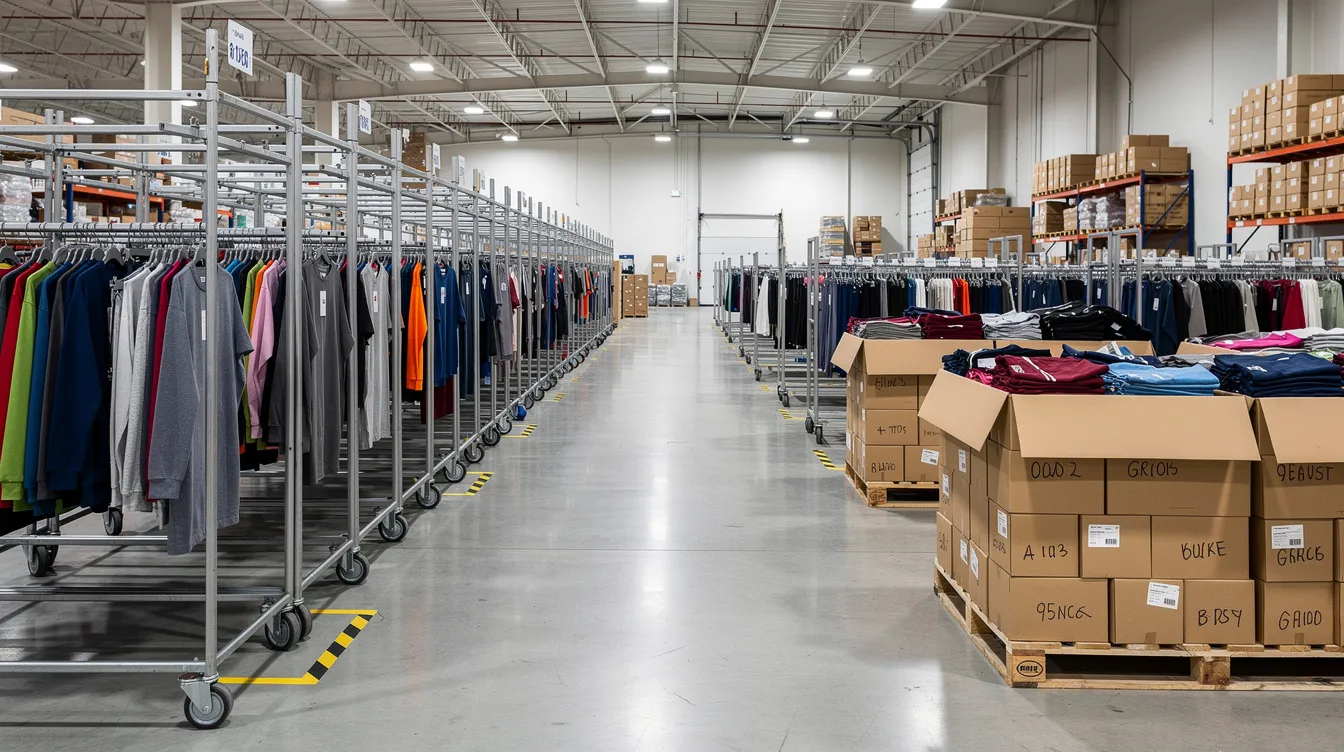
How to Choose Clothing Dropship Suppliers for Your Boutique
Supplier selection is the single biggest factor determining customer satisfaction in your drop shipping business. Choose poorly, and no amount of marketing saves you from bad reviews and returns.
Criteria to Evaluate Every Supplier:
- Warehouse location: US, UK, or EU suppliers deliver in 2-7 days. Overseas suppliers often mean 10-20+ days, which American customers increasingly won’t tolerate
- Product quality and consistency: Look for boutique-grade fabrics, true-to-size cuts, and plus-size inclusion if that’s your market
- Platform integrations: Confirm they support your ecommerce platform (Shopify, WooCommerce, TikTok Shop, Etsy) with proper automation
- Return and refund windows: Understand their 7-30 day policies, who pays return shipping, and restocking rules
- Branding options: Can they include branded packing slips, custom hangtags, or private labeling with your own logo?
- Communication: Response time should be hours, not days. Weekend support matters during busy selling periods
Before committing to any supplier, order 2-3 sample pieces yourself in different sizes. Check fabric weight, stitching quality, packaging presentation, and actual shipping speed. This quality check prevents you from selling clothes that disappoint customers.
Strategic Supplier Mixing:
The smartest boutiques use multiple drop shipping suppliers:
- One or two US-based suppliers for core styles and fast shipping
- One global supplier for unique or seasonal pieces unavailable domestically
Think of suppliers like Ave Shops a boutique dropshipping platform that offers automated sourcing, product curation, and fast shipping services tailored for online boutiques along with Avenue Shops, Bloom Dropship, or Boutique Simplified as potential partners worth researching for your specific niche. Each serves different clothing categories and price points.
To succeed in a dropshipping fashion business, focusing on branding and curating a niche selection of items is essential.
Monitor supplier performance monthly. Track late orders, damaged items, and stockouts. If a partner’s standards slip below your benchmarks (aim for 95%+ on-time shipping, defect rates under 2%), replace them quickly. Your brand reputation depends on it. High market competition in dropshipping fashion necessitates unique branding.
Setting Up an Online Store for Your Boutique Clothing Brand
Launching your boutique clothing brand begins with creating a standout online store that reflects your unique style and delivers a seamless shopping experience. Start by selecting an ecommerce platform like Shopify or WooCommerce—both are popular choices for drop shipping businesses thanks to their user-friendly interfaces, robust integrations, and support for drop shipping suppliers. These platforms offer a variety of customizable templates, allowing you to tailor your store’s look and feel to match your brand identity.
When designing your online store, prioritize high quality visuals. Invest in professional product photography and videos to showcase your clothing in the best light—clear, consistent images help build trust and drive conversions. Make sure your store is fully optimized for mobile devices, as a significant portion of customers will browse and shop from their phones.
Integrate your chosen drop shipping suppliers directly with your ecommerce platform to automate inventory updates and order fulfillment. This ensures your store always displays accurate stock levels and reduces manual work. Don’t forget to include essential pages like About, Contact, Shipping & Returns, and Size Guides to answer customer questions and reinforce your brand’s credibility.
A well-designed online store not only attracts customers but also sets the stage for a successful drop shipping business. By focusing on user experience, quality presentation, and seamless supplier integration, you’ll create a strong foundation for your boutique clothing brand.
Using Automation Tools for Clothing & Sneakers Dropshipping
In 2026, automation isn’t optional—it’s essential. Dynamic supplier prices, frequent stock changes, and managing multiple sales channels manually is a recipe for overselling, margin erosion, and customer complaints. The right tools transform chaotic operations into a manageable business.
For sneakers and streetwear dropshipping specifically, Easync automation proves to be a game changer for boutiques managing high-velocity products with constantly fluctuating inventory. Easync supports automated product importing from supported marketplaces, eliminating manual listing creation. Its real-time stock and price monitoring prevents you from selling sizes that just went out of stock at the supplier.
The auto-ordering feature routes customer orders to suppliers automatically once payment clears. Smart repricing rules maintain your profit margins when wholesale cost fluctuates. Tracking synchronization keeps customers informed with updated shipping status without manual updates. For boutiques operating multiple Shopify store fronts or marketplace accounts, multi-account workflows centralize everything in one dashboard.
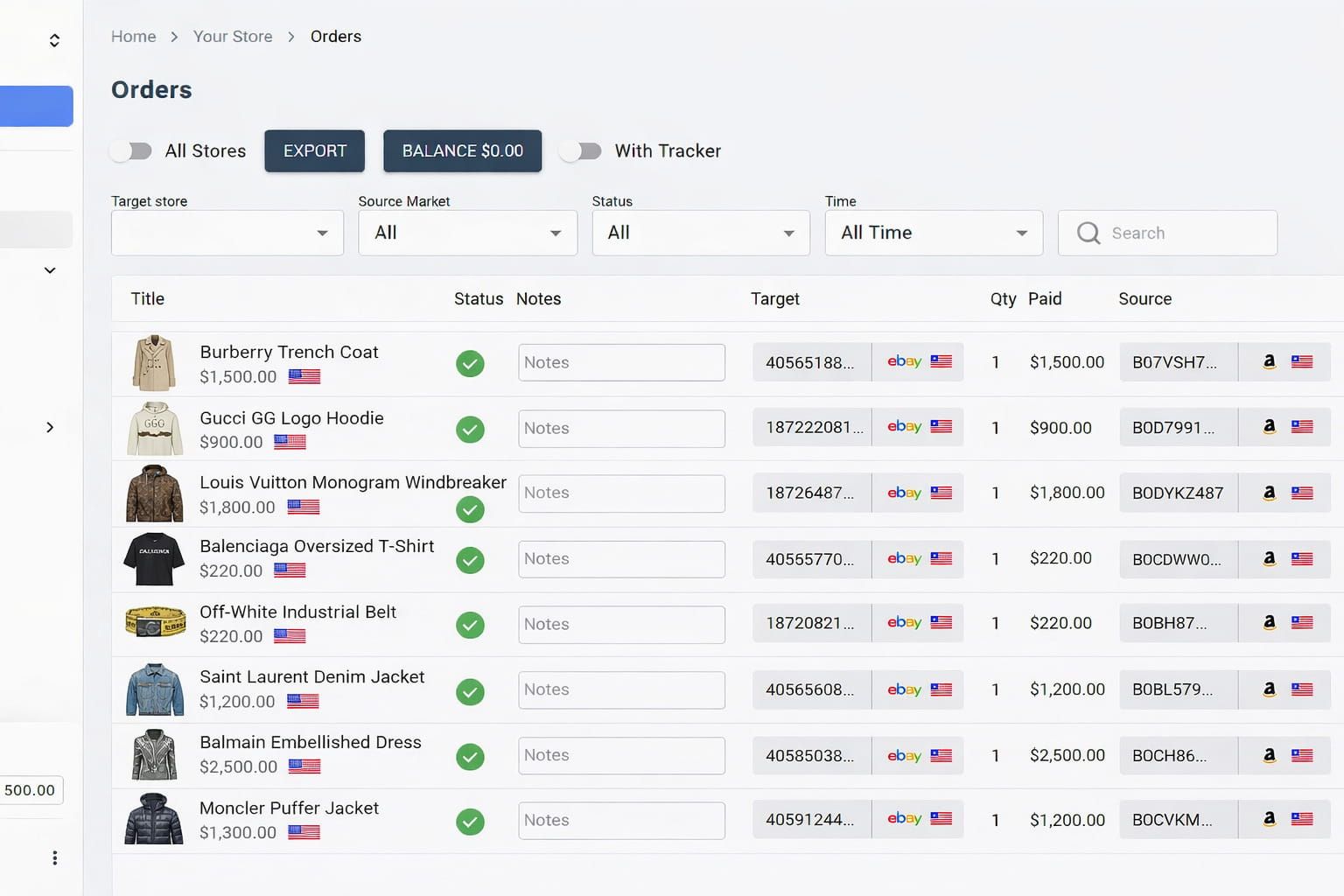
General Automation Tasks for Clothing Boutiques:
- Auto-sync inventory and prices across Shopify, WooCommerce, TikTok Shop, and marketplaces
- Bulk product import with pre-mapped variants (size, color, pattern)
- Automatic order routing to different suppliers based on customer region
- Central dashboard for tracking numbers, returns processing, and customer notifications
The key is balancing automation with manual curation. Let tools handle data logistics and order fulfillment while you personally choose product styles, write brand-specific copy, and manage social media storytelling. Automation handles your 500+ SKUs; you handle the soul of your brand.
Real example: A boutique managing daily volume of 20-50 orders from live selling sessions and TikTok videos would be impossible without automation syncing orders, inventory, and tracking across channels simultaneously.
Managing Orders and Shipping in Boutique Clothing Dropshipping
Efficient order management and shipping are the backbone of any thriving boutique clothing dropshipping business. As soon as a customer places an order, your system should trigger a smooth workflow that ensures prompt order fulfillment. Many modern drop shipping suppliers, such as Trendsi and MOFS, offer automated solutions that connect directly to your store, handling everything from inventory updates to shipping notifications.
To keep operations running smoothly, implement an order tracking system—this could be a simple spreadsheet for smaller stores or a dedicated order management tool as your business grows. Automation tools can sync orders from your online store to your suppliers, reducing errors and speeding up processing times.
Clear communication is key: always inform customers about expected shipping times, shipping costs, and provide tracking numbers as soon as orders are dispatched. This transparency builds trust and reduces customer inquiries. For brands aiming to stand out, consider offering branded packing slips or custom inserts, even when using drop shipping suppliers, to reinforce your boutique’s identity.
By streamlining order fulfillment and maintaining open communication, you’ll deliver a reliable shopping experience that keeps customers coming back to your clothing brand.
Pricing, Margins, and Branding Your Dropship Clothing Boutique
Boutique success depends on healthy margins and clear brand positioning—not racing to offer the lowest prices. That’s a game you’ll lose against fast-fashion giants.
Common Markup Ranges:
| Product Category | Typical Markup |
|---|---|
| Basic apparel, loungewear, t shirts | 2-2.5× wholesale cost |
| Boutique dresses and denim | 2.5-3× wholesale cost |
| Accessories and jewelry | 3×+ (lower base cost allows higher multiplier) |
When setting retail prices, factor in:
- Shipping costs: If offering free shipping, this reduces your effective margin
- Transaction fees: Typically 2.9% plus a fixed fee per order
- Returns allowance: Industry baseline is 5-15% of transactions
- Paid advertising: Customer acquisition costs eat into per-unit profit
A dress purchased at $20 wholesale and sold at $50 looks like 150% markup. After payment processing ($1.50), returns allowance, and marketing spend to acquire that customer, actual profit may be $15-20 per unit.
Branding Elements That Differentiate:
Your online store needs consistent visual identity:
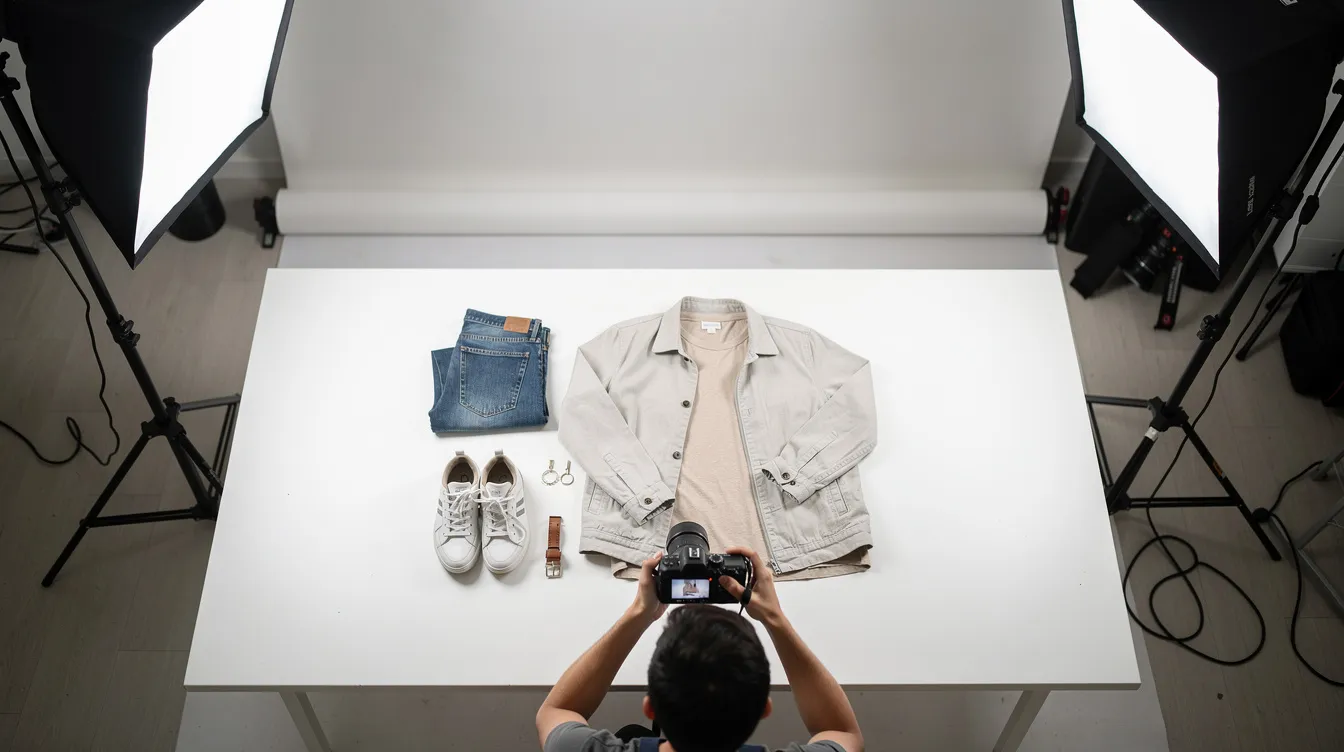
- Product photography with matching backgrounds, poses, and editing treatment
- Cohesive size charts and fit notes based on your own sample try-ons (other shoppers trust real measurements)
- Branded order inserts—thank-you cards, care instructions, discount codes for repeat purchase
- Storytelling about your niche (body-positive plus-size boutique, eco-friendly natural fibers, made-to-order capsules)
- Custom branding—such as personalized packaging, labels, and inserts—enhances the unboxing experience and helps establish a professional brand image, building customer loyalty.
Recommend periodic price testing: A/B test bestsellers, create limited-time bundles, and experiment with free-shipping thresholds. Track KPIs like average order value and return on ad spend to find your best price sweet spot.
Marketing Channels for Boutique Clothing Dropshipping in 2026
Understanding where boutiques actually get traffic and sales separates stores that struggle from those scaling to six figures. The landscape in 2026 heavily favors social commerce over traditional SEO.
Core Channels:
- Social Media: Instagram Reels, TikTok, and Facebook Live sales dominate. Showcase try-ons, styling tips, and “new arrival drops” with urgency
- Owned Channels: Email newsletters, SMS lists, and loyalty programs drive repeat purchases from past buyers at near-zero cost
- Marketplaces: Etsy works for handmade and boho vibes; TikTok Shop captures impulse and viral items; Amazon suits basics and high-volume pieces
- SEO and Content: Style guides, seasonal lookbooks, and size/fit advice capture Google searches from customers researching before buying
Content Formats That Convert:
- Weekly “new drop” live sessions with limited quantities creating urgency
- Before/after styling videos showing basic outfits transformed with boutique pieces
- User-generated content campaigns where customers post outfits with your branded hashtag
- Behind-the-scenes content showing how you curate and test quality products
Track Performance by Channel:
Not all channels convert equally for all clothing categories. Dresses might crush on TikTok while denim performs better through email to existing customers. Monitor cost per acquisition, conversion rates on product pages, and which categories generate exclusive access to high-intent buyers on each platform.
Maintain a consistent posting cadence: daily short-form video, weekly email to your list, monthly full collection launches. Test collaborations with micro-influencers who genuinely match your niche style rather than paying for follower counts that don’t convert.
Measuring Success and Growth in Your Dropship Clothing Business
Tracking your boutique’s performance is essential for long-term success in the competitive drop shipping market. Start by monitoring your profit margins—typically ranging from 10-30% in clothing dropshipping—so you understand how much you’re earning after accounting for wholesale costs, shipping, and fees.
Beyond profit margins, keep a close eye on sales revenue, conversion rates, and customer acquisition costs. Use analytics tools like Google Analytics to gain insights into website traffic, customer behavior, and which marketing channels drive the most sales. Regularly review customer feedback, return rates, and product reviews to gauge satisfaction and identify areas for improvement in quality or service.
Set clear business goals and track your progress monthly. Are your best-selling clothing categories growing? Are customers returning for repeat purchases? Use this data to refine your product selection, marketing strategies, and supplier relationships.
By consistently measuring key metrics and acting on insights, you’ll position your drop shipping business for sustainable growth and a loyal customer base.
Scaling Your Boutique Clothing Dropshipping Business
Once your boutique clothing dropshipping business is running smoothly, it’s time to focus on scaling for greater reach and revenue. Start by expanding your product range—introduce new clothing categories or accessories to attract a broader audience and increase average order value. Partnering with additional drop shipping suppliers, such as Avenue Shops or Boutique Simplified, can give you exclusive access to fresh styles and help diversify your offerings.
Invest in marketing to reach new customers. Leverage social media advertising, influencer collaborations, and email campaigns to drive traffic to your online store. Optimize your website’s user experience and checkout process to boost conversion rates and minimize cart abandonment.
As your business grows, consider automating more processes, from inventory management to customer service, to handle increased order volume efficiently. Regularly review supplier performance and customer feedback to ensure your brand maintains high standards of quality and service.
By strategically expanding your product selection, strengthening supplier partnerships, and investing in marketing, you’ll scale your boutique clothing brand and establish a strong presence in the drop shipping industry.
Common Mistakes to Avoid in Boutique Clothing Dropshipping
Success in boutique clothing dropshipping hinges on avoiding pitfalls that can undermine your business. One of the most frequent mistakes is neglecting to thoroughly vet drop shipping suppliers—poor supplier choices can result in inconsistent product quality, delayed shipping, and dissatisfied customers. Always request samples and check reviews before committing.
Another common error is failing to define your target market or offering too broad a product selection. Focus on specific clothing categories that resonate with your ideal customers to build a cohesive brand and drive sales. Don’t overlook the importance of high-quality product images and detailed descriptions; these are crucial for converting browsers into buyers.
Clear communication is essential—set accurate expectations for shipping times, costs, and return policies. Failing to do so can lead to negative reviews and lost trust. Finally, regularly review your business metrics and customer feedback to catch issues early and adapt quickly.
By proactively addressing these common mistakes, you’ll build a reputable, customer-focused drop shipping business that stands out in the crowded online clothing market.
FAQs
This FAQ addresses practical boutique-specific questions that go beyond what’s covered in the main sections above.
How much money do I need to start a dropship clothing boutique?
A lean 2026 launch is achievable with roughly $250-$800. This covers your ecommerce platform fees (Shopify runs $29-299 monthly depending on tier), a premium theme or basic design ($50-300 one-time), sample orders from 1-2 suppliers to verify quality ($100-400), and an initial marketing budget for social ads ($100-300). You won’t purchase upfront inventory, but budgeting for samples in your core sizes is essential before going live. Additional funds of $300-$500 can accelerate growth through more aggressive paid ads or professional photography. Some suppliers charge monthly fees (like B2B GRIFFATI’s €90-120), so factor that into recurring costs.
How many products should I list when I’m just starting?
Start with a tightly curated catalog of around 40-100 SKUs, focusing on 2-3 clear clothing categories that define your boutique’s style. This might be tops, dresses, and denim for a women’s boutique, or sneakers and streetwear for a youth-focused shop. Listing 300+ SKUs overwhelms customers and makes merchandising, photos, and descriptions nearly impossible to manage well at launch. Your store should feel like a one stop shop for your specific niche, not a chaotic marketplace. Add 10-20 new items per month after launch, retire poor performers quickly, and build collections around proven bestsellers.
Can I mix dropshipping with holding some clothing inventory?
A hybrid model is common among successful boutiques. Test styles via dropshipping first, identify consistent bestsellers, then purchase modest wholesale quantities (20-50 units) of proven items to stock in-house. This hybrid approach preserves margin optimization on stocked items, improves shipping speed for your heroes, and reduces supplier dependency while retaining dropship flexibility for experimental or seasonal collections. Operationally, track which SKUs are stocked versus dropshipped, set different shipping speeds in store settings, and clearly communicate delivery estimates on product pages. Many boutiques transition from brick and mortar stores to online using this exact model.
How do I handle returns and exchanges with clothing dropshipping?
Your refund policy must align with your drop shipping suppliers’ terms. If a supplier offers 7-30 day free returns, mirror or slightly tighten that window in your storefront policy. Practical steps include publishing a clear returns page, requiring customers to request authorization before shipping anything back, and either issuing a return label (if your supplier provides one) or instructing customers where to ship items. Return shipping costs allocation should be stated clearly. Inspect the first several returned items yourself to understand common fit or quality issues, then update size charts or product descriptions to reduce future returns. Keeping customers happy through this process builds loyalty even when purchases don’t work out.
How do I protect my brand if a supplier ships late or sends poor quality items?
Set internal performance benchmarks—aim for 95% of customer orders shipped within 2-4 business days and defect rates under 2%. Track each supplier against these metrics monthly using a simple spreadsheet. When issues occur, always resolve in the customer’s favor first through refunds, replacements, or store credit. Handle supplier compensation claims separately in the background. Your brand reputation matters more than winning disputes with suppliers over individual orders. Maintain at least one backup supplier for key categories like denim or plus-size basics so you can switch quickly if a partner’s standards slip. This redundancy protects your shop from being held hostage by any single supplier relationship.

Noah Edis is a freelance writer and systems engineer with a wealth of experience in modern hardware and software. When he’s not working on his latest project, you can find him playing competitive dodgeball or pursuing his personal interest in programming. At Easync, Noah helps thousands of sellers optimize their eBay and Amazon businesses by providing automation tools and practical guidance on account health, pricing, and inventory management.