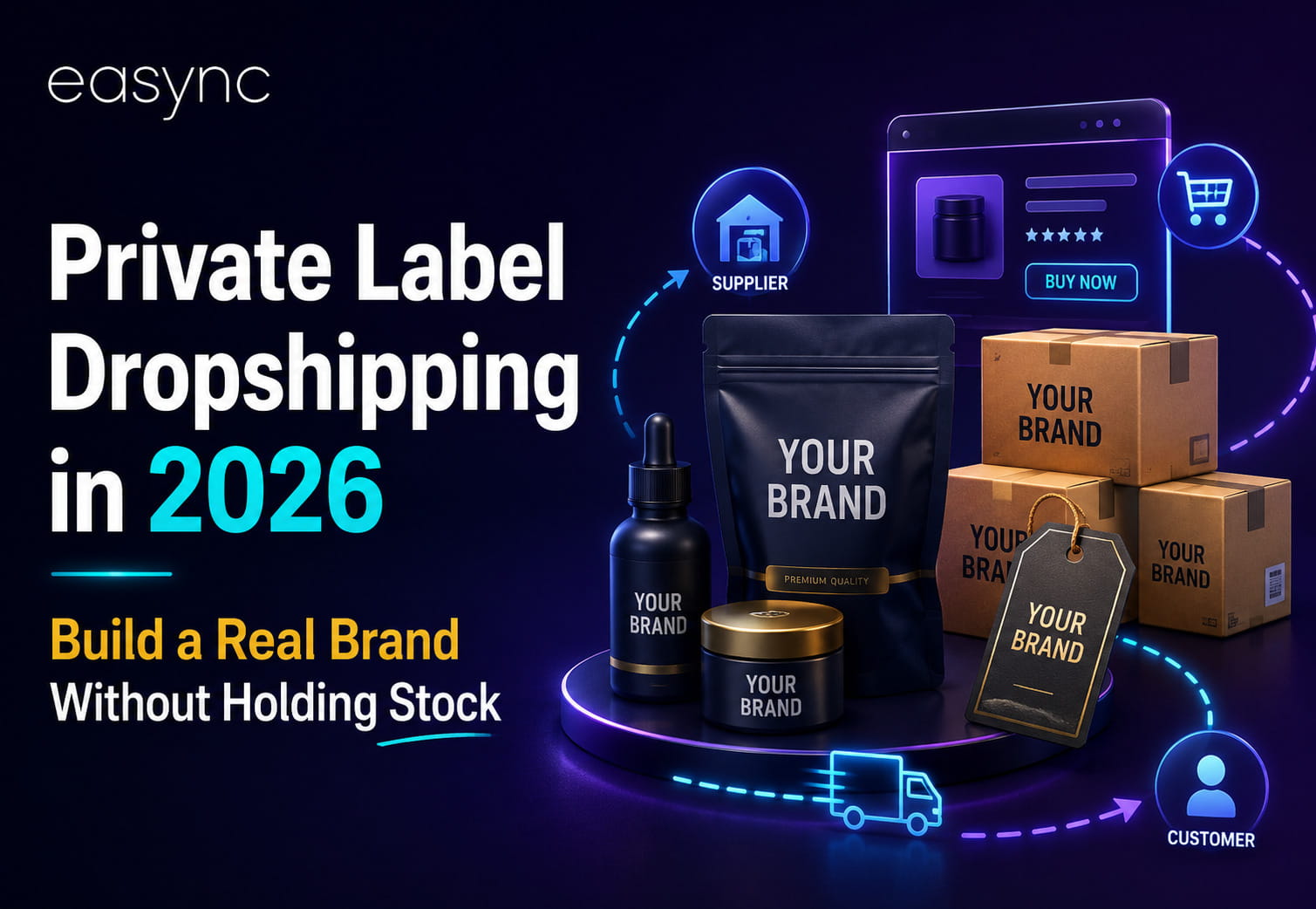
Private label dropshipping has become the go-to model for e-commerce sellers who want to build something more valuable than a commodity-flipping operation. Instead of competing on price with thousands of other stores selling identical products, you create your own branded product line while letting suppliers handle storage, packing, and shipping.
This guide walks you through every stage of launching and scaling a private label dropshipping business in 2026-from validating product ideas and finding the right suppliers to building a recognizable brand that earns repeat purchases.
Key Takeaways
- Private label dropshipping lets you sell branded products under your own name while a dropshipping supplier stores, packs, and ships orders directly to the customer’s address. You control the brand identity, packaging, and pricing without ever touching inventory.
- The main advantage over generic products is significant: stronger brand identity, deeper customer loyalty, and higher profit margins due to less direct price comparison. While standard dropshipping margins often compress to 20-30% due to competition, private label dropshipping allows for profit margins of 40-60%.
- In 2026, this model is viable only with reliable suppliers, solid inventory management, and automation tools like Easync to handle importing, stock updates, auto-ordering, and tracking synchronization.
- This article serves as a practical, step-by-step roadmap for starting and scaling a private label dropshipping business this year-covering product validation, supplier selection, branding, store setup, and ongoing optimization.
What Private Label Dropshipping Actually Means in 2026
Private label dropshipping means selling manufacturer-made items under your own brand while a third party supplier fulfills orders directly to the customer’s address. You don’t stock products in your garage or rent warehouse space-your supplier handles all physical logistics under your brand name.
Here’s the key distinction: private label products are exclusive to your store and cannot be found elsewhere. White label dropshipping means rebranding existing generic products without customization-multiple retailers can sell the same item under different names. Private label involves creating products with unique branding and specifications that differentiate your offerings.
Consider the difference between selling a generic phone charger from AliExpress (anyone can list the same item) versus launching a custom-branded fitness bottle line with your logo, colors, and packaging. The latter builds recognition; the former invites price wars.
This model blends brand control-design, packaging, pricing-with outsourced logistics. Private label dropshipping allows businesses to sell branded products without holding inventory, as suppliers manufacture, store, and ship goods under your brand name.
In the United States, private-label brands now account for about 21% of the total consumer-goods market in volume, valued at approximately $236 billion. After 2020-2025, customers increasingly expected branded products with fast, reliable shipping-pushing sellers toward models that deliver both.
Private label infrastructure is more demanding than listing random products. You need consistent SKUs, custom packaging, and quality control processes that generic dropshipping simply doesn’t require.
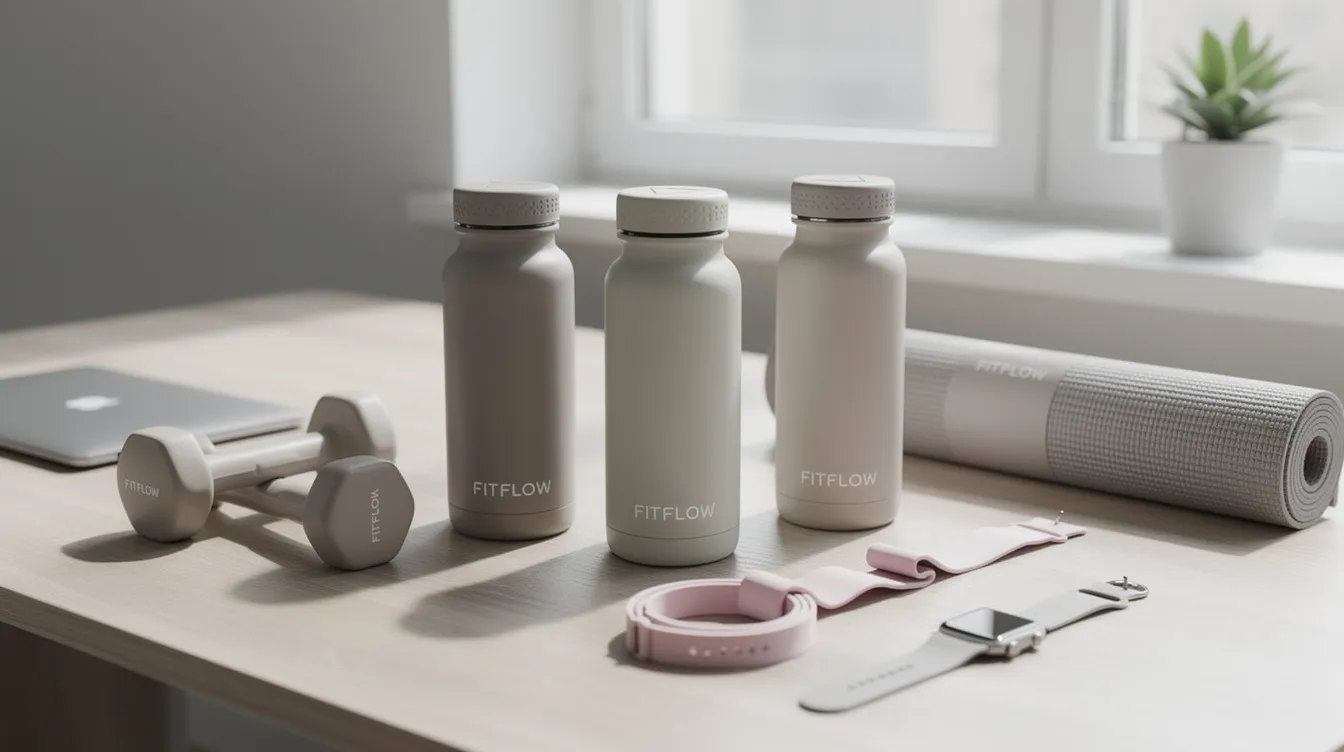
Private Label vs Generic Dropshipping vs Branded Products: Which Model Fits Your Stage?
Before choosing a model, it helps to understand not only how each option works, but when it makes sense to use it. The table below compares generic dropshipping, private label dropshipping, and branded product resale based on your current business stage, main risks, and the operations you should automate first.
| Your current situation | Best-fit model | Why it makes sense | Main risk to watch | What to automate first |
|---|---|---|---|---|
| You are testing a new niche with no sales data | Generic dropshipping | Low upfront cost and fast product testing | Competing on price with identical products | Product importing and stock monitoring |
| You already have winning products with repeat orders | Private label dropshipping | Lets you turn validated demand into a branded product line | Supplier inconsistency or weak quality control | Auto-ordering, tracking sync, and inventory updates |
| You want higher margins and less direct comparison | Private label dropshipping | Branding, packaging, and positioning support premium pricing | Spending too early before demand is proven | Repricing rules and supplier stock alerts |
| You want to sell products customers already recognize | Reselling branded products | Existing brand trust can help conversion | Lower control, wholesale rules, and inventory pressure | Inventory management and order tracking |
| You manage multiple stores or marketplaces | Private label or branded resale | Multi-channel selling can scale faster with better systems | Overselling, delayed fulfillment, inconsistent pricing | Multi-account workflows and tracking synchronization |
| You have a small budget and need speed | Generic dropshipping | Easier to launch and test without packaging costs | Low customer loyalty and weaker brand value | Product import, price updates, and basic order routing |
| You are building a long-term sellable asset | Private label dropshipping | Brand identity, repeat customers, and systems increase business value | Slower setup and more operational responsibility | Full workflow automation from import to fulfillment |
Private label dropshipping is usually the strongest choice once demand is validated. It gives you more control over pricing, packaging, and customer loyalty, while automation helps keep fulfillment, stock updates, and tracking manageable as the brand grows.
How Private Label Dropshipping Works Step by Step
The full workflow moves through distinct phases: research, validation, brand design, supplier partnership, product import, launch, and optimization. Each step builds on the previous one.
First, you conduct market research to identify products with high sales potential before committing to branding. Test demand using generic versions or small advertising campaigns. Once you confirm interest, you move to brand identity creation-name, logo, packaging concepts.
Next, you find a dropshipping supplier who offers private label capability and can apply your own logo and branded packaging to products. You request samples to verify product quality, shipping times, and unboxing experience. Customizing products and packaging involves longer lead times for sourcing and manufacturing, so factor this into your timeline.
After approving samples, you import products to your online store with unique descriptions and photography. When a customer places an order, automation tools push it to your supplier. The supplier packs the item with your branding and ships directly to the customer’s address.
Treat each step as an experiment. It’s recommended to validate products through smaller, non-branded tests before investing in private labeling. Test, measure, refine-then scale what works.
Standard Dropshipping vs Private Label Dropshipping: Key Differences
Both models avoid holding inventory, but the branding, positioning, and economics differ substantially.
Profit margins: Selling generic products usually triggers price wars-competitors list identical items and undercut each other. In contrast to standard dropshipping, where profit margins can compress to 20-30% due to competition, private label dropshipping enables sellers to offer unique products that can command higher prices. You set your own pricing without competing directly with retailers selling identical products.
Creative control: Private label lets you modify colors, materials, packaging, and messaging. Generic dropshipping mostly reuses supplier photos and descriptions, leaving you no way to differentiate visually or emotionally.
Customer loyalty: A cohesive brand identity and repeatable brand story make customers more likely to remember and rebuy from you. Private label dropshipping provides the opportunity to build brand equity, which can lead to repeat purchases and higher customer lifetime value.
Flexibility and scalability: The flexibility of private label dropshipping allows businesses to adjust product offerings based on customer feedback and market trends, which is often more difficult with standard dropshipping. Yes, private label requires more setup-but it creates a defensible asset rather than an endless cycle of chasing trends.
When Private Label Dropshipping Makes Sense (and When It Doesn’t)
Private label is powerful, but it’s not always the right first move for every seller.
It makes sense when:
- You have an existing store with 3-6 months of consistent sales on specific products
- You’ve identified a clear niche with repeat purchases and room for premium positioning
- You can invest in samples, packaging design, and slightly longer lead times
It doesn’t make sense when:
- You have no sales history and haven’t validated any demand
- Your budget is tiny with no room for samples or packaging iterations
- You’re chasing purely price-sensitive commodities like cheap cables, where brand story adds little value
Many sellers start private label dropshipping after testing generic offers first. The approach: run generic versions, find winners, then transition those products into private label once demand is proven.
Consider pet accessories as a concrete example. A generic pet toy competes on price alone. A branded product line with thoughtful packaging, durable materials, and lifestyle imagery builds customer loyalty-pet owners who love the product will return and recommend it. Private label dropshipping can be more sustainable, allowing for long-term growth and expansion despite a slower start.
Building a Strong Brand Identity for Your Private Label
Brand identity is more than a logo-it’s how your store looks, feels, and communicates across every touchpoint.
Start by defining your target audience and positioning before designing visuals. Are you serving eco-conscious millennials? Busy parents looking for convenience? Fitness enthusiasts wanting premium gear? Your positioning shapes everything else.
Establishing a strong brand identity is crucial for a private label dropshipping business, as it helps differentiate your products and build customer loyalty. A well-defined brand identity includes elements such as your business name, logo, and overall visual style, which should remain consistent across all platforms.
Pick a brand name that’s memorable, domain-available, and reflects your niche. Design a logo that scales well across packaging, websites, and social media. Choose a color palette and typography that match the perception you want-premium, playful, minimal, or clinical.
Develop a clear brand story: why the brand exists, what problem it solves, and how it differs from mass-market generic products. This story should echo across your storefront, product pages, packaging, emails, and social content. Consistency builds recognition and trust over time.

Choosing the Right Private Label Products in 2026
Smart product selection determines whether your private label dropshipping business can sustain premium pricing. To start a private label dropshipping business, it’s essential to conduct thorough product research to identify items with high sales potential before committing to branding.
Focus on products that are lightweight, non-fragile, and simple to ship. Popular consumer items well-suited for private label dropshipping include water bottles and smartphone cases, as they are easy to customize and have consistent demand. Other strong categories include:
- Pet supplies: Toys, treats, and accessories reflect growing consumer spending in pet care
- Custom t-shirts and hoodies: High customization potential with consistent market demand
- Eco-friendly products: Organic hats, tote bags, and recycled clothing appeal to sustainability-minded consumers
- Handcrafted and artisanal products: Candles, jewelry, and soap carry unique appeal
Choose products where branding meaningfully changes perceived value-beauty, wellness, home organization, and lifestyle categories work better than pure commodities.
Use concrete market research sources: Amazon and Etsy bestseller lists, TikTok trends, and Google Trends to spot demand and seasonality. Avoid overly complex or heavily regulated items like supplements until you have more experience navigating compliance requirements.
Finding and Vetting a Private Label Dropshipping Supplier
The right dropshipping supplier must support both customization options and reliable fulfillment. One of the main challenges of private label dropshipping is finding suppliers willing to manufacture and brand goods, as they often require a proven sales track record before partnering.
Key criteria when evaluating private label dropshipping suppliers:
- Private label capability with custom packaging and own logo application
- Clear minimum order quantities (MOQs)-private label dropshipping often requires MOQs leading to higher upfront investment
- Transparent production lead times and shipping options to your target market
- Quality guarantees and certifications where applicable
When vetting private label dropshipping suppliers, it’s crucial to research their legitimacy by checking their website, reading genuine reviews, and analyzing search engine results. A reliable supplier should have excellent reviews and be transparent about shipping times, packaging, and return policies.
To ensure quality, always request samples from potential suppliers to evaluate product quality and consistency before making bulk orders. Test the actual unboxing experience-is the packaging consistent with your brand image?
Evaluate communication quality: responsiveness, clarity on fees, and willingness to share certifications or factory photos. Strong long-term relationships with a reliable supplier become an asset. Switching from a weak supplier mid-scale can be expensive and disrupt customer experience.
Notable private label dropshipping suppliers in 2026 include HyperSKU, SelfNamed, Blanka, and Supliful-many offering low MOQs and platform integrations.
Using Automation Tools Like Easync for Private Label Dropshipping
Operating a private label dropshipping store manually becomes error-prone as orders scale. Mistakes like overselling out-of-stock items, price mismatches, or delayed shipments damage brand reputation and erode customer loyalty. This makes automation essential for any serious operation.
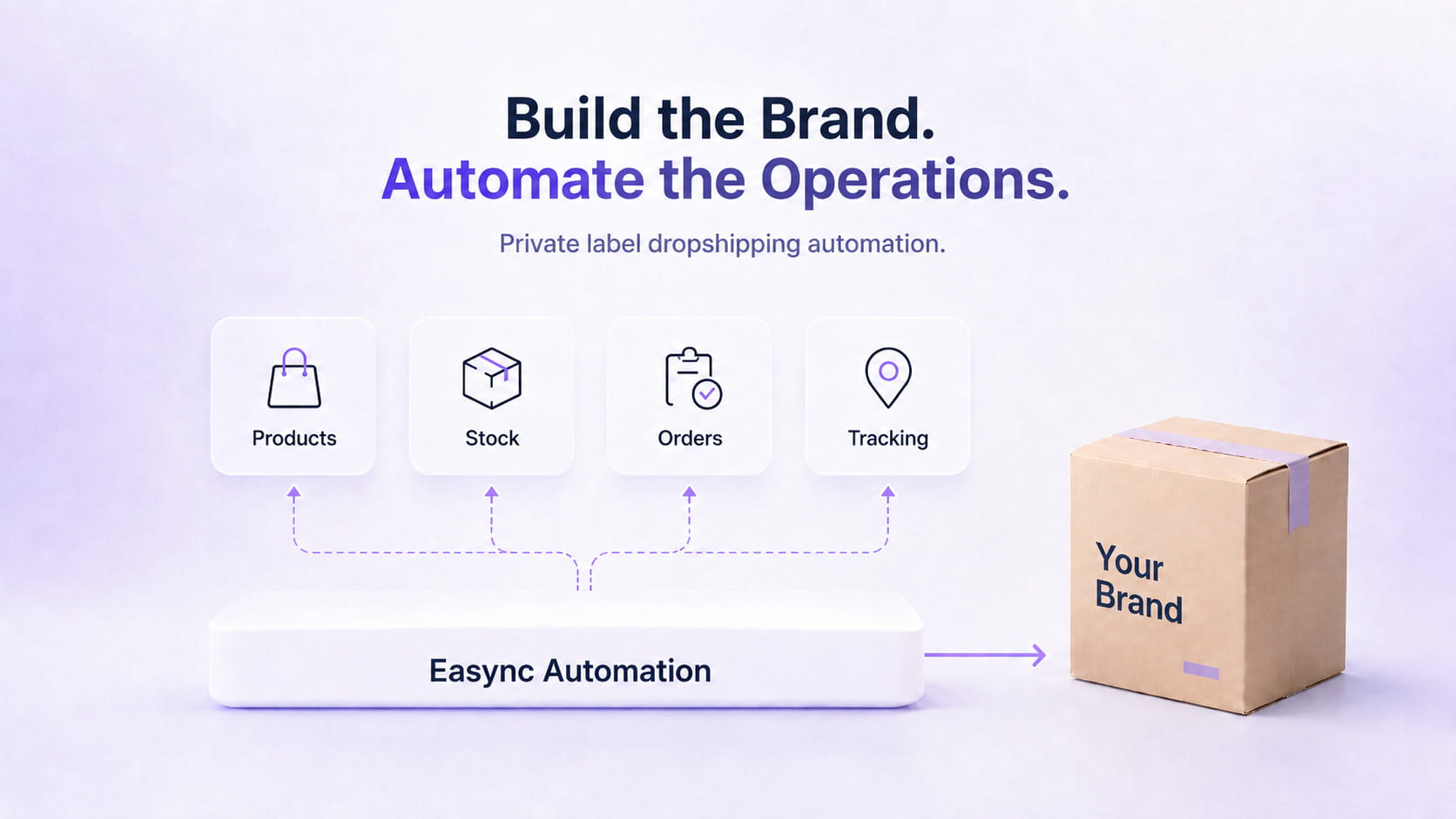
Easync is a dropshipping software particularly useful for private label operations in 2026. The platform supports automated product importing from chosen suppliers, real-time stock and price monitoring, auto-ordering that sends orders to suppliers as soon as customers pay, repricing rules to protect higher profit margins, tracking synchronization from supplier to store, and multi-account workflows for sellers operating across multiple channels.
These features reduce overselling risks, prevent pricing errors, and eliminate late shipment problems. Instead of spending hours on routine admin tasks, you focus on brand building, customer loyalty, and strategic growth. Integrate automation early-ideally when setting up your first branded product line-so operations scale smoothly from day one.
Designing Brand Products, Packaging, and Unboxing Experience
The physical product and its packaging are where your brand story becomes tangible. Branding strategies in private label dropshipping should focus on creating a memorable customer experience through effective product design, packaging, and storytelling.
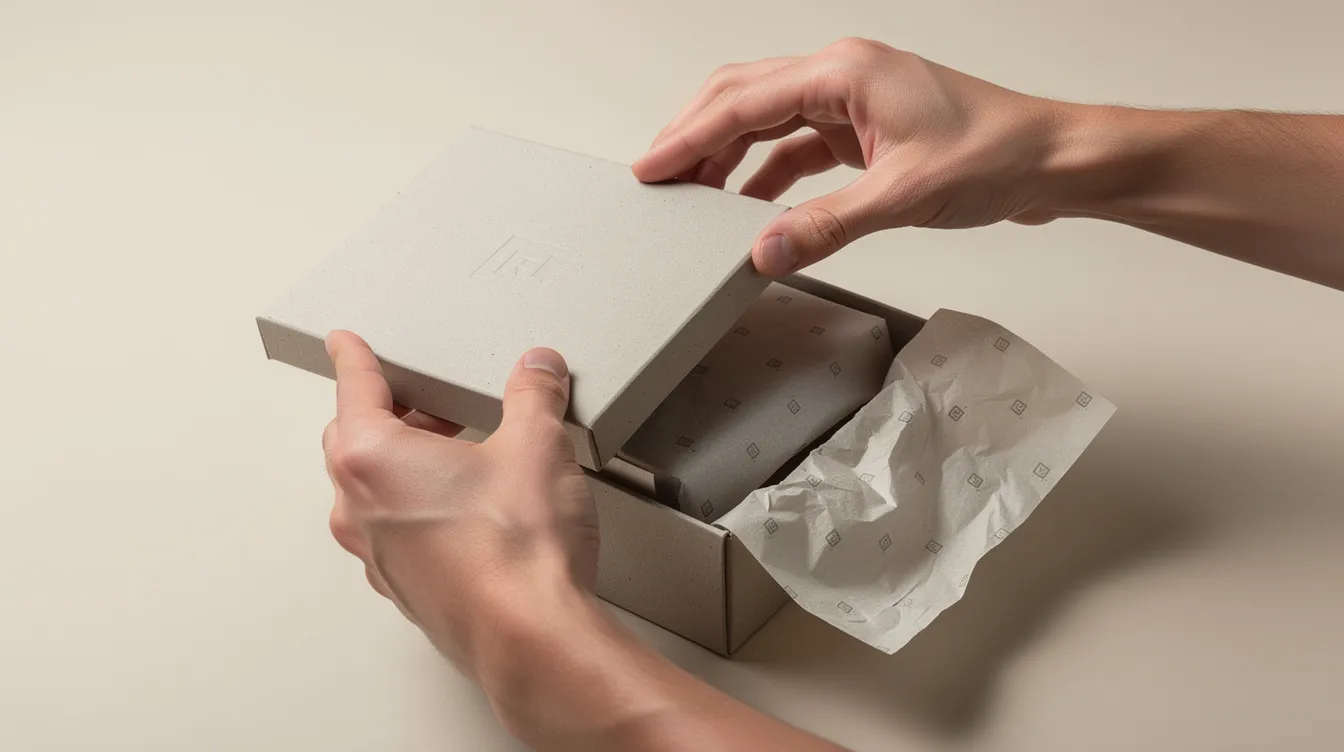
Choose color schemes, materials, and small details-thank-you cards, branded tissue paper, care instruction inserts-that reinforce your brand identity. Even simple packaging upgrades like custom boxes or branded stickers create premium perceived value at low incremental cost.
Design packaging for “shareability.” When customers receive something that looks good on camera, they’re more likely to post unboxing photos or videos. Include prompts encouraging social sharing-a small card saying “Tag us on Instagram” costs almost nothing but generates valuable user content.
Include clear instructions, care guides, and support contacts inside the package. This reduces returns, builds trust, and shows customers you care about their experience beyond the transaction.
Setting Up Your Store and Tech Stack
Modern ecommerce platforms like Shopify and WooCommerce work best for private label dropshipping due to their app ecosystems and integration capabilities. Both support the customization and automation private label sellers need.
Choose or customize a theme that matches your desired brand positioning. Avoid templates that scream “generic dropshipping”-stock imagery, cluttered layouts, and inconsistent styling undermine brand credibility.
Connect your store to inventory management and automation tools including Easync so product data and stock levels stay synchronized. This prevents the embarrassment of selling items your supplier no longer has.
Product page best practices:
- Write unique descriptions-never copy supplier text
- Use professional photography with lifestyle images
- Highlight benefits clearly, not just features
- Include social proof and reviews
Ensure checkout inspires confidence: transparent shipping times, clear returns policy, and secure payment options. Traditional inventory management headaches disappear when automation handles stock synchronization.
Pricing Strategy and Profit Margins for Private Label
Pricing in private label dropshipping must balance costs, perceived value, and competitive benchmarks. Private label dropshipping allows for higher profit margins because businesses can set their own pricing without competing directly with retailers selling the same generic products.
Main cost components:
- Unit cost from supplier
- Packaging upgrades (boxes, inserts, labels)
- Shipping from supplier to customer
- Platform and transaction fees
- Marketing spend per order
Target healthy gross margins-typically 40-60% for well-positioned private label products. Here’s a concrete example:
| Cost Component | Amount |
|---|---|
| Supplier unit cost | $8 |
| Custom packaging | $2 |
| Shipping | $3 |
| Platform/transaction fees | $1 |
| Ad spend per sale | $4 |
| Total cost | $18 |
| Retail price | $38 |
| Gross margin | ~53% |
Use repricing rules via tools like Easync to protect margins when supplier prices change or during promotions. Monitor competitor pricing, but don’t race to the bottom-your differentiated brand justifies premium positioning.
Order Fulfillment, Inventory Management, and Quality Control
The order flow works like this: customer pays on your site, automation tool pushes the order to your supplier, the supplier ships with your branding, and tracking syncs back to your ecommerce store. The customer sees your brand throughout.
Real-time stock monitoring prevents selling out-of-stock items. Inventory rules help avoid backorders and cancellations that damage reviews and customer satisfaction.
Basic quality control practices:
- Initial sample checks before launching any product
- Periodic random checks on ongoing orders
- Monitoring customer reviews for recurring issues
- Clear agreements with suppliers about defect rates
Responsibility for quality issues in private label dropshipping falls entirely on the seller since the product is branded as yours. Even though you don’t physically hold stock, you need agreements about replacements, refunds, and acceptable defect rates.
Smooth, predictable fulfillment sustains customer loyalty and generates positive reviews for your brand products. High quality products delivered consistently build the reputation needed for long-term success.
Marketing Your Private Label Brand and Building Customer Loyalty
Marketing for private label must communicate both product benefits and brand story. To succeed in private label dropshipping, a seller must heavily invest in marketing and branding, rather than relying solely on product selection.
Core channels to consider:
- Social media (Instagram, TikTok, Pinterest) for visual storytelling
- Content marketing (blogs, how-to guides) for organic traffic
- Email flows (welcome series, post-purchase, win-back) for retention
Private label dropshipping provides the opportunity to build customer loyalty and brand recognition, as customers are more likely to remember and return to a brand that offers unique, personalized products.
Encourage user-generated content and reviews through follow-up emails, incentives, or packaging inserts. A simple “Share your unboxing” card can generate valuable social proof.
The loyalty loop:
- First purchase with great product
- Memorable unboxing experience
- Helpful customer support when needed
- Targeted offers driving repeat purchases
- Loyal customers becoming brand advocates
Track performance metrics: repeat purchase rate, average order value, and customer lifetime value. These numbers guide marketing spend and reveal whether your brand-building efforts translate into retained customers.
Common Mistakes in Private Label Dropshipping (and How to Avoid Them)
Many failures stem from rushing branding or skipping due diligence.
Common pitfalls and prevention:
| Mistake | Prevention |
|---|---|
| Launching private label before validating demand | Test with generic versions first; analyze sales data before investing |
| Choosing generic products where brand adds no value | Focus on categories where design, story, and quality matter |
| Underestimating capital needs | Budget for samples, packaging iterations, initial marketing, returns |
| Ignoring quality control | Request samples, establish defect agreements, monitor reviews |
| Working with unreliable suppliers | Vet thoroughly; check reviews, certifications, communication quality |
| Scaling too fast | Start with small MOQs; prove demand before large orders |
The risk of working with random suppliers who can’t support consistent branding leads to mismatched packaging, stockouts, and damaged reputation. Use automation tools, maintain cash buffers, and offer excellent customer service from day one.
Roadmap: From First Idea to a Sellable Brand Asset
The goal of private label dropshipping isn’t just short-term cash flow-it’s building a brand that could be sold or scaled significantly.
High-level roadmap:
- Niche research and target audience definition
- Product validation through small tests
- Brand identity creation (name, logo, story)
- Supplier partnership and sample approval
- Store launch with initial product line
- Optimization based on data and feedback
- Expansion into more SKUs or sales channels
As the brand grows, add complementary product lines, move bestsellers into bulk inventory for better margins, or explore limited custom manufacturing for exclusive products.
Consistent financial tracking, documentation, and systematized operations-including automation with tools like Easync-make the successful brand more attractive to potential buyers.
Patience, iteration, and quality-focused decisions transform a simple store into a long-term, valuable asset. Build something worth owning.
FAQ
These questions cover practical concerns not fully addressed in the main guide. Each answer focuses on specific action steps rather than theory.
How much money do I need to start a private label dropshipping business in 2026?
Realistic startup costs range from $500-$2,000 for minimal branding with low-MOQ suppliers up to $3,000-$10,000+ for premium positioning with custom packaging and larger production runs. Main cost categories include: product samples ($50-$200), initial reserved stock or MOQ payments ($200-$2,000), store platform fees ($30-$100/month), design work ($100-$500), and early marketing spend ($200-$1,000). Start lean, validate, then reinvest profits into better packaging and larger orders.
How long does it take to launch and get first sales?
Product research and supplier vetting typically take 2-4 weeks. Sample ordering and brand identity finalization add another 2-6 weeks depending on shipping and design iterations. With focused marketing, some stores see first sales within 30-60 days after launch. However, consistent sales and repeat customers usually develop over 3-6 months of optimization. Rushing the early stages often creates problems that slow you down later.
Can I sell private label dropshipping products on multiple channels at the same time?
Yes-sellers can list the same branded product line on Shopify, Amazon, eBay, Etsy, and other marketplaces. However, you must coordinate stock levels and pricing across channels. Without automation tools syncing inventory, you risk overselling items or creating inconsistent customer experiences. Multi-channel selling amplifies reach but requires operational discipline.
How are returns and refunds handled if I don’t touch the inventory?
Return policies should be agreed with your supplier before launching, then clearly stated on your store. In many setups, customers ship returns to the supplier’s warehouse. You coordinate replacements or refunds while tracking conditions and any restocking fees. The key is transparency: customers should know the process before purchasing, and your supplier agreement should specify who covers return shipping and defective item costs.
Is private label dropshipping suitable for complete beginners?
Beginners can succeed but face a steeper learning curve than generic dropshipping. Total newcomers should either start with small-scale generic dropshipping to learn basics-product listing, ads, customer service-or begin with one simple, low-risk private label product rather than launching an entire diverse range. Rely heavily on automation tools, clear supplier agreements, and thorough sample testing. The extra preparation pays off in fewer costly mistakes.

Noah Edis is a freelance writer and systems engineer with a wealth of experience in modern hardware and software. When he’s not working on his latest project, you can find him playing competitive dodgeball or pursuing his personal interest in programming. At Easync, Noah helps thousands of sellers optimize their eBay and Amazon businesses by providing automation tools and practical guidance on account health, pricing, and inventory management.