Shopify Target Launch, Faster Repricing Cycles, and Stronger Store Flexibility
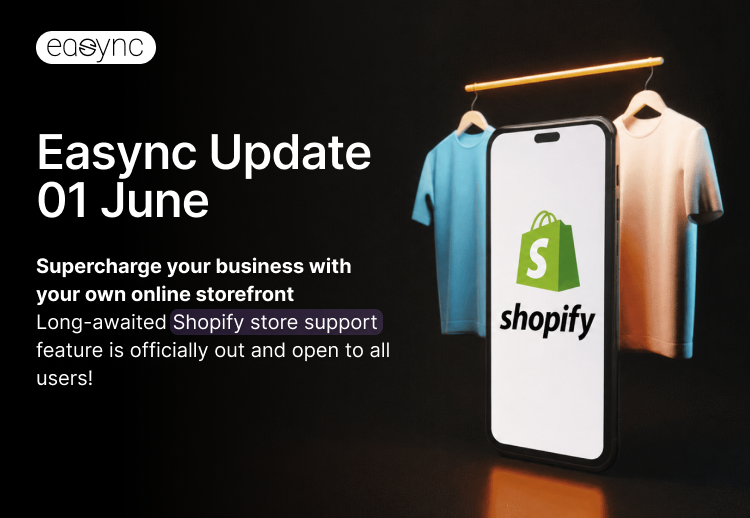
This update marks an important milestone for multi-channel selling with the official release of Shopify Target integration to production.
Alongside the Shopify rollout, the platform introduces improvements to store-level automation flexibility, stock visibility, and repricing frequency, while also strengthening order placement reliability and listing synchronization.
Key Takeaways
This release expands marketplace connectivity while improving automation responsiveness and operational visibility.
Main highlights include:
- Shopify Target integration released to production, enabling live Shopify store connection and management
- Different ordering methods per store, increasing workflow flexibility
- Out-of-stock product card added, improving stock visibility
- Alerts for paid category publishing, helping avoid unexpected marketplace fees
- Faster repricing intervals, improving competitiveness and synchronization speed
- Expanded coupon handling before checkout, improving order reliability
- Fixes for eBay listing synchronization, ensuring more accurate listing states
These improvements strengthen both multi-channel selling capabilities and the reliability of core automation systems.
Shopify Target Integration Now Live
One of the biggest updates in this release is the official launch of Shopify Target integration into production.
Users can now connect and manage live Shopify stores directly through the platform.
This enables sellers to:
- expand operations beyond marketplace-only workflows
- manage Shopify stores alongside other channels
- centralize automation and synchronization workflows
The production release represents a major step toward deeper multi-channel e-commerce support.
More Flexible Ordering Methods Per Store
The platform now supports different ordering methods for each individual store.
This improvement allows sellers to configure automation behavior more precisely depending on operational needs.
Benefits include:
- more customized fulfillment workflows
- better flexibility for multi-store setups
- easier management of different supplier strategies
This enhancement strengthens the adaptability of the platform’s Auto Ordering system for larger operations.
Better Stock Visibility with Out-of-Stock Product Cards
An out-of-stock product card has been added to improve inventory visibility.
This makes it easier to identify products that are no longer available and react more quickly to stock changes.
The feature helps sellers:
- detect unavailable products faster
- reduce outdated listings
- improve inventory monitoring workflows
Better stock visibility contributes directly to more accurate listing management and fewer fulfillment issues.
Alerts for Paid Category Publishing
Publishing into certain marketplace categories can sometimes trigger additional fees.
To improve transparency, the platform now displays alerts when publishing into paid categories.
This helps sellers:
- avoid unexpected marketplace charges
- make more informed publishing decisions
- better manage listing-related costs
Dashboard Analytics for AliExpress Messages
A new AliExpress messages chart has been added to the dashboard.
This improves visibility into communication activity and provides additional operational analytics.
Users can now monitor messaging trends more easily, helping improve oversight of supplier communication workflows.
Improved Auto Ordering Compatibility
The platform now supports Apex UI selectors for Auto Ordering.
This improves compatibility with updated supplier interfaces and helps maintain stable automation behavior even when supplier-side UI structures change.
For users, this means:
- more reliable order placement
- fewer interruptions caused by supplier interface updates
- improved automation continuity
Faster Repricing for More Competitive Listings
Important improvements have been made to repricing frequency.
The platform has:
- reduced the lower repricing interval for regular listings from 2 hours to 1 hour
- reduced the upper repricing interval from 16 hours to 8 hours
These changes significantly increase pricing update frequency.
Benefits include:
- faster reaction to supplier price changes
- improved pricing competitiveness
- better synchronization accuracy
Since repricing is one of the platform’s core automation systems, increasing update frequency directly improves marketplace responsiveness.
Improved Checkout Reliability with Expanded Coupon Handling
Coupon handling before checkout has also been expanded.
This improvement increases the reliability of order placement workflows by ensuring discounts and coupon logic are processed more consistently before completing purchases.
As a result:
- checkout failures are reduced
- order processing becomes smoother
- automation reliability improves during fulfillment
Stronger Listing Synchronization with eBay
A fix has been deployed for an issue where listings removed from eBay were not properly deactivated within the platform.
With the fix in place:
- listing synchronization is more accurate
- outdated listings are handled correctly
- platform and marketplace states remain aligned
This helps reduce inconsistencies and improves listing management reliability.
Additional UI Improvements
The double scrollbar issue on billing pages has also been resolved, improving usability and creating a cleaner interface experience.
Expanding Multi-Channel Selling While Strengthening Core Automation
This update reflects two major priorities:
- expanding support for multi-channel selling through Shopify
- strengthening the speed and reliability of core automation systems
Key improvements include:
- Shopify Target production launch
- more flexible store-level automation
- faster repricing cycles
- improved checkout handling
- stronger listing synchronization
For sellers, this translates into:
- easier multi-channel expansion
- more competitive pricing updates
- smoother automation workflows
- better operational visibility
- more reliable listing management
As the platform continues evolving, updates like these help create a more scalable and dependable automation ecosystem for growing e-commerce businesses.