Key Takeaways
- Coffee dropshipping lets you sell roasted beans and gear online without holding inventory, roasting equipment, or a warehouse—your supplier handles fulfillment while you focus on marketing and sales.
- Typical retail pricing for a 12oz bag in the US ranges around $11–$20, leaving room for approximately 40–60% gross margins when sourced through the right coffee dropshipping supplier.
- With a ready Shopify, WooCommerce, or similar store, most entrepreneurs can connect to a supplier and start selling within 7–14 days.
- Automation tools like Easync can fully automate importing products, stock and price monitoring, auto-ordering, repricing, and tracking sync so the business runs mostly hands-off.
- Choosing the right supplier (fresh roast, private label options, flexible MOQs) and having a clear brand niche are the main success drivers in this competitive coffee market.
What Is Coffee Dropshipping?
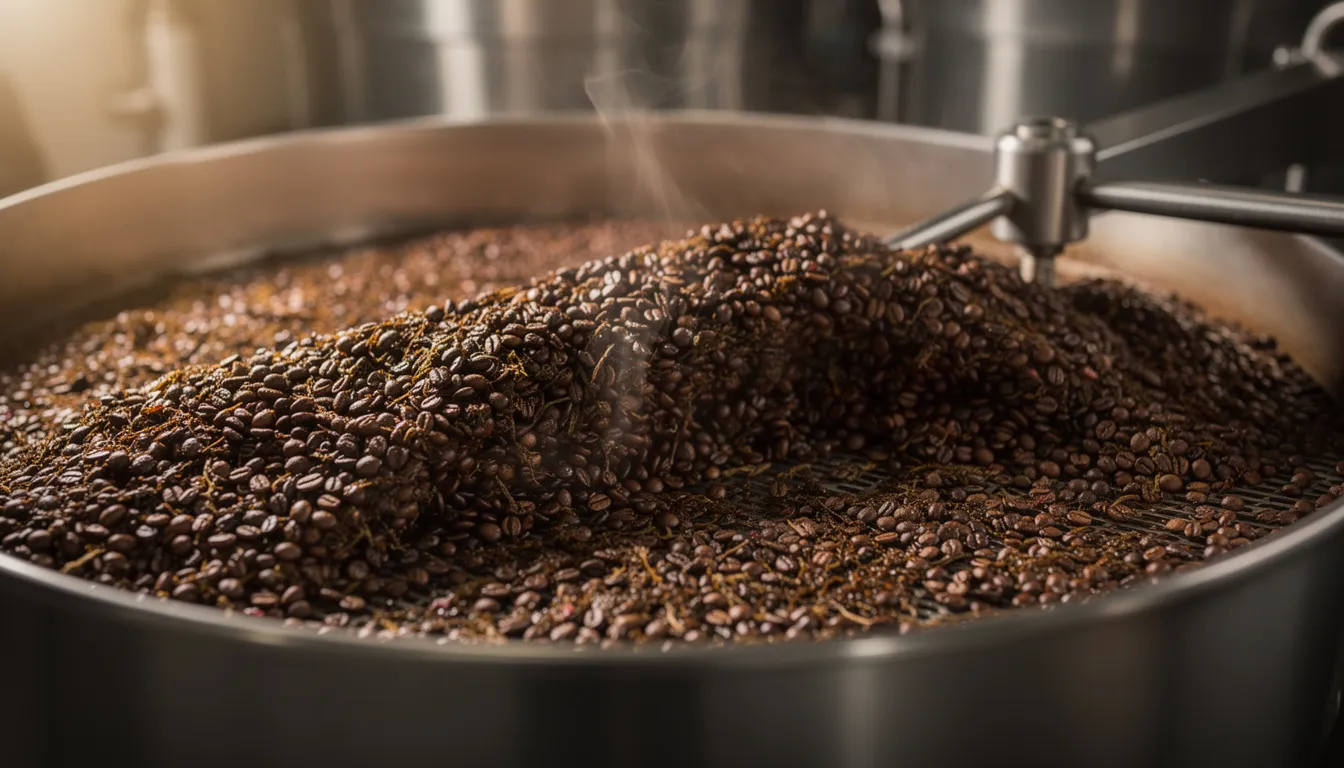
Coffee dropshipping is a retail fulfillment method where you sell coffee online beans, grounds, pods, and accessories while a third-party roaster handles packing and shipping orders directly to your customers. You never touch the physical inventory. Instead, you focus on running your online store, handling marketing, and providing excellent customer service.
The key difference between generic coffee reselling and private label coffee dropshipping lies in branding. With white label arrangements, you sell a supplier’s coffee under their generic packaging. With private label, the bags carry your own logo, product names, and custom labels turning commodity coffee into your own coffee brand.
This model works globally. US-based brands commonly sell single origin beans to American coffee enthusiasts, while EU-based stores ship freshly roasted blends across the Eurozone. The beauty is flexibility: you can build a specialty coffee brand without ever roasting a bean yourself.
Common coffee dropshipping scenarios include:
- A specialty brand focusing on Ethiopian and Colombian single-origin microlots
- A flavored coffee brand offering vanilla, hazelnut, and seasonal pumpkin spice varieties
- A subscription box company delivering curated blends monthly to busy professionals
How Coffee Dropshipping Works Step by Step
Most successful brands follow similar stages: choose a niche, pick a supplier, set up your store, connect automation, then market consistently. The process is straightforward once you understand the technical flow.
Step 1: Define Your Target Market
Before selecting coffee products, identify who you’re selling to. Are you targeting busy office workers who need quick caffeine? Home baristas obsessed with pour-over perfection? Gym-goers looking for high-caffeine functional blends? Your target market shapes everything from product selection to packaging design.
Step 2: Choose Your Coffee Products
Based on your audience, select your core lineup. This might include 3-5 whole bean or ground blends covering different roast levels, origins, or flavor profiles. Many successful stores start narrow perhaps just three signature blends and expand based on customer demand.
Step 3: Partner With a Coffee Dropshipping Supplier
Research roasters offering wholesale pricing for dropshippers. Evaluate their roast-to-ship timeline, label customization options, minimum order requirements, and shipping speed. Request samples before committing.
Step 4: Set Up Your Online Store
Build your store on Shopify, WooCommerce, or a similar platform. Create product pages with compelling descriptions, tasting notes, and brewing recommendations. Connect your payment gateway and shipping settings.
Step 5: Connect Automation Tools
Link your store to your supplier’s system either through native integrations or automation platforms. This ensures customer orders flow automatically to the roaster without manual entry.
Step 6: Launch and Market
Go live and begin driving traffic through social media, email marketing, and content. The real work begins here: consistently promoting your coffee brand and refining your approach based on sales data.
Typical timeline breakdown:
| Stage | Timeframe |
|---|---|
| Supplier onboarding | 7–14 days |
| Label design and printing | 3–5 days |
| Store setup | 3–7 days |
| Order fulfillment (per order) | 2–4 business days |
The technical flow works like this: a customer places an order on your Shopify store. The order is automatically pushed to your roaster. The coffee is roasted fresh, packed with your custom labels, and shipped. Tracking information syncs back to your store, and customers receive their delicious coffee without you touching a single coffee bag.
Costs, Pricing, and Profit Margins
Understanding the numbers is essential before you start selling. Coffee dropshipping offers attractive margins compared to many other product categories, but you need realistic expectations.
Wholesale Coffee Costs
Many US private-label roasters price a standard 12oz (340g) bag of specialty coffee around $9–$12 wholesale. Commodity blends may run lower ($7–$9), while premium single-origin or organic options can push higher ($12–$15). Your cost per bag depends heavily on roast quality, origin, and whether you’re ordering samples or have negotiated volume discounts.
Retail Pricing Strategy
Most dropshippers price retail at roughly 2x wholesale to target 50% gross margin before advertising and platform fees. For example:
- Wholesale cost: $11 per 12oz bag
- Retail price: $22
- Gross margin: $11 (50%)
After payment processing fees (2.9% + $0.30 typical), platform fees, and shipping (often $4–$6 if not built into pricing), your net margin per bag might land around $5–$8. That’s why increasing average order value through bundles and subscriptions becomes critical.
Recurring Costs to Expect
| Expense | Typical Monthly Cost |
|---|---|
| Domain and hosting | $15–$30 |
| Ecommerce platform (Shopify Basic) | $39 |
| Email marketing tool | $0–$50 |
| Design tools (Canva Pro, etc.) | $15 |
| Payment gateway fees | 2.9% + $0.30 per transaction |
One-Time Startup Costs
- Logo and label design: $50–$300 (DIY to professional)
- Sample orders from 2–3 roasters: $50–$100
- Initial product photography: $0–$200
- Roaster label template setup: Often free or $25–$50
The cost effective nature of dropshipping coffee means you can launch without purchasing bulk inventory upfront. Unlike traditional coffee roasters who need $20,000+ in equipment, you can start a coffee dropshipping business with a few hundred dollars and scale spending as revenue grows.
Coffee Dropshipping Business Models and Niches
Picking a clear niche makes your brand easier to market and differentiate from generic coffee stores. The coffee industry is massive—over $100 billion annually so standing out requires focus.
Popular niches to consider:
- Single-origin microlots: Ethiopian Yirgacheffe, Colombian Huila, beans from South America. Appeal to specialty coffee enthusiasts who care about terroir and processing methods.
- Flavored coffee blends: Vanilla, hazelnut, caramel, and seasonal favorites like pumpkin spice. Target casual drinkers who prioritize taste over origin stories.
- Organic and fair-trade: Certified sustainable beans for environmentally conscious consumers willing to pay premium prices.
- High-caffeine and functional: Nootropic-infused or extra-strong blends for productivity seekers. These can retail for $30+ per bag.
- Decaf specialty: Modern Swiss Water decaf methods have improved dramatically. Target the underserved market of people who love quality coffee but avoid caffeine.
- Office and B2B subscriptions: Bulk shipments to one address for small businesses, reducing per-unit shipping by 20–30% versus direct-to-consumer orders.
B2C vs B2B approaches:
| Model | Pros | Cons |
|---|---|---|
| B2C (direct to consumer) | Higher per-bag margins, brand building | Higher shipping costs per order, more marketing needed |
| B2B (offices, cafes, resellers) | Larger orders, predictable volume | Lower margins, longer sales cycles |
Choose your niche based on audience motivation rather than just roast style. A brand targeting “busy remote workers who need afternoon focus” has clearer messaging than “medium roast lovers.”
Choosing the Right Coffee Dropshipping Supplier
Your supplier defines your product quality, shipping speed, and ultimately your customer reviews and repeat purchase rate. This decision deserves serious research.
Evaluation Criteria
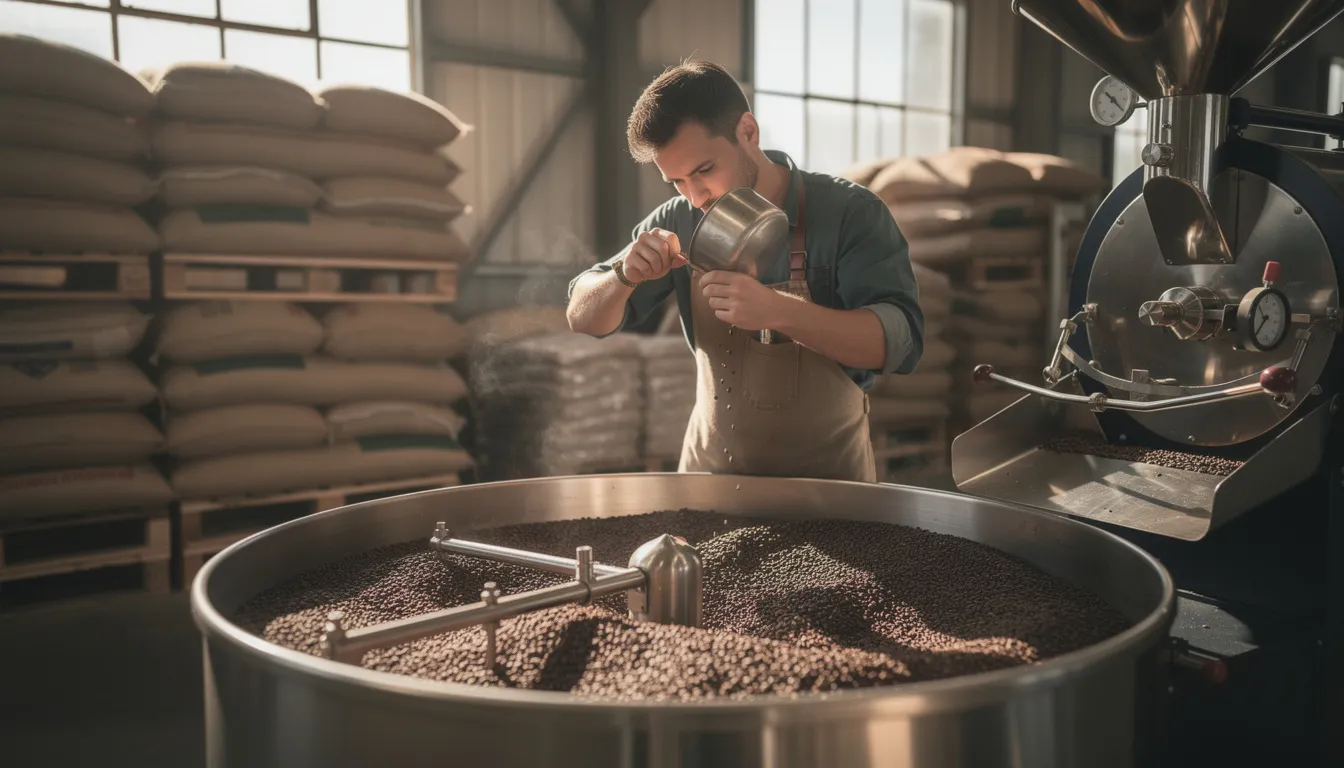
Freshness and roast dates: Ask about their roast-to-ship timeline. The best suppliers use just-in-time roasting grinding and packaging only after order receipt. Coffee stays fresh for 2-4 weeks post-roast, so super fresh beans matter for quality coffee delivery.
Origin transparency: Can they tell you exactly where beans come from? Chicago coffee roasters, Temecula coffee roasters, and other regional suppliers should provide clear sourcing information.
Roast levels and grind options: Look for suppliers offering light, medium, and dark roasts plus multiple grind options (whole bean, drip, espresso, French press). This flexibility lets you serve different customer preferences.
Label customization: Do they support demand labels printed per order, or do you need to supply your own custom labels? What’s the setup process and cost?
Sample availability: Never partner without tasting first. Order samples of their core coffee options before committing.
Operational Essentials Checklist
- ✓ No or low minimum order quantities (some require no minimum order at all)
- ✓ Clear per-bag wholesale pricing including label costs
- ✓ US or EU roasting facilities depending on your target market
- ✓ 2–5 business day shipping within your primary market
- ✓ Automated ecommerce integrations (not just manual CSV uploads)
- ✓ Blind shipping with your company name, not theirs
- ✓ Responsive communication when issues arise
Questions to ask before signing up:
- What’s your average time from order receipt to shipment?
- Do you support fully blind shipping with custom packing slip options?
- What ecommerce platforms do you integrate with?
- What happens if a product is out of stock do you notify automatically?
- Can you handle volume spikes during holidays?
Private Label, Branding, and Customization Options
Private labeling transforms generic roasted coffee into a unique brand. This is where you build actual business value customers buy your coffee, not just some coffee.
Typical Customizations Available
Most coffee roasters offering private label options let you customize:
- Product names: “Midnight Espresso 2026 Edition” or “Sunday Morning Blend” instead of generic descriptors
- Label design: Your logo, color schemes, typography, and brand story
- Tasting notes: Custom descriptions highlighting flavor profiles you want to emphasize
- Bag sizes: 6oz samples, 12oz retail bags, 2lb bulk bags, or 5lb wholesale options
- Origin stories: Your narrative about the farmers, regions, or roasting philosophy
Label Production Options
| Approach | How It Works | Best For |
|---|---|---|
| Supplier print-on-demand | Roaster prints your design on each bag | Most dropshippers, lowest complexity |
| Pre-printed labels you supply | You order labels from a printer, ship to roaster | Higher volume, specific material needs |
| Hybrid approach | Designer creates artwork, roaster prints | Custom control without logistics hassle |
Packaging Styles for 2025–2026
The coffee packaging market has evolved. Options commonly available include:
- Matte black or kraft paper bags for premium aesthetics
- Compostable and recyclable materials for eco-conscious branding
- Resealable zippers for customer convenience
- One-way degassing valves that preserve freshness by releasing CO2 without letting air in
Example brand themes and their visual approaches:
- Minimalist specialty brand: Clean white or black bags, simple typography, focus on origin details
- Colorful flavored line: Vibrant labels, playful fonts, flavor imagery
- Eco-focused organic brand: Kraft paper, green accents, certifications prominently displayed
Your label coffee design communicates brand values instantly. Invest time here it’s often the first physical touchpoint with customers.
Automation and Why Easync Matters for Coffee Dropshipping
Once orders start coming in, automation becomes crucial for avoiding stock errors, late shipments, and time-consuming manual tasks. Running a coffee business manually copying orders from your store to your supplier, checking inventory daily, updating prices when costs change quickly becomes unsustainable as volume grows.
For coffee dropshipping, it would be useful to use Easync automation, which supports several features essential to smooth operations. Easync handles automated product importing, allowing you to sync your supplier’s catalog into your Shopify or WooCommerce store quickly rather than manually creating each product listing. Real-time stock and price monitoring ensures that if a specific single-origin or seasonal flavor runs out at the roaster, your store updates automatically preventing overselling that leads to refunds and angry customers.
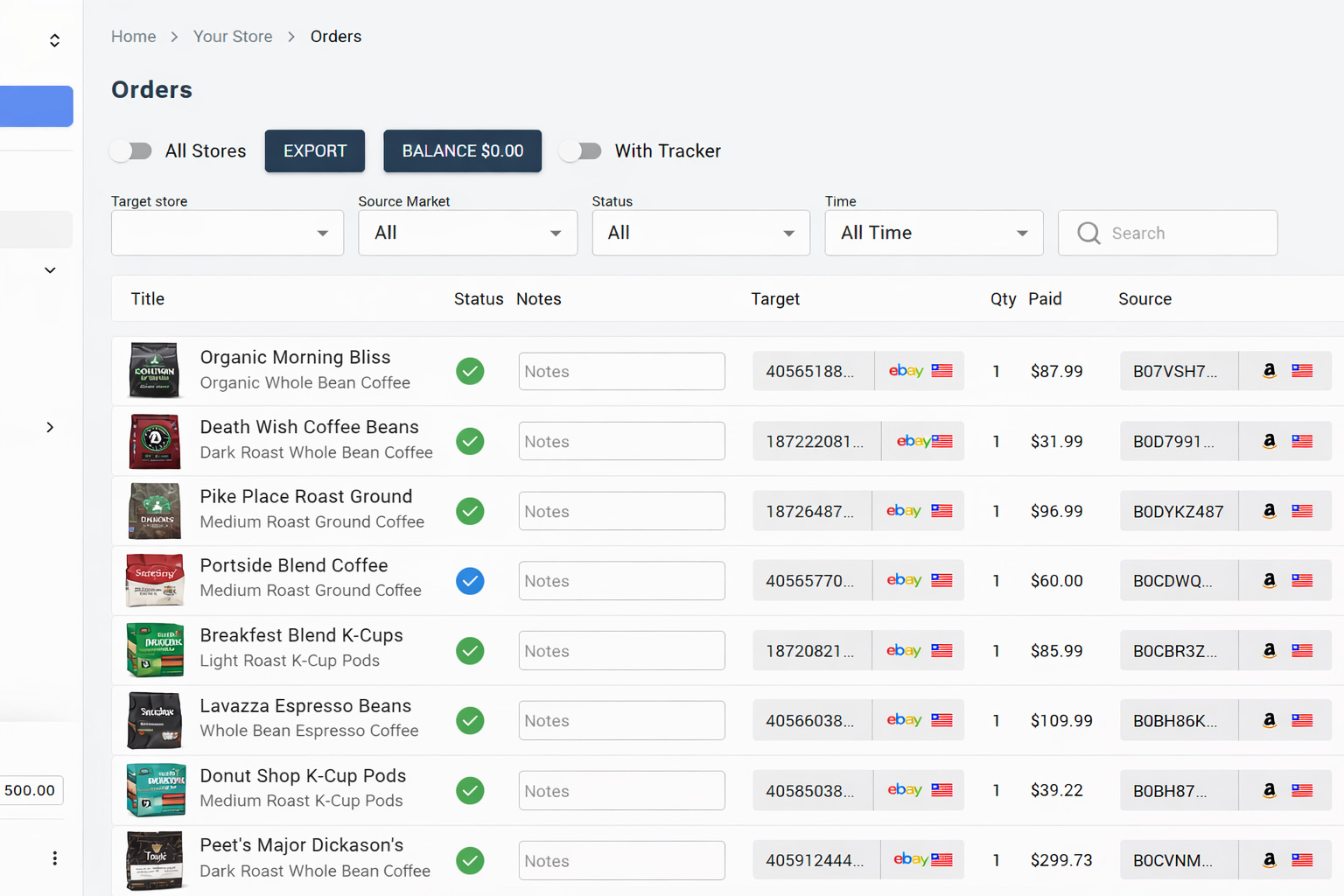
Auto-ordering eliminates the manual step of placing supplier orders; when a customer buys a 12oz bag, Easync automatically places the order with your roaster. Repricing rules let you dynamically adjust your store prices based on supplier cost changes, target profit percentage, or competitor pricing trends. Tracking synchronization means tracking numbers flow back to your store and to customers without manual input, maintaining clear communication throughout order fulfillment. Finally, multi-account workflows allow you to manage multiple brands, suppliers, or sales channels from one automation setup essential if you’re testing different coffee blends from different roasters or selling across multiple platforms.
These features directly address daily pain points. During a Black Friday sale, you might process 50+ orders in a day. Without automation, that means 50+ manual entries, constant inventory checking, and endless tracking updates. With Easync, the system handles fulfillment while you focus on marketing and customer experience.
Setting Up Your Online Coffee Store
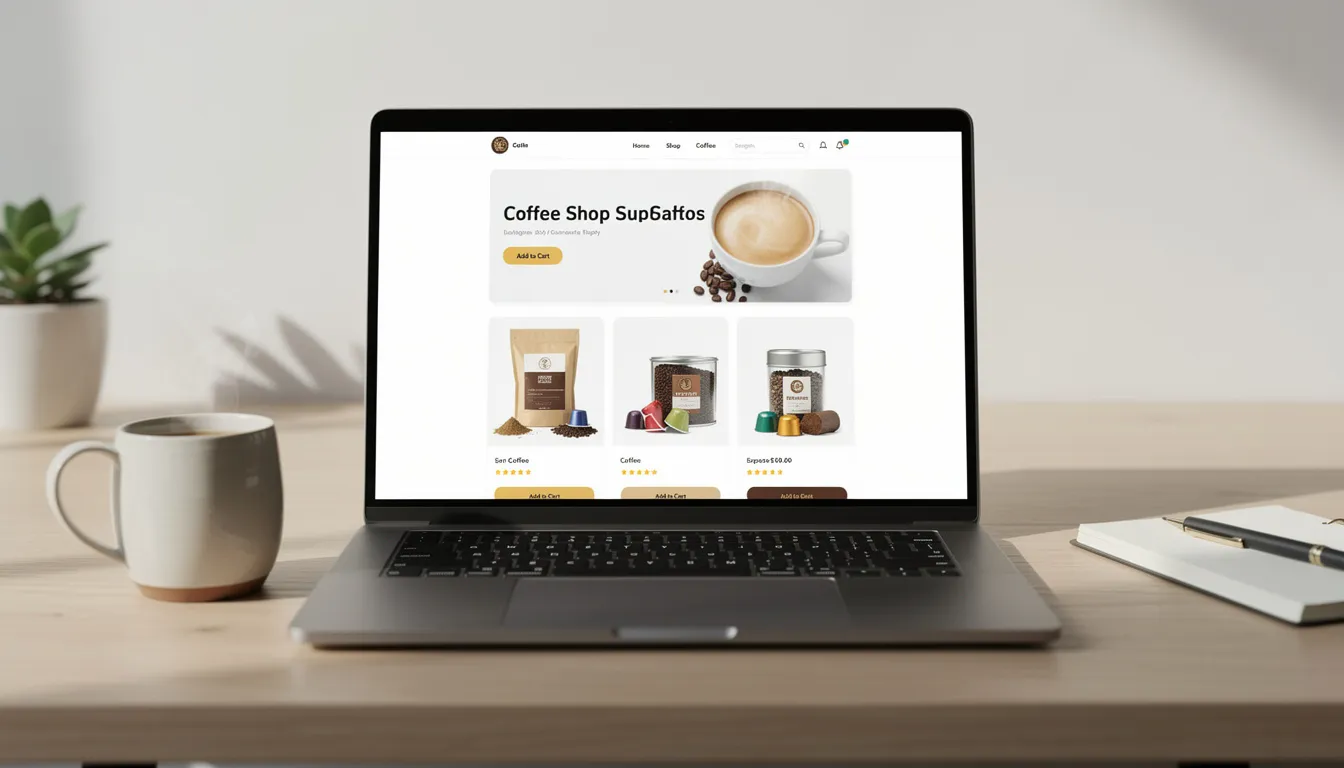
You can launch your coffee dropshipping business on major ecommerce platforms like Shopify, WooCommerce, Wix, Squarespace, or BigCommerce. Your choice depends on budget and technical comfort.
Platform Selection
For non-technical founders in 2025–2026, Shopify remains the most straightforward option. It handles hosting, security, and payment processing out of the box. WooCommerce offers more customization but requires WordPress knowledge. Wix and Squarespace work for simpler stores but may lack advanced integrations.
Ensure your chosen platform supports:
- Multiple payment gateways (Stripe, PayPal, Shop Pay)
- Shipping calculation apps
- Subscription functionality for recurring orders
- Automation integrations (including tools like Easync)
Essential Store Pages
| Page | Purpose |
|---|---|
| Homepage | Brand story, hero products, trust signals |
| Product pages | Detailed descriptions, tasting notes, brewing tips |
| About page | Your story, values, why you started |
| FAQ | Shipping times, return policy, brewing guides |
| Contact | Easy way to reach you |
| Policies | Shipping, returns, privacy (legally required) |
Product Page Best Practices
Your product pages need to sell. Include:
- High-quality images (many roasters provide these; supplement with your own lifestyle shots)
- Clear variant options: whole bean vs ground, bag sizes
- Roast level and origin information
- Flavor notes and brewing recommendations
- Subscription options and bundle deals to increase average order value
Don’t forget mobile-friendly design most coffee shoppers browse on phones. Keep navigation simple, checkout fast, and load times minimal.
Coffee Products You Can Dropship
Beyond standard 12oz bags, offering a curated product range increases revenue per customer and appeals to different brewing habits. Diversification also protects against single-product dependency.
Core Coffee Categories
- Whole bean and ground blends: Your foundation. Offer at least 3-5 varieties covering different roast levels.
- Single-origin offerings: Coffee beans from Ethiopia, Colombia, Brazil, and other renowned regions. Single origin beans appeal to enthusiasts willing to pay more.
- Decaf options: Modern decaffeination methods like Swiss Water produce excellent quality. Don’t ignore this market.
Flavored and Seasonal Options
- Year-round flavors: Vanilla, hazelnut, caramel, chocolate consistent sellers for customers who want dessert in a cup
- Seasonal releases: Pumpkin spice in fall, peppermint mocha for winter holidays, floral blends for spring. Limited editions create urgency.
Single-Serve and Convenience Formats
- K-Cup compatible pods: Popular for office settings and convenience seekers
- Coffee bags: Similar to tea bags, perfect for travel or minimal-equipment brewing
- Cold brew blends: Coarse-ground coffee designed for immersion methods
Complementary Products and Accessories
Expanding beyond coffee cups worth of beans increases order value:
- Branded mugs and tumblers
- Manual grinders for whole bean customers
- Pour-over kits and filters
- French presses and Aeropress accessories
- Gift bundles combining coffee with brewing tools
A “complete coffee experience” catalog gives customers reasons to buy more per order and return for accessories they forgot.
Marketing Your Coffee Dropshipping Brand
Strong branding and consistent marketing matter more than having the widest product list. The coffee market is competitive, with consumers having endless options. Your story and content strategy differentiate you.
Build Your Brand Story
Answer these questions clearly:
- Why did you start this coffee business?
- What type of coffee drinker do you serve?
- What makes your beans different?
Maybe you focus on freshness roasted within 24 hours of shipping. Perhaps you highlight farmer relationships and ethical sourcing. Or maybe you’re building a flavor adventure brand that releases experimental blends monthly. Whatever your angle, make it specific and authentic.
Priority Marketing Channels
| Channel | Best For | Content Types |
|---|---|---|
| Visual storytelling, lifestyle content | Brewing videos, product photos, customer features | |
| TikTok | Reaching younger audiences, viral potential | Quick brewing tutorials, behind-the-scenes |
| Email marketing | Retention, announcements, sales | New roast alerts, exclusive discounts, brew tips |
| SEO/Blog | Long-term traffic, authority building | Brewing guides, origin stories, coffee education |
Concrete Marketing Tactics
- Sampling programs: Offer small 6oz testers at lower prices to convert skeptical first-timers
- Limited-edition releases: Create urgency with seasonal or single-batch roasts
- Loyalty programs: Reward repeat buyers with points toward free coffee
- Referral discounts: Give existing subscribers incentives to spread the word
- User-generated content: Feature customer photos and reviews prominently
- Brew tutorials: Show your coffee in action with different methods
- “Behind the roast” content: Tell stories about origins, farmers, roasting process
Email marketing deserves special attention. Industry data shows email can generate $79 return per $1 spent when done well, with 30-40% retention lifts through consistent communication.
Operations, Shipping, and Customer Experience
Fast shipping and clear communication turn one-off buyers into subscribers. When someone orders coffee, they want it quickly—they’re running low, and caffeine-dependent customers notice delays.
Set Shipping Expectations Clearly
Typical shipping times in major markets:
| Region | Timeframe |
|---|---|
| Domestic US | 2–4 business days |
| Within EU | 3–7 business days |
| International (varies) | 7–21 business days |
Display these timeframes prominently on product pages and at checkout. Nothing frustrates customers more than unexpected delays.
Shipping Policy Options
- Free shipping thresholds: “Free shipping on orders over $40” encourages larger purchases
- Flat-rate shipping: Simple to understand, easy to calculate margins
- Real-time carrier rates: Most accurate but can surprise customers with high costs
- International policies: Be clear about which countries you ship to and any additional customs considerations
Branded Experience Through Dropshipping
Even without touching inventory, you can create memorable experiences:
- Custom packing slip: Include your logo, a thank-you message, and brewing tips on the packing slip
- Branded email notifications: Ensure order confirmations and shipping updates match your visual identity
- Consistent voice: Every communication from website to emails to customer service should sound like you
Use automation to send order confirmations, shipping updates, brew tips, and review requests automatically. Easync’s tracking synchronization combined with email tools like Klaviyo or Omnisend keeps customers informed without manual effort.
Common Mistakes to Avoid in Coffee Dropshipping
Most new coffee brands stumble over similar issues. Learning them early saves money, reputation, and frustration.
Quality and sourcing mistakes:
- Picking low-quality coffee to maximize margin customers notice, leave negative reviews, and never return
- Ignoring roast freshness and partnering with suppliers who ship stale beans
- Not ordering samples before committing to a supplier
- Choosing roasters with slow fulfillment (over 7 days) or poor communication
Marketing and branding mistakes:
- Launching without a clear niche trying to appeal to everyone appeals to no one
- Using generic product descriptions copied from suppliers instead of original content
- Failing to collect and showcase customer reviews (social proof matters enormously)
- Inconsistent visual branding across website, packaging, and social media
Operational mistakes:
- Relying entirely on manual order entry instead of automation—this breaks at scale
- Not testing sample orders through your own checkout before launch
- Underestimating shipping times during peak seasons (November–December especially)
- Ignoring inventory levels and overselling products the supplier can’t fulfill
Financial mistakes:
- Setting prices too low without accounting for all costs (ads, fees, refunds)
- Not tracking unit economics per product to identify unprofitable SKUs
- Spending heavily on ads before validating product-market fit
Each mistake is avoidable with preparation. Test thoroughly, automate early, and prioritize quality over short-term margin.
Is Coffee Dropshipping Right for You?
Before diving in, honestly evaluate whether you’ll enjoy this business long enough to see success. Coffee dropshipping rewards those who appreciate coffee culture, content creation, and brand-building.
Self-Assessment Checklist
- ✓ Genuine interest in tasting, describing, and learning about coffees
- ✓ Willingness to learn basic ecommerce tools and marketing fundamentals
- ✓ Ability to invest a small initial budget (samples, labels, store setup) typically a few hundred to a couple thousand dollars
- ✓ Patience to test products, iterate on marketing, and optimize over months
- ✓ Comfort with the reality that you’re building a brand, not just listing products
If you prefer a more passive approach, rely heavily on automation tools like Easync and templates. Hands-on founders can dive deeper into custom branding, content creation, and storytelling.
The path to success often starts small. Launch with 3–5 core coffee blends and simple branding. See what resonates. Read customer feedback. Then expand based on actual data rather than assumptions.
The rest depends on execution. Dropshipping coffee removes the barriers of equipment, inventory, and roasting expertise. What remains is the work of building something customers love and that’s true for any business worth building.

FAQ
How much money do I need to start a coffee dropshipping business?
Many founders can launch with a few hundred to a couple thousand US dollars. This covers domain and basic ecommerce plan ($50–$100), initial sample orders from roasters ($50–$100), logo and label design ($50–$300), and a modest testing budget for ads. Because you’re not pre-buying bulk inventory, you avoid the large upfront costs associated with traditional coffee roasting businesses where equipment alone can exceed $20,000.
Can I combine multiple coffee suppliers in one store?
Yes, it’s possible to work with more than one roaster for example, one for organic single origin beans and another for flavored blends. However, this adds complexity in inventory management, shipping times, and branding consistency. Customers might receive multiple packages for one order, and you’ll need to track different fulfillment timelines. If your business model requires multiple suppliers, use automation like Easync’s multi-account workflows and stock monitoring to keep everything synchronized.
Do I need special licenses to sell coffee online?
In most regions, the roaster or supplier needs the primary food-handling and roasting licenses since they’re producing and packaging the food product. As the brand owner, you typically need to register a business entity and comply with local tax collection requirements (US state sales tax, EU VAT, etc.) and standard ecommerce regulations. Food labeling requirements vary by country your supplier usually handles compliant packaging, but verify this during onboarding. Always check local regulations to ensure compliance before you purchase inventory or start accepting orders.
Can I offer coffee subscriptions with a dropshipping model?
Absolutely. Many ecommerce platforms support subscription apps (ReCharge, Bold Subscriptions, WooCommerce Subscriptions) that layer onto a dropshipping setup for monthly or bi-weekly deliveries. Subscriptions significantly increase customer lifetime value spreading acquisition costs over multiple purchases rather than hoping for repeat single orders. Coordinate with your supplier to confirm they can reliably roast and ship recurring orders on schedule, and ensure your automation tools correctly handle subscription orders and repeat billing without manual intervention.
What if my customers want to return coffee?
Due to food safety regulations, most brands don’t accept returns of opened coffee bags. However, you should offer refunds or replacements when there are legitimate issues: quality problems, damage in transit, incorrect orders, or significantly delayed shipping that affected freshness. Clearly explain your return and refund policy on your own website before customers purchase. Work with your roaster to handle rare issues quickly, a prompt resolution protects your reputation and prevents negative reviews from spreading.

Noah Edis is a freelance writer and systems engineer with a wealth of experience in modern hardware and software. When he’s not working on his latest project, you can find him playing competitive dodgeball or pursuing his personal interest in programming. At Easync, Noah helps thousands of sellers optimize their eBay and Amazon businesses by providing automation tools and practical guidance on account health, pricing, and inventory management.